
Navigating the tax landscape of any destination can be a complex endeavor, especially for travelers and tourists. While sales tax is a ubiquitous part of most consumer transactions, understanding which goods and services are exempt can lead to significant savings and a more predictable travel budget. Florida, a perennial favorite for tourists, offers several categories of untaxed items that are particularly relevant to those planning a visit. This guide delves into these exemptions, empowering visitors to make informed purchasing decisions and maximize their enjoyment of the Sunshine State.
Essential Food and Grocery Items
One of the most significant areas where Florida offers tax relief to consumers is on essential food and grocery items. This exemption is designed to ease the burden on residents and visitors alike, ensuring that basic sustenance remains affordable. The intention behind this policy is to differentiate between food consumed at home or as a staple and prepared foods intended for immediate consumption, which are typically taxed.
What Qualifies as Tax-Exempt Food?
The Florida Department of Revenue outlines specific categories of food products that are exempt from sales tax. Generally, this includes most raw ingredients and staple food items intended for home preparation.
- Fresh Produce: Fruits and vegetables, whether whole or cut, are typically exempt. This includes items like apples, bananas, lettuce, tomatoes, and potatoes, purchased from grocery stores or farmers’ markets.
- Meats, Poultry, and Seafood: Uncooked meats, poultry, and fish are also considered tax-exempt. This covers items such as chicken breasts, ground beef, salmon fillets, and shrimp sold by weight.
- Dairy Products: Milk, butter, cheese, and yogurt are generally exempt, provided they are not considered “prepared foods” or confectioneries.
- Grains and Baked Goods: Bread, cereals, pasta, and rice are usually included in the tax-exempt list. This extends to non-pastry baked goods like bagels and muffins, as long as they are intended for home consumption.
- Canned Goods and Packaged Staples: Many non-prepared canned goods, such as vegetables, fruits, soups, and sauces, are exempt. Similarly, basic pantry staples like sugar, flour, and cooking oils fall under this category.
It is important to note that while these items are exempt when purchased from a grocery store or supermarket for home consumption, the same items may be taxed if purchased in a context where they are prepared and intended for immediate consumption.
What is Typically Taxed?
The line between tax-exempt food and taxable food can sometimes be nuanced. The key distinction often lies in whether the item is considered a “prepared food” or intended for immediate consumption.
- Prepared Foods: This category includes items that are ready to eat or have been heated or cooked by the seller. Examples include hot deli items, pre-made sandwiches and salads, pizza, and rotisserie chicken.
- Restaurant Meals: Meals purchased at restaurants, diners, fast-food establishments, and cafes are subject to sales tax. This applies whether you dine in or take the food to go.
- Confectioneries and Candy: Most types of candy and chocolate bars are considered taxable items in Florida.
- Soft Drinks and Carbonated Beverages: While water and milk are generally exempt, most sodas, juices with added sugar, and other sweetened beverages are subject to sales tax.
- “Snack” Foods: Items like potato chips, popcorn, pretzels, and cookies are often categorized as snack foods and are taxable.
Understanding these distinctions is crucial for travelers stocking up on provisions for a road trip, a stay in a vacation rental with a kitchen, or simply looking for budget-friendly meal options.
Medications and Medical Supplies
Another significant area of tax exemption in Florida pertains to essential medications and certain medical supplies. This policy reflects a commitment to ensuring that healthcare is accessible and affordable, a principle that benefits both residents and visitors facing health needs during their stay.
Prescription Drugs and Over-the-Counter Medications
- Prescription Medications: All medications dispensed with a valid prescription from a licensed healthcare professional are exempt from sales tax. This includes a wide range of pharmaceuticals used to treat various medical conditions.
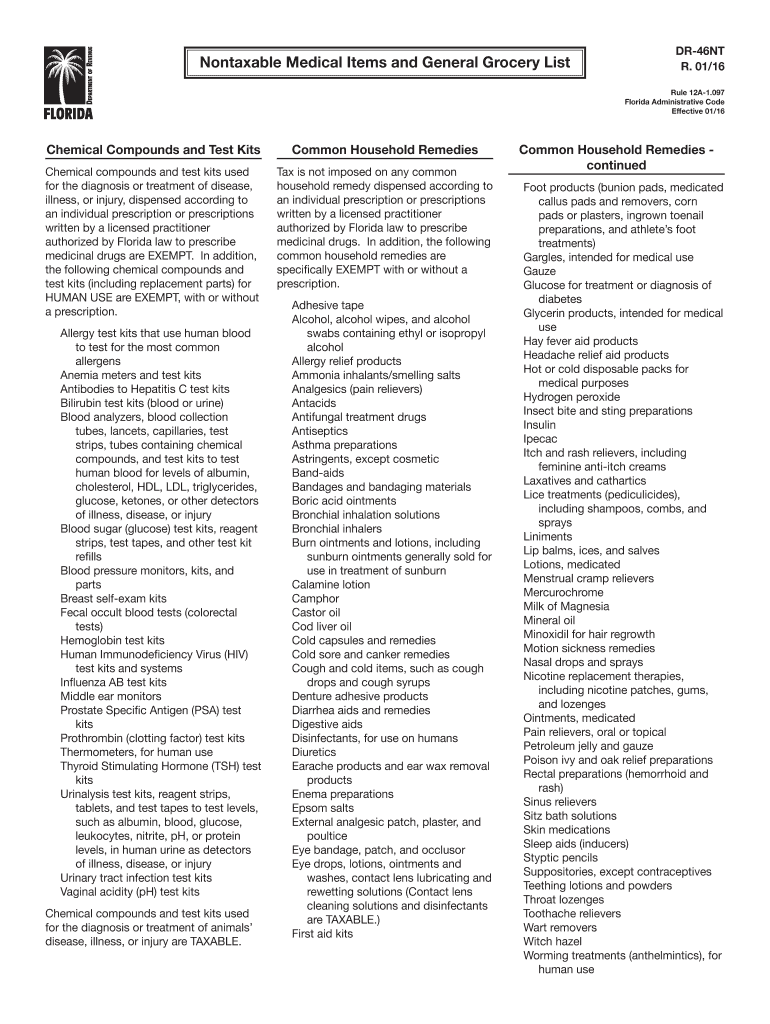
- Insulin and Diabetic Supplies: Insulin, syringes, blood glucose monitoring equipment, and test strips for individuals managing diabetes are also typically exempt, regardless of whether a prescription is required for the supplies themselves.
- Certain Over-the-Counter Drugs: While not all over-the-counter (OTC) medications are exempt, many common pain relievers, cold and flu remedies, antacids, and allergy medications are. The key factor is often whether the product is primarily intended to diagnose, cure, mitigate, treat, or prevent disease.
Medical Devices and Equipment
Florida also exempts certain medical devices and equipment that are crucial for patient care and rehabilitation.
- Prosthetic Devices: Artificial limbs, eyes, and other prosthetic devices are tax-exempt.
- Orthopedic and Hearing Aids: Items such as braces, orthopedic shoes, crutches, wheelchairs, and hearing aids are also exempt from sales tax.
- Durable Medical Equipment (DME): This category often includes items like walkers, hospital beds, and oxygen equipment, when prescribed by a physician for home use.
For travelers who require regular medication or specific medical supplies, understanding these exemptions can prevent unexpected costs and ensure that necessary items are acquired without the added burden of sales tax. It is always advisable to confirm the tax status of specific items with the pharmacy or medical supply provider.
Services Related to Tourism and Travel
While tangible goods are often the focus of sales tax discussions, certain services directly related to tourism and travel in Florida also benefit from tax exemptions or are not subject to the standard sales tax. These exemptions are designed to encourage tourism and make the state a more attractive destination.
Public Transportation and Ride-Sharing
- Public Transportation: Fares for public transportation systems, such as buses, trains, and light rail operated by governmental entities, are generally not subject to sales tax. This makes it easier and more affordable for visitors to navigate cities like Miami, Orlando, and Tampa.
- Ride-Sharing Services: While specific regulations can evolve, the general taxation of ride-sharing services like Uber and Lyft in Florida has historically treated them differently from traditional taxi services. Fares are typically subject to sales tax, but certain aspects or components of the service might differ in taxation. It’s wise to check current regulations.
Certain Recreational Activities
- Admission to Public Parks and Beaches: Entrance fees to many state and local parks, as well as access to public beaches, are often free or significantly less costly than admission to private attractions. While there might be nominal fees for specific facilities within parks, general access is frequently untaxed.
- Non-Commercial Recreational Activities: Participating in certain non-commercial recreational activities, such as swimming in the ocean, sunbathing on public beaches, or hiking on public trails, does not incur sales tax.
Educational and Cultural Institutions
- Museums and Zoos (Specific Exemptions): While many attractions charge admission that is subject to sales tax, certain non-profit educational and cultural institutions may be exempt from collecting tax on their admission fees. This often applies to public museums, aquariums, and zoological gardens that meet specific criteria.
- Libraries: Access to public libraries and their resources is, of course, tax-free.
It is important to distinguish between these tax-exempt services and taxable ones. For instance, while a bus ticket may be exempt, a guided tour that includes transportation and an admission to a specific attraction will likely have tax applied to the overall package or individual components.
Specific Exemptions and Occasional Sales
Beyond the broad categories of food, medications, and certain services, Florida also offers specific exemptions for particular items and situations, alongside provisions for occasional sales.
Certain Agricultural Products
While the focus here is on items relevant to travelers, it’s worth noting that Florida also exempts various agricultural products directly from the farm. This benefits local producers but might indirectly impact the availability and pricing of fresh produce for visitors.
Occasional Sales by Exempt Organizations
Florida law provides exemptions for certain “occasional sales” made by organizations that are themselves exempt from sales tax. This typically applies to:
- Charitable Organizations: Fundraisers and sales events conducted by registered charitable organizations may be exempt from sales tax. This could include bake sales, craft fairs, or auction events organized for a charitable cause.
- Religious Organizations: Similar exemptions may apply to sales conducted by churches, synagogues, mosques, and other religious institutions for non-profit purposes.
- Educational Institutions: Sales made by schools and other educational entities for the benefit of the institution are often tax-exempt.
These exemptions are crucial for non-profits to maximize the proceeds from their fundraising efforts. Visitors attending such events in places like Jacksonville or attending a local festival hosted by an exempt organization can benefit from lower prices.

Services Not Subject to Sales Tax
In Florida, not all services are subject to sales tax. Services that are generally not taxed include:
- Services Performed Outside of Florida: Naturally, services consumed or performed outside the state’s jurisdiction are not subject to Florida sales tax.
- Certain Professional Services: While many services are taxed, some professional services may be exempt depending on their nature and the specific statutes governing them.
- Services Provided by a Government Entity (for a Fee): Some governmental services, if they are not considered a sale of tangible personal property or a taxable service, might not be subject to sales tax.
Understanding these exemptions allows travelers to make more informed decisions about where and how they spend their money in Florida, ensuring they are not inadvertently paying taxes on items and services that are legally exempt. Always confirm with vendors or consult the Florida Department of Revenue for the most up-to-date information, as tax laws can be subject to change.
LifeOutOfTheBox is a participant in the Amazon Services LLC Associates Program, an affiliate advertising program designed to provide a means for sites to earn advertising fees by advertising and linking to Amazon.com. Amazon, the Amazon logo, AmazonSupply, and the AmazonSupply logo are trademarks of Amazon.com, Inc. or its affiliates. As an Amazon Associate we earn affiliate commissions from qualifying purchases.