
Colorado, a state renowned for its majestic mountains, pristine forests, and abundant wildlife, captivates travelers from across the globe. From the towering peaks of the Rocky Mountains to its sprawling national parks, this destination offers an unparalleled escape into nature. Visitors often come seeking adventure, stunning scenic views, and the chance to witness iconic American wildlife in their natural habitats. Among the most anticipated — and sometimes surprising — encounters is spotting one of Colorado’s native bears. Understanding which bear species calls this incredible state home, along with how to respectfully and safely coexist with them, is crucial for any responsible traveler planning their next Colorado adventure. This guide will delve into the ursine residents of Colorado, offering insights into their lives and essential tips for travelers.
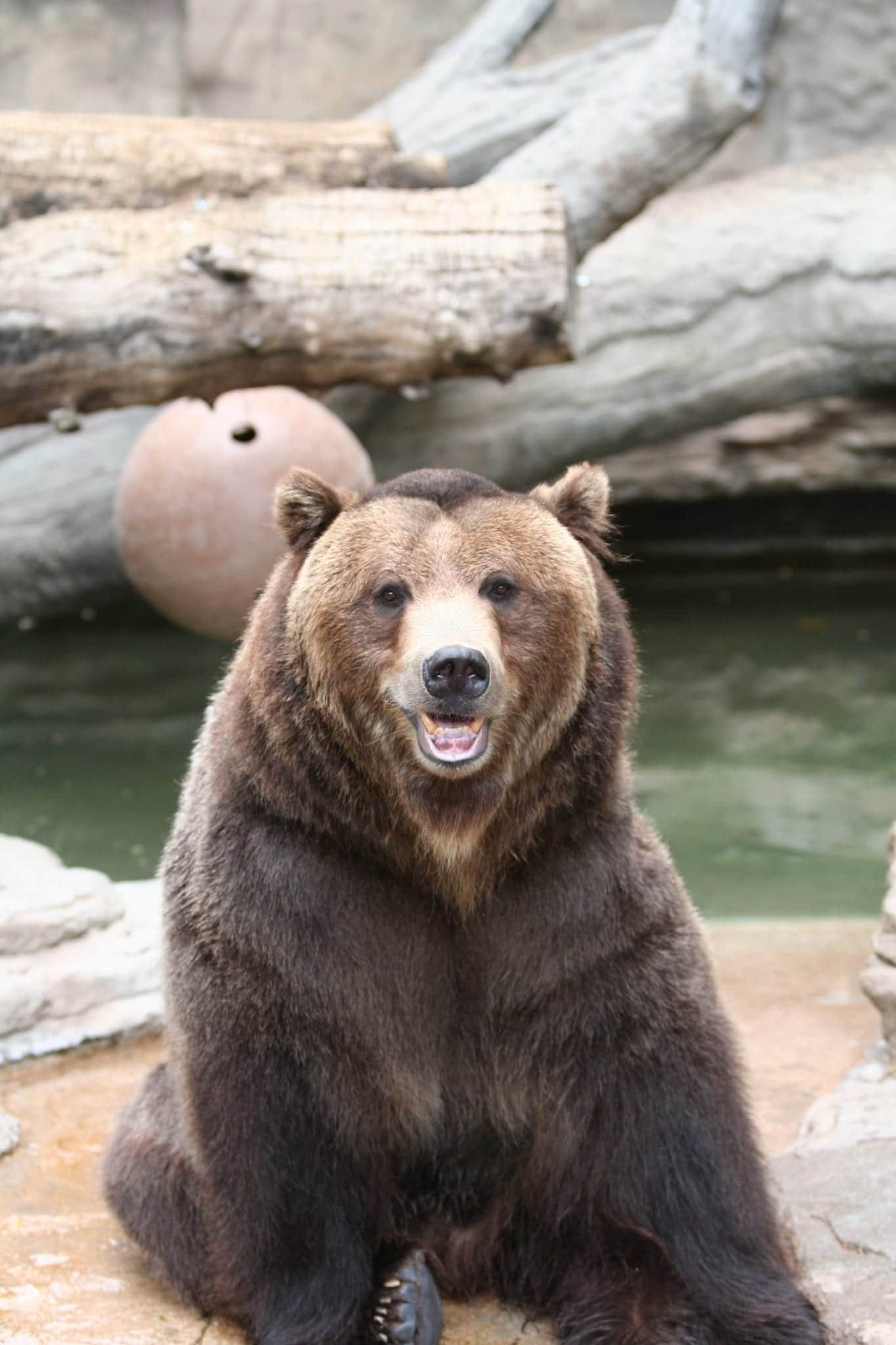
The American Black Bear: Colorado’s Sole Ursine Resident
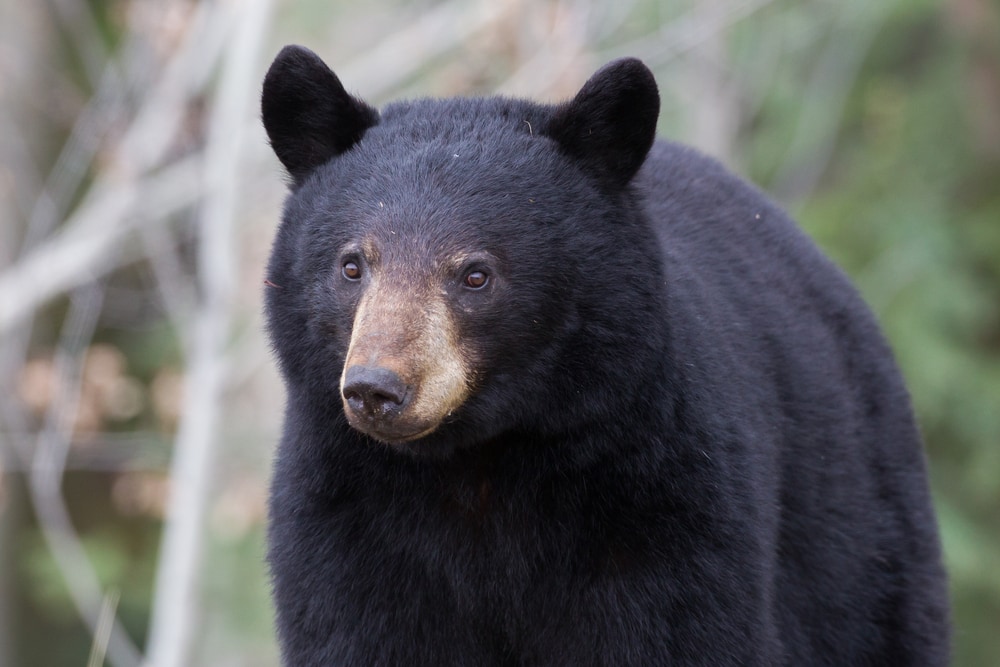
Despite its vast wilderness and diverse ecosystems, Colorado is home to only one species of bear: the American Black Bear (Ursus americanus). While other bear species, such as grizzly bears, once roamed parts of the state, they were extirpated by the mid-20th century due to habitat loss and hunting pressure. Today, the American Black Bear thrives across Colorado’s varied landscapes, from its high-altitude forests to the fringes of its bustling cities. These adaptable creatures are a testament to Colorado’s enduring commitment to wildlife conservation and provide a unique opportunity for visitors to experience genuine wilderness.
Distinguishing Characteristics and Behavior
The American Black Bear is often misunderstood, partly due to its misleading name. While many individuals exhibit a glossy black coat, their coloration can vary significantly, ranging from cinnamon, light brown, and dark brown to even blonde or reddish hues. This diversity in coat color often leads to mistaken identity, with some visitors incorrectly assuming they’ve seen a grizzly bear. However, key physical characteristics differentiate them from grizzlies, which are larger, have a prominent shoulder hump, a dish-shaped face, and longer claws. In contrast, black bears have a straight facial profile, no shoulder hump, and shorter, curved claws ideal for climbing trees.
Adult black bears in Colorado typically weigh between 150 to 500 pounds, with males generally larger than females. Their diet is omnivorous and highly seasonal. In spring, they emerge from hibernation, seeking out fresh grasses, shoots, and carrion. Summer brings berries, insects, and nuts, while autumn is a critical period of hyperphagia, where bears consume vast quantities of food to build up fat reserves for the coming winter hibernation. They are mostly solitary animals, except during mating season or when a mother is raising her cubs. Black bears are primarily active during dawn and dusk, though they can be encountered at any time, especially if food sources are readily available. Their incredible sense of smell, far superior to that of humans, plays a vital role in their foraging habits, often leading them to human-provided food sources if not properly secured.
Where to Encounter Black Bears in Colorado
Black bears are widely distributed throughout the mountainous and forested regions of Colorado, making sightings possible across a broad range of locations. Some of the most prominent landmarks and natural areas where these magnificent creatures are known to roam include Rocky Mountain National Park, a crown jewel of the national park system offering breathtaking scenery and diverse wildlife. Other key areas include the vast expanses of the San Juan National Forest, a haven for outdoor enthusiasts; the unique landscapes of Great Sand Dunes National Park and Preserve; and numerous other national forests like Pike National Forest, Roosevelt National Forest, and White River National Forest. These areas, with their rich ecosystems, provide ample foraging grounds and safe havens for black bears.
Beyond the major protected areas, bears can also be found in wilderness zones near popular mountain towns and cities. Destinations like Aspen, known for its luxury lifestyle and skiing, and Vail, another premier ski resort, often report bear activity, particularly during periods of natural food scarcity when bears venture closer to human settlements in search of sustenance. Even communities closer to the Front Range, such as Boulder and the foothills surrounding Colorado Springs, have occasional bear sightings, especially in their greenbelts and open spaces. Even in Denver, the state capital, rare sightings have occurred in its western suburbs bordering natural areas. For travelers focused on wildlife experiences, visiting these regions during spring and fall, when bears are most active, increases the chances of a sighting. However, remember that bear encounters are always a privilege and never guaranteed, underscoring the importance of respectful and patient observation from a safe distance.
Responsible Wildlife Tourism: Coexisting with Colorado’s Bears
Encountering a bear in the wild can be a thrilling and unforgettable part of any Colorado trip. However, this privilege comes with a significant responsibility to ensure the safety of both humans and wildlife. As tourism to Colorado continues to flourish, understanding and practicing bear-safe habits becomes increasingly important to minimize human-wildlife conflicts and protect these magnificent animals. Adopting responsible tourism practices is not just about avoiding danger; it’s about contributing to the long-term conservation of bear populations and preserving the wild character of Colorado’s natural attractions.
Essential Bear Safety Tips for Travelers
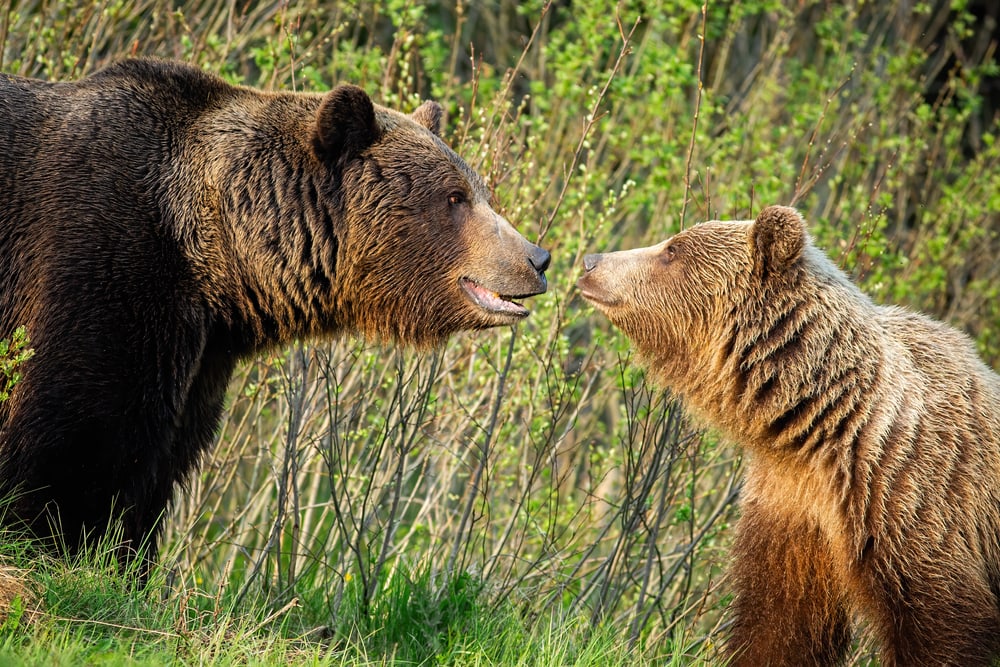
When venturing into bear country, preparation is key. Whether you’re hiking, camping, or simply visiting a scenic overlook, always be “bear aware.” The most critical rule is to never feed bears, intentionally or unintentionally. Feeding bears habituates them to human food sources, leading them to associate humans with food, which can result in aggressive behavior and, tragically, often necessitates the bear’s removal or euthanasia. All food, trash, and scented items (like toiletries) should be stored in bear-resistant containers or vehicles. If camping, use bear canisters for food storage or hang food from a tree, at least 10-12 feet off the ground and 4-6 feet from the trunk.
While hiking, make noise to avoid surprising a bear. This could involve talking loudly, clapping, or carrying a bear bell. Travel in groups whenever possible, as larger groups are generally less likely to be approached by bears. Keep dogs on a leash, as off-leash dogs can provoke bears and lead them back to their owners. If you encounter a bear, remain calm. Do not run, as this may trigger a chase response. Instead, make yourself look as large as possible, wave your arms, and speak in a firm, loud voice. Slowly back away, never turning your back on the bear. If the bear approaches, stand your ground. Most black bear attacks are defensive; fighting back is often recommended if a black bear makes physical contact. Carry bear spray and know how to use it as a last resort, particularly for encounters in remote wilderness areas. These simple yet effective tips can make a world of difference in ensuring a safe and memorable experience for everyone.
Protecting Bear Habitats and Promoting Conservation
Responsible tourism extends beyond personal safety; it encompasses a commitment to protecting the natural environments that bears call home. The “Leave No Trace” principles are paramount: pack out everything you pack in, dispose of waste properly, and minimize your impact on the environment. Avoid disturbing wildlife by observing from a distance, never approaching or following animals, and using binoculars or telephoto lenses for close-up views. Respecting speed limits in natural areas helps prevent vehicle-bear collisions, a common cause of bear mortality.
Supporting local conservation efforts and organizations is another vital way to contribute. Many Colorado non-profits and government agencies are dedicated to bear research, habitat preservation, and public education. By choosing eco-friendly accommodations and tour operators that prioritize sustainable practices, visitors can ensure their travel dollars support responsible tourism. Understanding the challenges faced by bear populations, such as habitat fragmentation and human encroachment, allows travelers to become advocates for their protection. Ultimately, protecting bear habitats not only safeguards the future of these magnificent animals but also preserves the wild beauty and ecological integrity that make Colorado such a sought-after travel destination.
Planning Your Bear-Friendly Colorado Adventure
Embarking on a journey through Colorado’s wilderness offers an unparalleled opportunity to connect with nature, and with proper planning, you can ensure your trip is both unforgettable and harmonious with the state’s wildlife. From selecting the right accommodation to knowing the best times for wildlife viewing, every aspect of your travel can be optimized to enhance your experience while respecting the local environment and its inhabitants.
Accommodation Choices Near Bear Country
When planning your stay in Colorado, particularly if you intend to explore areas known for bear activity, your accommodation choice can play a significant role in your overall experience and safety. Many hotels, resorts, and vacation rentals in mountain towns and rural areas are keenly aware of their proximity to bear habitats. For luxury travelers, resorts like The Broadmoor in Colorado Springs or Hotel Jerome in Aspen offer opulent comfort while often providing guidance on local wildlife. Even though these are in more developed areas, they are within reach of bear country and guests should always be vigilant, especially when venturing into surrounding trails or parks.
For those seeking a more immersive experience closer to the heart of bear country, consider booking cabins or lodges within or near national forests and parks. When researching accommodation, look for establishments that explicitly mention bear-proofing measures, such as bear-resistant trash receptacles, proper food storage guidelines, and secure windows and doors. Some rustic accommodations may even provide bear canisters for hikers. Reading reviews for feedback on wildlife encounters and the effectiveness of safety measures can also be very helpful. Whether you opt for a glamping experience, a quaint bed and breakfast, or a self-catering apartment, ensuring your temporary home supports bear-safe practices is a key component of responsible accommodation and contributes to a stress-free Colorado stay.
Experiencing Colorado’s Natural Wonders Responsibly
To maximize your chances of respectfully observing bears and other wildlife, timing your visit to Colorado is important. Spring, as bears emerge from hibernation, and fall, during their intense foraging period (hyperphagia) before winter, are generally the best seasons for wildlife viewing. During these periods, bears are often more active and visible. Early morning and late evening hours tend to be prime viewing times when temperatures are cooler and animals are more inclined to move about.
Consider joining a guided tour led by experienced naturalists or park rangers. These tours, often available in areas like Rocky Mountain National Park or through private outfitters, offer the dual benefit of expert knowledge and enhanced safety. Guides can provide invaluable insights into bear behavior, habitat, and the best ethical viewing spots, ensuring that encounters are both educational and safe. Remember, the goal of wildlife viewing is to observe without disturbing. Always maintain a respectful distance, use binoculars or a spotting scope, and avoid any actions that might alter a bear’s natural behavior. Embracing these ethical viewing practices not only safeguards the animals but also enriches your travel experience, allowing you to witness the wild, untamed beauty of Colorado in its most authentic form.
In conclusion, while Colorado is home to only one bear species, the American Black Bear, its presence adds an undeniable thrill and natural wonder to any visit. By understanding their characteristics, knowing where they live, and diligently following safety and conservation guidelines, travelers can enjoy an extraordinary and responsible adventure. From selecting bear-aware accommodations to practicing ethical wildlife viewing, every step you take contributes to the protection of these magnificent creatures and the preservation of Colorado’s pristine wilderness for generations to come. Your next Colorado journey promises not just breathtaking landscapes, but also the potential for a respectful and awe-inspiring encounter with its sole ursine resident.
LifeOutOfTheBox is a participant in the Amazon Services LLC Associates Program, an affiliate advertising program designed to provide a means for sites to earn advertising fees by advertising and linking to Amazon.com. Amazon, the Amazon logo, AmazonSupply, and the AmazonSupply logo are trademarks of Amazon.com, Inc. or its affiliates. As an Amazon Associate we earn affiliate commissions from qualifying purchases.