
Navigating the linguistic landscape of Puerto Rico is a fundamental aspect of experiencing its vibrant culture and rich history. While many travelers might assume a single dominant language, the reality is a fascinating blend that reflects the island’s unique identity. Understanding this linguistic duality is key to unlocking deeper connections and a more authentic journey.
The Official Tongues: Spanish and English
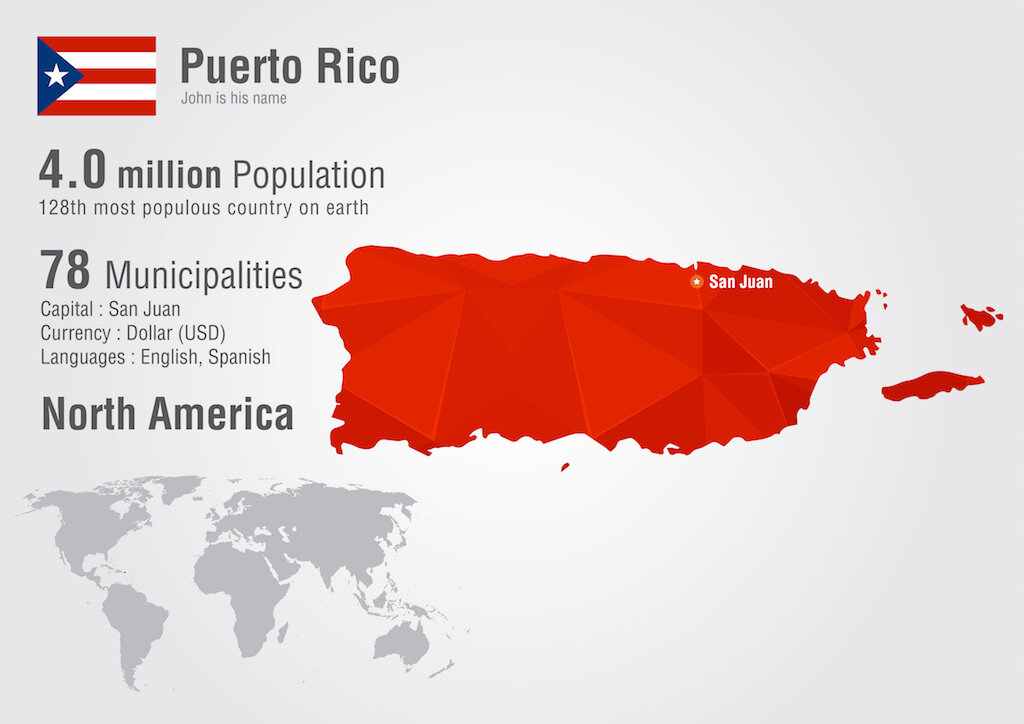
The official languages of Puerto Rico are both Spanish and English. This dual-official status is a direct consequence of its political history, particularly its relationship with the United States.
Spanish: The Lingua Franca
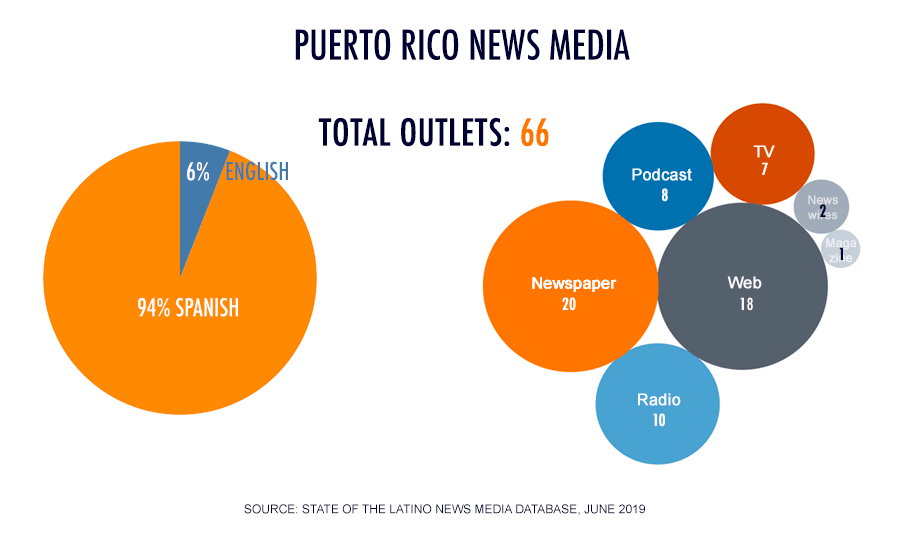
Spanish is overwhelmingly the primary spoken language and the heart of daily life on the island. From the bustling streets of San Juan to the quiet beaches of Vieques, you will hear Spanish spoken by the vast majority of the population. This includes informal conversations, formal business transactions, and all governmental and educational institutions.
- Historical Roots: The prevalence of Spanish dates back to the arrival of Spanish colonizers in the late 15th century. Over centuries, it became deeply ingrained in the island’s culture, influencing everything from local dialects to culinary traditions.
- Puerto Rican Spanish: While standard Spanish is understood, Puerto Rican Spanish has its own distinctive charm. It incorporates indigenous Taíno words, African influences, and unique slang and idiomatic expressions. This dialect is a proud marker of national identity, distinct from other Caribbean or Latin American Spanish variations. Examples include “boricua” (a term of endearment for a Puerto Rican person, derived from the Taíno name for the island, Borikén), “chavos” (money), and “guagua” (bus).
- Understanding and Immersion: Even a basic understanding of Spanish phrases can significantly enhance your travel experience. Locals often appreciate the effort, and it opens doors to more genuine interactions, whether ordering food at a chinchorro or asking for directions in Old San Juan. Many visitors find that simply listening to the rhythm and cadence of Puerto Rican Spanish is an enriching cultural experience in itself.
English: A Welcome Second Language
English, as the language of the United States, also holds an official status and is widely understood, particularly in tourist areas and among younger generations.
- Education and Government: English is taught in schools, and many official documents and government services are available in both Spanish and English. This bilingual approach aims to facilitate communication with the federal government and cater to a diverse population.
- Tourism Hubs: In major tourist destinations like the Condado district, Old San Juan, and resort areas, you will find that many hotel staff, restaurant servers, and shopkeepers are fluent in English. This makes it relatively easy for English-speaking visitors to navigate and communicate their needs.
- Bridging the Gap: While English is widely spoken, it’s important to remember that Spanish remains the primary language. Relying solely on English might limit your engagement with the local community outside of heavily touristed zones. However, for most practical travel purposes, communication in English will be sufficient.
Beyond the Official: Other Linguistic Influences
The linguistic tapestry of Puerto Rico is further enriched by the echoes of its history and its position in the Caribbean.
Taíno and African Heritage
The indigenous Taíno people, who inhabited the island before European arrival, left an indelible mark on the Spanish spoken in Puerto Rico. Numerous words related to flora, fauna, geography, and everyday objects are of Taíno origin. Similarly, the transatlantic slave trade brought African languages and linguistic patterns that have subtly influenced the island’s dialect, particularly in its rhythm and certain phonetic expressions. These influences are subtle but significant, contributing to the unique character of Puerto Rican Spanish.
A Touch of French and Italian
Historically, there have been periods of migration and cultural exchange with other European nations. While not widely spoken today, remnants of French and Italian can occasionally be found in place names or in the surname heritage of some families, a testament to the island’s long and complex history of settlement and interaction.
Communicating as a Traveler
For visitors to Puerto Rico, understanding the linguistic situation empowers you to plan your trip more effectively and engage more meaningfully.
Essential Spanish Phrases for Travelers
Even a few basic Spanish phrases can make a significant difference in your interactions. Here are a few essentials:
- Hola (Hello)
- Gracias (Thank you)
- Por favor (Please)
- ¿Cuánto cuesta? (How much does it cost?)
- ¿Dónde está…? (Where is…?)
- Agua (Water)
- Comida (Food)
- Adiós (Goodbye)
- Buenos días (Good morning)
- Buenas tardes (Good afternoon)
- Buenas noches (Good evening/night)
Learning these simple phrases not only helps with practical communication but also demonstrates respect for the local culture, often earning you a warmer reception.
Leveraging Technology
In the digital age, language barriers are more manageable than ever. Translation apps on smartphones can be invaluable for understanding menus, signs, or having basic conversations. Google Translate and similar applications offer real-time voice translation and text translation, making them indispensable tools for any traveler navigating a foreign language environment.

Embracing the Experience
Ultimately, the language spoken in Puerto Rico is part of its captivating charm. Whether you are conversing in fluent Spanish, relying on English, or using a mix of gestures and translation apps, the warmth and hospitality of the Puerto Rican people transcend linguistic boundaries. Approaching your travels with an open mind and a willingness to engage, regardless of language proficiency, will undoubtedly lead to an unforgettable experience on this beautiful Caribbean island. From exploring historic forts like Castillo San Felipe del Morro to hiking in the El Yunque National Forest, the ability to communicate, even minimally, enhances every aspect of your journey.
LifeOutOfTheBox is a participant in the Amazon Services LLC Associates Program, an affiliate advertising program designed to provide a means for sites to earn advertising fees by advertising and linking to Amazon.com. Amazon, the Amazon logo, AmazonSupply, and the AmazonSupply logo are trademarks of Amazon.com, Inc. or its affiliates. As an Amazon Associate we earn affiliate commissions from qualifying purchases.