
Nestled in the southern United States along the Mississippi River, Louisiana is a state unlike any other. It’s a vibrant tapestry woven with rich history, diverse cultures, intoxicating music, and a culinary scene that could tempt the most discerning palate. From the pulsating energy of New Orleans to the serene beauty of its bayous, Louisiana offers an unparalleled travel experience. This guide delves into what makes the Bayou State truly famous, exploring its iconic attractions, unique cultural heritage, and the unforgettable experiences awaiting every visitor.
For those planning their next adventure, Louisiana presents a compelling destination. It’s a place where history isn’t just in textbooks but alive in the architecture, music, and traditions. Whether you’re seeking a luxurious resort stay, a quaint boutique hotel experience, or an immersive cultural tour, Louisiana caters to all. Our exploration will cover everything from the historical landmarks that tell tales of its past to the modern amenities and guides that ensure a seamless journey. Get ready to discover why Louisiana consistently ranks high on lists of must-visit travel destinations.
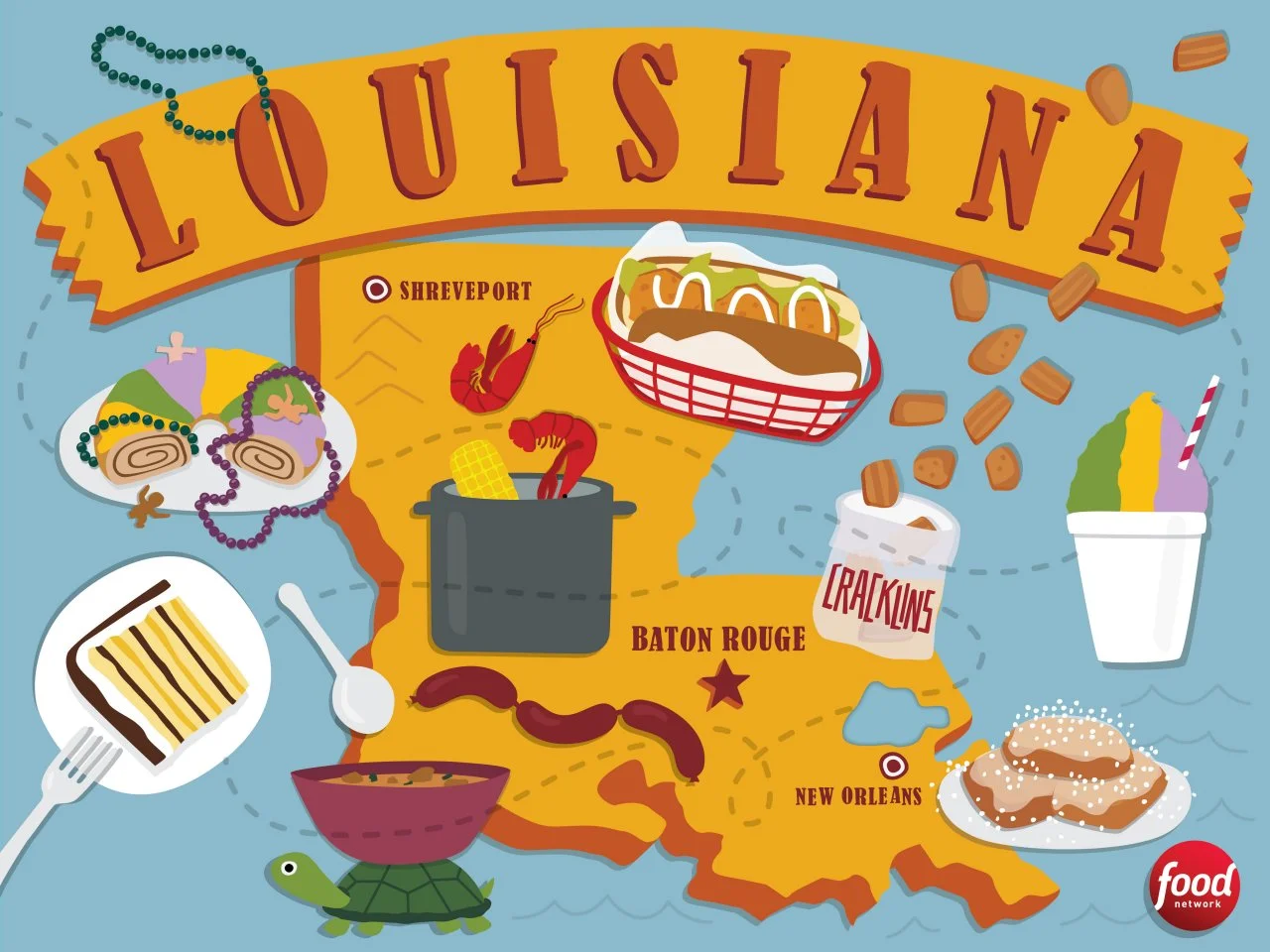
A Tapestry of Culture and Celebration
The soul of Louisiana is its culture – a dynamic blend of French, Spanish, African, and Native American influences that have converged over centuries. This unique heritage is most palpable in its music, festivals, and the very rhythm of daily life. The state vibrates with a distinctive energy, making it a prime destination for cultural tourism and unforgettable experiences.
The Rhythms of New Orleans and Beyond
No discussion of Louisiana’s culture is complete without focusing on New Orleans, often dubbed the birthplace of jazz. The city’s streets constantly hum with melodies, from impromptu brass bands in the French Quarter to soulful blues in intimate clubs. Visitors flock to iconic venues like Preservation Hall to witness living legends perform traditional jazz, a truly authentic experience. Beyond jazz, New Orleans is a hub for R&B, gospel, and funk, ensuring a musical backdrop to any visit. Exploring the city’s historic districts like the Garden District, with its stunning mansions, or strolling through Jackson Square in front of the majestic St. Louis Cathedral, are quintessential New Orleans activities.
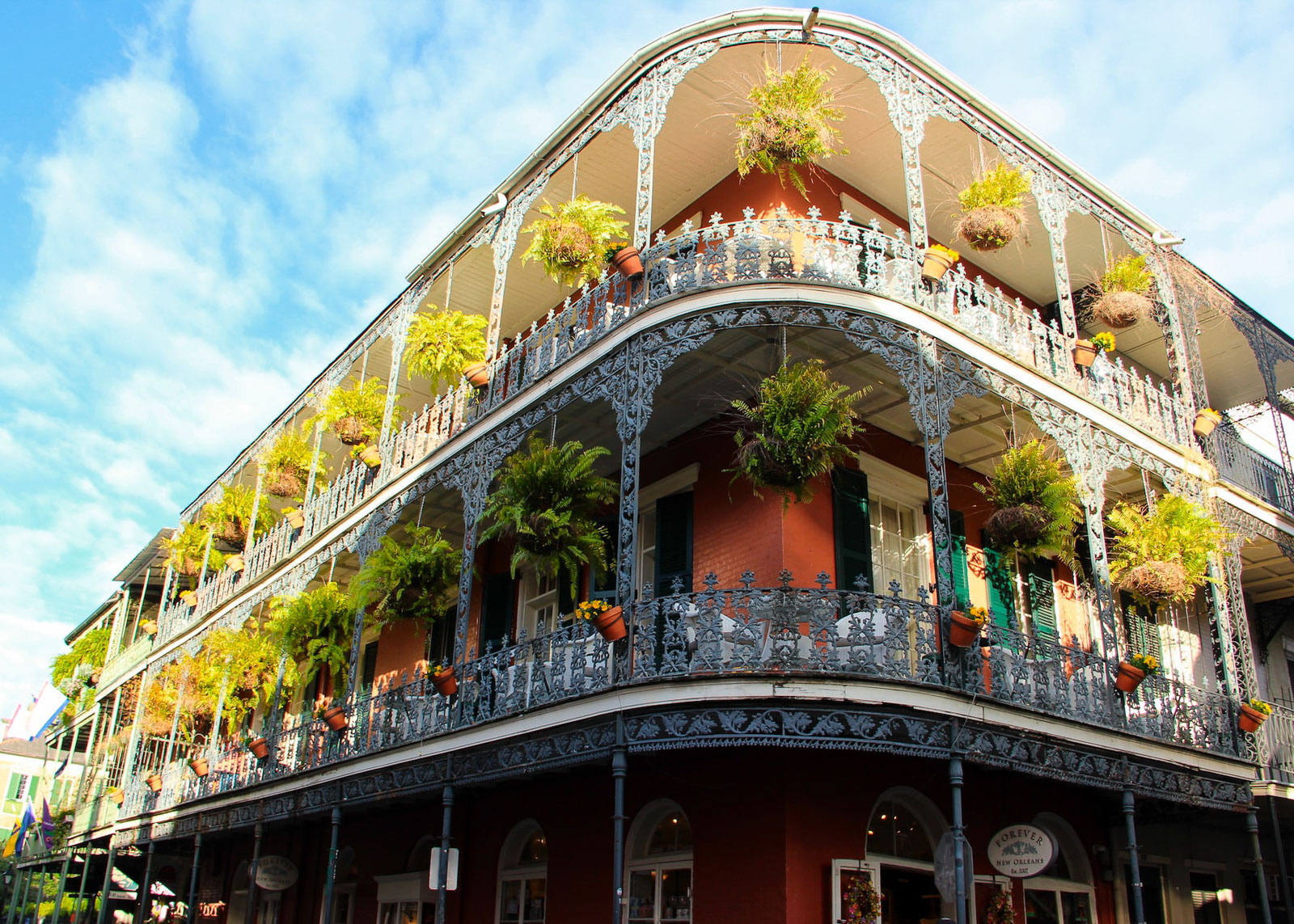
Beyond the Crescent City, other locales like Lafayette offer a deep dive into Cajun culture, famous for its lively zydeco music and spontaneous “fais do-dos” (dance parties). Baton Rouge, the state capital, also offers a rich cultural scene with museums and historical sites that tell the story of Louisiana’s political and social landscape. Each city and region has its own distinct flavor, promising diverse experiences for travelers interested in local culture and traditions.
Mardi Gras: The Ultimate Festivity
When people think of Louisiana festivals, Mardi Gras immediately comes to mind. This legendary annual celebration, primarily centered in New Orleans, is an explosion of parades, costumes, music, and revelry that draws millions from around the globe. While Mardi Gras is synonymous with New Orleans’s Bourbon Street extravagance, it’s also celebrated with unique local traditions in smaller towns across the state, such as the rural Cajun “Courir de Mardi Gras” run.
Planning a trip during Mardi Gras requires careful consideration of accommodation, as hotels book up far in advance. From luxurious suites in historic buildings like The Roosevelt New Orleans, A Waldorf Astoria Hotel to more budget-friendly options, the demand is high. Beyond Mardi Gras, Louisiana hosts numerous other vibrant festivals throughout the year, celebrating everything from jazz and blues to seafood and strawberries. These events offer an authentic glimpse into the state’s joyful spirit and provide ample opportunities for cultural immersion and unique travel experiences.
A Culinary Journey Through the Bayou State
Louisiana’s cuisine is as famous as its music, a true testament to its diverse cultural history. It’s a fusion of flavors, techniques, and ingredients that creates a gastronomic landscape unlike any other in North America. Food is not just sustenance here; it’s a way of life, a communal experience, and a profound expression of heritage. For any food enthusiast, a trip to Louisiana is an absolute must, offering a spectrum of culinary adventures from fine dining to roadside shacks.
Creole and Cajun Flavors: A Gastronomic Heritage
The heart of Louisiana’s culinary identity lies in its two primary cooking styles: Creole and Cajun. While often confused, they represent distinct traditions. Creole cuisine, born in the kitchens of New Orleans’ wealthy families, blends French, Spanish, African, and Caribbean influences. It’s refined, often butter-based, and utilizes a wider array of ingredients, reflecting the city’s port history. Dishes like Oysters Rockefeller, Shrimp Creole, and Bananas Foster are hallmarks of this elegant tradition. Visitors can find exceptional Creole dining experiences in historic New Orleans restaurants, many of which are landmarks in themselves.
Cajun cuisine, by contrast, originated with the French Acadians who settled in rural Louisiana’s bayou country after being expelled from Canada. It’s a more rustic, resourceful, and robust style of cooking, utilizing local ingredients like crawfish, shrimp, and alligator, along with the “holy trinity” of bell pepper, onion, and celery. Cajun food is known for its hearty, one-pot dishes and spicy kick, often found in smaller, family-run eateries in areas like Lafayette and along the Bayou Teche. Engaging in cooking classes or food tours is a popular activity for travelers looking to understand the nuances and history behind these iconic culinary traditions.
Must-Try Louisiana Dishes
A visit to Louisiana is incomplete without sampling its legendary dishes. Gumbo, a hearty stew, comes in countless variations, often featuring seafood, chicken, and sausage, all thickened with a roux and served over rice. Jambalaya, another iconic one-pot meal, is a flavorful mix of rice, meat (pork, chicken, sausage), and often seafood, cooked with the holy trinity and various spices. Don’t miss Etouffée, a rich, flavorful sauce typically served over rice with crawfish or shrimp.
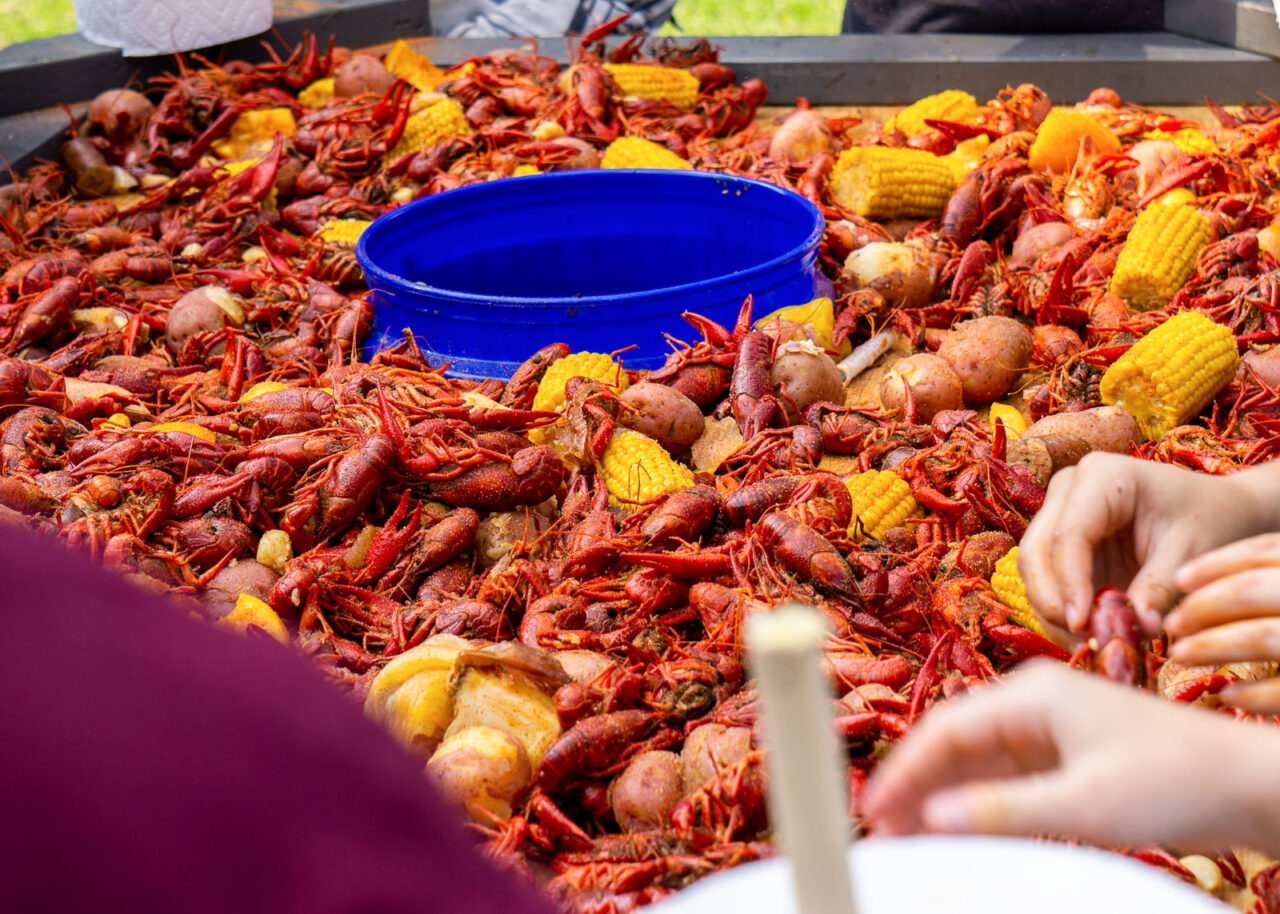
Beyond these staples, the list goes on: crispy fried chicken, spicy boiled crawfish (a seasonal delicacy and social event), po’boy sandwiches stuffed with fried seafood or roast beef, and the ubiquitous beignets – square pieces of fried dough, generously dusted with powdered sugar, best enjoyed with a café au lait at a historic New Orleans coffee stand. Even the hot sauce has a story, with Avery Island, the home of Tabasco, being a popular tourist attraction offering factory tours and tastings. Exploring these culinary delights is not just about eating; it’s about experiencing the heart and soul of Louisiana through its food.
Historic Charm and Natural Wonders
Louisiana’s landscape is as captivating as its culture, featuring a mix of antebellum grandeur, natural beauty, and a complex history evident in its landmarks. From sprawling plantations that whisper tales of the past to the mysterious allure of its wetlands, the state offers diverse attractions for history buffs and nature lovers alike. These unique sites provide rich experiences, often complemented by local guides sharing their intimate knowledge.
Grand Plantations and Historic Districts
The grandeur of Louisiana’s past is perhaps best preserved in its magnificent plantations, many of which line the historic River Road between Baton Rouge and New Orleans. Iconic estates like Oak Alley Plantation, famous for its breathtaking canopy of live oaks, and Laura Plantation, known for its compelling Creole history and original slave cabins, offer poignant glimpses into a bygone era. Whitney Plantation, uniquely dedicated to memorializing the lives of enslaved people, provides an essential, powerful perspective on this difficult history. These landmarks are more than just beautiful estates; they are vital educational sites.
In New Orleans, the entire French Quarter is a historic district, a labyrinth of colorful colonial buildings with wrought-iron balconies, housing charming hotels like Hotel Monteleone and myriad boutiques and art galleries. Other notable landmarks include the National WWII Museum, offering a comprehensive and moving tribute to America’s role in the war, and the Audubon Zoo and Audubon Aquarium of the Americas, which are popular family attractions. Exploring these sites provides a deep understanding of Louisiana’s layered past and its significant contributions to American history.
Exploring Louisiana’s Unique Ecosystems
Beyond its urban centers and historical sites, Louisiana is renowned for its distinctive natural environment, dominated by expansive bayous, swamps, and wetlands. These ecosystems are teeming with wildlife, including alligators, diverse bird species, and unique flora, offering a completely different kind of adventure. Swamp tours, typically conducted by knowledgeable local guides in flat-bottomed boats or airboats, are a popular attraction, providing thrilling wildlife encounters and insights into the ecology of the region. The vast Atchafalaya Basin, the largest wetland and swamp wilderness in the United States, is a prime example of this natural splendor.
For those seeking more tranquil nature experiences, state parks and wildlife refuges offer opportunities for kayaking, fishing, and birdwatching. The “Sportsman’s Paradise” of northern Louisiana, around cities like Shreveport and Monroe, provides excellent fishing and hunting grounds. Meanwhile, the coastal areas, often referred to as the “Cajun Riviera” near Lake Charles, offer beautiful beaches and opportunities for birding along the Creole Nature Trail. These natural wonders provide a refreshing contrast to the bustling cities, perfect for travelers seeking outdoor activities and a chance to connect with Louisiana’s wild side.
Planning Your Louisiana Experience
A trip to Louisiana can be as diverse as the state itself, catering to various travel styles and budgets. Whether you’re planning a luxurious romantic getaway, a family-friendly adventure, or a business trip, understanding your accommodation options and key travel tips will enhance your experience. This section provides practical guidance to help you navigate and enjoy all that the Bayou State has to offer.
Accommodation for Every Traveler
Louisiana boasts a wide array of accommodation choices, from world-class resorts to charming boutique hotels and unique vacation rentals. In New Orleans, you can choose from historic hotels in the French Quarter or the upscale Garden District, such as The Ritz-Carlton, New Orleans for a luxurious stay, or a cozy guesthouse for a more intimate experience. For those seeking modern amenities or a long-term stay, serviced apartments are also available.
Outside New Orleans, cities like Baton Rouge offer business-friendly hotels like the Hilton Baton Rouge Capitol Center, while Lake Charles is known for its resort casinos, exemplified by L’Auberge Casino Resort Lake Charles, providing entertainment and luxury. For a truly unique experience, consider staying at a renovated plantation home or a rustic cabin on a bayou, offering an immersive dive into local life. Booking in advance, especially during peak seasons or major festivals like Mardi Gras, is highly recommended to secure the best rates and availability. Online comparison tools and reviews are invaluable for finding the perfect stay to match your lifestyle and budget.
Essential Travel Tips
To make the most of your Louisiana adventure, consider these practical tips. Transportation: While New Orleans is walkable in its core areas and offers streetcars, a rental car is advisable for exploring the wider state, including plantations and bayou tours. Best Time to Visit: Spring (March-May) and Fall (September-November) offer pleasant weather and numerous festivals, avoiding the hot, humid summer months. Packing: Light clothing is essential, along with comfortable walking shoes. Don’t forget insect repellent, especially for swamp excursions.
Local Etiquette: Louisiana culture is warm and welcoming; embrace the relaxed pace and friendly locals. Tipping in restaurants and for tour guides is customary. For unique souvenirs, explore local markets for Cajun spices, hot sauces, local art, and handmade crafts. Consider taking a historic Natchez Steamboat cruise on the Mississippi River for a different perspective of New Orleans. Engaging with the local culture, whether through a food tour, a jazz club visit, or a swamp excursion, will enrich your travel experience immensely. Louisiana promises not just a trip, but a journey into a truly distinct and unforgettable corner of the world.
LifeOutOfTheBox is a participant in the Amazon Services LLC Associates Program, an affiliate advertising program designed to provide a means for sites to earn advertising fees by advertising and linking to Amazon.com. Amazon, the Amazon logo, AmazonSupply, and the AmazonSupply logo are trademarks of Amazon.com, Inc. or its affiliates. As an Amazon Associate we earn affiliate commissions from qualifying purchases.