
The Hawaiian Islands are more than just a paradise of white-sand beaches and volcanic landscapes; they represent one of the most strategically significant geographic locations in the United States. Positioned in the heart of the Pacific Ocean, this archipelago serves as the cornerstone of American defense and maritime security in the Indo-Pacific region. The military bases in Hawaii are not merely functional installations; they are profound historical landmarks that have shaped the architecture, culture, and history of the state. From the deep-water harbor of Pearl Harbor to the sprawling training grounds of the Big Island, the presence of the U.S. Armed Forces is woven into the very fabric of the islands.
The Historical Landmarks of Pearl Harbor and Honolulu
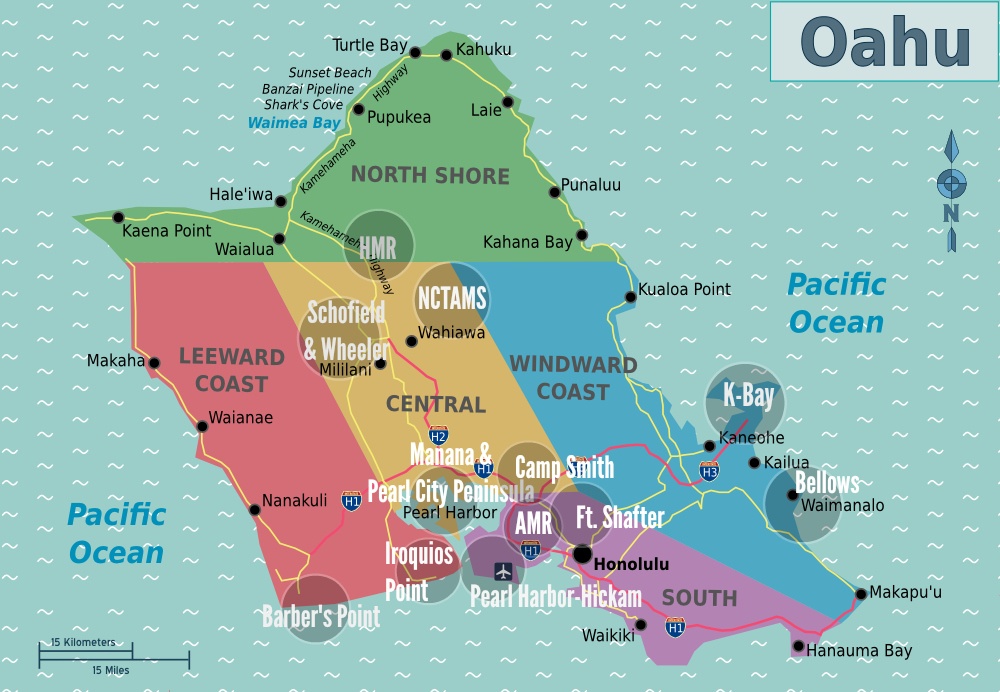
The most famous military landmark in Hawaii is undoubtedly Pearl Harbor. Located on the island of Oahu, it is a site of immense historical gravity and architectural significance. While it remains an active duty station, it is also a designated National Historic Landmark that attracts millions of visitors who come to reflect on the events of World War II.
Joint Base Pearl Harbor-Hickam
Joint Base Pearl Harbor-Hickam was created in 2010 through the merger of Naval Station Pearl Harbor and Hickam Air Force Base. This massive complex encompasses thousands of acres and includes the historic Ford Island. The architecture of the Hickam side of the base is particularly notable for its unique Art Deco style, which was popular during the 1930s when the airfield was first constructed.
Within the waters of the harbor lie several of the most important landmarks in the country. The USS Arizona Memorial, a graceful white structure spanning the sunken hull of the battleship, serves as a solemn tribute to those lost during the 1941 attack. Nearby, the Battleship Missouri Memorial provides a bookend to the war, as it was on the decks of this ship that the Japanese Empire signed the formal surrender. The Pacific Fleet Submarine Museum and the Pearl Harbor Aviation Museum on Ford Island further cement this base as a premier historical destination.
Fort Shafter and the Tripler Army Medical Center
Located just west of Honolulu, Fort Shafter is the oldest military post on Oahu, having been established in 1907. It serves as the headquarters for United States Army Pacific. The base is famous for its “Palm Circle,” a beautiful parade ground surrounded by historic colonial-style homes and towering palm trees, which is listed on the National Register of Historic Places.
Visible from miles away due to its iconic coral-pink exterior, the Tripler Army Medical Center is another significant landmark. Perched on the slopes of Moanalua Ridge, this massive facility is the largest military medical treatment center in the entire Pacific Basin. Its distinctive color and hilltop location make it one of the most recognizable architectural landmarks on the island of Oahu.
Marine Corps and Army Installations of Oahu
The military’s footprint extends across the entire island of Oahu, utilizing the diverse terrain for specialized training and operations. These bases are not just hubs of activity; they are situated in some of the most beautiful and geographically unique areas of the Pacific.
Marine Corps Base Hawaii
Located on the Mokapu Peninsula on the windward side of Oahu, Marine Corps Base Hawaii (MCBH) is surrounded by the turquoise waters of Kaneohe Bay. This base is renowned for its stunning natural beauty and its proximity to the Ko’olau Range. The peninsula itself has a rich history, once being a sacred site for Native Hawaiians before its transition into a strategic military airfield.
Today, Marine Corps Base Hawaii supports air, ground, and logistical units. The base also manages the Kaneohe Bay Range Training Area, which is vital for maintaining the readiness of the U.S. Marine Corps. For those exploring the windward coast, the view of the base from the Nu’uanu Pali Lookout offers a spectacular perspective of how the military infrastructure integrates with the island’s jagged coastline.
Schofield Barracks and Wheeler Army Airfield
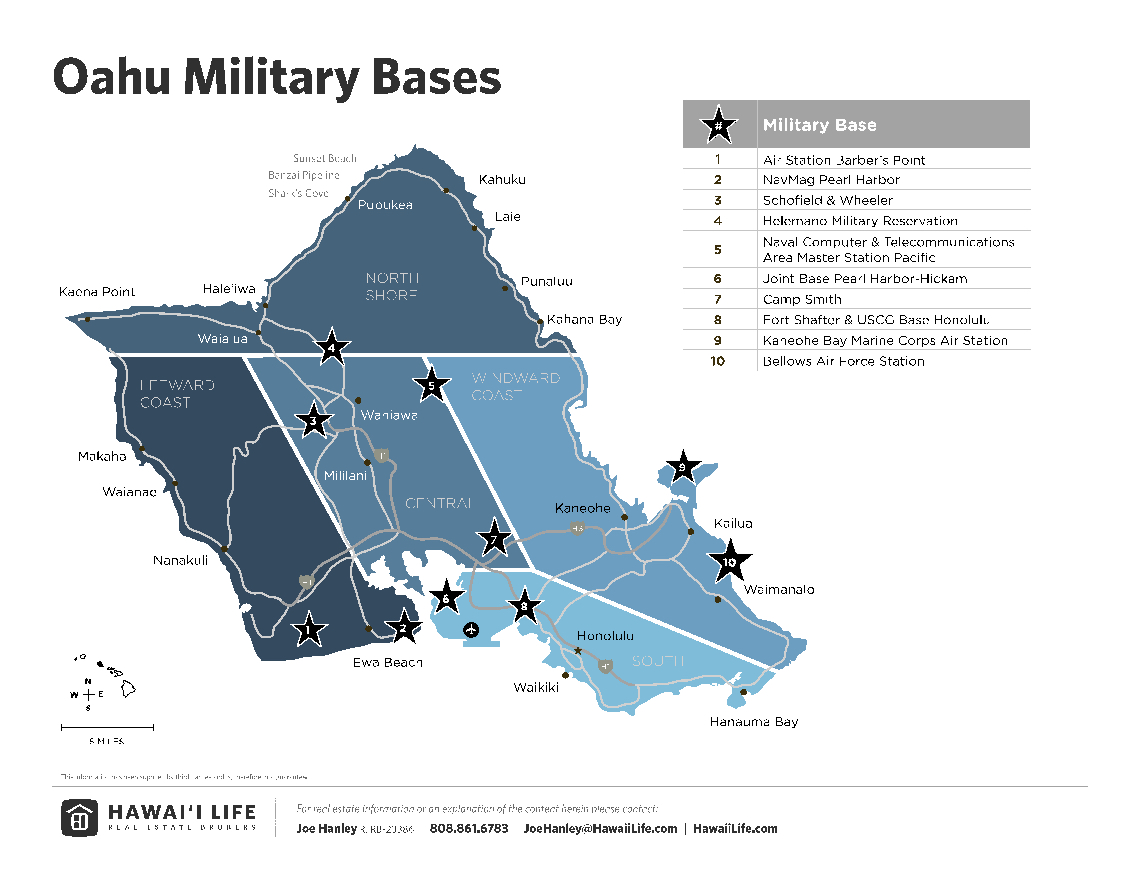
Nestled in the central plateau between the Waianae Range and the Ko’olau Range, Schofield Barracks is a major landmark of Central Oahu. Established in 1908, it was designed to defend the Pearl Harbor naval base and the inland areas of the island. Schofield Barracks is home to the 25th Infantry Division, known as the “Tropic Lightning” division.
Adjacent to the barracks is Wheeler Army Airfield, another site of deep historical importance. This airfield was a primary target during the 1941 attack on Hawaii. The architecture of the hangars and administrative buildings at Wheeler reflects the mid-century military design that characterizes much of the island’s defense infrastructure. Together, these installations form a massive inland military community that supports thousands of soldiers and their families.
Specialized Facilities and Outer Island Presence
While Oahu hosts the majority of the military population, the other islands of Hawaii play host to specialized facilities that are landmarks in their own right, often due to their remote locations and cutting-edge technology.
Pacific Missile Range Facility Barking Sands
On the western coast of Kauai lies the Pacific Missile Range Facility Barking Sands (PMRF). This is the world’s largest instrumented, multi-dimensional testing and training range. It is a unique landmark because it is capable of supporting surface, subsurface, air, and space operations simultaneously. The facility is named after the nearby “barking sands” of Polihale State Park, where the quartz sand creates a unique sound when walked upon. PMRF is a critical asset for the development of missile defense technology and serves as a major employer on the Garden Isle.
Pohakuloa Training Area
On the Big Island, the Pohakuloa Training Area (PTA) is situated in the high-altitude plateau between the massive volcanoes of Mauna Kea and Mauna Loa. Spanning over 100,000 acres, it is the largest military training installation in Hawaii. The landscape here is stark and volcanic, providing a rigorous environment for troops to practice live-fire exercises and high-altitude maneuvers. The sheer scale of Pohakuloa makes it a significant geographical landmark on the island of Hawaii.
Coast Guard and Recreation Centers
The U.S. Coast Guard also maintains a strong presence, with Coast Guard Base Honolulu located at Sand Island. This base is essential for maritime search and rescue, law enforcement, and environmental protection throughout the Pacific Ocean.
Additionally, the military manages several recreational landmarks that are accessible to service members and, in some cases, the public. Bellows Air Force Station in Waimanalo is a popular beachside retreat that offers a glimpse into the military’s role in preserving coastal areas. The Puu Uluau and other mountainous regions often contain communication outposts that, while small, are landmark features of the island skylines.
The Enduring Legacy of Military Architecture and Landscapes
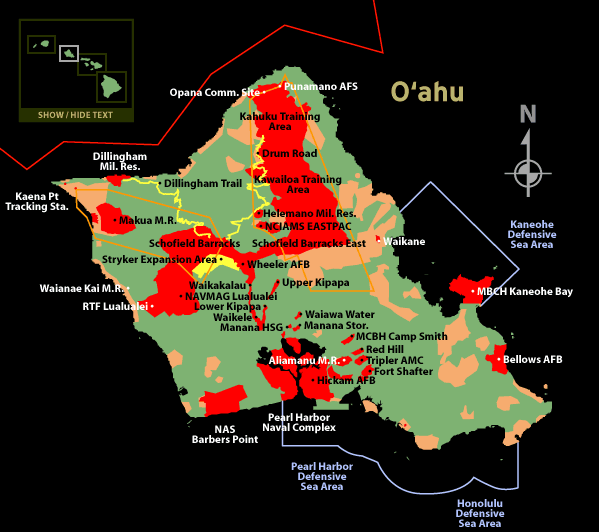
The military bases in Hawaii are more than just clusters of barracks and airfields; they are integral parts of the island’s landscape that tell a story of global conflict, technological advancement, and cultural fusion. The presence of these installations has led to the preservation of vast tracts of land, such as the National Memorial Cemetery of the Pacific. Located within the Punchbowl Crater in Honolulu, this cemetery is a masterpiece of landscape architecture and serves as a final resting place for thousands of veterans.
The architecture found within these bases—ranging from the early 20th-century bungalows of Fort Shafter to the modern hangars of Joint Base Pearl Harbor-Hickam—provides a visual history of American military presence in the Pacific. These sites are often protected by federal laws, ensuring that the historical integrity of the landmarks remains intact for future generations.
Furthermore, the interaction between the military and the natural environment of Hawaii has created unique landmarks such as the Diamond Head State Monument. While now a popular hiking destination, Diamond Head was once a critical part of the Fort Ruger coastal defense system. The tunnels and bunkers built into the side of the crater are enduring reminders of the island’s defensive past.
In conclusion, the military bases in Hawaii represent a complex and multifaceted layer of the islands’ identity. Whether it is the somber beauty of the USS Arizona Memorial, the pink towers of Tripler Army Medical Center, or the high-tech sensors at Barking Sands, these installations are fundamental landmarks. They define the skyline of Honolulu, protect the natural beauty of the Mokapu Peninsula, and stand as a testament to the enduring strategic importance of the Aloha State. For anyone interested in the history and architecture of the United States, the military bases of Hawaii offer a rich and compelling narrative of service, sacrifice, and strength.
LifeOutOfTheBox is a participant in the Amazon Services LLC Associates Program, an affiliate advertising program designed to provide a means for sites to earn advertising fees by advertising and linking to Amazon.com. Amazon, the Amazon logo, AmazonSupply, and the AmazonSupply logo are trademarks of Amazon.com, Inc. or its affiliates. As an Amazon Associate we earn affiliate commissions from qualifying purchases.