
The Golden State, a beacon of sunshine, innovation, and unparalleled natural beauty, is also a state that grapples with the evolving economic landscape. For many, understanding the financial underpinnings of life in California is crucial, and at the forefront of this understanding is the minimum wage. This article delves into what the minimum wage in California is, how it functions, and its implications, especially within the context of travel, tourism, and the hospitality industry that defines so much of the Californian experience.
While the initial title might seem purely economic, the reality is that the minimum wage in California directly impacts the affordability of vacations, the quality of service at your resort or hotel, and the overall lifestyle choices available to residents and visitors alike. From the bustling streets of Los Angeles to the scenic coastal highways and the charming vineyards of Napa Valley, the economic currents ripple through every facet of the Californian experience.

California’s Minimum Wage: A Dynamic Landscape
California has long been at the forefront of advocating for higher minimum wages, often exceeding the federal minimum. This proactive approach is rooted in the state’s notoriously high cost of living, particularly in major metropolitan areas like San Francisco and San Diego. The minimum wage in California is not a static figure; it is subject to annual adjustments. These adjustments are typically tied to inflation, ensuring that the purchasing power of minimum wage workers keeps pace with the rising costs of essential goods and services.
The Current Minimum Wage Rate
As of January 1, 2024, the minimum wage in California stands at $16.00 per hour for all employers, regardless of size. This marked a significant increase from previous years and reflects a commitment by the state to provide a livable wage for its workforce. This statewide rate applies to most employees, but it’s crucial to note that some cities and counties within California have established their own higher minimum wage ordinances. This creates a tiered system where the highest applicable minimum wage prevails.
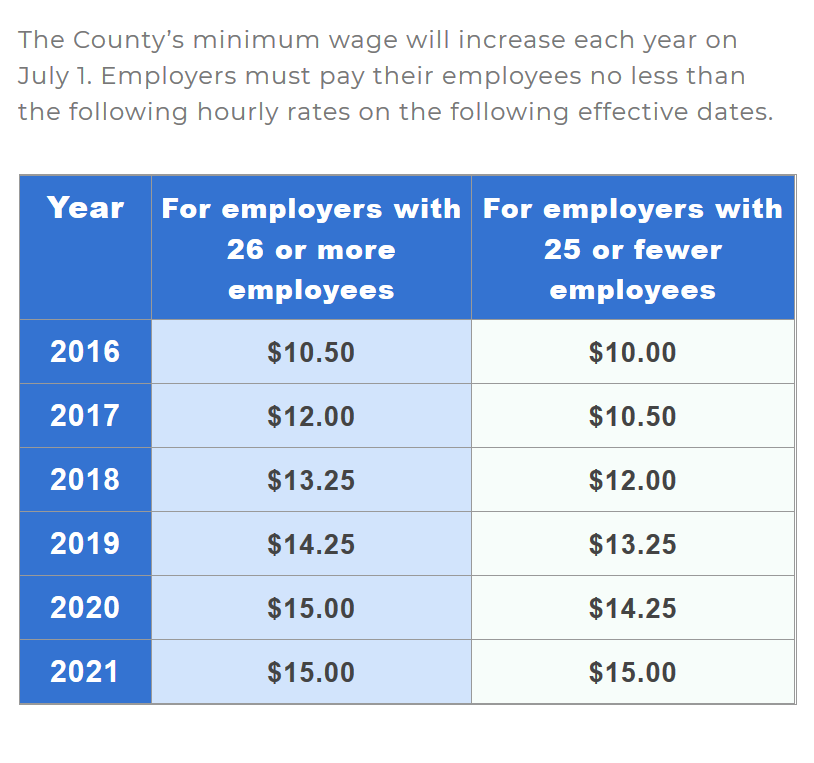
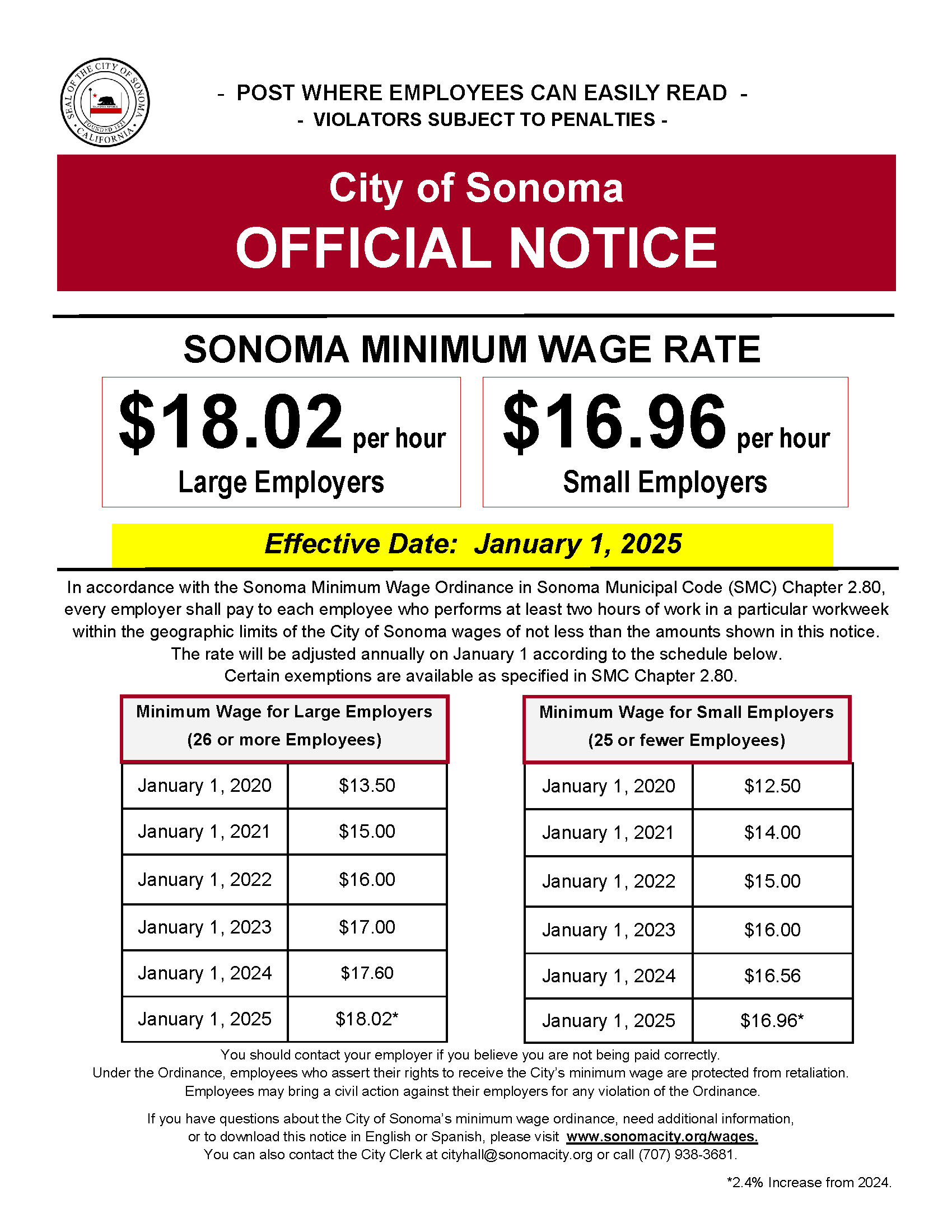
For instance, cities like Berkeley, Oakland, and San Jose often have minimum wages that surpass the state’s mandate. These local ordinances are a response to the unique economic conditions and cost of living pressures within those specific communities. Travelers planning trips to these areas should be aware that the cost of services, from dining at a local restaurant to staying at a boutique hotel, might be indirectly influenced by these higher labor costs.
Understanding Scheduled Increases
California has a legislative framework that anticipates future increases. While the $16.00 per hour rate is the current standard, there are provisions for scheduled increases in the coming years, often linked to economic indicators. This forward-looking policy aims to provide predictability for businesses and a continued path towards a living wage for workers. Employers are expected to stay updated on these scheduled adjustments to ensure compliance and to factor them into their operational budgets.
The rationale behind these planned increases is multifaceted. It aims to combat poverty, reduce income inequality, and stimulate the local economy by putting more money into the hands of consumers. For the tourism sector, this can translate into a more robust local customer base and, conversely, a potentially higher operational cost for businesses. However, proponents argue that a well-compensated workforce leads to better service, reduced employee turnover, and a more positive customer experience, which can ultimately benefit the travel and tourism industries.
Impact on Tourism and Accommodation
The minimum wage in California is intrinsically linked to the vibrant tourism sector that draws millions of visitors annually to its diverse attractions. From world-renowned theme parks like Disneyland and Universal Studios Hollywood to the natural wonders of Yosemite National Park and the urban allure of San Francisco, the service industry plays a pivotal role in shaping the visitor experience.
Pricing and Affordability of Travel
For travelers, the minimum wage can subtly influence the overall cost of their trip. While airfare and attraction tickets are often subject to global market forces, the prices of hotels, restaurants, and local tours can be affected by labor costs. Businesses in the hospitality sector must balance competitive pricing with the necessity of providing fair wages to their employees.
This means that a stay at a luxury resort in Beverly Hills might reflect higher operational costs, including labor, compared to a similar establishment in a region with a lower minimum wage. However, the “value” proposition often extends beyond just price. The quality of service, the attentiveness of staff, and the overall guest experience are deeply intertwined with the well-being and motivation of the workforce, which is directly impacted by fair compensation.
A higher minimum wage can lead to a more professional and dedicated service staff, potentially enhancing the customer experience at hotels, villas, and apartments. This can be particularly noticeable in areas with a high concentration of tourism, such as near Disneyland in Anaheim or along the coast in Santa Monica.
The Role of Accommodation Providers
Accommodation providers, from large hotel chains like Marriott to independent boutique hotels and vacation rental platforms, are directly impacted. They are the employers who must adhere to the minimum wage laws. For those offering amenities and services, like fine dining at a resort restaurant or personalized concierge services, the cost of employing skilled staff is a significant factor in their pricing strategies.
The debate often arises regarding whether businesses can absorb these increased labor costs or if they will inevitably be passed on to consumers through higher prices. In many cases, it’s a combination of both, along with efforts to improve operational efficiency and leverage technology. For travelers looking for budget-friendly options, understanding that certain destinations or types of accommodation might carry higher price tags due to labor costs can help in planning their budget travel strategies.
Furthermore, the minimum wage can influence the types of jobs created within the hospitality sector. A higher wage floor may encourage businesses to invest in training and development, leading to more specialized roles rather than a proliferation of low-skill positions. This can contribute to a more professionalized workforce, enhancing the overall quality of tourism experiences.
Navigating California’s Economic Ecosystem
The minimum wage in California is more than just a number; it’s a policy that reflects the state’s values and its approach to economic fairness. It touches upon the lifestyle of its residents and shapes the economic realities for businesses, including those that cater to the millions who visit its shores each year.
Local Ordinances and Their Influence
As mentioned, local minimum wage ordinances are a critical component of California’s wage landscape. Cities like Pasadena, Long Beach, and Sacramento have their own regulations that may exceed the state minimum. This creates a patchwork of wage laws that employers operating in multiple jurisdictions must navigate.
For travelers, this might mean subtle differences in the cost of services depending on which city or county they are visiting. While the difference might be negligible for a short stay, for those planning extended trips or making complex travel arrangements involving multiple locations, it’s a factor worth considering. It also highlights the diverse economic conditions within California, where the cost of living and the dynamics of the labor market can vary significantly.
Implications for Businesses and Employees
The impact on businesses is profound. For small businesses, particularly those in the service industry, the increased labor costs can be challenging. They may need to adjust their business models, seek efficiencies, or potentially increase prices to remain profitable. This is a delicate balancing act, as excessively high prices can deter customers, impacting revenue and potentially leading to fewer jobs.
Conversely, for employees, a higher minimum wage offers the potential for a better quality of life. It can help workers afford housing, healthcare, and other necessities, reducing reliance on public assistance and contributing to a more stable and engaged workforce. This can lead to lower employee turnover rates, reduced recruitment and training costs for employers, and a more experienced and customer-focused staff. In the tourism sector, this translates to better service at hotels, more knowledgeable guides for tours, and a more welcoming atmosphere at attractions.
The discussion around minimum wage in California is ongoing, with proponents and opponents offering valid perspectives. However, the trend clearly indicates a commitment to increasing the minimum wage over time, aiming to strike a balance between economic growth, business viability, and the well-being of the workforce that underpins so much of the state’s appeal as a destination for travel, leisure, and exploration. Understanding this economic foundation provides a richer context for appreciating the full Californian experience, from its iconic landmarks to its vibrant local culture.
LifeOutOfTheBox is a participant in the Amazon Services LLC Associates Program, an affiliate advertising program designed to provide a means for sites to earn advertising fees by advertising and linking to Amazon.com. Amazon, the Amazon logo, AmazonSupply, and the AmazonSupply logo are trademarks of Amazon.com, Inc. or its affiliates. As an Amazon Associate we earn affiliate commissions from qualifying purchases.