
When travelers venture into the rugged, high-desert landscapes of South Central Idaho, they are often searching for the dramatic geological wonders that define the region. The primary monument standing as a testament to the Earth’s volatile history in this area is the Craters of the Moon National Monument and Preserve. Spanning over 750,000 acres, this extraordinary expanse of lava flows, cinder cones, and sagebrush steppe offers a surreal experience that feels more like a lunar landing than a terrestrial journey.
The Geological Significance of the Craters of the Moon
The landscape of Craters of the Moon National Monument and Preserve was forged by volcanic activity spanning millions of years. This region is part of the Eastern Snake River Plain, a massive volcanic province that has been shaped by the North American Plate moving over the Yellowstone Hotspot.
A Landscape Frozen in Time
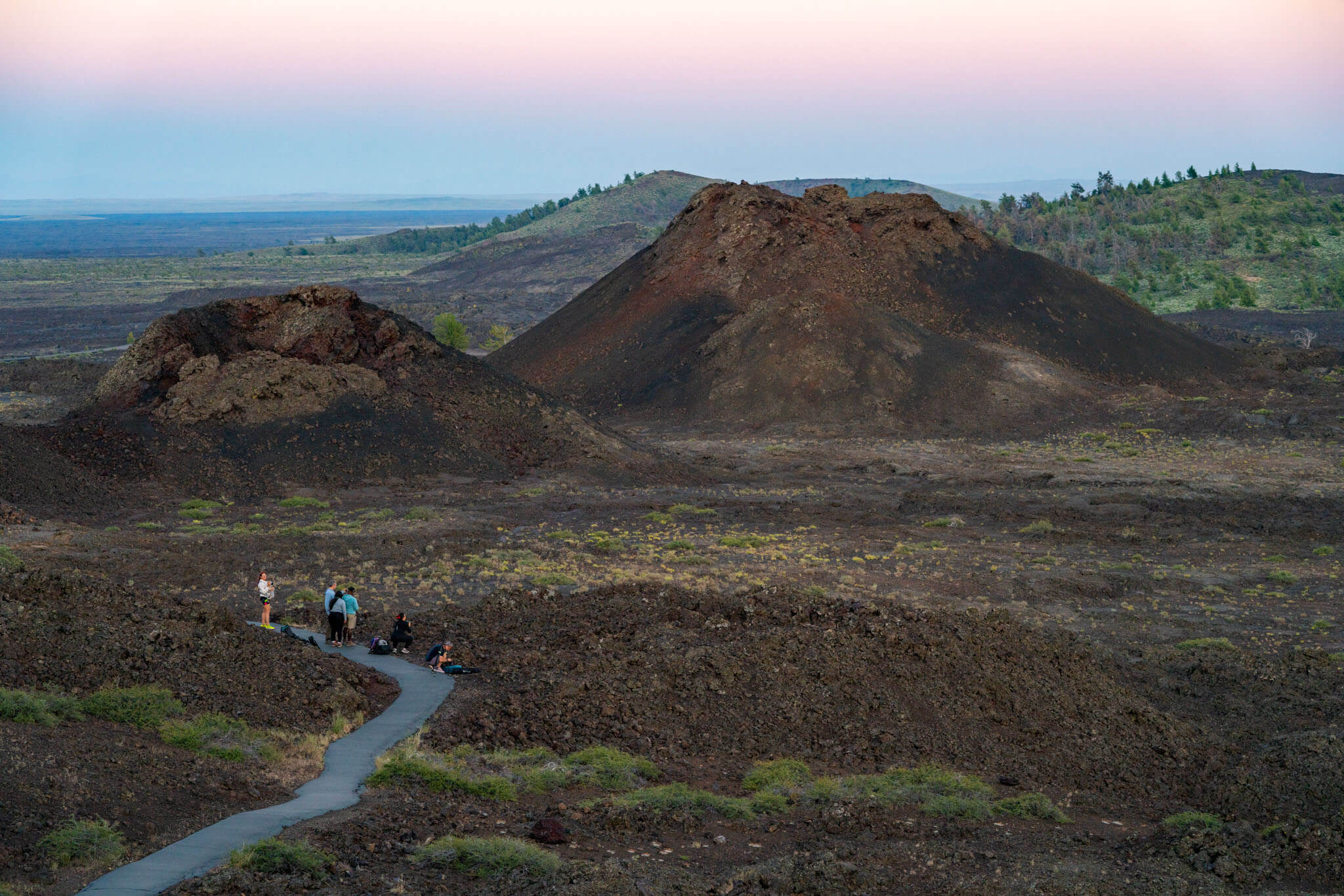
The unique aspect of this monument is the sheer freshness of the volcanic features. While the oldest flows date back millions of years, the youngest flows are only about 2,000 years old. This relative youth means that the jagged, obsidian-like basalt rock formations remain largely untouched by the erosive forces of time. Visitors trekking through the Inferno Cone or walking across the Blue Dragon Flows are witnessing a landscape that looks exactly as it did when the final eruptions settled.
The Complexity of Lava Tubes and Caves
Beneath the surface of this desolate-looking terrain lies a hidden world. The monument is famous for its intricate system of lava tubes. These are subterranean passages formed when the outer surface of a lava flow cooled into a solid crust while the molten interior continued to drain away. Visitors equipped with sturdy boots and headlamps can explore sections like Indian Tunnel or Dewdrop Cave, gaining a visceral understanding of the underground fire that once roared through Idaho.
Experiencing the Monument: A Guide for Explorers
Visiting this monument requires more than just a quick drive; it demands an appreciation for the stark beauty of the high desert. Whether you are a casual photographer or a seasoned hiker, the infrastructure provided by the National Park Service ensures a safe and immersive experience.
Must-Visit Trails and Viewpoints
The 7-Mile Loop Road serves as the main artery for the park, offering access to several key sites.
- Inferno Cone: A steep, short climb provides panoramic views of the entire volcanic field.
- Tree Molds Trail: Here, visitors can see where ancient forests were engulfed by lava, leaving behind hollow, charred impressions of long-gone trees.
- Snow Cone: This site offers a glimpse into the diverse mineral coloring of volcanic debris.
Safety and Conservation
Because the volcanic rock is incredibly sharp and the climate in the United States desert is prone to extreme temperature swings, safety is paramount. The National Park Service emphasizes “Leave No Trace” principles. The delicate ecosystems, including the high-desert flora and the small mammals that survive among the rocks, are sensitive to human presence. Always carry extra water, wear durable hiking gear, and remain on marked trails to protect the fragile crust of the lava flows.
Beyond the Volcanic Fields: The Wider Region
While Craters of the Moon National Monument and Preserve is the crown jewel of the area, South Central Idaho is brimming with other landmarks that tell the story of the American West. The region is a convergence point for history, geology, and outdoor adventure.
Minidoka National Historic Site
Not far from the volcanic craters, visitors can explore the Minidoka National Historic Site. This monument serves as a sobering memorial to the Japanese Americans who were interned there during World War II. It provides a profound contrast to the natural wonders nearby, reminding visitors of the complex human history woven into the fabric of the landscape.
Shoshone Falls
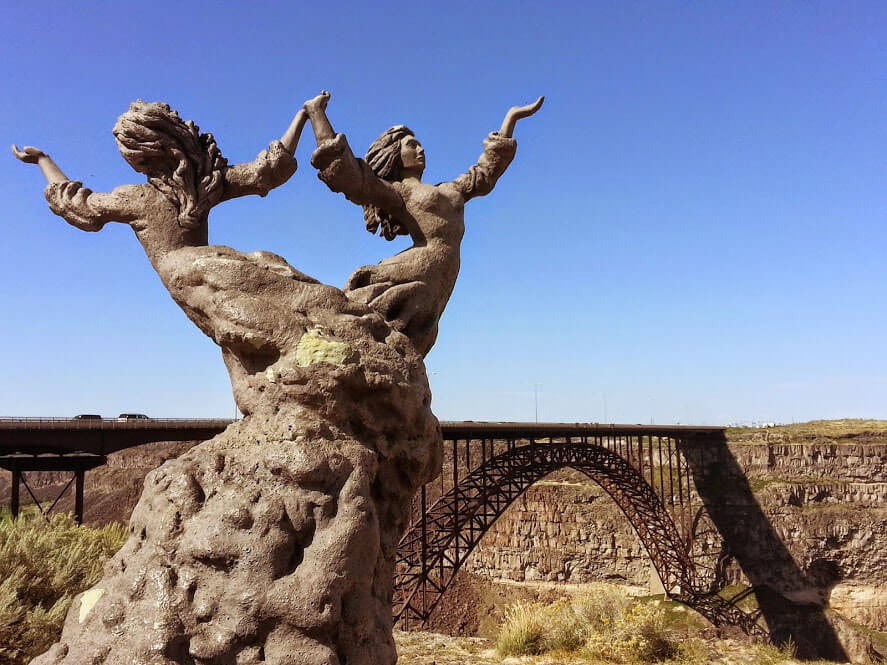
Often referred to as the “Niagara of the West,” Shoshone Falls on the Snake River is another unmissable landmark in the region. The power of the water cascading over the basalt cliffs creates a visual spectacle that rivals major global landmarks. It serves as a reminder of how the Snake River sculpted the very ground upon which the nearby lava fields were deposited.
Hagerman Fossil Beds National Monument
Deepening the historical timeline of the region, the Hagerman Fossil Beds National Monument holds one of the most significant late Pliocene-era fossil collections in the world. Famous for the discovery of the Hagerman Horse, this site bridges the gap between the geological forces of the craters and the biological history of the planet.
Planning Your Trip to South Central Idaho
To truly appreciate these landmarks, travelers should consider the seasonality of the region. The high desert experiences scorching summers and very cold, snowy winters. The most comfortable times to explore the Craters of the Moon National Monument and Preserve are late spring or early autumn, when the weather is mild enough to allow for extended hiking and cave exploration.
Gateway Cities and Logistics
Most travelers access this region via the city of Twin Falls or Idaho Falls. These cities offer the necessary amenities, including supplies, lodging, and local tour guidance. From these hubs, the drive to the main monument is relatively straightforward, traversing the scenic highways that cut through the vast, open spaces of the high desert.
A Journey of Perspective
Exploring South Central Idaho is a lesson in perspective. From the fiery, ancient eruptions that birthed the Craters of the Moon National Monument and Preserve to the rushing waters of the Snake River and the poignant historical markers like the Minidoka National Historic Site, the region offers a rich tapestry of experiences. It is a place that demands time—time to look closely at the basalt, time to walk through the subterranean caves, and time to reflect on the forces that continue to shape this corner of the North American continent. Whether you are a scientist at heart, an adventurer, or a history enthusiast, this area serves as a stark, beautiful reminder of the raw power and enduring memory of the land.
LifeOutOfTheBox is a participant in the Amazon Services LLC Associates Program, an affiliate advertising program designed to provide a means for sites to earn advertising fees by advertising and linking to Amazon.com. Amazon, the Amazon logo, AmazonSupply, and the AmazonSupply logo are trademarks of Amazon.com, Inc. or its affiliates. As an Amazon Associate we earn affiliate commissions from qualifying purchases.