
Montana, often heralded as the “Big Sky Country,” is a state defined by its majestic mountain ranges. These towering peaks are not just geological formations; they are the very soul of Montana, shaping its identity, its landscapes, and the experiences available to those who venture within its borders. From the rugged beauty of the Rockies to the more rolling, yet still significant, uplands, Montana offers a diverse tapestry of mountainous terrain, each with its unique character and allure. Understanding which mountains grace Montana is key to unlocking the full potential of this incredible state, whether you’re an avid hiker, a wildlife enthusiast, or simply someone seeking awe-inspiring vistas.

The Crown Jewel: The Rocky Mountains
The most prominent and arguably the most iconic mountain range in Montana is the Rocky Mountains. This vast system stretches across much of the western United States and Canada, and Montana boasts some of its most spectacular segments. Within this colossal range, several distinct sub-ranges carve out the state’s dramatic western profile, offering unparalleled opportunities for exploration and adventure.
Glacier National Park: A Symphony of Peaks and Ice
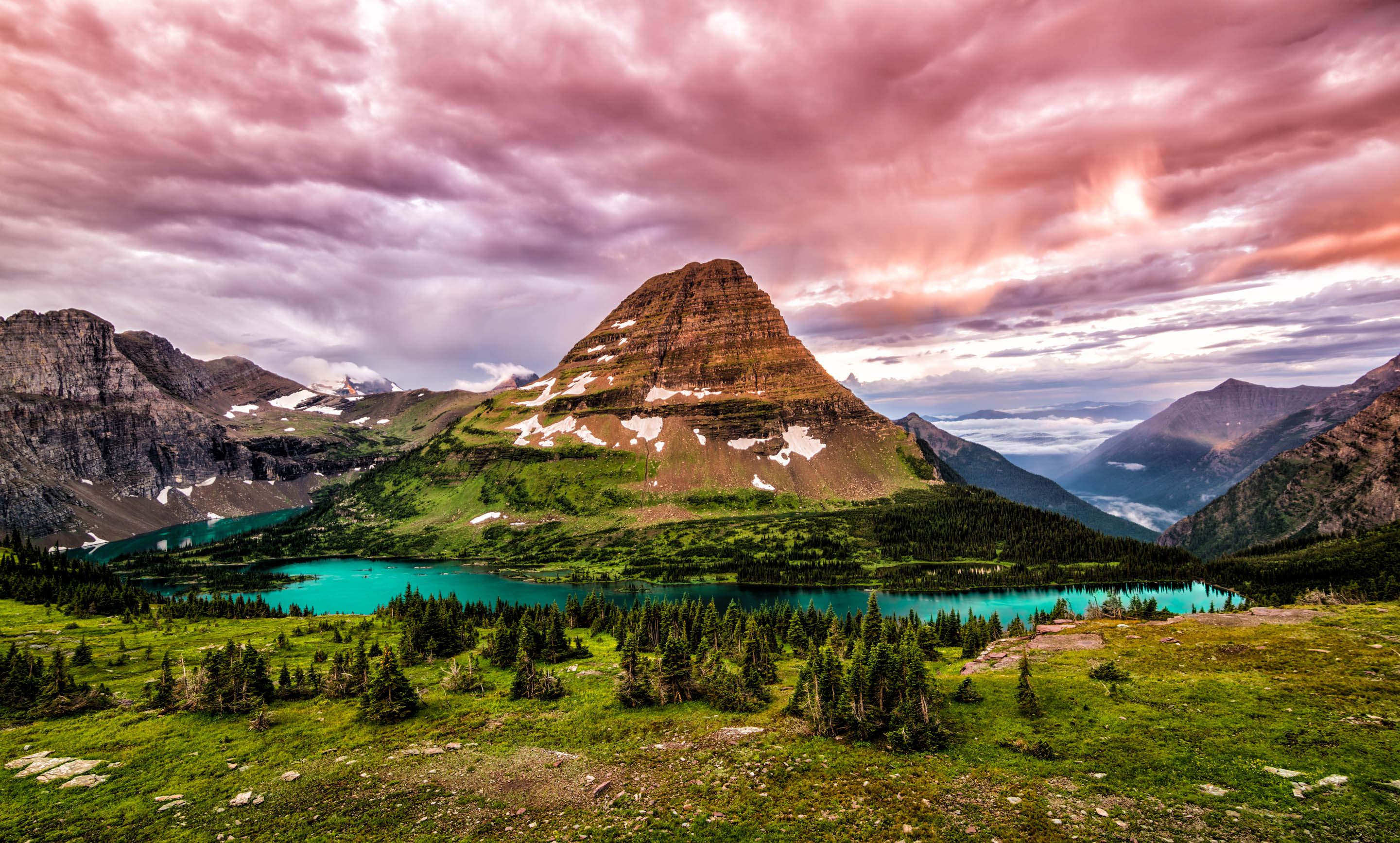
Perhaps the most famous mountain destination in Montana, and indeed the nation, is Glacier National Park. This UNESCO World Heritage site is a testament to the raw power of glaciation, featuring sharp, jagged peaks, pristine alpine lakes, and the remnants of ancient glaciers. The Livingston Range and the Lewis Range are the principal mountain systems within the park, characterized by their dramatic elevation changes and breathtaking scenery.
- The Garden Wall: A prominent ridge within the park, offering challenging hikes and unparalleled panoramic views.
- Mount Logan: One of the highest peaks in the park, a formidable challenge for experienced mountaineers.
- Lake McDonald Valley: While not a peak itself, this valley offers stunning views of the surrounding mountains, including the majestic Mount Reynolds.
The Going-to-the-Sun Road is an engineering marvel that winds through the heart of Glacier National Park, providing accessible viewpoints of these magnificent mountains. This scenic byway is a gateway to numerous hiking trails, from gentle strolls to strenuous ascents, allowing visitors to immerse themselves in the mountain environment. The sheer scale and grandeur of the peaks here are humbling, a constant reminder of nature’s artistic prowess.
The Northern Rockies: A Rugged Frontier
Beyond the immediate confines of Glacier National Park, the Northern Rockies continue to define much of western Montana. This region is characterized by its wildness and remoteness, offering a true frontier experience for those seeking solitude and adventure.
- Bob Marshall Wilderness: One of the largest roadless areas in the contiguous United States, this wilderness area is home to the Flathead Range and the Mission Range, offering extensive backcountry opportunities for experienced hikers and backpackers.
- Sawtooth Range: Known for its sharp, jagged peaks, this range offers challenging climbs and stunning alpine scenery, often less crowded than areas within the national parks.
These mountains are not just visually striking; they are vital ecosystems supporting diverse wildlife, including grizzly bears, elk, and mountain goats. Exploring these ranges requires preparation and respect for the wild, but the rewards are immeasurable – a profound connection with nature in its most untamed form.
Beyond the Rockies: Other Significant Mountainous Regions
While the Rocky Mountains dominate the western skyline of Montana, the state’s mountainous character extends to other regions, each contributing to its diverse topography and recreational offerings. These ranges, while perhaps less dramatic in elevation than their western counterparts, possess their own unique beauty and offer distinct experiences.
The Absaroka-Beartooth Wilderness: Montana’s Highest Peaks
Located in south-central Montana, straddling the border with Wyoming, the Absaroka-Beartooth Wilderness is home to Montana’s highest peaks. This vast wilderness area is a paradise for those seeking high-alpine environments, with rugged terrain, glaciers, and alpine lakes.
- Granite Peak: At 12,799 feet, this is the highest point in Montana and a significant challenge for serious climbers.
- The Beartooth Mountains: This sub-range is renowned for its dramatic glacial features, including the Beartooth Plateau, which is one of the largest high-altitude plateaus in North America.
The Beartooth Highway, a stunning scenic byway, offers incredible views of this mountain range, making its dramatic landscapes accessible to a wider audience. The stark beauty of these mountains, with their windswept plains and sharp, rocky summits, provides a different yet equally compelling mountain experience compared to the western ranges.
The Big Belt Mountains and the High Plains Transition
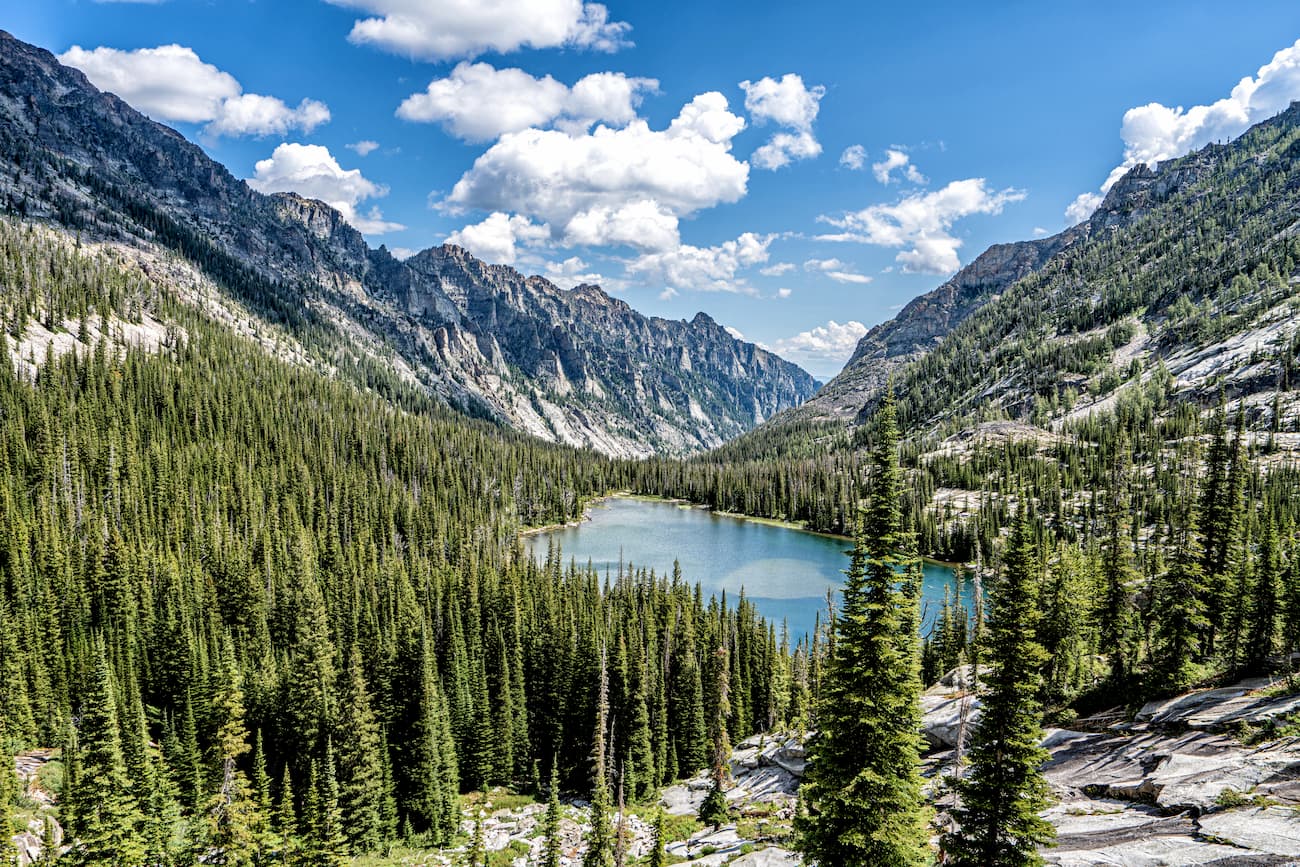
Moving eastward, the mountainous terrain gradually transitions. The Big Belt Mountains, located in central Montana, represent a significant range that bridges the gap between the rugged western ranges and the vast plains. While not as towering as the Rockies, these mountains offer rolling hills, deep canyons, and a rich history.
- Alice Creek Area: Known for its geological significance and scenic beauty, offering opportunities for hiking and exploring the unique geological formations.
- Missouri River Breaks: While not strictly mountains, the dramatic breaks carved by the Missouri River showcase the erosional power of water on sedimentary rock, creating rugged, canyon-like landscapes that echo mountainous grandeur.
These ranges provide a different perspective on Montana’s mountainous soul, showcasing the gradual interplay between uplift and erosion that has shaped the state’s diverse geography. They offer a more accessible yet still substantial mountain experience, perfect for those who appreciate a less extreme but equally captivating landscape.
The Experiential Heart of Montana’s Mountains
Montana’s mountains are more than just scenery; they are the active heart of the state’s appeal. The experiences they offer are as varied as the peaks themselves, drawing visitors from around the globe to connect with nature and embrace adventure.
Hiking and Backpacking: Trails for Every Aspiration
The sheer abundance of mountainous terrain translates into an incredible network of trails. From leisurely strolls around crystal-clear alpine lakes to multi-day treks through remote wilderness, Montana’s mountains cater to all levels of hikers.
- Alpine Lakes: Numerous lakes are nestled within the mountain basins, offering stunning reflections of the surrounding peaks and ideal spots for picnics or contemplative breaks.
- Summit Climbs: For the truly adventurous, numerous peaks offer challenging ascents, rewarding climbers with unparalleled panoramic views of the vast Montana landscape.
The Continental Divide Trail traverses some of the most spectacular mountain scenery in Montana, offering thru-hikers and section hikers an unforgettable journey along the spine of the continent.
Wildlife Viewing: Encounters in the High Country
Montana’s mountains are a critical habitat for a wide array of wildlife. Observing these creatures in their natural mountain environment is a profound experience, a glimpse into the wild heart of the state.
- Elk and Deer: Commonly spotted grazing in mountain meadows or along forested slopes.
- Bighorn Sheep and Mountain Goats: These agile climbers are often seen navigating steep cliffs and rocky outcrops.
- Grizzly Bears and Black Bears: While sightings are not guaranteed and require caution, the mountains are their primary domain.
Responsible wildlife viewing practices are paramount, ensuring the safety of both visitors and animals. Using binoculars from a safe distance and never feeding wildlife are essential for preserving these natural encounters.
Winter Sports and Activities: A Snowy Wonderland
When winter blankets the mountains in snow, Montana transforms into a premier destination for winter sports enthusiasts. The high elevations and abundant snowfall create ideal conditions for skiing, snowboarding, and other snow-based activities.
- Big Sky Resort: One of the largest ski resorts in the United States, offering vast terrain and breathtaking views from its high-altitude slopes.
- Whitefish Mountain Resort: Known for its challenging terrain and excellent powder, with stunning views overlooking Flathead Lake.
Beyond downhill skiing, opportunities abound for cross-country skiing, snowshoeing, and backcountry touring, allowing for deeper immersion in the serene, snow-covered mountain landscapes.
Montana’s mountains are an enduring legacy, a constant invitation to explore, to be awed, and to connect with the wild. From the dramatic heights of the Rockies to the rolling beauty of its eastern ranges, the mountainous heart of Big Sky Country offers an experience that is as profound as it is picturesque.
LifeOutOfTheBox is a participant in the Amazon Services LLC Associates Program, an affiliate advertising program designed to provide a means for sites to earn advertising fees by advertising and linking to Amazon.com. Amazon, the Amazon logo, AmazonSupply, and the AmazonSupply logo are trademarks of Amazon.com, Inc. or its affiliates. As an Amazon Associate we earn affiliate commissions from qualifying purchases.