
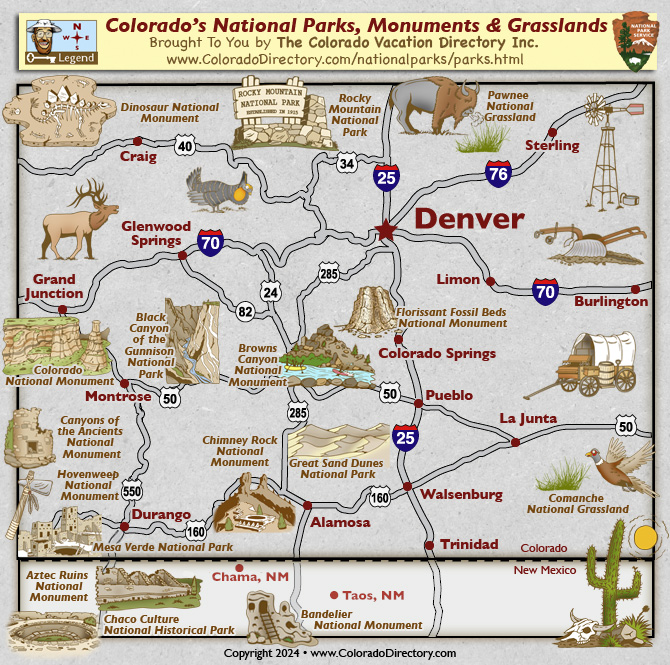
Colorado, a state renowned for its breathtaking natural beauty and rugged Rocky Mountains, is a paradise for adventurers and nature lovers alike. Within its diverse landscapes, from towering peaks to ancient canyons and vast sand dunes, lie four magnificent National Parks, each offering a unique window into the natural and cultural heritage of the American West. For anyone planning a journey into the heart of the wilderness, understanding “What National Parks Are In Colorado?” is the first step towards an unforgettable travel experience.
Our exploration will not only unveil these remarkable natural landmarks but also delve into how to make the most of your visit, covering everything from optimal travel times and must-do activities to diverse accommodation options and tips for enriching your tourism experience. Whether you’re a seasoned hiker, a history buff, or simply seeking serene landscapes, Colorado’s National Parks promise a profound connection with nature and a wealth of experiences for every type of traveler. This guide aims to be your comprehensive resource for planning an adventure that seamlessly blends the majesty of the outdoors with comfortable and convenient travel.
Unveiling Colorado’s Crown Jewels: A Look at Each National Park
Colorado’s National Parks are not just destinations; they are immersive experiences that invite you to explore, learn, and be inspired. Each park stands as a testament to the power and beauty of the natural world, offering distinct attractions and adventures. From high alpine tundra to ancient cliff dwellings, these parks showcase the incredible diversity that defines the Centennial State.
Rocky Mountain National Park: Alpine Majesty and Wildlife Encounters
Widely regarded as the jewel in Colorado’s crown, Rocky Mountain National Park is an iconic destination that captivates visitors with its dramatic mountain scenery, abundant wildlife, and over 300 miles of hiking trails. Spanning the Continental Divide, the park features an incredible array of ecosystems, from lush forests and alpine lakes to vast tundra above the tree line. The park’s highest peak, Longs Peak, rises majestically to 14,259 feet, drawing experienced mountaineers.
Travelers can embark on the famous Trail Ridge Road, the highest continuous paved road in North America, which offers breathtaking panoramic views as it winds through alpine tundra, often above 12,000 feet. This scenic drive, typically open from late May to mid-October, is an attraction in itself, providing unparalleled access to the park’s elevated grandeur. Along the way, keep an eye out for elk, bighorn sheep, and marmots – wildlife viewing is a highlight for many visitors.
For those seeking more active experiences, hiking opportunities abound. Popular trails range from easy strolls around Sprague Lake to strenuous climbs to Emerald Lake or the summit of Longs Peak. Winter transforms the park into a snowy wonderland, ideal for snowshoeing and cross-country skiing.
Accommodation for Rocky Mountain National Park is primarily found in the charming gateway towns of Estes Park on the east side and Grand Lake on the west. Estes Park offers a wide array of hotels, resorts, suites, and cabins, ranging from luxurious stays to budget-friendly options. Many properties boast amenities like hot tubs, fine dining, and stunning mountain views. Grand Lake, a smaller and more laid-back community, provides a tranquil base with access to the largest natural lake in Colorado. Both towns offer excellent dining options, local shops, and outdoor gear rentals, ensuring visitors have everything they need for a comfortable and adventurous stay. Camping within the park is also a popular option, with several campgrounds offering different experiences, from RV-friendly sites to more primitive tent camping. Due to high demand, reservations for both campsites and timed-entry permits (during peak season) are highly recommended, often months in advance.
Mesa Verde National Park: A Journey Through Ancient History
In stark contrast to the alpine landscapes of the Rockies, Mesa Verde National Park, located in southwestern Colorado, takes visitors on an extraordinary journey back in time. This UNESCO World Heritage Site is dedicated to preserving the rich cultural heritage of the Ancestral Puebloans who inhabited the area for over 700 years, from 600 to 1300 CE. It is famous for its exceptionally well-preserved cliff dwellings, intricate stone structures built into the alcoves of canyon walls.
The park offers an unparalleled opportunity to explore over 5,000 known archaeological sites, including 600 cliff dwellings. The most iconic of these are Cliff Palace, Balcony House, and Spruce Tree House. Access to many of these sites is through ranger-guided tours, which provide fascinating insights into the lives, customs, and architectural ingenuity of the Ancestral Puebloans. Visitors can climb ladders, crawl through tunnels, and walk through rooms that have stood for centuries, making for a truly immersive and educational experience.
Beyond the cliff dwellings, the park also features mesa top sites, where the Ancestral Puebloans lived and farmed before moving into the cliffs. The Chapin Mesa Archaeological Museum is an excellent starting point, offering exhibits that provide context and historical background to the sites you’ll visit.
The closest towns to Mesa Verde National Park are Cortez and Durango. Cortez, just minutes from the park entrance, offers a range of accommodation options, from chain hotels to local motels and vacation rentals, catering to various budgets. Durango, a vibrant historic town about an hour’s drive away, provides a more extensive selection of hotels, boutique inns, and resorts, alongside a bustling downtown with restaurants, breweries, and unique shops. Many visitors choose to stay in Durango to combine their historical exploration with other regional attractions like the Durango and Silverton Narrow Gauge Railroad. While there is one lodge within the park, Far View Lodge, it typically books up far in advance, emphasizing the need for early planning for in-park stays.
Great Sand Dunes National Park and Preserve: Desert Wonders and Stargazing
Prepare to be awestruck by the surreal landscape of Great Sand Dunes National Park and Preserve, a geological marvel nestled against the backdrop of the towering Sangre de Cristo Mountains. This park is home to the tallest sand dunes in North America, some reaching heights of over 750 feet. The dynamic interplay of wind, sand, and mountains creates a truly unique environment that feels more like a desert in the Sahara than a landscape in Colorado.
The primary activity here is sandboarding or sand sledding down the massive dunes – a thrilling experience for all ages. Visitors can rent specialized equipment in the nearby town of Alamosa or at the park’s visitor center. Beyond the adrenaline rush, the park offers hiking opportunities across the dunes, providing challenging climbs rewarded with expansive views. During late spring and early summer, Medano Creek emerges at the base of the dunes, creating a unique beach-like experience where visitors can splash and play.
Great Sand Dunes is also renowned as an International Dark Sky Park, making it an exceptional destination for stargazing. Far from city lights, the night sky here explodes with millions of stars, the Milky Way, and even meteor showers. Many visitors plan their trip specifically to experience the unparalleled cosmic display.
Accommodation options for Great Sand Dunes National Park are predominantly found in Alamosa, located about 35 miles to the southwest. Alamosa provides a selection of budget-friendly motels, standard hotels, and a few locally owned inns. For a more rustic experience, camping within the park at Piñon Flats Campground is highly popular, offering stunning dune views and convenient access. Backcountry camping in the dune field is also permitted for adventurous souls, requiring a free permit and offering a truly isolated experience under the stars. Given its remote location, options for luxury resorts or suites are limited, making Alamosa the main hub for conventional lodging.
Black Canyon of the Gunnison National Park: Nature’s Deepest Secret
Often overlooked but incredibly dramatic, Black Canyon of the Gunnison National Park is a geological wonder that will leave you speechless. Carved by the Gunnison River over millions of years, this canyon plunges to depths of over 2,700 feet, with sheer, dark, and narrow walls that give it its ominous name. The canyon is so deep and narrow in places that sunlight struggles to reach the bottom, creating a sense of profound mystery and awe.
The park offers two main rim drives: the South Rim, more developed and accessible, and the more rugged North Rim. Each rim provides distinct perspectives and numerous overlooks with breathtaking views into the chasm. Activities include scenic drives, short walks to viewpoints, and more challenging hikes into the inner canyon (which are extremely strenuous and recommended only for experienced hikers). For those seeking unique adventures, rock climbing, kayaking, and fishing in the Gunnison River at the bottom of the canyon are possible, though they require permits and advanced skills.
The feeling of standing on the rim and gazing into the vastness of the Black Canyon is truly humbling, offering a unique contrast to the other national parks in Colorado.
The primary gateway towns for Black Canyon of the Gunnison National Park are Montrose for the South Rim and Crawford for the North Rim. Montrose, a larger city, offers a comprehensive range of hotels, motels, vacation rentals, and apartments, along with diverse dining and shopping options. It serves as a convenient base for exploring the region. Crawford, a smaller community, provides more limited but charming options, including local inns and cabins, appealing to those seeking a quieter, more remote experience. Both rims offer campgrounds within the park, providing an immersive opportunity to stay close to nature and experience the canyon’s profound silence, especially at night. Given the park’s focus on raw natural beauty, luxury resorts are not typical here, but comfortable and convenient accommodation can be easily found in the nearby towns.
Planning Your Colorado National Park Adventure
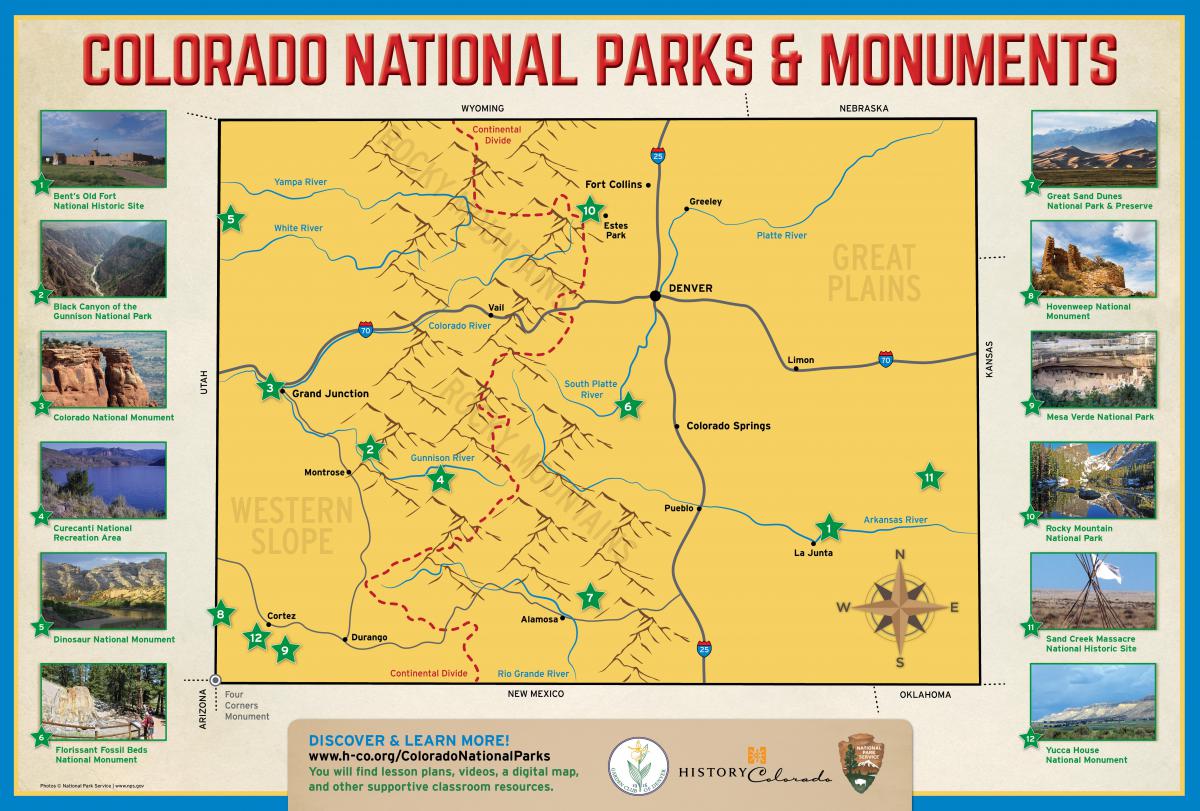
Embarking on a journey to Colorado’s National Parks requires thoughtful planning to ensure a seamless and enriching experience. From timing your visit to selecting the right accommodation and understanding local nuances, preparation is key to unlocking the full potential of these magnificent destinations.
Essential Travel Tips and Preparation
Best Time to Visit: The optimal time to visit Colorado’s National Parks largely depends on the experience you seek.
- Summer (June-August): Offers the warmest weather and full access to all park roads and trails, but also the largest crowds. Reservations for permits, tours, and accommodation are essential.
- Fall (September-October): Features crisp air, fewer crowds, and stunning aspen foliage, especially in Rocky Mountain National Park. Some higher elevation roads may begin to close towards late October.
- Spring (April-May): Witness wildflowers and wildlife emerging, but many high-country roads and trails may still be snow-covered, particularly in Rocky Mountain National Park and Black Canyon of the Gunnison. Mesa Verde and Great Sand Dunes are generally more accessible.
- Winter (November-March): Provides solitude and opportunities for snowshoeing and cross-country skiing, particularly in Rocky Mountain National Park. Park access may be limited, and fewer visitor services are available.
Permits and Reservations: Several parks, especially Rocky Mountain National Park, now require timed-entry permits during peak season to manage visitor flow. Ranger-guided tours at Mesa Verde also require advance booking. Always check the official National Park Service website for the most current information regarding entry requirements and reservation systems.
What to Pack: Colorado’s weather can be unpredictable, especially in the mountains. Layered clothing is crucial, even in summer, as temperatures can vary significantly from day to night or with elevation changes. Essentials include sturdy hiking boots, rain gear, sunscreen, a hat, plenty of water, and snacks. For Great Sand Dunes, consider bringing goggles or sunglasses to protect your eyes from blowing sand.
Altitude Sickness: Many of Colorado’s National Parks, particularly Rocky Mountain National Park and Great Sand Dunes, are at high altitudes. Stay hydrated, avoid strenuous activity on your first day, and be aware of symptoms like headaches, nausea, or dizziness.
Leave No Trace: Practice the seven principles of Leave No Trace to protect these precious natural areas. Pack out everything you pack in, stay on designated trails, respect wildlife, and minimize your impact on the environment.
Accommodation Options for Every Traveler
The range of accommodation options near Colorado’s National Parks is as varied as the landscapes themselves, catering to every lifestyle and budget.
- Hotels and Motels: Available in all gateway towns like Estes Park, Grand Lake, Cortez, Durango, Alamosa, and Montrose. These range from budget-friendly options to more upscale boutique hotels offering modern amenities and convenient access.
- Resorts and Lodges: For those seeking a touch of luxury or a comprehensive experience, resorts and lodges often provide premium suites, fine dining, spas, and organized activities. Estes Park and Durango are prime locations for such offerings.
- Vacation Rentals and Apartments: Ideal for families or longer stays, vacation rentals (cabins, houses, apartments) offer more space, privacy, and kitchen facilities, allowing for a home-away-from-home experience. Websites specializing in long-term stays often list numerous options.
- Camping: For the ultimate immersive nature experience, camping within the parks or at nearby national forest campgrounds is highly recommended. Options include developed front-country campgrounds with basic amenities (restrooms, water) and primitive backcountry sites for wilderness adventurers. Reservations are crucial, especially during peak season.
When considering accommodation, it’s wise to read reviews and use comparison tools to find the best fit for your preferences and budget. Booking well in advance is almost always necessary, especially for popular periods.
Culinary Delights and Local Experiences Near the Parks
Exploring the natural wonders can work up an appetite. Fortunately, the towns surrounding Colorado’s National Parks offer a delightful array of culinary experiences and opportunities to engage with local culture.
- Local Cuisine: Indulge in classic American fare, fresh Colorado beef, locally sourced produce, and craft breweries. Towns like Durango boast a vibrant restaurant scene, while even smaller communities offer charming diners and cafes. Don’t forget to try regional specialties like green chile.
- Food and Drink: Many towns have excellent coffee shops for your morning brew, bakeries for fresh pastries, and microbreweries offering a taste of Colorado’s burgeoning craft beer scene.
- Activities and Tourism Tips: Beyond the parks, engage with local tourism by visiting farmers’ markets, art galleries, and local events. In Durango, consider a ride on the historic Durango and Silverton Narrow Gauge Railroad. In Montrose, explore the local history and outdoor recreation opportunities. These local experiences add depth to your travel, allowing you to connect with the authentic spirit of Colorado.
Beyond the Parks: Extending Your Colorado Journey
While Colorado’s National Parks are undeniably magnificent, the state offers a wealth of other attractions and experiences. Extending your journey beyond the park boundaries can transform a great trip into an epic adventure, blending diverse landscapes and activities into a comprehensive Colorado exploration.
Crafting the Perfect Itinerary: Combining Parks and More
For the ambitious traveler, combining multiple national parks into a single itinerary is a fantastic way to experience the full spectrum of Colorado’s natural beauty. A popular route might involve flying into Denver, exploring Rocky Mountain National Park, then heading south to Great Sand Dunes National Park before venturing west to Black Canyon of the Gunnison and finally Mesa Verde. This type of road trip offers a journey through diverse ecosystems and historical periods.
Beyond the parks, Colorado is home to numerous other attractions and vibrant cities:
- Denver: As the state capital, Denver offers a bustling urban experience with world-class museums, dining, breweries, and a lively arts scene. It’s often the starting or ending point for many Colorado adventures.
- Ski Resorts: During winter, Colorado’s renowned ski resorts like Aspen, Vail, and Breckenridge offer unparalleled skiing and snowboarding. In summer, they transform into hubs for mountain biking, hiking, and scenic gondola rides.
- Scenic Byways: Drive one of Colorado’s 26 Scenic and Historic Byways, such as the San Juan Skyway (near Mesa Verde and Black Canyon) or the Peak to Peak Scenic Byway (near Rocky Mountain National Park), for breathtaking views and access to charming small towns.
- Other Landmarks: Explore Garden of the Gods near Colorado Springs, the historical mining towns, or the vast national forests that offer additional hiking, camping, and outdoor activities.
When planning an extended trip, consider the driving distances between destinations, as Colorado is a large state. Building in rest days or extra nights in towns like Durango or Grand Junction can enhance the experience and allow for deeper exploration of local culture and attractions.

Lifestyle Travel: From Budget Explorers to Luxury Retreats
Colorado’s appeal lies in its ability to cater to diverse travel lifestyles, ensuring that everyone, from the most frugal adventurer to the most discerning luxury seeker, can find their ideal way to experience the state.
- Budget Travel: For those on a tight budget, camping is a fantastic option, offering an affordable way to stay directly amidst nature. Many small towns surrounding the parks also offer inexpensive motels and diners. Packing your own food for picnics and making use of free activities like hiking can significantly cut down costs. Lifestyle choices like car camping or seeking out hostels in larger towns allow for extensive exploration without breaking the bank.
- Family Trips: Colorado’s National Parks are perfect for family vacations, offering educational opportunities, gentle hikes, and ranger programs designed for children. Consider renting a cabin or a vacation home for more space and flexibility. Great Sand Dunes with its sandboarding and Medano Creek is a particular favorite for families. Many resorts and hotels offer family-friendly amenities like pools and kid-friendly dining.
- Luxury Travel: If indulgence is your preference, Colorado doesn’t disappoint. High-end resorts and lodges in towns like Estes Park or Durango offer luxurious suites, gourmet dining, spa services, and concierge-arranged activities like private guided tours or horseback riding. Consider a stay at historic The Stanley Hotel in Estes Park for a blend of history and luxury. Even close to more remote parks, you can find charming upscale inns or vacation villas that provide comfort and sophistication amidst rugged surroundings.
- Business Stays: While primarily recreational, some of Colorado’s larger gateway towns, particularly Denver or Colorado Springs, can serve as bases for “bleisure” trips, combining business with opportunities to explore nearby natural attractions. Hotels and resorts in these areas often have full conference facilities alongside leisure amenities.
Regardless of your preferred travel style, Colorado’s National Parks offer a foundation for incredible experiences that can be tailored to meet your specific needs and desires. The key is thoughtful planning and an open mind to the diverse offerings of this spectacular state.
In conclusion, Colorado’s four National Parks—Rocky Mountain, Mesa Verde, Great Sand Dunes, and Black Canyon of the Gunnison—each present a distinct and awe-inspiring facet of the American wilderness and its ancient history. From the soaring peaks and abundant wildlife of the Rockies to the ancient cliff dwellings of Mesa Verde, the mesmerizing sand dunes, and the profound depths of the Black Canyon, these landmarks are essential stops for any traveler seeking adventure, serenity, or a deeper connection with nature. By considering the practical aspects of travel, accommodation, and local tourism, and by embracing the diverse lifestyles of exploration, you can craft a truly unforgettable journey through the heart of Colorado’s natural heritage.
LifeOutOfTheBox is a participant in the Amazon Services LLC Associates Program, an affiliate advertising program designed to provide a means for sites to earn advertising fees by advertising and linking to Amazon.com. Amazon, the Amazon logo, AmazonSupply, and the AmazonSupply logo are trademarks of Amazon.com, Inc. or its affiliates. As an Amazon Associate we earn affiliate commissions from qualifying purchases.