
Colorado, a state celebrated for its majestic Rocky Mountains and stunning natural beauty, also experiences a range of natural phenomena that can impact visitors and residents alike. Understanding these potential events is crucial for anyone planning a trip or considering a longer stay in the Centennial State. While the allure of skiing in Aspen, hiking in Rocky Mountain National Park, or exploring the vibrant city of Denver is undeniable, preparedness and awareness are key to enjoying Colorado’s wonders safely. This guide delves into the types of natural disasters prevalent in Colorado, offering insights for travelers seeking to make informed decisions about their adventures.
Wildfires: A Persistent Threat
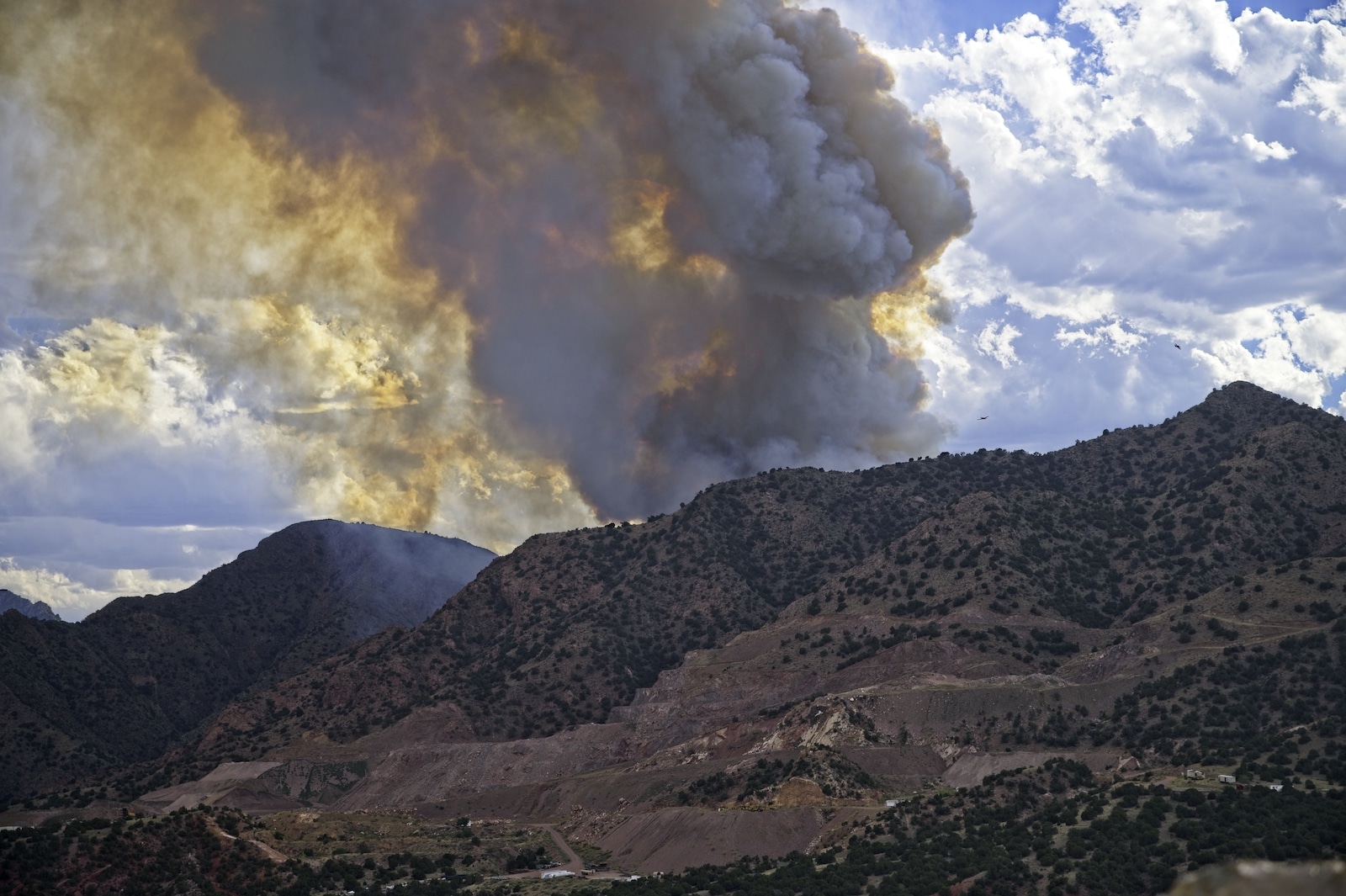
Wildfires are one of the most significant and visible natural disasters in Colorado, particularly during the warmer months. The state’s semi-arid climate, combined with hot temperatures and strong winds, creates ideal conditions for fire ignition and rapid spread. These fires can range from small, manageable incidents to large-scale conflagrations that threaten communities and alter landscapes for years to come.
Causes and Contributing Factors
Colorado’s wildfire season typically runs from late spring through early fall, with the peak often occurring in July and August. The primary causes are a combination of lightning strikes, especially during afternoon thunderstorms, and human activity. Careless actions such as improperly discarded cigarettes, unattended campfires, and sparks from equipment are frequent culprits. Dry vegetation, a result of low precipitation and persistent drought conditions in many areas, acts as fuel, allowing fires to spread with alarming speed. The dense forests, particularly in the western parts of the state, are highly susceptible.
Impact on Travel and Tourism
Wildfires can have a profound impact on travel plans. Smoke from distant fires can blanket entire regions, leading to poor air quality that cancels outdoor activities and affects visibility. National parks, national forests, and other outdoor recreation areas are often closed to the public for safety reasons. This can disrupt hiking, camping, sightseeing, and any other activities that rely on access to natural landscapes. For instance, popular destinations like the Great Sand Dunes National Park and Preserve or areas near ski resorts such as Vail might face closures. Visitors should always check the latest fire status and air quality reports before and during their trip. Websites like InciWeb and local fire department advisories are invaluable resources. The economic impact on towns that rely heavily on tourism, such as Estes Park near Rocky Mountain National Park, can be substantial when wildfire activity deters visitors.
Preparedness and Mitigation
For travelers, preparedness involves staying informed about current fire conditions. This includes checking air quality indexes and official alerts from agencies like the U.S. Forest Service. When visiting areas prone to wildfires, practicing “Red Flag” fire prevention awareness is critical. This means adhering to all fire restrictions, ensuring campfires are completely extinguished, and avoiding activities that could spark a fire. For those staying in accommodations, understanding evacuation routes is also a prudent measure, especially if lodging in or near wildland-urban interface areas.
Severe Thunderstorms and Hail
Colorado’s dramatic topography, characterized by high elevations and proximity to weather fronts, makes it a hotspot for severe thunderstorms. These storms often bring intense lightning, heavy rainfall, and damaging hail, posing risks to both infrastructure and individuals.
Characteristics of Colorado Thunderstorms
The Front Range of the Rockies is particularly known for its powerful afternoon thunderstorms, especially during the summer months. These storms develop rapidly due to the convergence of moist air from the east and the lifting effect of the mountains. Lightning is a common and dangerous byproduct, capable of causing fires, power outages, and direct harm. Heavy rainfall can lead to flash floods, particularly in canyons and urban areas with poor drainage.
Hailstorms: A Frequent Menace
Hailstorms are a frequent and often underestimated hazard in Colorado. The state experiences some of the most severe hailstorms in the United States, with hailstones sometimes reaching the size of golf balls or even baseballs. These storms can cause significant damage to vehicles, homes, and crops. The automotive industry in Colorado, for instance, is well-acquainted with the widespread damage from large hailstones, often leading to claims filed with insurance companies for repairs to windshields and car bodies. Areas along the Front Range, including cities like Denver, Boulder, and Colorado Springs, are particularly vulnerable.
Impact on Travel and Activities
Severe thunderstorms can disrupt outdoor activities, forcing cancellations of hikes, outdoor concerts, and sporting events. Driving during these storms can be hazardous due to reduced visibility, hydroplaning, and the risk of large hail. Hail damage can also affect the condition of rental vehicles, potentially leading to unforeseen costs for travelers. Travelers should always monitor weather forecasts and seek safe shelter when severe weather is imminent. Mountain passes can become particularly dangerous during thunderstorms due to flash flooding and reduced visibility.
Winter Storms and Avalanches
While Colorado is famed for its winter sports, the very conditions that make it an attractive destination for skiing and snowboarding also bring the risk of severe winter storms, including heavy snowfall, blizzards, and dangerous avalanche conditions.
Snowfall and Blizzards
Colorado experiences substantial snowfall, particularly in its mountainous regions, from late fall through spring. While this provides the base for world-class ski resorts like Breckenridge and Aspen Snowmass, it can also lead to travel disruptions. Heavy snow and blizzard conditions can close roads, including major interstates like I-70, isolating mountain communities and delaying travel. Visitors should always check road conditions before setting out, especially during winter months. Websites like the Colorado Department of Transportation (CDOT) provide real-time updates on road closures and travel advisories.
Avalanche Dangers
The steep mountain terrain and heavy snowfall create a significant risk of avalanches in backcountry areas. Avalanches are sudden, rapid flows of snow down a slope and can be triggered by natural events or human activity. For backcountry skiers, snowboarders, and snowshoers, understanding avalanche safety is paramount. The Colorado Avalanche Information Center (CAIC) provides daily forecasts and safety information, essential for anyone venturing into the backcountry. Ignoring avalanche warnings can have tragic consequences. Even in resort areas, while designated slopes are generally managed for safety, off-piste exploration carries inherent risks.
Impact on Travel and Safety
Winter storms can significantly impact travel, leading to flight delays and cancellations at airports like Denver International Airport (DIA). Road closures can trap travelers or force extensive detours. For those planning to drive, ensuring their vehicle is equipped for winter conditions (e.g., snow tires, chains if required) is essential. Avalanche risk directly affects backcountry enthusiasts. It is crucial to be aware of avalanche forecasts, travel in groups, carry proper safety equipment (transceiver, probe, shovel), and have avalanche education if venturing into avalanche terrain. Even for those staying at resorts, staying informed about conditions can enhance safety and enjoyment.
Flooding and Flash Floods
While not as prevalent as wildfires or snowstorms, flooding and flash floods can occur in Colorado, often as a result of severe thunderstorms or rapid snowmelt.
Causes of Flooding
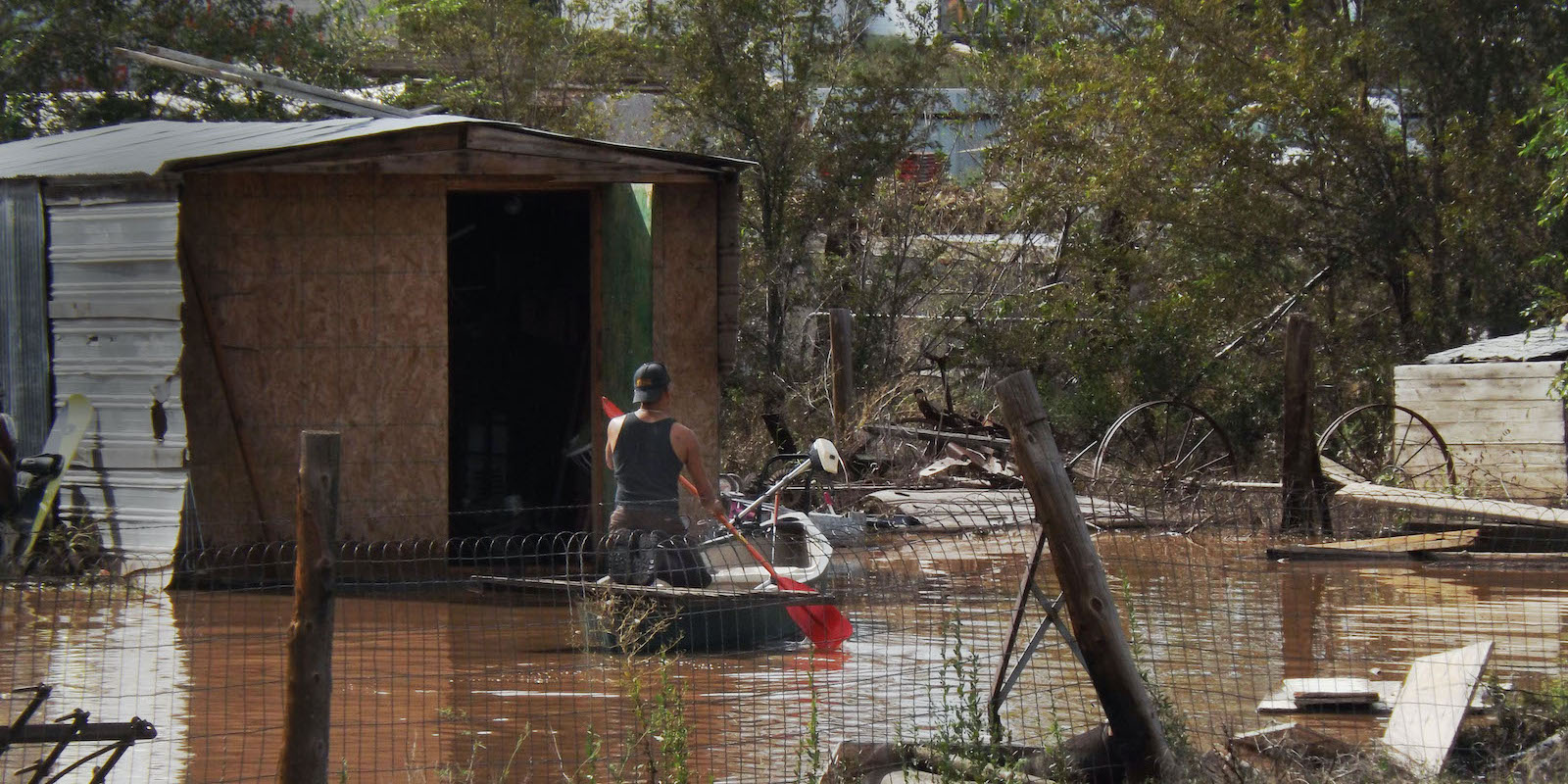
Flooding in Colorado can be caused by several factors. Intense rainfall from severe thunderstorms can overwhelm drainage systems, leading to urban flooding, particularly in low-lying areas. In mountainous regions, heavy rainfall or rapid snowmelt, especially when combined with frozen ground, can lead to swollen rivers and creeks, increasing the risk of flash floods. Dam failures, though rare, are another potential cause. The effects of the historic 2013 Colorado floods, which caused widespread damage across the Front Range and into the mountains, serve as a stark reminder of the destructive power of heavy rainfall events.
Flash Floods: A Swift Danger
Flash floods are particularly dangerous due to their sudden onset and speed. They can occur with little warning, sweeping away vehicles, damaging infrastructure, and posing a direct threat to life. Canyons, dry creek beds, and low-lying areas are especially vulnerable. When traveling in these areas, especially during or after heavy rain, it’s vital to be aware of the surroundings and any signs of rising water. Never attempt to cross a flooded road or a swollen creek on foot or in a vehicle.
Impact on Tourism and Safety
Flooding can disrupt travel by making roads impassable and damaging bridges. Tourist attractions located near rivers or in flood-prone areas may be temporarily closed. Visitors should heed all warnings and advisories issued by local authorities and emergency services. If caught in a flood situation, the safest course of action is to move to higher ground immediately. Understanding the local terrain and potential flood zones can help travelers plan their routes and activities more safely.
Other Potential Hazards
Beyond the primary natural disasters, Colorado can also experience other less frequent but potentially impactful events.
Landslides and Mudslides
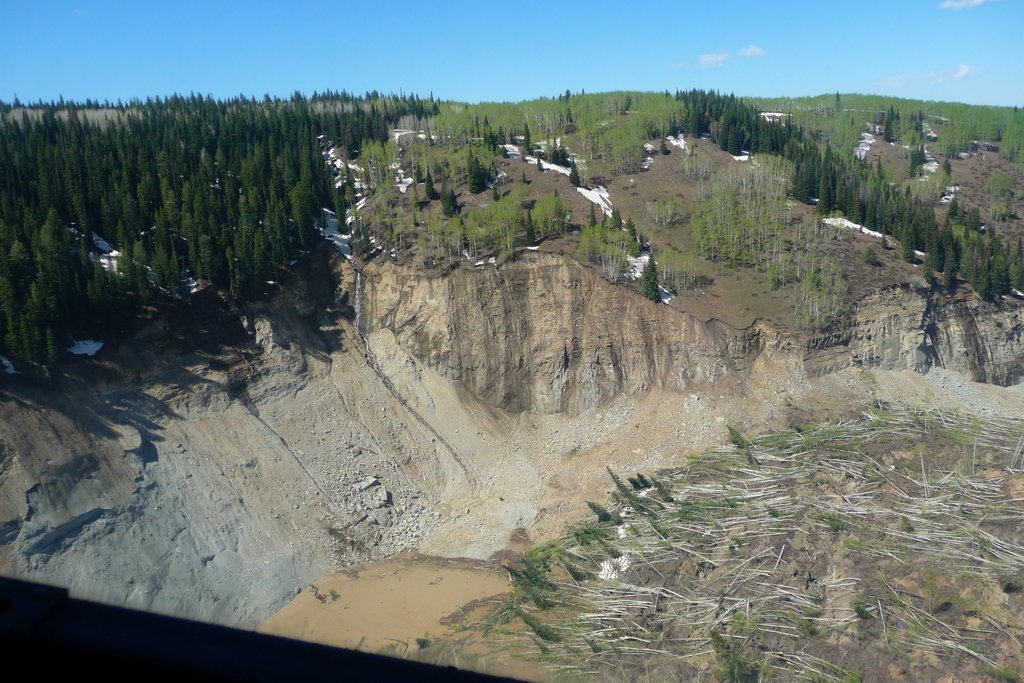
The steep mountainous terrain, combined with heavy rainfall or rapid snowmelt, can increase the risk of landslides and mudslides. These events can occur without much warning, especially in areas with unstable soil or after wildfires have removed vegetation that holds the soil in place. While not as common as other hazards, they can block roads and threaten communities.
Drought
Colorado is no stranger to drought conditions, which can exacerbate other natural disasters like wildfires. Prolonged periods of low precipitation can lead to water restrictions, impact agriculture, and stress ecosystems. While not a direct “disaster” in the immediate sense, drought creates the conditions for other hazards to become more severe.
By understanding these potential natural challenges, travelers can better prepare for their adventures in Colorado, ensuring a safer and more enjoyable experience amidst the state’s breathtaking landscapes. Staying informed, planning ahead, and respecting the power of nature are essential for making the most of what Colorado has to offer.
LifeOutOfTheBox is a participant in the Amazon Services LLC Associates Program, an affiliate advertising program designed to provide a means for sites to earn advertising fees by advertising and linking to Amazon.com. Amazon, the Amazon logo, AmazonSupply, and the AmazonSupply logo are trademarks of Amazon.com, Inc. or its affiliates. As an Amazon Associate we earn affiliate commissions from qualifying purchases.