
Boston, a city steeped in American history, offers a vibrant tapestry of cultures waiting to be explored by the discerning tourist. Beyond its iconic colonial landmarks and prestigious universities, lies a rich narrative woven by its diverse communities. For visitors interested in understanding the full spectrum of Boston’s heritage, delving into its African American neighborhoods provides an invaluable journey into the heart of its local culture, vibrant traditions, and enduring spirit. These areas not only boast significant African American populations but also serve as living museums, offering unique insights into the city’s past and present.
Discovering Boston’s Rich African American Cultural Heritage
Boston’s African American history is both profound and pioneering, dating back to the earliest days of the nation. It was a hotbed for abolitionist movements and a beacon for civil rights, producing leaders and movements that shaped American society. For tourists, exploring these historically rich areas is more than just sightseeing; it’s an immersive experience into the resilience, creativity, and contributions of a community that has profoundly influenced the city’s character. Engaging with the local culture, cuisine, and activities within these neighborhoods offers a unique perspective often missed by conventional tourist routes. It’s an opportunity to support local businesses, participate in community events, and gain a deeper appreciation for Boston’s multifaceted identity.
Roxbury: The Heart of Black Boston
Roxbury stands as perhaps the most historically significant and culturally rich African American neighborhood in Boston. For decades, it has been the epicenter of Black culture, activism, and community life. Its streets tell stories of civil rights struggles, artistic movements, and community resilience, making it an essential destination for cultural tourism.
Historical Significance and Community Spirit
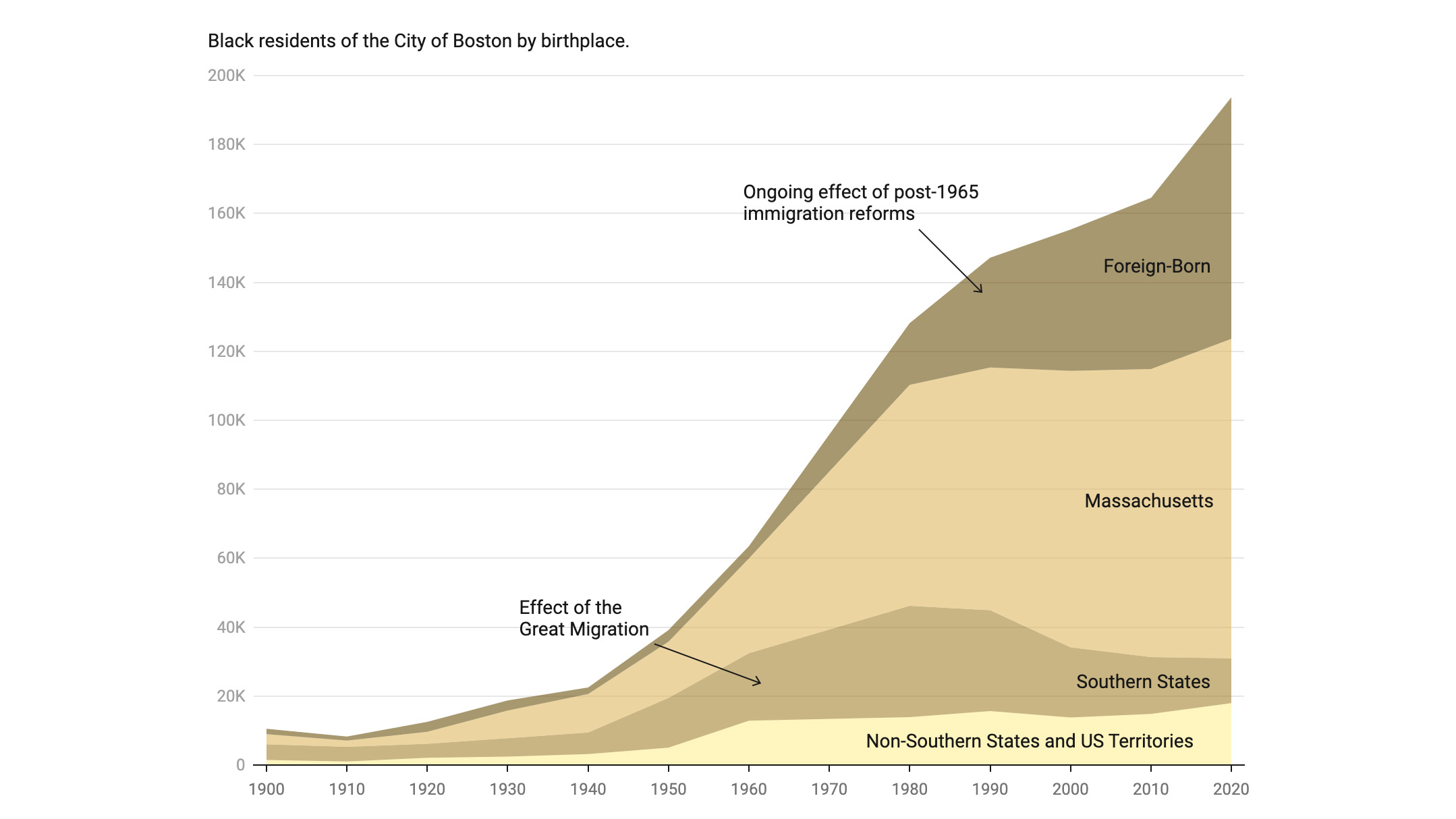
Historically, Roxbury became a critical settlement for African Americans migrating from the South and Caribbean in the early to mid-20th century. This influx transformed the area into a vibrant hub, fostering a strong sense of community and cultural identity. It was here that many civil rights leaders found their voice, and countless cultural institutions were born. The spirit of unity and progress continues to thrive in Roxbury, manifesting in its community gatherings, local initiatives, and the warm welcome extended to visitors. Understanding its past is key to appreciating its present dynamism. From the era of jazz clubs and civil rights meetings to contemporary community art installations, Roxbury embodies a living history.
Cultural Attractions and Experiences
For tourists, Roxbury offers a wealth of experiences:
- Nubian Square (formerly Dudley Square): This bustling commercial and cultural center serves as a vibrant hub. Visitors can explore local shops, markets, and eateries offering diverse cuisines. The recent renaming to Nubian Square reflects a community-led effort to reclaim and celebrate African heritage, adding a profound layer to the visitor experience. It’s a prime spot to observe daily life and interact with residents.
- The National Center of Afro-American Artists: Located in the heart of Roxbury, this institution showcases African and African American visual arts, performing arts, and crafts. Its exhibits provide deep insights into the artistic contributions and cultural narratives of the African diaspora.
- Roxbury International Film Festival: For those visiting in the summer, this festival is a must-see. It’s New England‘s largest festival dedicated to films by, for, and about people of color, offering an exciting opportunity to engage with contemporary Black cinema and culture.
- Local Eateries and Businesses: A culinary tour of Roxbury is an experience in itself. From traditional Caribbean and African restaurants to soulful American diners, the food scene is as diverse as its population. Supporting these local, often family-owned, businesses is a direct way to contribute to the community’s economic vitality and experience authentic flavors.
- The Shirley-Eustis House: While not exclusively African American, this historic landmark in Roxbury dates back to the colonial era and offers a glimpse into early American life, including the presence of enslaved people on the estate, providing a broader historical context.
Dorchester: A Diverse and Vibrant Landscape
As Boston’s largest and most diverse neighborhood, Dorchester also hosts a significant and thriving African American population, alongside communities from Cape Verdean, Vietnamese, and Irish backgrounds, among others. Its vastness means it offers a wide array of experiences, reflecting its rich multicultural fabric.
Demographics and Community Growth

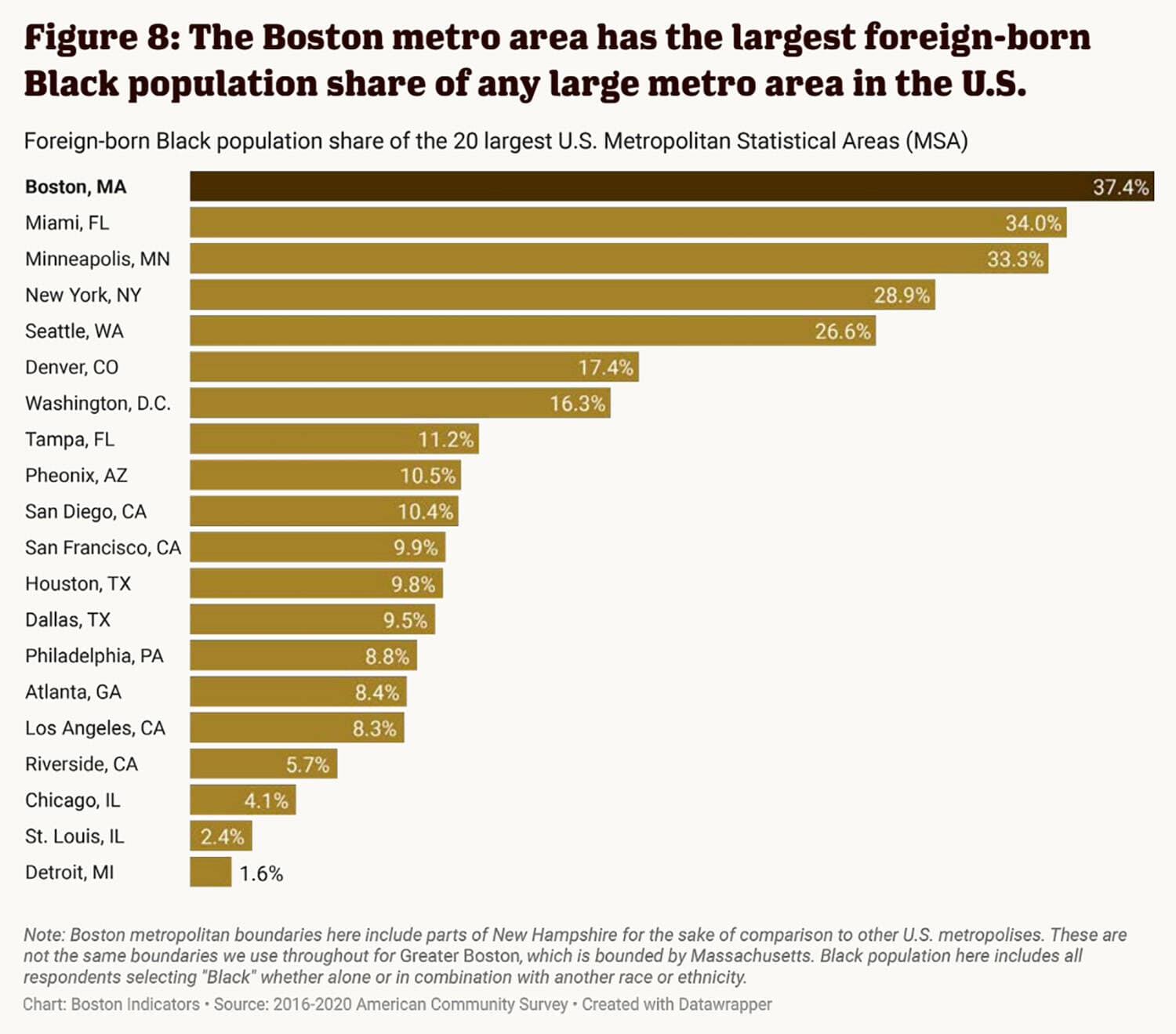
Dorchester’s demographic evolution has seen a substantial growth in its African American population over the decades, particularly in areas like Grove Hall and Codman Square. This growth has fostered vibrant community organizations, churches, and cultural centers that serve as anchors for residents. The neighborhood is characterized by its strong residential feel, tree-lined streets, and numerous community parks, providing a sense of rootedness and belonging. Its diverse population has led to a fascinating blend of cultures, making it an exciting place for tourists to explore the nuances of Boston’s modern identity.
Engaging with Local Life
Exploring Dorchester allows tourists to immerse themselves in authentic local Boston life:
- Franklin Park Zoo and Franklin Park: These expansive green spaces offer recreational opportunities for families and nature lovers. Franklin Park itself, designed by Frederick Law Olmsted, is a jewel in Boston’s park system and a popular gathering spot for Dorchester residents.
- Codman Square and Fields Corner: These commercial districts are vibrant centers of community activity, featuring a mix of businesses, restaurants, and cultural organizations. Visitors can find everything from barber shops and beauty salons to community health centers and bustling markets. The diversity of Dorchester is particularly evident in its food scene, where you can find authentic African, Caribbean, and soul food alongside Vietnamese and Latin American cuisines.
- Community Events: Throughout the year, Dorchester hosts numerous festivals, concerts, and farmers’ markets, particularly during warmer months. These events are excellent opportunities for tourists to experience the local culture firsthand, enjoy live music, sample diverse foods, and interact with residents. Keep an eye on local community calendars for current listings.
- UMass Boston: While primarily an educational institution, its campus along Dorchester Bay offers stunning waterfront views and occasional public events or cultural programs that are open to the wider community.
Mattapan: Strong Roots and Enduring Culture
Mattapan, situated south of Roxbury and Dorchester, is another cornerstone of Boston’s African American community. It is known for its strong residential character, tight-knit communities, and a significant presence of Haitian and Cape Verdean populations, adding a unique cultural flavor to its African American heritage.
A Community with Deep Connections
Mattapan has historically been a place where families have laid down deep roots, creating a stable and supportive environment. This sense of continuity is palpable in its well-maintained homes, active neighborhood associations, and the intergenerational connections that bind the community. The cultural tapestry of Mattapan is particularly rich, influenced by its diverse Black population. The presence of multiple languages, cuisines, and traditions creates a vibrant, multicultural environment that is deeply ingrained in the local identity. Tourists visiting Mattapan will find a community proud of its heritage and actively working to preserve and promote its unique cultural identity.
Exploring Local Gems
For the culturally curious tourist, Mattapan offers authentic experiences:
- Mattapan Square: This central commercial district is a focal point for the community. Here, you’ll find a range of local businesses, from bustling markets selling international goods to restaurants serving delicious Caribbean and African dishes. It’s an ideal spot to experience the everyday rhythm of Mattapan life and discover unique cultural finds.
- Blue Hill Avenue: Running through Mattapan and into Roxbury, Blue Hill Avenue is a historically significant corridor. It has long been a commercial and social artery for the Black community, lined with churches, businesses, and community centers. A stroll or drive along this avenue offers a glimpse into the ongoing vitality of these neighborhoods.
- Green Spaces and Parks: Mattapan boasts several lovely parks and open spaces, offering tranquility and recreational opportunities. These areas often host informal gatherings and community events, providing a relaxed setting to observe local life.
- Religious Institutions: Churches in Mattapan play a central role in community life and cultural preservation. While services are primarily for worshippers, their architecture and historical significance contribute to the neighborhood’s character. Some may host public events or cultural programs worth exploring.
- Mattapan Branch of the Boston Public Library: Beyond its role as a library, this institution often hosts community events, cultural showcases, and discussions that provide insight into local issues and celebrate community heritage.
Experiencing Boston’s African American Tourism Responsibly
When exploring these rich and historically significant neighborhoods, responsible tourism is paramount. Tourists are encouraged to:
- Support Local Businesses: Patronize the small, independently owned restaurants, shops, and cultural venues within these communities. Your spending directly benefits the residents and helps sustain the unique character of the neighborhoods.
- Engage Respectfully: Approach interactions with an open mind and a desire to learn. Be mindful of residential areas and private spaces. A simple “hello” can often open doors to friendly conversations and deeper insights.
- Learn the History: Before visiting, take some time to research the history of these communities. Understanding the struggles, triumphs, and cultural contributions will enrich your experience and foster a greater appreciation for what you encounter.
- Attend Community Events: If your visit coincides with a local festival, concert, or market, participate! These events are fantastic opportunities to experience the vibrant local culture firsthand and meet residents.
- Utilize Public Transportation: Boston’s MBTA system provides access to many of these neighborhoods, offering an authentic way to navigate the city while reducing your environmental footprint.
By choosing to explore Roxbury, Dorchester, and Mattapan, visitors gain a comprehensive understanding of Boston’s true essence – a city defined not just by its colonial past, but by the ongoing vitality and rich cultural tapestry woven by all its communities, particularly its significant and enduring African American population. This journey offers a profound and memorable addition to any Boston itinerary.
LifeOutOfTheBox is a participant in the Amazon Services LLC Associates Program, an affiliate advertising program designed to provide a means for sites to earn advertising fees by advertising and linking to Amazon.com. Amazon, the Amazon logo, AmazonSupply, and the AmazonSupply logo are trademarks of Amazon.com, Inc. or its affiliates. As an Amazon Associate we earn affiliate commissions from qualifying purchases.