
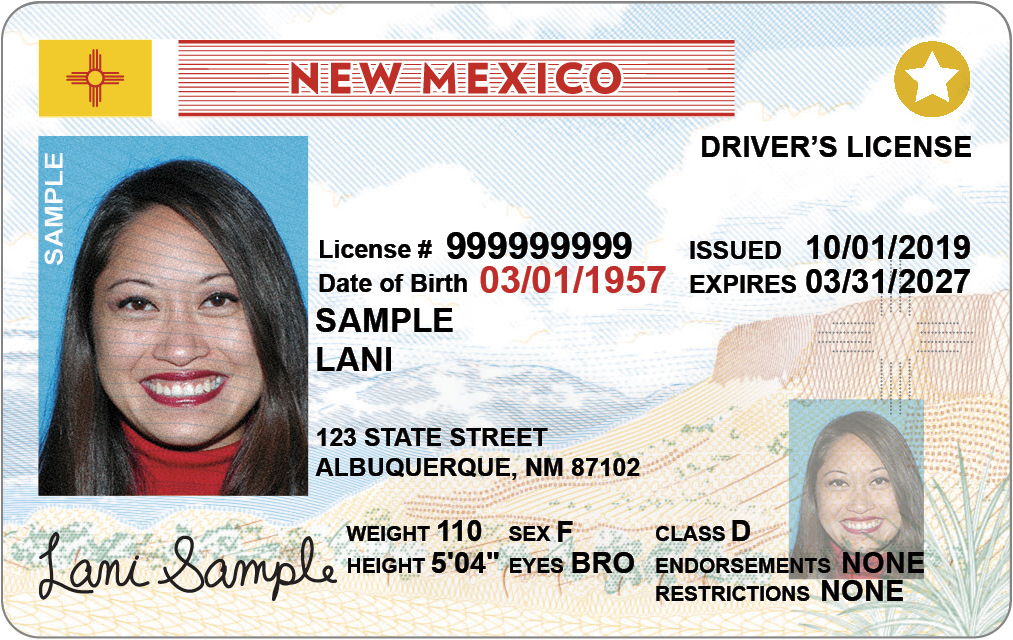
When travelers and historians ask, “What number is New Mexico?” they are often referring to its place in the chronological timeline of the United States of America. On January 6, 1912, New Mexico was officially admitted as the 47th state to join the Union. This milestone marked the culmination of a long, complex journey from Spanish colonial territory to Mexican province and, eventually, an American frontier. Understanding this numerical designation is more than a trivia exercise; it is an invitation to explore a region defined by a distinct “Land of Enchantment” identity that remains deeply rooted in the past while looking toward the future.
The Journey to Statehood: A Historical Context
The road to becoming the 47th state was paved with geopolitical shifts, cultural collisions, and administrative hurdles that lasted for decades. Unlike many states that progressed rapidly from territory to statehood, New Mexico occupied a unique space in the American consciousness for over half a century.
From Territory to State
Following the Mexican-American War and the Treaty of Guadalupe Hidalgo, the region fell under the jurisdiction of the United States. However, integration was not immediate. Political debates regarding the status of slavery, the cultural influence of the Spanish language, and the integration of Native American populations caused significant friction in Washington D.C.
For years, the territory was viewed with skepticism by some Eastern politicians who questioned whether the region’s diverse population could assimilate into the American democratic model. It was not until the early 20th century, as the frontier spirit began to wane and a new era of infrastructure—most notably the expansion of the Atchison Topeka and Santa Fe Railway—connected the desert to the coast, that New Mexico was deemed ready for full membership.
The Significance of the 47th Position
Being the 47th state placed New Mexico just ahead of Arizona, which would become the 48th state later that same year. Together, they rounded out the contiguous United States. This historical proximity is why many visitors today find that the two states share striking geographical similarities, yet possess entirely different cultural textures. While Arizona surged forward with rapid urbanization in the mid-20th century, New Mexico remained more steadfast, preserving its heritage in adobe architecture and traditional craft markets.
Cultural Landscapes and Historical Landmarks
To travel through New Mexico is to move through a living museum. As a state that fought hard for recognition, it has invested heavily in the preservation of its historical and cultural landmarks.
The Heart of the Southwest: Santa Fe
Santa Fe stands as one of the oldest state capitals in the country, predating the arrival of the United States government by centuries. Wandering through the Santa Fe Plaza, visitors can feel the layers of time. The architecture here is strictly regulated, ensuring that the traditional Pueblo Style remains the dominant aesthetic. This commitment to visual history is a testament to the pride of a state that values its unique origin story.
Nature as a Historical Witness
New Mexico is also home to vast, protected landscapes that predate any political border. Carlsbad Caverns National Park offers a subterranean look at millions of years of natural history, while the White Sands National Park serves as a stark, beautiful reminder of the environment that shaped the lives of early settlers and indigenous tribes alike. Visiting these sites, one gains a sense of perspective on what “47th” actually means—it is a relatively recent political designation set against a backdrop of ancient geological time.
Beyond the Number: The Modern Experience
While knowing the state’s historical ranking is a great conversation starter, the true essence of New Mexico lies in its modern culture. Today, the state is a vibrant center for the arts, scientific innovation, and culinary tradition.
A Sanctuary for Artists
It is no coincidence that legends like Georgia O’Keeffe found their muse in the dramatic light and stark landscapes of New Mexico. The Georgia O’Keeffe Museum in Santa Fe captures this intersection of desert reality and artistic vision. For the modern traveler, the state offers a slower pace of life, encouraging exploration of its many art galleries and studios that line the high deserts of Taos.
Culinary Heritage and Influence
To speak of New Mexico is to speak of the Chile Pepper. The state’s official question, “Red or Green?”, refers to the choice of sauce that accompanies almost every meal. This isn’t just food; it is an identity. The influence of Mexican cuisine combined with local Pueblo ingredients creates a culinary profile that is unique to the American Southwest. A visit to local establishments in Albuquerque provides an authentic taste of this heritage, often accompanied by the famous Sopaipilla.
Innovation in the Desert
Though often viewed through a lens of history, the state is also a hub for high-tech industry. The proximity to Los Alamos National Laboratory has historically linked the state to the atomic age, while current investments in space travel at Spaceport America suggest that New Mexico intends to remain a player in the next century of American development.

Why Travelers Choose New Mexico
The draw of New Mexico is its resistance to the homogenization seen elsewhere in the country. By being the 47th state—a late addition that kept much of its cultural autonomy—it offers a travel experience that feels distinctly different from the rest of the Union. Whether you are walking the historical trails of Chaco Culture National Historical Park or enjoying the modern, high-desert luxury of a resort in Las Cruces, the experience is one of discovery.
The number 47 is merely a point of entry. Once you cross the border, the history, the Native American traditions, the breathtaking Sangre de Cristo Mountains, and the warm, inviting hospitality of the people define the true nature of this state. It is a place that asks you to slow down, look at the horizon, and appreciate the immense scale of history that resides within its borders.
In New Mexico, the past is never fully behind us; it is woven into the fabric of the daily, making every trip here a journey into the heart of what it means to be part of the American experience. As you plan your visit, remember that while you are technically visiting the 47th state, the richness of the culture will make you feel as though you have discovered a whole new world.
LifeOutOfTheBox is a participant in the Amazon Services LLC Associates Program, an affiliate advertising program designed to provide a means for sites to earn advertising fees by advertising and linking to Amazon.com. Amazon, the Amazon logo, AmazonSupply, and the AmazonSupply logo are trademarks of Amazon.com, Inc. or its affiliates. As an Amazon Associate we earn affiliate commissions from qualifying purchases.