
California, a land of unparalleled natural beauty, vibrant cities, and diverse landscapes, beckons millions of travelers each year with its promise of adventure and relaxation. From the sun-kissed beaches of Southern California to the towering redwoods of the north, and from the serene vineyards of Napa Valley to the majestic peaks of the Sierra Nevada, the Golden State offers an endless array of destinations. However, in recent years, the narrative of California has often been intertwined with the dramatic and often devastating reality of wildfires. For those planning a trip, the question “What part of California is on fire?” is not merely a matter of curiosity, but a crucial inquiry for ensuring safety, making informed travel decisions, and understanding the evolving landscape of one of the world’s most cherished tourist destinations.
It’s important to understand that wildfires are a complex and often seasonal phenomenon in California. They are a natural, albeit increasingly intense, part of the state’s ecosystem, shaped by factors such as climate change, drought conditions, and forest management practices. While the headlines can sometimes paint a picture of the entire state engulfed in flames, the reality is far more nuanced. Wildfires typically affect specific, localized regions, often in wildland-urban interface areas, leaving vast swaths of the state — including many of its most popular travel destinations — completely untouched. Our goal here is to provide a comprehensive, travel-focused perspective, helping you navigate the complexities of visiting California responsibly and enjoyably, even during periods when fires may be active elsewhere. We’ll delve into understanding the wildfire landscape, how to stay safe, the impact on iconic landmarks, and how you can contribute to the state’s resilient tourism industry.

Understanding California’s Wildfire Landscape: A Traveler’s Perspective
California’s diverse geography, characterized by long, dry summers and a mix of chaparral, forests, and grasslands, makes it particularly susceptible to wildfires. While fires have always been a part of the ecological cycle, their frequency, intensity, and duration have escalated in recent decades, influenced by a warming climate and changes in land use. For travelers, understanding this landscape is key to making informed decisions, differentiating between widespread panic and localized incidents, and ensuring a safe and memorable journey.
The Dynamics of Wildfires in the Golden State
Wildfires in California are primarily fueled by a combination of factors: dry vegetation, strong winds (like the Santa Ana winds in the south or Diablo winds in the north), and often, human activity or lightning strikes. The fire season typically runs from late spring through late fall, peaking in the hottest and driest months. However, with prolonged droughts and warmer temperatures, the “fire season” has become increasingly year-round in some regions. This doesn’t mean the entire state is a continuous fire zone; rather, it highlights the importance of staying updated on current conditions, particularly if your travel plans involve remote areas or dense wilderness.
The majority of fires occur in wildland areas, often impacting national forests, state parks, and less populated mountainous regions. However, a significant concern arises when fires encroach upon the wildland-urban interface, threatening communities and infrastructure. These are the incidents that often grab international headlines, leading to air quality alerts and evacuations that can impact travel routes and nearby attractions. For example, a fire burning near a national park might close certain trails or campgrounds, but often the surrounding towns and main tourist hubs remain open and safe, albeit with potential smoke impacts. Staying informed through official sources like CalFire or the National Weather Service is crucial for accurate, real-time information.
Key Regions Historically Affected by Wildfires
While any part of California could theoretically experience a fire, certain regions have historically been more prone to significant events. These areas include:
- Southern California Mountains and Canyons: Areas inland from Los Angeles, San Diego, and Orange County, particularly those with dense chaparral, are susceptible. Places like the Santa Monica Mountains or parts of Malibu have seen significant fires, often driven by the infamous Santa Ana winds. Despite this, the coastal cities and their vibrant cultural scenes, luxury hotels, and iconic landmarks like Hollywood or Disneyland generally remain safe and open for tourism, though air quality may occasionally be affected.
- Northern California Wine Country: Regions like Napa Valley and Sonoma County have experienced devastating fires, primarily due to dry conditions and strong Diablo winds. While the immediate aftermath can be challenging, these regions have consistently demonstrated remarkable resilience. Wineries and boutique hotels quickly rebuild, often emerging stronger, and continue to welcome visitors eager to explore their world-renowned culinary and viticultural scenes.
- Sierra Nevada Foothills and Forests: This vast mountain range, home to national treasures like Yosemite National Park, Sequoia National Park, and Kings Canyon National Park, is naturally prone to forest fires, especially after dry winters. While fires here can be large, they often occur in wilderness areas. Park services are highly adept at managing these situations, often implementing controlled burns and swiftly closing specific areas to ensure visitor safety, allowing the majority of these magnificent parks to remain accessible.
- Remote Northern California: Areas around Redding, Paradise, and Mendocino National Forest have also seen large-scale fires. These regions, while beautiful, are less frequently visited by international tourists compared to coastal cities, but local tourism and outdoor enthusiasts are often impacted.
It is crucial to emphasize that a fire in one part of the state does not mean the entire state is inaccessible. California is immense, and effective travel planning involves pinpointing the specific locations of active incidents and their potential ripple effects on your intended itinerary.
Navigating Travel During Fire Season: Safety and Awareness
Traveling in California during what is colloquially known as “fire season” requires an elevated level of awareness, but it shouldn’t deter you from experiencing the state’s wonders. With proper planning and access to real-time information, you can ensure a safe and enjoyable trip, adapting to conditions as needed. The focus should always be on proactive safety measures and responsible tourism.
Real-Time Information and Resources for Travelers
The most critical aspect of traveling during potential wildfire periods is staying informed. Relying on official, up-to-date sources is paramount.
- CalFire Website: This is the primary source for current fire incidents, containment levels, and evacuation orders. Their interactive map is invaluable for visualizing fire locations relative to your planned destinations.
- National Weather Service: Provides critical weather forecasts, including red flag warnings (indicating high fire danger due to wind and dry conditions) and air quality alerts.
- Local County Emergency Services: Many counties have their own emergency alert systems, websites, or social media channels that provide hyper-local updates, including specific road closures or shelter information.
- Road Condition Websites: Caltrans and local Department of Transportation websites offer real-time road closures, which can be affected by fire activity or smoke.
- Accommodation and Tour Operators: If you’ve booked hotels, resorts, or tours, stay in direct communication with them. They are often the first to know about localized impacts and can offer advice or alternative arrangements. Many hotels, from luxury resorts in Santa Barbara to cozy boutique hotels in Carmel-by-the-Sea, are well-versed in handling these situations and prioritize guest safety.
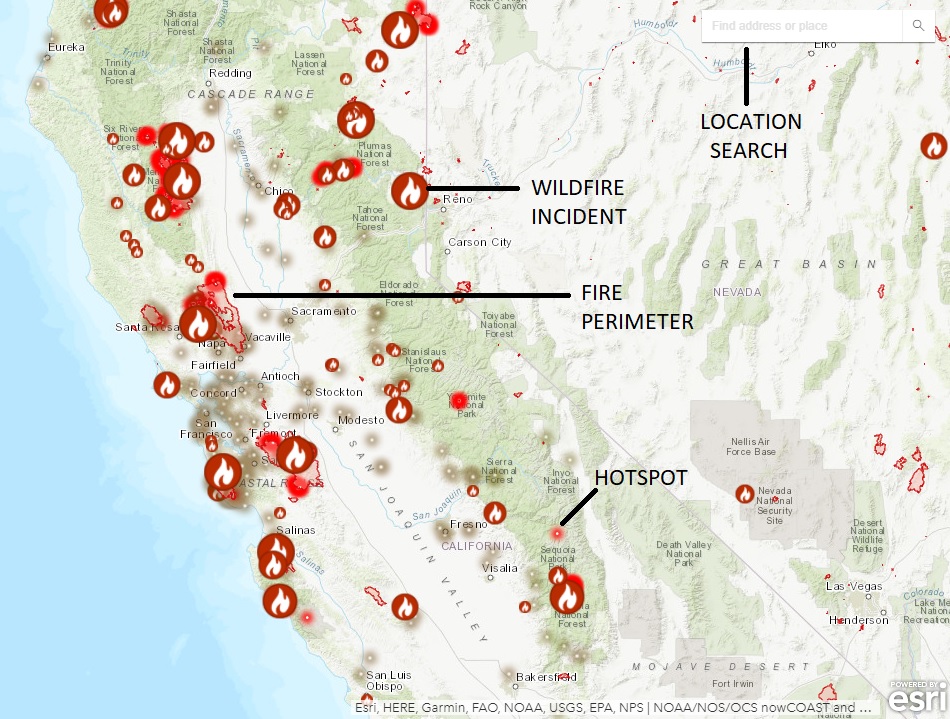
Before and during your trip, make it a habit to check these resources daily, especially if you plan to visit areas historically prone to fires or engage in outdoor activities.
Adapting Travel Plans: When to Go, Where to Stay
Flexibility is a traveler’s best friend when visiting California during fire season. While major tourist hubs like San Francisco, Los Angeles, and San Diego are generally safe from direct fire threat, smoke from distant fires can occasionally impact air quality, especially in inland areas.
- Consider Timing: The shoulder seasons (spring and late fall) often present a lower risk of extreme fire conditions compared to the peak summer months, while still offering excellent weather for exploration.
- Focus on Coastal Destinations: Coastal areas, like Monterey, Santa Cruz, and the iconic Pacific Coast Highway, benefit from ocean breezes that can mitigate smoke impacts and generally face lower direct fire risks. These areas offer world-class accommodation options, from historic inns to modern hotels with stunning ocean views.
- Choose Urban Adventures: Immerse yourself in the cultural richness of California’s cities. San Francisco offers museums, culinary experiences, and iconic landmarks like the Golden Gate Bridge. Los Angeles boasts diverse neighborhoods, entertainment, and a vibrant arts scene. Sacramento, the state capital, provides historical insights and a burgeoning farm-to-fork dining scene. These urban centers, rich in accommodations from luxury suites to budget-friendly apartments, remain excellent choices.
- Be Prepared for Changes: Have backup plans. If a certain hiking trail or a section of a national park is closed, be ready to pivot to an alternative activity or destination. Many resorts and hotels offer robust concierge services that can assist with last-minute itinerary adjustments.
- Personal Safety Gear: For those with respiratory sensitivities, packing N95 masks can be a prudent measure, especially if traveling through areas where smoke might be a concern. However, if air quality is severely impacted, it’s best to avoid outdoor activities or relocate.

By being informed and flexible, you can enjoy the vast majority of what California has to offer, even when wildfires are a part of the regional conversation.
Protecting California’s Iconic Destinations and Natural Wonders
The impact of wildfires extends beyond immediate danger, sometimes affecting the very landscapes and attractions that draw visitors. California’s natural wonders and urban gems are resilient, and authorities and communities work tirelessly to protect and restore them. For travelers, understanding these efforts can foster a deeper appreciation for their destinations.
Impact on National Parks and Outdoor Activities
California is home to an incredible array of national parks and forests, each a unique ecosystem offering unparalleled outdoor experiences. From the granite cliffs of Yosemite National Park to the ancient groves of Sequoia National Park and the desert landscapes of Joshua Tree National Park and Death Valley National Park, these areas are paramount for nature tourism.
Wildfires can lead to temporary closures of trails, campgrounds, and even entire sections of parks for safety reasons or due to active fire suppression efforts. Post-fire, areas may remain closed for rehabilitation to prevent erosion and allow vegetation to recover. For example, recent fires have impacted parts of Yosemite’s wilderness, but the main valley and iconic viewpoints generally remain accessible. Similarly, areas around Lake Tahoe have faced fire threats, leading to temporary evacuations, but the lake itself and its surrounding resorts, such as the Hyatt Regency Lake Tahoe Resort, Spa and Casino, bounce back swiftly. Before visiting any national or state park, always check their official websites for the latest alerts and closures. Many parks provide excellent visitor centers that offer real-time updates and alternative activity suggestions, ensuring your outdoor adventure remains fulfilling and safe. Remember, respecting closures is not only for your safety but also crucial for allowing natural recovery processes to take hold.
Safeguarding Urban and Coastal Tourism Hubs
While wildland fires are the most dramatic, their secondary effects, like smoke, can drift into urban centers and coastal regions. However, California’s major cities and coastal destinations are generally well-protected and rarely face direct wildfire threats.
- Los Angeles: A sprawling metropolis, Los Angeles offers everything from theme parks to museums and beaches. While surrounding hills can experience fires, the city itself, with its myriad hotels, resorts, and attractions like the Getty Center or Universal Studios Hollywood, remains a vibrant destination.
- San Francisco: Famous for its fog and bay breezes, San Francisco is less susceptible to direct fire threats. Its unique charm, iconic Cable Cars, and Fisherman’s Wharf continue to draw tourists, and the city’s robust accommodation options, from luxurious hotels to charming boutique inns, operate as usual.
- Wine Country Resilience: Napa and Sonoma have shown incredible resilience. After past fires, vineyards and tasting rooms have quickly reopened, sometimes within weeks, embodying the spirit of community and determination. Visiting these areas helps support local businesses and demonstrates solidarity with the communities working hard to preserve their livelihoods and heritage. Many wineries offer special events and accommodations, and checking their individual websites for updates is recommended.
- Big Sur and the Central Coast: This breathtaking stretch of coastline, including towns like Carmel-by-the-Sea and Santa Barbara, is globally renowned. While sections of Highway 1 or parts of Big Sur have occasionally faced closures due to fires or mudslides (which can follow intense fires), these are often temporary. The region’s luxury accommodations, scenic vistas, and culinary delights remain major draws, with local tourism boards providing up-to-date information on accessibility.
The vast majority of California’s tourism infrastructure remains robust and welcoming, even during fire season. The key is to focus on specific, localized information rather than broad generalizations.
The Resilient Spirit of California Tourism: Recovery and Responsible Travel
California’s tourism industry is nothing if not resilient. Time and again, communities affected by wildfires have demonstrated an incredible capacity for recovery and a steadfast commitment to welcoming visitors. As a traveler, your choices can play a significant role in supporting these efforts and contributing to the state’s long-term sustainability.
Supporting Local Businesses and Communities
One of the most impactful ways to assist communities affected by wildfires is to visit them once it is safe to do so. Tourism is often a vital economic engine, providing livelihoods for countless individuals and families. By choosing to stay in local hotels, dine at neighborhood restaurants, shop at independent boutiques, and engage with local tour operators, you inject much-needed revenue directly into the community. Many areas that have recovered from fires, such as parts of Napa or the Santa Rosa region, are eager to showcase their resilience and continued hospitality. Before you travel, research which areas have been impacted and, if they are open and safe, consider making them part of your itinerary. Your presence signals support and helps rebuild confidence in these destinations. Always check with local tourism boards or chambers of commerce for current status and ways to help.
Future-Proofing California’s Travel Industry
Responsible travel extends beyond immediate support; it also involves understanding and respecting the environmental context. When visiting California, especially its natural areas, adhere to all fire safety regulations:
- Heed Fire Bans: Pay attention to “red flag warnings” and any bans on campfires or charcoal grills.
- Stay on Trails: Avoid venturing off marked paths, as a single spark can ignite dry vegetation.
- Proper Waste Disposal: Dispose of all waste properly, especially cigarette butts, which are a common cause of ignition.
- Vehicle Maintenance: Ensure your vehicle is in good condition, as hot catalytic converters can spark fires on dry grass.
Beyond these practical steps, engaging with businesses that prioritize sustainable practices, supporting local conservation efforts, and learning about the state’s initiatives to manage wildfires can also contribute positively. The goal is to enjoy California’s beauty while minimizing your footprint and becoming an advocate for its continued preservation.
In conclusion, while the question “What part of California is on fire?” is a valid and important one, it’s crucial to approach it with a nuanced understanding. California is vast and resilient, offering countless incredible experiences that remain unaffected by localized fire incidents. By staying informed, being flexible, and traveling responsibly, you can safely explore the Golden State’s diverse attractions and contribute to the enduring spirit of its vibrant tourism landscape.