
When culinary enthusiasts gather to discuss the quintessential steak experience, the New York Strip Steak invariably takes center stage. Its name evokes the bustling metropolises and sophisticated dining scenes of New York City, promising a tender, flavorful cut that is a hallmark of American steakhouses. But beyond the allure of its famous moniker, a fundamental question often arises: from which specific part of the cow does this celebrated steak originate? Understanding the anatomical provenance of the New York Strip not only demystifies its culinary appeal but also deepens appreciation for the nuances of beef butchery and the resulting gastronomic pleasure.
The Anatomy of a Prized Cut: Locating the New York Strip
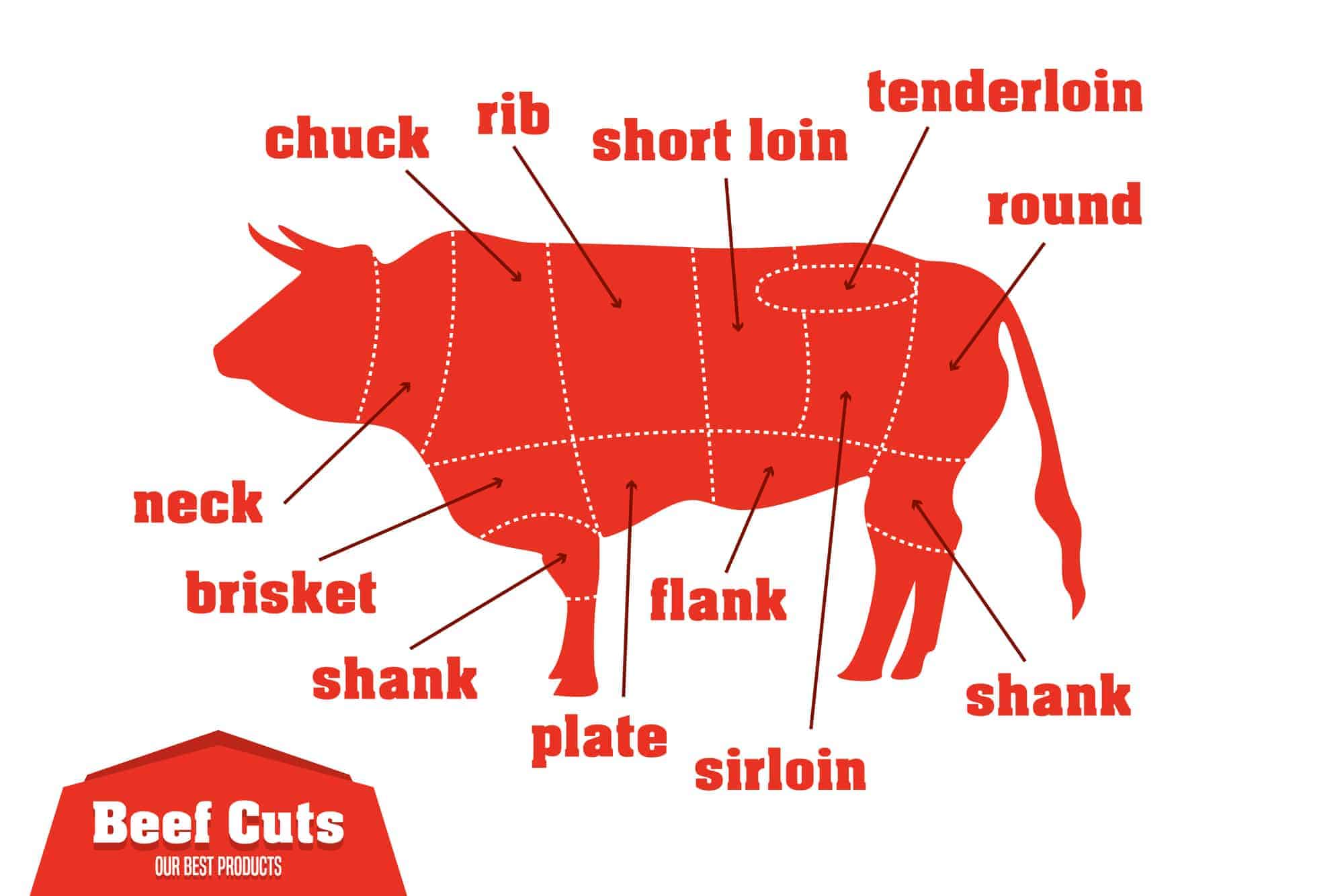
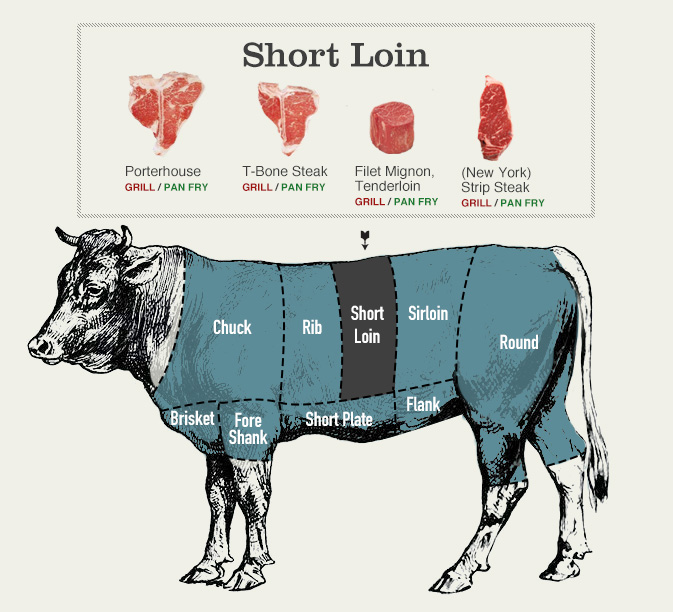
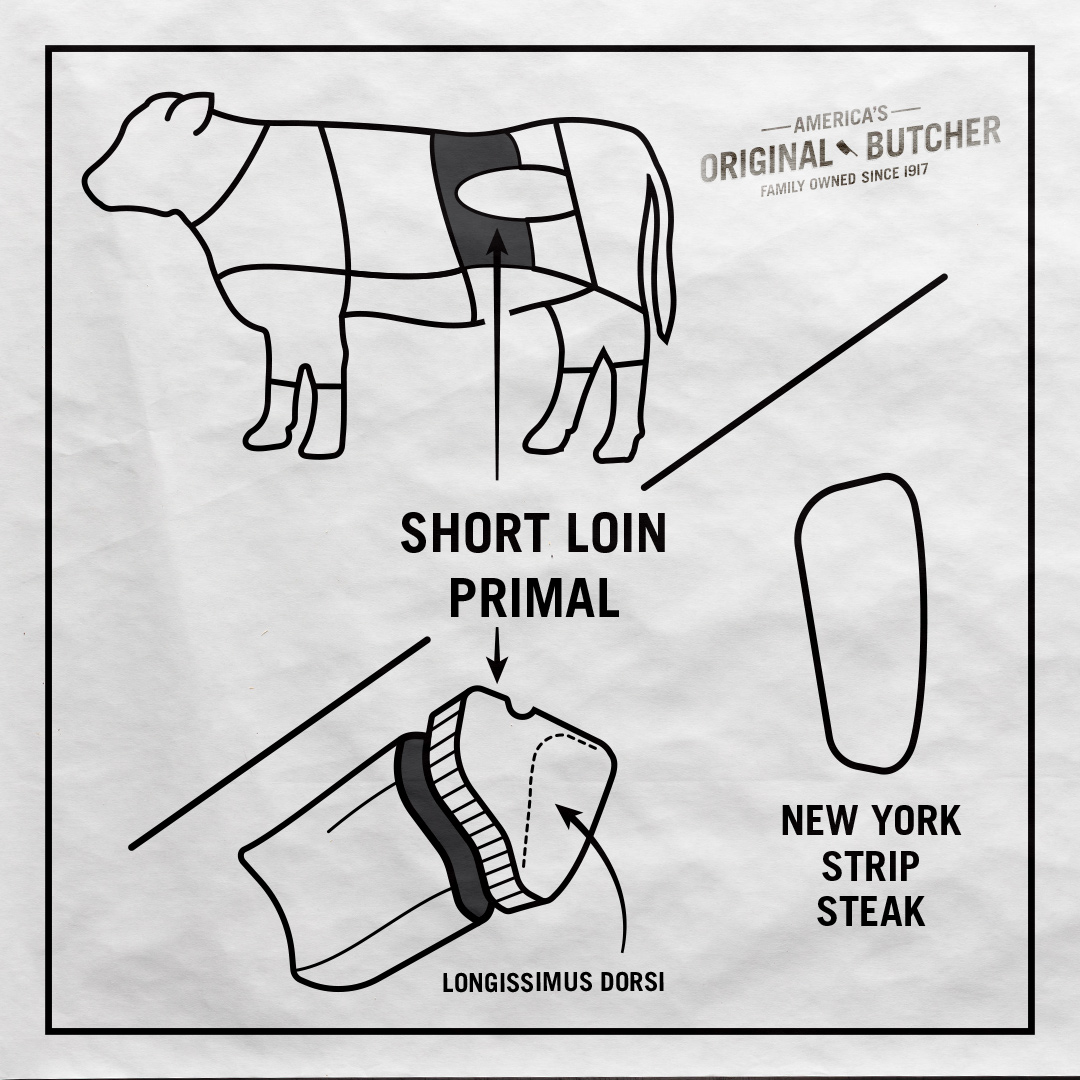
The New York Strip Steak, also widely known as the Kansas City Strip, Strip Loin, or Ambassador Steak, is meticulously harvested from a specific section of the bovine anatomy: the short loin. This prime area of the cow is situated along the back, behind the rib cage and extending towards the rear. It is a region of the animal that experiences relatively little strenuous movement, a crucial factor contributing to the steak’s renowned tenderness. The muscles here, particularly the longissimus dorsi, are less exercised, resulting in finer muscle fibers and a less connective tissue composition, which translates directly to a more yielding bite and a more enjoyable chewing experience.
The Short Loin: A Tender Domain
The short loin is a relatively small section of the cow, making the steaks derived from it highly sought after. Within the short loin, several distinct cuts are possible, each with its own characteristics and appeal. The New York Strip is one such cut, distinguished by its position on the lateral side of the lumbar vertebrae. Unlike cuts from the hindquarters that are subject to more activity, the short loin muscles are pampered, allowing them to develop the characteristic tenderness that defines the New York Strip. This anatomical placement also contributes to its lean yet well-marbled profile, a balance that many steak aficionados consider ideal. The limited movement of this part of the cow ensures that the muscle fibers remain supple, yielding a succulent texture that can be appreciated by even the most discerning palates.
Differentiating from Adjacent Cuts
It is important to distinguish the New York Strip from its immediate neighbors within the short loin. Directly forward of the short loin lies the rib primal, which yields cuts like the Ribeye Steak. The ribeye is known for its intense marbling and rich, buttery flavor, often attributed to the higher fat content and the presence of the “eye” muscle. Conversely, the hindquarters, specifically the sirloin primal, are behind the short loin. Cuts from the sirloin, while flavorful, can sometimes be a bit tougher due to increased muscle activity. The New York Strip strikes an elegant balance, offering a beefy flavor that is robust but not overpowering, coupled with a satisfying tenderness that sets it apart from cuts sourced from more worked muscles. This strategic positioning within the cow’s anatomy is key to its universally acclaimed status.
The Marbling and Flavor Profile of the New York Strip
The desirability of the New York Strip Steak is not solely attributed to its tenderness; its intricate marbling and resulting flavor profile are equally significant. Marbling refers to the intramuscular fat that is distributed throughout the muscle tissue. These fine streaks of fat melt during the cooking process, basting the meat from within, enhancing its juiciness, and contributing a profound depth of flavor. The New York Strip typically exhibits a good balance of marbling – enough to impart richness and moisture, but not so much as to overwhelm the palate or make the steak excessively fatty.
The Role of Intramuscular Fat
The intramuscular fat in a New York Strip is crucial for its culinary success. As heat is applied during grilling, searing, or broiling, these fat deposits liquefy, infusing the surrounding muscle fibers with flavor and ensuring that the steak remains moist and succulent. This internal lubrication is what prevents the steak from becoming dry, particularly during the cooking process. The quality of this marbling is often indicative of the cow’s diet and overall well-being. Well-marbled steaks, like those often found in premium butcher shops or from reputable ranches, suggest a diet rich in grains and careful husbandry, leading to a more flavorful and tender end product. This characteristic is what elevates a good steak to a great one.
Understanding the Beefy Essence
Beyond the fat, the inherent beefy flavor of the New York Strip is a significant draw. It possesses a clean, robust taste that is distinctly beef-like, without the gamey undertones that can sometimes be present in other cuts. This pure beef flavor makes it incredibly versatile, pairing exceptionally well with a wide array of seasonings, sauces, and side dishes. Whether simply seasoned with salt and pepper and grilled to perfection, or enhanced with a classic béarnaise sauce or a peppercorn crust, the New York Strip’s fundamental flavor shines through. This inherent deliciousness, combined with its satisfying texture, solidifies its position as a favorite among steak lovers worldwide, from the fine dining establishments of Paris to the casual grills of Texas.
The Butcher’s Art: Preparation and Presentation
The journey of the New York Strip from the cow to the plate involves the skilled hands of a butcher. The precise methods of butchery are essential in isolating this prime cut and preparing it for optimal cooking and enjoyment. The short loin is a relatively complex section of the carcass, and understanding its anatomy allows a butcher to expertly separate the New York Strip from other desirable cuts, such as the T-bone and Porterhouse steaks, which are essentially the same muscle but with a bone and a piece of the tenderloin included.
Separating the Strip from Bone-in Cuts
The New York Strip steak is characteristically a boneless cut. This means that during the butchering process, it is carefully separated from the bone that runs along its underside. This bone is often a part of the vertebrae. In contrast, the T-bone Steak and Porterhouse Steak are cut from the same short loin but retain a portion of the bone. The Porterhouse is distinguished by having a larger section of the tenderloin muscle (which becomes filet mignon) in addition to the strip steak, separated by the “T”-shaped bone. The T-bone also features the bone and both muscles, but the tenderloin portion is smaller than in a Porterhouse. The boneless nature of the New York Strip allows for easier portioning and a more consistent cooking experience, as there is no bone to create uneven heat distribution.
Trimming and Aging for Perfection
Once the New York Strip is isolated, butchers often perform additional trimming. The majority of the fat cap, a thicker layer of external fat, is typically removed, leaving behind the desirable intramuscular marbling. A small, uniform fat cap might be left on one edge to enhance flavor and prevent excessive shrinkage during cooking. For some high-end establishments, the New York Strip may also undergo aging, either wet-aging or dry-aging. Dry-aging, in particular, is a process where the beef is aged in a controlled environment for several weeks, allowing moisture to evaporate and enzymes to break down connective tissues. This concentrates the flavor and further tenderizes the meat, resulting in an exceptionally rich and nuanced taste experience, often sought after in renowned steakhouses across cities like Chicago and Las Vegas.
The Culinary Experience: Enjoying Your New York Strip
The New York Strip Steak’s place in the culinary world is secured by its remarkable combination of flavor, tenderness, and versatility. It is a steak that appeals to a broad spectrum of preferences, offering a satisfying experience for both the seasoned steak connoisseur and the casual diner. Its inherent qualities make it a forgiving cut to cook, yet one that rewards meticulous preparation with exceptional results.
Ideal Cooking Methods
The New York Strip is incredibly adaptable to various cooking methods. Grilling is perhaps the most iconic approach, allowing the steak to develop a beautiful char and smoky flavor. High-heat searing in a cast-iron skillet is another popular choice, creating a magnificent crust while keeping the interior moist. Broiling is also an effective method, mimicking the intense heat of a grill. Regardless of the chosen method, the key is to cook the steak to the desired internal temperature, typically ranging from rare to medium-well, allowing it to rest briefly after cooking. This resting period is crucial for allowing the juices to redistribute throughout the steak, ensuring maximum flavor and moisture in every bite.
Pairing and Presentation
The robust yet clean flavor of the New York Strip makes it an excellent canvas for a variety of accompaniments. Classic steakhouse sides such as creamed spinach, garlic mashed potatoes, or crispy French fries are timeless pairings. More adventurous palates might opt for mushroom ragouts, roasted asparagus, or a vibrant chimichurri sauce. For a truly luxurious experience, consider pairing it with a fine wine, such as a full-bodied Cabernet Sauvignon or a smooth Merlot. The presentation of a New York Strip steak, whether served simply or with an elegant sauce, is always a testament to its quality and the care taken in its preparation, making it a centerpiece dish suitable for any occasion, from a casual weekend barbecue to a celebratory dinner.
LifeOutOfTheBox is a participant in the Amazon Services LLC Associates Program, an affiliate advertising program designed to provide a means for sites to earn advertising fees by advertising and linking to Amazon.com. Amazon, the Amazon logo, AmazonSupply, and the AmazonSupply logo are trademarks of Amazon.com, Inc. or its affiliates. As an Amazon Associate we earn affiliate commissions from qualifying purchases.