
Florida, often called the Sunshine State, is a premier travel destination renowned for its pristine beaches, vibrant cities, and unique ecosystems. However, its low elevation, extensive coastline, and subtropical climate make it particularly susceptible to various forms of flooding. For travelers planning a visit, understanding which parts of Florida might be affected by flooding is crucial for ensuring a safe and enjoyable experience. This guide delves into the common causes of flooding, identifies historically vulnerable regions, and offers insights for navigating travel in the event of such occurrences, ensuring your Florida adventure remains unforgettable.
Understanding Florida’s Vulnerability to Flooding
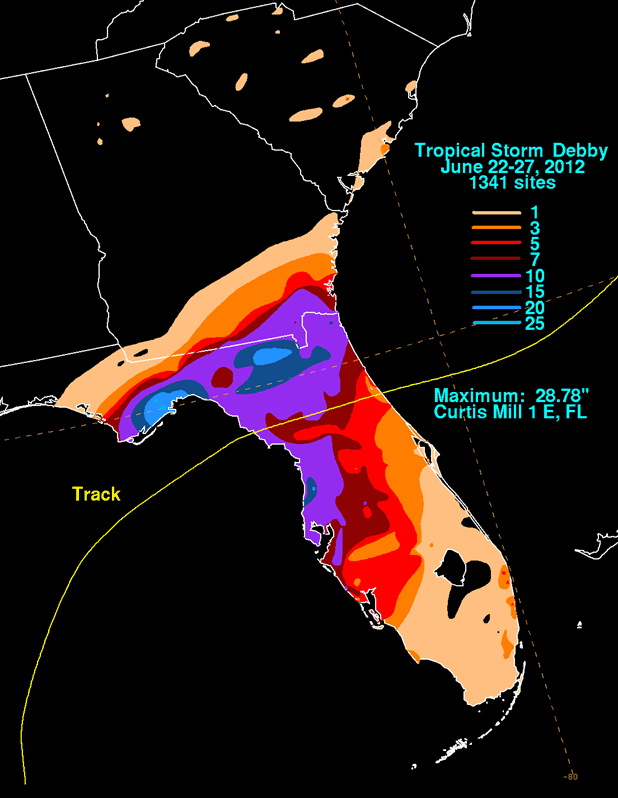
Florida’s geography and climate create a unique susceptibility to a range of flooding events. Unlike landlocked states, the peninsula is surrounded by water on three sides, with extensive coastlines along the Atlantic Ocean and the Gulf of Mexico. Much of the state lies at or just above sea level, making it highly vulnerable to sea-level rise and storm surges.
Common Causes of Flooding
Several factors contribute to Florida’s propensity for flooding:
- Hurricanes and Tropical Storms: These powerful weather systems are arguably the most destructive cause of widespread flooding. They bring torrential rainfall, often exceeding several inches per hour, and significant storm surges that can inundate coastal areas kilometers inland. The force of the surge can redraw coastlines and submerge entire communities, particularly along the Gulf Coast and South Florida.
- Heavy Rainfall and Thunderstorms: Even outside hurricane season, Florida’s wet season (typically June through October) sees daily afternoon thunderstorms that can drop vast amounts of rain in short periods. Urban areas like Miami, Fort Lauderdale, and Tampa often experience localized street flooding due to overburdened storm drains and low-lying topography.
- King Tides: These exceptionally high tides occur a few times a year, often during new or full moons, when the gravitational pull of the sun and moon align. In conjunction with rising sea levels, king tides can cause nuisance flooding in coastal communities, particularly in South Florida, submerging roads and disrupting daily life even on clear, sunny days.
- Sea-Level Rise: A long-term threat, rising sea levels exacerbate all other forms of coastal flooding. It means that high tides become higher, storm surges penetrate further inland, and even normal rainfall takes longer to drain, as the water has nowhere to go. This ongoing challenge affects coastal resilience efforts across the state.
Identifying Historically Vulnerable Regions and Recent Patterns
While all of Florida can experience flooding, certain regions and cities are historically more prone due to their geography, urban development, and proximity to water bodies.
South Florida and the Atlantic Coast
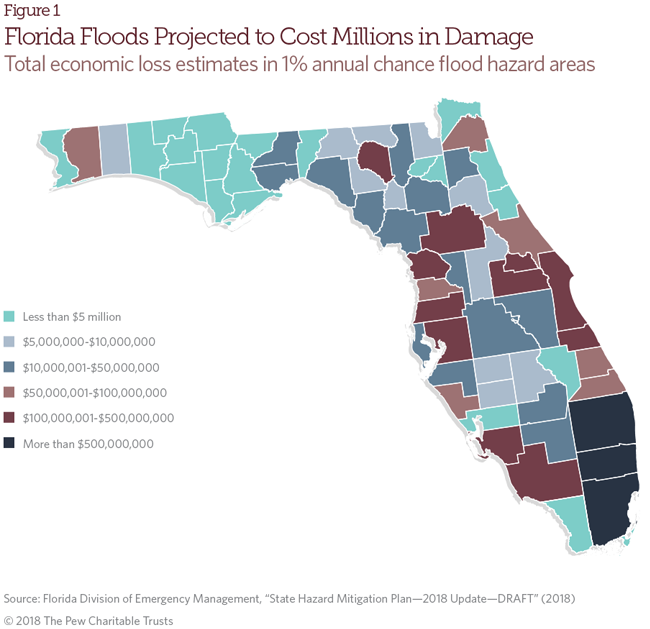
The metropolitan areas of Miami-Dade and Broward County, including cities like Miami, Fort Lauderdale, and Miami Beach, are particularly susceptible. These regions are low-lying, densely populated, and crisscrossed by canals that are often overwhelmed during heavy rains or king tides. The Florida Keys, a chain of islands stretching southwest from the tip of Florida, are also highly vulnerable to storm surge from hurricanes due to their extreme low elevation and direct exposure to the Atlantic Ocean and Gulf of Mexico. Further north along the Atlantic Coast, cities like Jacksonville and St. Augustine can experience significant flooding from hurricanes and heavy rainfall, particularly along their river systems such as the St. Johns River.
The Gulf Coast
Florida’s Gulf Coast, stretching from the Panhandle down to Naples, is notoriously susceptible to storm surge, often experiencing more severe impacts from hurricanes than the Atlantic Coast due to the shallower waters of the Gulf of Mexico which allow surges to build higher. Major cities like Tampa, St. Petersburg, Sarasota, Fort Myers, and Naples have experienced devastating storm surge events in recent history. Inland areas adjacent to major rivers flowing into the Gulf can also see significant riverine flooding following prolonged heavy rainfall. The Panhandle, with cities like Pensacola and Panama City, frequently bears the brunt of tropical systems making landfall, leading to extensive coastal and inland flooding.
Central Florida and Inland Areas
While often perceived as less vulnerable than coastal areas, Central Florida can also experience significant flooding. Cities like Orlando, known for its theme parks, can see widespread street and property flooding from intense thunderstorms and slow-moving tropical depressions. The region’s extensive lake systems and wetlands, while vital for the ecosystem, can also overflow during extreme rainfall events. Areas around Lake Okeechobee and the Everglades National Park are naturally low-lying and can experience prolonged inundation.
Impact on Travel and Florida Destinations
Flooding, whether localized or widespread, can significantly disrupt travel plans and impact the accessibility and enjoyment of Florida’s diverse attractions.
Accessibility and Infrastructure
One of the most immediate impacts is on transportation infrastructure. Flooded roads, highways, and even interstates can become impassable, leading to detours, delays, or complete closures. This can isolate communities, prevent access to airports, and make it difficult to reach popular destinations. Public transportation systems may also be affected. For travelers, this means a need for flexibility and real-time information on road conditions.
Attraction and Activity Closures
Depending on the severity and location of flooding, various tourist attractions, parks, and recreational activities may close temporarily. Beach access might be restricted due to erosion or debris, theme parks could alter operating hours or close specific rides, and outdoor activities like boating, fishing, or nature tours might be suspended for safety reasons. Even indoor attractions might face power outages or structural issues. For instance, parts of Everglades National Park or coastal state parks might close trails or visitor centers if flooded.
Accommodation and Services
Hotels, resorts, and vacation rentals in affected areas may experience damage, leading to cancellations or unavailability. Restaurants, shops, and other local businesses vital to the tourist experience might also be closed. While unaffected areas of Florida continue to operate normally, travelers should confirm reservations and check the status of local services if their destination is near a flooded region.
Navigating Travel During Flood Events
Prudent planning and informed decision-making are paramount when traveling to Florida, especially during periods of increased flood risk, such as hurricane season.
Pre-Trip Planning and Research
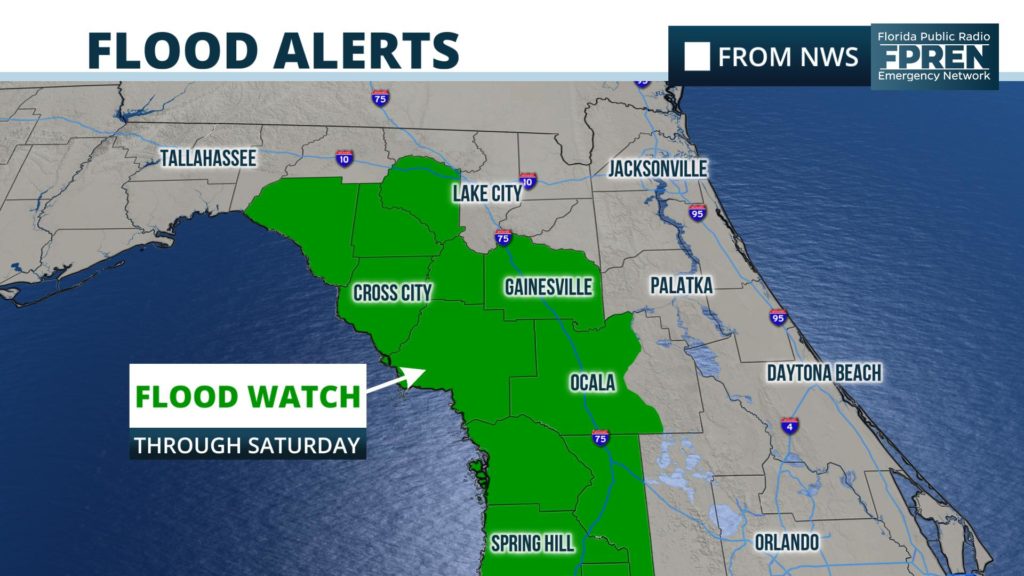
- Monitor Weather Forecasts: Before and during your trip, diligently follow weather reports from reliable sources like the National Hurricane Center (NHC) and local news outlets. Pay attention to advisories for heavy rain, flood watches, and warnings.
- Travel Insurance: Consider purchasing comprehensive travel insurance that covers trip interruptions or cancellations due to weather events. Review the policy details carefully to understand what is covered.
- Flexible Bookings: Whenever possible, choose accommodations and transportation options that offer flexible cancellation or rebooking policies. This provides peace of mind if plans need to change unexpectedly.
- Contact Providers: Confirm the operational status of your chosen accommodations, attractions, and tour operators directly. Websites and social media channels often provide the most up-to-date information.
During Your Trip
- Stay Informed: Continue monitoring local news and official emergency alerts for any updates on conditions in your area.
- Follow Official Guidance: Heed all warnings and instructions from local authorities, including evacuation orders. Never attempt to drive or walk through flooded waters, as even shallow depths can be dangerous and hide hazards. “Turn around, don’t drown” is a critical mantra.
- Have an Emergency Kit: Keep essential items like bottled water, non-perishable food, medications, a first-aid kit, and a charged phone readily accessible in case of unexpected delays or disruptions.
- Know Your Evacuation Route: If staying in a coastal or low-lying area, familiarize yourself with designated evacuation routes and shelters.
- Stay Flexible: Be prepared to adjust your itinerary. If a particular area is experiencing flooding, explore alternative destinations within Florida that are unaffected and open for business. The state is vast, and often, only specific regions are impacted.
Resilience and Recovery: What to Expect When Visiting
Florida’s communities are remarkably resilient, with extensive experience in managing and recovering from flooding events. Infrastructure is often designed with drainage in mind, and emergency services are well-prepared.
Rapid Response and Restoration
Following a flood event, particularly localized ones, affected areas often see a rapid response from emergency services and utility companies to restore power, clear roads, and pump out standing water. Coastal communities, accustomed to annual hurricane threats, have robust recovery plans in place. While significant hurricane damage can take longer to repair, local governments and businesses are generally swift in their efforts to reopen and welcome visitors once it is safe to do so.
Support Local Businesses
When visiting Florida during or after a localized flood event, patronizing local businesses in unaffected areas can be a great way to support the state’s economy. Many destinations depend heavily on tourism, and a visit, even if to a different part of the state than originally planned, contributes to their recovery and ongoing vitality.
In summary, while specific parts of Florida can indeed experience flooding due to its unique geography and climate, vast stretches of the state remain unaffected and continue to offer incredible travel experiences. By staying informed, planning proactively, and exercising caution, travelers can navigate potential flood events with confidence and still enjoy the beauty and excitement that Florida has to offer.
LifeOutOfTheBox is a participant in the Amazon Services LLC Associates Program, an affiliate advertising program designed to provide a means for sites to earn advertising fees by advertising and linking to Amazon.com. Amazon, the Amazon logo, AmazonSupply, and the AmazonSupply logo are trademarks of Amazon.com, Inc. or its affiliates. As an Amazon Associate we earn affiliate commissions from qualifying purchases.