
When a tropical storm or hurricane like Helene looms, the most pressing question for travelers and residents alike is often: “Where will it make landfall, and what areas will be most affected?” Florida, a peninsular state renowned for its diverse travel experiences, is uniquely susceptible to weather events from both the Atlantic Ocean and the Gulf of Mexico. Understanding potential impact zones and the inherent unpredictability of hurricane trajectories is crucial for anyone planning or currently enjoying a trip to the Sunshine State. While exact paths are subject to rapid change, meteorologists utilize sophisticated models to project a cone of uncertainty, guiding travelers on potential areas of concern.
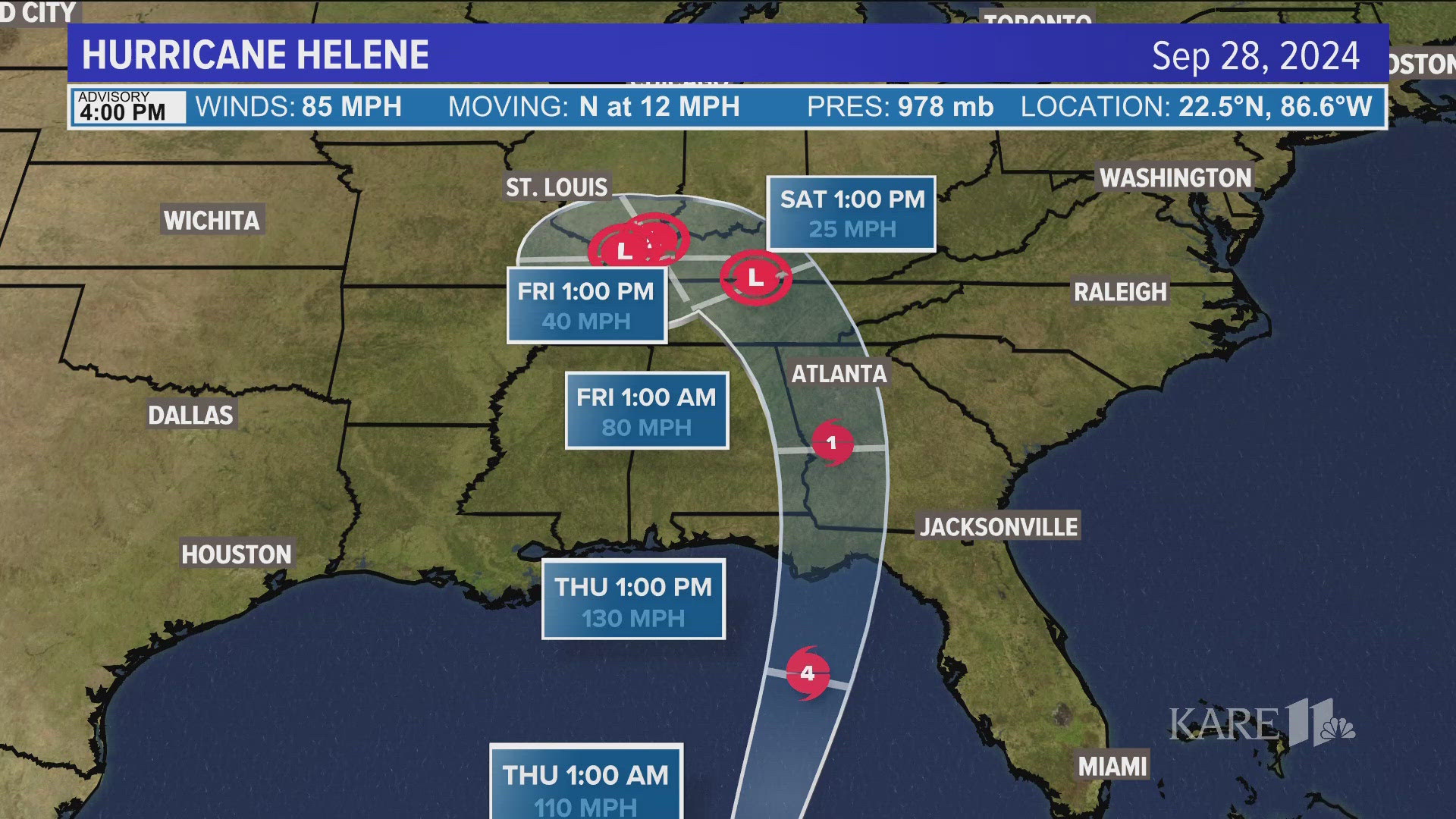
Understanding Hurricane Helene’s Potential Path
Forecasting hurricane paths is a complex science, with models constantly updating as new data becomes available. For Helene, early projections often provide a broad overview, which then narrows as the storm approaches. Travelers should always refer to official sources like the National Hurricane Center (NHC) for the most current and accurate information. The cone of uncertainty illustrates the probable track of the storm’s center, but impacts, including heavy rainfall, strong winds, and storm surge, can extend far beyond this cone.
Key Factors Influencing Trajectory
Several factors dictate a hurricane’s path. High-pressure systems act as steering currents, pushing storms in different directions. The strength and location of these systems, often referred to as “steering ridges,” are critical. Warmer ocean waters, like those found in the Caribbean Sea and the Gulf of Mexico, provide fuel for intensification, which can also influence a storm’s behavior. Additionally, atmospheric wind shear can either tear a storm apart or, conversely, allow it to strengthen and maintain a consistent path. These dynamic interactions make pinpointing an exact landfall location challenging until the storm is much closer.
Interpreting Forecast Models
Travelers should familiarize themselves with the terminology used in hurricane forecasts. A “hurricane watch” means hurricane conditions are possible within the specified area, typically within 48 hours. A “hurricane warning” indicates that hurricane conditions are expected within 36 hours. Similarly, tropical storm watches and warnings apply to lesser intensity but still significant weather events. These advisories are critical for decision-making regarding travel plans, evacuations, and preparedness.
Regional Vulnerabilities and Travel Implications
Given Florida’s expansive coastline and numerous popular destinations, different regions face unique risks and, consequently, different travel implications when a storm like Helene approaches.
The Florida Panhandle
The Florida Panhandle, stretching from Pensacola to Apalachicola and including popular spots like Panama City Beach, is historically vulnerable to storms originating in the Gulf of Mexico. These areas are known for their sugar-white sands and emerald waters, attracting millions of tourists annually. A direct hit from Helene could lead to significant storm surge, high winds, and extensive freshwater flooding, particularly in low-lying coastal communities and bayside areas.
Travelers with plans to visit destinations like Destin, Fort Walton Beach, or Pensacola during a projected impact should expect immediate disruptions. This includes potential airport closures at Northwest Florida Beaches International Airport (ECP) or Pensacola International Airport (PNS), road closures, and mandatory evacuation orders. Hotels and resorts may cease operations, and attractions will undoubtedly close. It’s imperative to monitor local emergency management agencies for specific guidance.
Southwest Florida and the Gulf Coast
Moving south along the Gulf Coast, regions such as Southwest Florida, encompassing Fort Myers, Naples, Sarasota, and the Tampa Bay area (including St. Petersburg and Clearwater Beach), are also at risk from Gulf-originating storms. This region is famous for its natural beauty, upscale communities, and vibrant arts scene. A storm like Helene tracking into the eastern Gulf of Mexico could bring devastating storm surge to the shallow Tampa Bay and inundate barrier islands along the coast.
Travelers to destinations like Sanibel Island, Marco Island, or Anna Maria Island should be prepared for potential isolation if bridges become impassable or damaged. Major airports such as Southwest Florida International Airport (RSW) and Tampa International Airport (TPA) are typically among the first to halt operations. Cruise lines operating out of Port Tampa Bay would reroute or cancel sailings.
Southeast Florida and the Atlantic Coast

On the Atlantic Coast, Southeast Florida — including major metropolitan areas like Miami, Fort Lauderdale, and West Palm Beach — faces threats from storms tracking through the Atlantic or those that cross the state from the Gulf. This region is a global hub for international travel, luxury experiences, and cultural diversity. While the direct path of Helene might primarily target the Gulf Coast, even a glancing blow or proximity can lead to significant impacts.
Travelers to Miami-Dade County or Broward County should anticipate heavy rainfall, localized flooding, strong rip currents, and potential tornado activity even if the storm’s center is far away. Major airports like Miami International Airport (MIA) and Fort Lauderdale-Hollywood International Airport (FLL) could experience significant delays or cancellations. Cruise traffic out of PortMiami and Port Everglades would also be affected. Further north, cities like Jacksonville and Daytona Beach could face significant rainfall and coastal erosion, especially if Helene skirts the coastline or pushes moisture across the state.
Central Florida’s Inland Attractions
Even inland destinations in Central Florida, most notably Orlando with its world-renowned theme parks like Walt Disney World and Universal Orlando Resort, are not immune. While not directly threatened by storm surge, these areas can experience prolonged heavy rainfall, high winds, and power outages. Flooding of streets and low-lying areas, and potential disruptions to transportation, are common.
For travelers heading to Orlando, major theme parks have robust hurricane policies, often allowing guests to rebook or cancel without penalty. Orlando International Airport (MCO) can close during severe weather. It’s essential for visitors to stay updated on park operations, airline announcements, and local weather alerts. Even without a direct hit, the pervasive effects of a hurricane can turn a dream vacation into a logistical nightmare without proper planning.
The Florida Keys
The Florida Keys, a string of tropical islands stretching from Key Largo to Key West, are particularly vulnerable due to their low elevation and limited access via the Overseas Highway. Storm surge is a primary concern here, and even a relatively weak storm can cause widespread flooding and make evacuation challenging.
If Helene is projected to impact the Keys, mandatory evacuations are often issued early due to the time required to clear the single major artery. Travelers should immediately adjust plans, as access can be cut off for days or weeks after a significant storm.
Essential Travel Preparedness During Hurricane Season
Regardless of Helene’s exact path, hurricane season in Florida (June 1st to November 30th) demands vigilance from all travelers.
Stay Informed
Always monitor the latest advisories from the National Hurricane Center, local news channels, and your chosen travel providers (airlines, hotels, cruise lines). Sign up for local emergency alerts if you are already in a potentially affected area.
Review Travel Insurance and Policies
Before traveling during hurricane season, consider purchasing comprehensive travel insurance that covers hurricane-related cancellations, delays, and medical emergencies. Understand your airline, hotel, and tour operator’s hurricane policies, as many offer waivers or rebooking options if a hurricane directly impacts your destination.
Have an Emergency Plan
If you’re already in Florida and a storm approaches, know your evacuation zone and route. Keep your car fueled, pack a “go-bag” with essentials (medications, important documents, chargers, cash), and have a communication plan with family and friends. Know the location of the nearest shelter if you’re unable to evacuate.

Flexibility is Key
Ultimately, flexibility is a traveler’s best asset during hurricane season. Be prepared to change plans, rebook flights, or even choose an alternative destination if a storm threatens your intended itinerary. While Florida offers unparalleled travel experiences, safety should always be the paramount concern. By staying informed and prepared, you can navigate the uncertainties of hurricane season while still enjoying the wonders of this vibrant state.
LifeOutOfTheBox is a participant in the Amazon Services LLC Associates Program, an affiliate advertising program designed to provide a means for sites to earn advertising fees by advertising and linking to Amazon.com. Amazon, the Amazon logo, AmazonSupply, and the AmazonSupply logo are trademarks of Amazon.com, Inc. or its affiliates. As an Amazon Associate we earn affiliate commissions from qualifying purchases.