
Unearthing the Anatomy of a Culinary Icon
The allure of a perfectly cooked steak is undeniable, a cornerstone of many a memorable dining experience, especially when exploring the vibrant culinary landscapes of cities like New York City. Among the pantheon of premium cuts, the New York strip stands as a testament to beef’s versatility and rich flavor. But what exactly defines this sought-after steak, and from which section of the cow does it originate? Understanding its anatomical source is the first step in appreciating its unique texture, taste, and culinary potential, a journey that often begins with a visit to a renowned butcher shop or a discerning steakhouse.
The Loin: A Prime Location for Premium Cuts
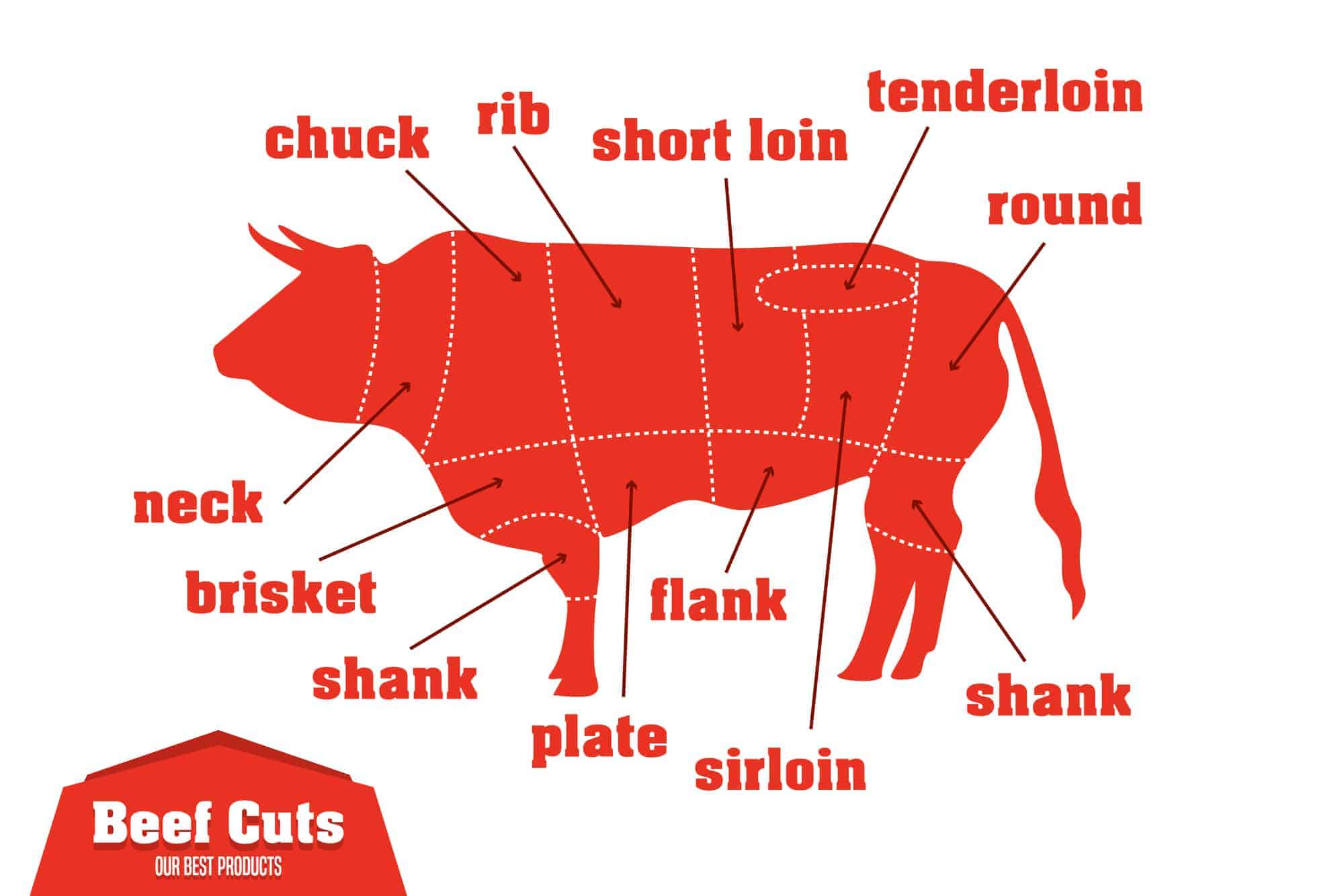
The New York strip, also known by a variety of other names including the strip loin, Kansas City strip, or simply the strip, hails from the short loin primal cut of the cow. This section is situated along the back of the animal, running from the rib cage towards the hindquarters. What makes the short loin so special is that the muscles in this area are largely underutilized during the cow’s life. This lack of extensive work translates into a tender, yet well-marbled, cut of meat, offering a delightful balance between succulence and a satisfying chew.
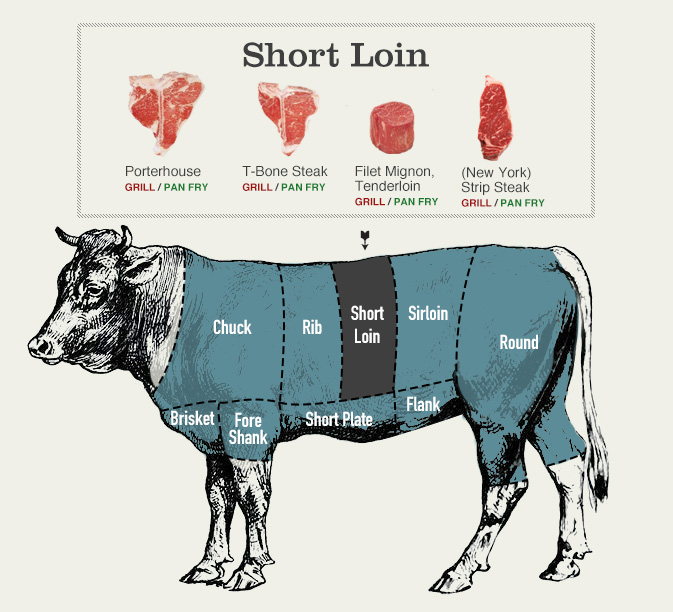
The short loin itself is a treasure trove of esteemed beef cuts. Adjacent to the strip loin, you’ll find the larger portion of the tenderloin, which yields the even more prized filet mignon. The bone-in cuts from the front of the short loin are the celebrated T-bone and porterhouse steaks, which include a portion of both the strip loin and the tenderloin, separated by the characteristic T-shaped bone. This proximity underscores the inherent quality and desirable characteristics shared by all steaks derived from the short loin.
Understanding the Short Loin Primal
To truly grasp the origin of the New York strip, it’s helpful to visualize the cow’s musculature. The short loin is essentially a segment of the larger loin muscle group. It is located behind the ribeye and ahead of the sirloin. This central position is key; it benefits from the tenderness of the muscles that are less exercised, while still retaining enough connection to the spine to develop a robust flavor profile. Butchers meticulously separate this primal cut from the surrounding sections of the carcass through precise anatomical cuts.
The Strip Loin: Anatomical Specifics and Culinary Characteristics
Once the short loin primal is identified, it is further sectioned to yield the strip steak. Anatomically, the strip steak is a boneless cut, typically rectangular or oblong in shape. It is characterized by a fine grain and a uniform thickness, usually around 1 to 1.5 inches, making it ideal for grilling and pan-searing. A defining feature of the New York strip is the presence of a strip of fat running along one edge of the steak. This intramuscular fat, known as marbling, is crucial for flavor and moisture retention during cooking.
The flavor of a New York strip is often described as robust and beefy, with a pleasant chew that is more pronounced than that of the filet mignon, yet less so than cuts from the tougher hindquarters. This balance of tenderness and texture makes it a favorite for many steak enthusiasts. The marbling melts during cooking, basting the meat from within and contributing significantly to its juicy and flavorful outcome. The fat cap on the side can be rendered down during cooking, adding an extra layer of richness and a delightful crispiness if prepared correctly.
Distinguishing the Strip Loin from Other Cuts
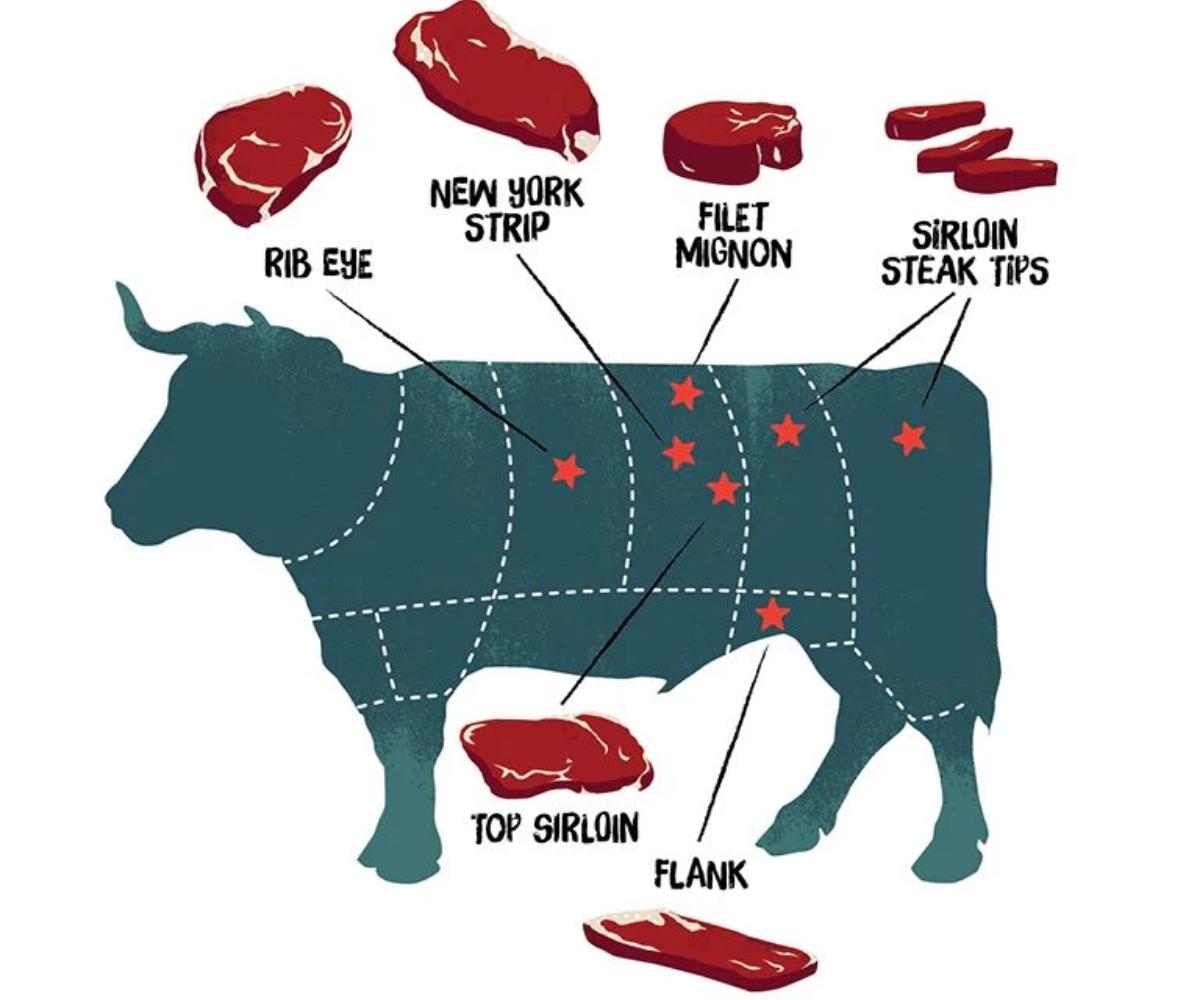
It’s important to differentiate the strip loin from other popular steak cuts to fully appreciate its unique attributes. The ribeye, for instance, comes from the rib section and is known for its intense marbling throughout the cut, giving it a buttery texture and rich flavor. The sirloin, which comes from further back on the cow, is generally leaner and can be a bit tougher than the strip, though it still offers good flavor. The filet mignon, derived from the tenderloin section of the short loin, is the epitome of tenderness but has a milder flavor profile compared to the strip. The New York strip offers a happy medium, providing both excellent tenderness and a pronounced beefy taste, along with the satisfying texture that many crave.
The Journey from Butcher to Table: Preparing the New York Strip
The preparation and cooking of a New York strip are integral to unlocking its full potential. Whether you’re visiting a celebrated steakhouse in Chicago or experimenting in your own kitchen, the goal is to enhance its natural qualities. High-heat cooking methods, such as grilling or pan-searing, are preferred as they create a beautiful crust on the exterior while keeping the interior moist and tender.
Selecting the Perfect Steak
When selecting a New York strip, look for a steak with good marbling – those fine streaks of fat interspersed within the muscle fibers. The color should be a bright cherry red, indicating freshness. A steak that is uniformly thick will cook more evenly, reducing the risk of overcooking certain areas. Many reputable butchers will offer dry-aged New York strips, a process that further concentrates the flavor and tenderizes the meat through enzymatic action. This aging process can significantly enhance the complexity and depth of the steak’s taste.
Cooking Techniques for Optimal Flavor
For pan-searing, a cast-iron skillet is ideal. Start by seasoning the steak generously with salt and freshly ground black pepper. Sear the steak for a few minutes on each side over high heat until a rich brown crust forms. Then, reduce the heat and continue cooking to your desired level of doneness – rare, medium-rare, medium, or well-done. Basting the steak with butter, garlic, and herbs like thyme or rosemary during the last few minutes of cooking adds an extra dimension of flavor. Resting the steak for 5-10 minutes after cooking is crucial; this allows the juices to redistribute throughout the meat, ensuring a moist and tender result. For grilling, a similar approach applies, with direct heat from the coals or gas burners creating that desirable char.
The New York Strip in the Culinary Landscape
The New York strip is a staple in steakhouses and fine dining establishments worldwide, celebrated for its reliable quality and satisfying taste. Its popularity is not limited to the United States; it’s a beloved cut in many international culinary traditions, often featured on menus in Paris, London, and beyond. The name itself evokes the urban sophistication of New York City, a city known for its iconic culinary offerings, from street food to haute cuisine.
Pairing and Presentation
When ordering or preparing a New York strip, classic steakhouse sides are often the perfect accompaniment. Creamed spinach, mashed potatoes, asparagus, and a good quality red wine are timeless pairings that complement the steak’s rich flavor without overpowering it. The versatility of the New York strip also lends itself to creative preparations. It can be sliced thinly for steak salads or stir-fries, or even used in dishes like steak frites, a popular bistro classic.
Ultimately, understanding that the New York strip comes from the well-exercised yet tender short loin of the cow provides a deeper appreciation for this culinary masterpiece. It is a cut that embodies a perfect harmony of flavor, texture, and juiciness, making it a perennial favorite for discerning diners and a highlight of any gastronomic exploration, whether in a bustling metropolis or a quiet countryside inn.
LifeOutOfTheBox is a participant in the Amazon Services LLC Associates Program, an affiliate advertising program designed to provide a means for sites to earn advertising fees by advertising and linking to Amazon.com. Amazon, the Amazon logo, AmazonSupply, and the AmazonSupply logo are trademarks of Amazon.com, Inc. or its affiliates. As an Amazon Associate we earn affiliate commissions from qualifying purchases.