
Understanding the intricacies of state income tax is paramount for anyone considering making California their home, establishing a business, or even evaluating long-term financial plans within the Golden State. Often dubbed a high-tax state, California’s income tax structure is progressive, meaning higher earners pay a larger percentage of their income in taxes. This system aims to distribute the tax burden based on an individual’s ability to pay, but it also necessitates a clear understanding for residents and prospective newcomers alike.
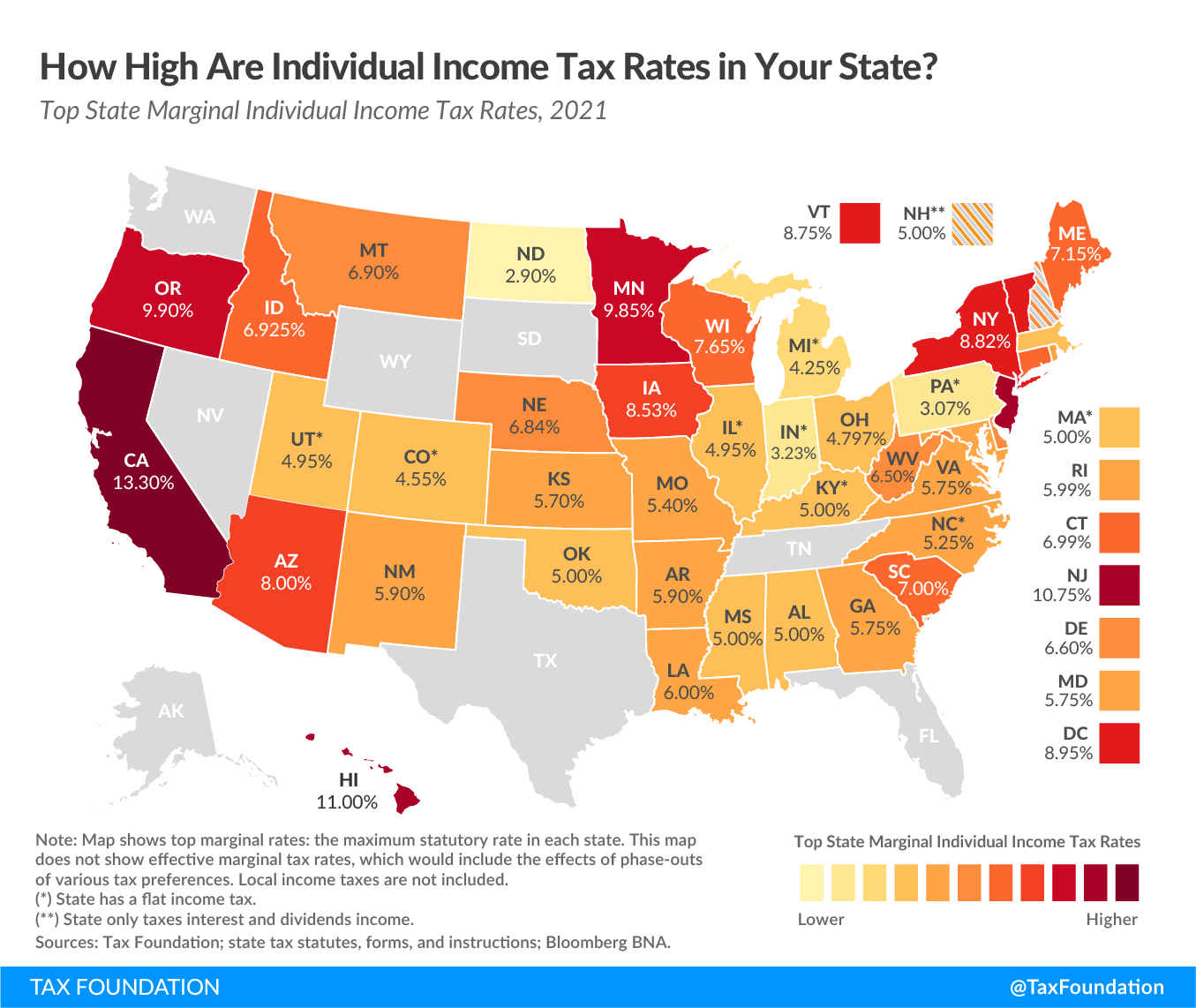
The state income tax in California ranges from a low of 1% to a high of 13.3%. This top marginal rate of 13.3% is among the highest in the nation, applying to individuals earning over approximately $1 million annually. For those considering the California lifestyle, whether for its vibrant culture, economic opportunities, or stunning natural beauty, delving into these figures is more than just a fiscal exercise—it’s a critical component of informed decision-making.
Understanding California’s Progressive Tax System
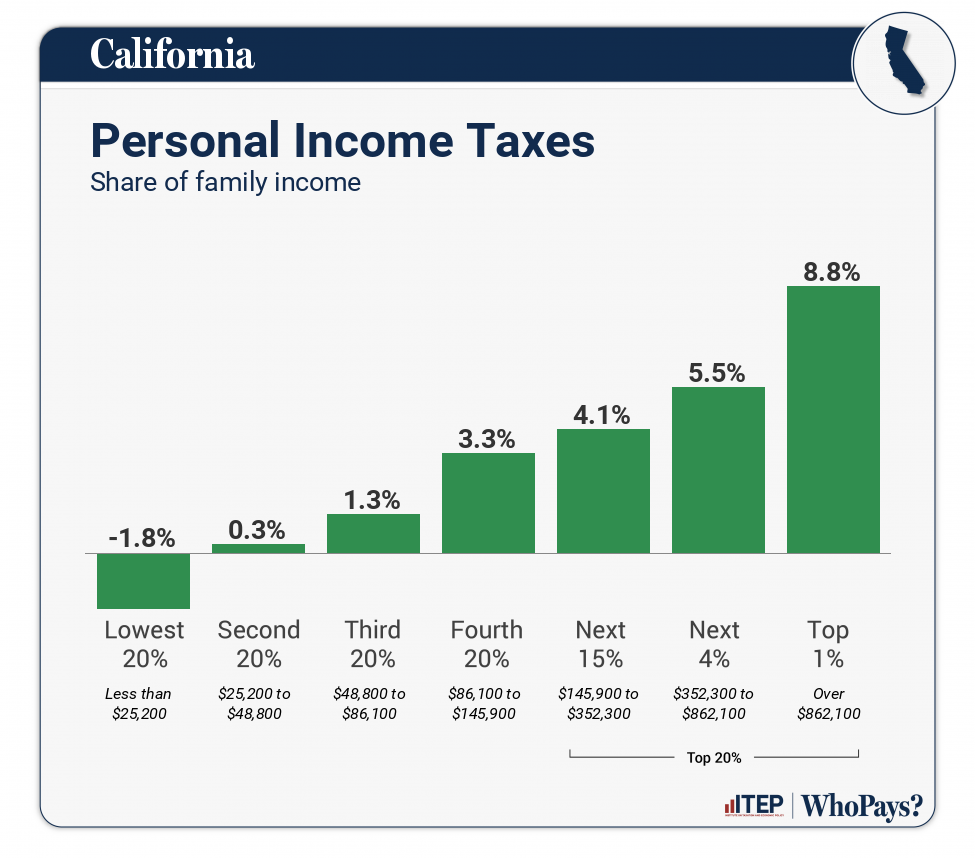
California’s income tax system is designed with multiple tax brackets, each corresponding to a specific income range and tax rate. This progressive structure is a cornerstone of the state’s fiscal policy, aiming for equity in taxation. Unlike a flat tax, where everyone pays the same percentage, a progressive system means that as your taxable income increases, a portion of that income may be taxed at a higher rate. It’s crucial to understand that only the income within a particular bracket is taxed at that bracket’s rate, not your entire income.
How Tax Brackets Work in the Golden State
For the 2023 tax year (filed in 2024), California income tax brackets vary based on filing status (single, married filing jointly, head of household, etc.). While the exact figures are adjusted annually for inflation, the principle remains consistent. For a single filer, for example, the first few thousand dollars of taxable income might be taxed at 1%, gradually increasing through subsequent brackets. The highest marginal rate of 13.3% kicks in for very high earners. This rate includes a 1% surcharge on taxable income over $1 million, specifically designed to fund mental health services.
Understanding these brackets is vital for financial planning. It helps individuals project their after-tax income and make informed decisions about employment, investments, and even where to reside. For instance, a person earning $70,000 annually will face a different effective tax rate than someone earning $200,000, and both will be significantly different from a multi-millionaire. The progressive nature ensures that while the top marginal rate is high, many residents will pay a much lower effective rate on their total income.
Key Factors Influencing Your Tax Rate
Beyond just gross income, several factors can significantly influence your effective California state income tax rate. Deductions and credits play a pivotal role. Standard deductions, itemized deductions (such as mortgage interest, property taxes, or medical expenses), and various state-specific credits can reduce your taxable income or directly lower your tax liability.
Your filing status is another critical determinant. Married couples filing jointly typically have different bracket thresholds compared to single filers, potentially allowing them to keep more of their combined income at lower marginal rates. Dependents also offer tax benefits. Furthermore, income from different sources might be treated differently. Capital gains, for instance, are generally taxed at ordinary income rates in California, which differs from federal tax treatment and can significantly impact investment strategies for high-net-worth individuals. Understanding these nuances is key to optimizing your tax position and managing your overall financial lifestyle effectively.
The Impact of California Taxes on Lifestyle and Financial Planning
The robust state income tax structure in California is not merely a number on a tax form; it profoundly influences lifestyle choices, financial planning, and economic migration patterns. For many, the allure of [California](https://lifeoutofthebox.com/california]’s climate, culture, and innovation hubs like Silicon Valley is strong, but the tax implications are a significant counterpoint that must be carefully weighed.
Relocation Considerations: Is California Right for Your Wallet?
When considering a move to California, especially for professional or retirement reasons, the state income tax is often a major point of discussion. For individuals moving from states with no income tax (like Texas or Florida) or lower income tax rates, the adjustment can be substantial. This isn’t just about income tax; it integrates with the state’s notoriously high cost of living, particularly in metropolitan areas like Los Angeles, San Francisco, and San Diego. Housing costs, utility prices, and even everyday consumer goods tend to be higher.
Therefore, evaluating if California is “right for your wallet” requires a holistic view. A higher gross salary might seem attractive, but after factoring in state income tax and the elevated cost of living, the net disposable income might be less than anticipated. This is particularly relevant for those planning a long-term stay or considering establishing roots in the state. Understanding your personal tax bracket and potential deductions becomes a critical part of determining your projected lifestyle quality.
Business and Investment Climate: What Entrepreneurs Need to Know
For entrepreneurs and business owners, California’s tax environment presents both opportunities and challenges. While the state boasts a massive economy, a skilled workforce, and access to venture capital, the tax burden on businesses and high-income individuals can be a deterrent. Small business owners, for instance, often pay self-employment taxes in addition to state income taxes on their profits, which can significantly reduce their take-home pay.
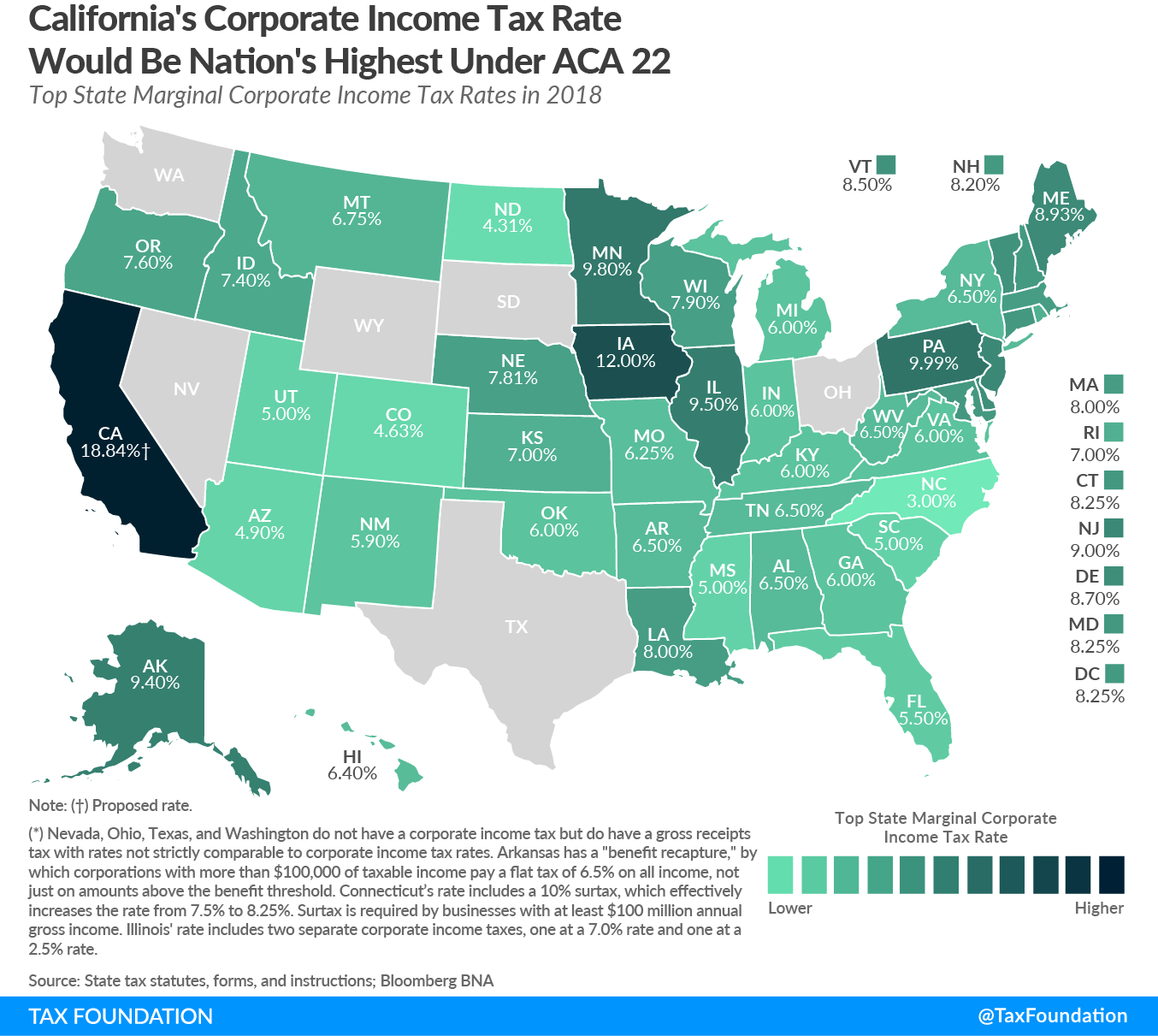
Moreover, the tax treatment of various business structures (sole proprietorships, S-corps, C-corps, LLCs) and investment income (capital gains, dividends) needs careful consideration. California generally taxes capital gains at the same rates as ordinary income, which can impact investment strategies for individuals and businesses aiming for significant returns. Companies also face corporate income taxes and other levies, contributing to the overall cost of doing business. Astute financial planning, often involving tax professionals, is essential for navigating this complex landscape and ensuring business viability and growth in California.
Beyond State Income Tax: A Broader Financial Picture
While state income tax is a major component of California’s financial landscape, it’s crucial to understand that it’s only one piece of the puzzle. A comprehensive financial outlook must incorporate other significant taxes and the overarching cost of living to truly grasp the financial commitment of residing or operating in the state.
Sales Tax, Property Tax, and Other Levies
California imposes several other substantial taxes:
- Sales Tax: The statewide base sales tax rate is 7.25%, but local district taxes can push the combined rate much higher, often exceeding 9% or even 10% in some cities and counties. This means nearly every purchase of tangible goods is subject to an additional levy.
- Property Tax: While Proposition 13 caps the annual increase in assessed value to 2% (or the rate of inflation, whichever is lower) and limits the base property tax rate to 1% of the assessed value, supplementary local bonds and special assessments can increase the effective rate. However, once established, the property tax basis largely remains fixed until the property changes ownership, offering some stability to long-term homeowners.
- Vehicle-Related Taxes and Fees: California has various vehicle registration fees, which are often higher than in many other states, based on the vehicle’s value. There are also gasoline excise taxes.
- Estate Tax/Inheritance Tax: California does not impose an estate or inheritance tax at the state level. However, federal estate tax rules still apply.
These additional taxes, when combined with income tax, contribute to the perception of California as a high-tax state. For budget-conscious individuals or those planning for retirement, these cumulative burdens require careful calculation.
The Total Cost of Living in California
Beyond direct taxation, the overall cost of living in California is a critical factor influencing lifestyle and financial well-being. Housing is often the most significant expense, with median home prices in major urban centers far exceeding national averages. Rental costs are similarly high. Transportation, utilities, groceries, and healthcare also tend to be more expensive than in many other parts of the United States.
For example, a family might find that a seemingly generous salary offer in San Jose or Santa Monica translates to a more constrained lifestyle once all expenses are accounted for, including high state income tax, sales tax on purchases, and elevated housing costs. Therefore, when evaluating the financial implications of a move or an extended stay, it’s essential to look beyond the income tax percentage and consider the entire spectrum of expenses that contribute to the total cost of living. This holistic approach ensures a realistic understanding of one’s potential lifestyle and financial health in California.
Navigating California’s Tax Landscape: Tips for Residents and Newcomers
Successfully managing your finances in California requires proactive planning and a clear understanding of the tax system. Whether you’re a long-time resident or contemplating a move, strategic approaches can help optimize your tax position and enhance your financial lifestyle.
Leveraging Deductions and Credits
One of the most effective ways to mitigate your California state income tax burden is to maximize eligible deductions and credits. The state offers various deductions, similar to federal tax law, such as contributions to traditional IRAs, student loan interest, and certain medical expenses (if they exceed a certain percentage of adjusted gross income). Itemizing deductions, rather than taking the standard deduction, can be beneficial if your eligible expenses are high.
California also provides several state-specific tax credits. These credits directly reduce your tax liability, dollar for dollar, making them particularly valuable. Examples include the California Earned Income Tax Credit (CalEITC) for low-to-moderate income earners, the Child and Dependent Care Expenses Credit, and various credits for specific activities like energy-efficient home improvements. Staying informed about these available deductions and credits, which can change annually, is crucial for effective tax planning.
Seeking Professional Tax Advice
Given the complexity of California’s tax laws, especially for high-income earners, business owners, or individuals with diverse investment portfolios, seeking professional tax advice is often invaluable. A qualified tax advisor or Certified Public Accountant (CPA) specializing in California tax law can provide personalized guidance, help identify all applicable deductions and credits, and ensure compliance with state regulations.
They can also assist with complex issues like residency determination (which dictates whether you owe California income tax), multi-state tax planning, and strategizing for business structures or investment sales to minimize tax implications. For those considering relocation or a significant change in financial circumstances, a professional can offer critical insights into the long-term tax impact on your overall lifestyle and financial goals, making the investment in expert advice often well worth it.
Comparative Outlook: How California Stacks Up
Understanding California’s tax landscape gains further clarity when viewed in comparison to other states. This perspective helps individuals and businesses make informed decisions about where to live, work, and invest, considering the broader economic and lifestyle implications.
Comparing California to Other High-Income Tax States
California consistently ranks among the states with the highest income tax rates in the United States. Other states known for high income taxes include New York, New Jersey, Hawaii, and Oregon. While these states also feature progressive tax systems, California’s top marginal rate of 13.3% often stands out.
However, a direct comparison based solely on income tax rates can be misleading. Each state has a unique blend of other taxes (sales, property, corporate) and varying costs of living. For instance, while New York City also has a high cost of living, Oregon has no state sales tax, which can partially offset its income tax burden for consumers. Evaluating the overall tax burden, combined with the cost of living and specific lifestyle preferences, is essential for a true comparative analysis.
The Trade-offs: High Taxes vs. California Living
The narrative of “high taxes” in California is often balanced against the state’s undeniable advantages. The revenue generated from these taxes funds a wide array of public services, infrastructure, and social programs. These include a robust public education system, significant investments in renewable energy, extensive state parks, and social safety nets.
For many, the trade-off is worthwhile. The opportunity to live in diverse and dynamic cities, enjoy unparalleled natural beauty (from pristine beaches to towering mountains), access world-leading industries (tech, entertainment, agriculture), and benefit from a generally progressive social environment justifies the higher tax burden. The quality of life, economic opportunities, and cultural richness offered by California are powerful draws. Ultimately, the decision of whether the state’s offerings outweigh its financial demands is a personal one, deeply tied to individual lifestyle priorities and financial capacities. Understanding “what percent is California state income tax” is merely the starting point for this broader and more complex evaluation.
LifeOutOfTheBox is a participant in the Amazon Services LLC Associates Program, an affiliate advertising program designed to provide a means for sites to earn advertising fees by advertising and linking to Amazon.com. Amazon, the Amazon logo, AmazonSupply, and the AmazonSupply logo are trademarks of Amazon.com, Inc. or its affiliates. As an Amazon Associate we earn affiliate commissions from qualifying purchases.