
The demographic landscape of any region is a crucial element in understanding its cultural tapestry, social dynamics, and historical trajectory. For Alabama, a state steeped in a complex and influential history, the percentage of its population that identifies as Black is a vital statistic that informs numerous aspects of its identity. This inquiry goes beyond mere numbers; it delves into the ongoing narrative of the American South, touching upon themes of heritage, community, and the enduring impact of historical events.
Understanding Demographic Data and Its Significance
Demographic data, particularly census information, provides a quantitative snapshot of a population at a given time. When examining the percentage of Black individuals in Alabama, we are looking at a figure that reflects decades of migration patterns, economic shifts, and social changes. This data is not static; it evolves, offering insights into the contemporary makeup of the state and its various communities.
The Role of the U.S. Census Bureau
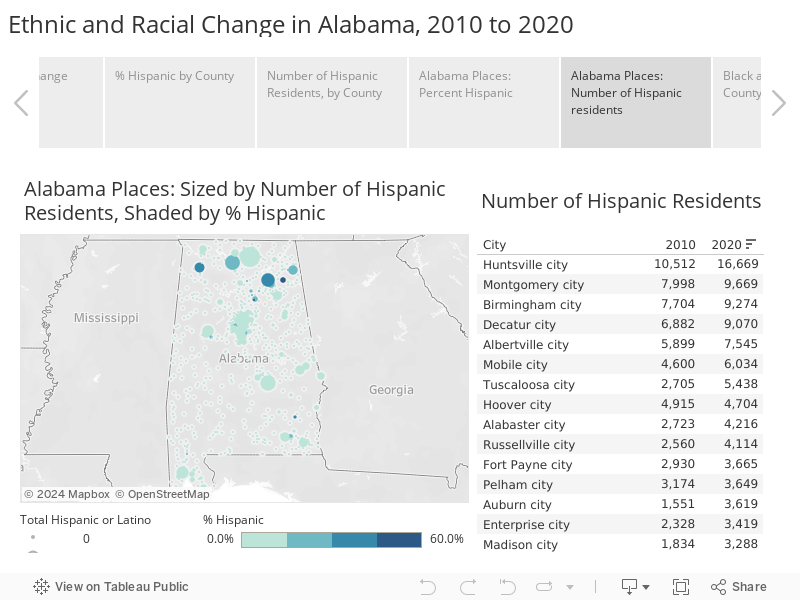
The primary source for this kind of information is the U.S. Census Bureau. Conducted every ten years, the census collects detailed information about the nation’s population, including race and ethnicity. These figures are essential for various purposes, from political redistricting and funding allocations for public services to academic research and historical analysis. Understanding the methodology and reporting of the census is key to interpreting these demographic figures accurately.
Beyond a Single Number: Nuances in Identity
It is important to acknowledge that demographic categories, while necessary for statistical analysis, can sometimes oversimplify the complexities of human identity. The term “Black” encompasses a wide spectrum of heritage, experiences, and self-identification. Many individuals may have multifaceted racial or ethnic backgrounds. Therefore, while a percentage provides a clear marker, it’s the stories and lived experiences behind those numbers that truly paint a comprehensive picture of Alabama’s population.
Historical Context: Roots of the Black Population in Alabama
The significant Black population in Alabama is inextricably linked to the state’s history, primarily shaped by the institution of slavery. The cotton plantations of the antebellum South relied heavily on enslaved African labor, making Alabama a central hub for this brutal system. Following the Civil War and the abolition of slavery, the legacy of this era continued to influence the demographics and social structure of the state.
The Era of Slavery and its Aftermath
Before the Civil War, enslaved Black individuals constituted a substantial portion of Alabama’s population, particularly in the Black Belt region, known for its fertile soil and extensive cotton cultivation. The economic and social systems were built upon their forced labor. After emancipation, many Black Americans remained in the South, often facing continued discrimination and economic hardship, contributing to the persistent demographic presence.
The Great Migration and its Impact
The 20th century witnessed the Great Migration, a period when millions of African Americans moved from the rural South to urban centers in the North, Midwest, and West, seeking economic opportunities and escaping racial oppression. While this migration led to a decrease in the proportion of Black residents in some Southern states, Alabama still maintained a substantial Black population due to a combination of factors, including deep historical roots, family ties, and limited resources for relocation for many.
The Civil Rights Movement and its Enduring Legacy
Alabama was a pivotal battleground during the Civil Rights Movement. Events in cities like Montgomery, Birmingham, and Selma highlighted the struggles for racial equality and justice. The movement fundamentally altered the social and political landscape of the state, and the ongoing pursuit of equality continues to shape its demographic and cultural identity.
Contemporary Demographics of Black Alabamians
The most recent comprehensive data from the U.S. Census Bureau provides the current statistical overview. Analyzing these figures allows us to understand the present-day composition of Alabama and how it compares to historical trends.
Recent Census Data and Key Figures
According to the 2020 United States Census, the Black or African American population in Alabama represents a significant portion of the state’s total residents. The exact percentage can vary slightly depending on how the data is presented and categorized, but it consistently hovers around one-third of the total population. For instance, a commonly cited figure is approximately 26-27% of Alabama’s population identifying as Black or African American alone. This makes Alabama one of the states with the highest proportion of Black residents in the United States, reflecting its deep historical ties to the African American experience.
Geographic Distribution Within Alabama
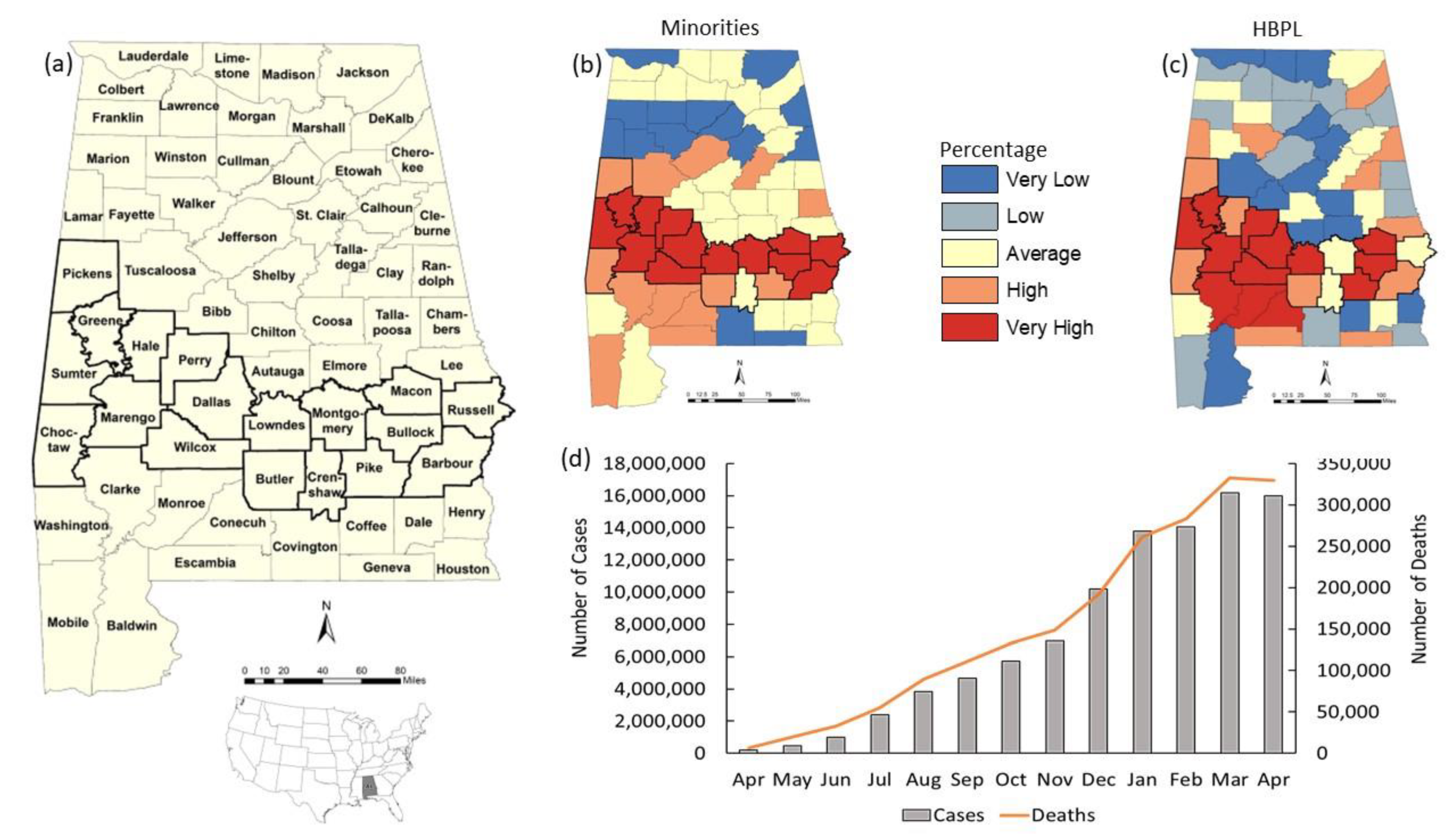
The Black population in Alabama is not uniformly distributed across the state. Historically, and continuing to a large extent today, higher concentrations of Black residents are found in the central and Black Belt counties. This region, characterized by its historically fertile soil suitable for cotton farming, was the heart of the plantation economy. Cities like Montgomery, Birmingham, and Selma also have substantial Black populations, serving as economic and cultural centers. Conversely, some of the more northern and rapidly growing suburban areas might exhibit lower percentages, though this is also subject to change with ongoing migration and development.
Socioeconomic and Cultural Implications
The demographic presence of a large Black population has profound socioeconomic and cultural implications for Alabama. It influences the state’s political discourse, cultural expressions, educational institutions, and economic development strategies. Understanding the demographics is crucial for policymakers, community leaders, and researchers aiming to address issues of equity, opportunity, and social justice within the state. The rich cultural heritage, including music, literature, and cuisine, has been profoundly shaped by the contributions of Alabama‘s Black citizens.
Exploring Black Culture and Heritage in Alabama
The significant percentage of Black residents in Alabama means that the state’s culture, history, and identity are deeply interwoven with the African American experience. Exploring this connection offers a richer understanding of Alabama itself.
Music and the Arts
Alabama has been a fertile ground for musical innovation, particularly in genres with African American roots. From the blues and gospel music that echoed through the fields and churches to the development of soul and R&B, the state has contributed immensely to American music. Landmarks like the Muscle Shoals Sound Studio have been pivotal in recording groundbreaking music by both Black and white artists. The state’s artistic output extends to literature, visual arts, and performance, often reflecting the historical and contemporary realities of its Black communities.
Culinary Traditions
The food of Alabama is a vibrant reflection of its diverse heritage, with Southern cuisine being heavily influenced by African American culinary traditions. Dishes like fried chicken, collard greens, cornbread, and various soul food staples are integral to the state’s gastronomic landscape. These culinary traditions are not just about food but are often tied to community gatherings, family celebrations, and cultural preservation. Exploring the local eateries and food festivals can offer a delicious insight into this aspect of Alabama’s culture.
Historical Sites and Museums
To truly understand Alabama‘s demographics and the history behind them, visiting its historical sites and museums is essential. Sites related to the Civil Rights Movement, such as the Civil Rights Memorial Center in Montgomery and the 16th Street Baptist Church in Birmingham, provide powerful narratives. Museums dedicated to Black history and culture, like the Birmingham Civil Rights Institute, offer in-depth explorations of the African American journey in Alabama and beyond. These sites serve as vital educational resources, illuminating the past and connecting it to the present demographic realities.

Conclusion: A Demographic Pillar of Alabama’s Identity
The percentage of Black individuals in Alabama is more than just a statistic; it is a fundamental component of the state’s historical narrative, cultural richness, and ongoing social evolution. From the plantations of the past to the vibrant communities of today, the African American presence has shaped Alabama in profound and indelible ways. Understanding this demographic reality is key to appreciating the complexities and strengths of this Southern state. As Alabama continues to evolve, its diverse population remains at the forefront of its identity and its future.
LifeOutOfTheBox is a participant in the Amazon Services LLC Associates Program, an affiliate advertising program designed to provide a means for sites to earn advertising fees by advertising and linking to Amazon.com. Amazon, the Amazon logo, AmazonSupply, and the AmazonSupply logo are trademarks of Amazon.com, Inc. or its affiliates. As an Amazon Associate we earn affiliate commissions from qualifying purchases.