
When planning a journey through the United States, travelers often seek out the rugged landscapes of the Pacific Northwest or the high-desert wonders of the Rocky Mountains. Nestled within these regions is Idaho, a state known for its dramatic canyons, crystalline lakes, and a demographic profile that is deeply intertwined with the history of the American West. One of the most common questions from tourists visiting the Gem State is: “What percentage of Idaho is Mormon?”
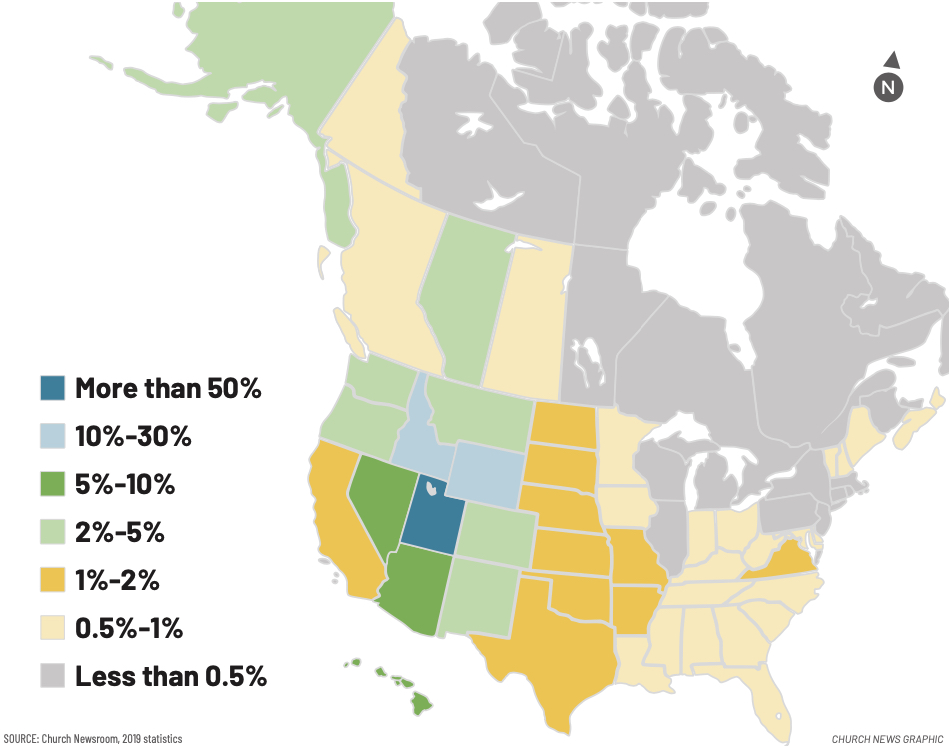
Statistically, approximately 24% to 26% of Idaho residents identify as members of The Church of Jesus Christ of Latter-day Saints. This makes Idaho the state with the second-highest percentage of members in the country, trailing only Utah. For the curious traveler, this demographic reality is not just a number; it is a cultural framework that shapes the local architecture, the community-centric atmosphere, and the unique brand of hospitality found from Boise to Coeur d’Alene.

Understanding the Demographic Tapestry of Idaho
To truly appreciate Idaho tourism, one must understand the historical migration that shaped the region. The influence of the faith is most prominent in the southeastern and eastern parts of the state, where the geography begins to blend with the northern borders of Utah.
The Statistics Behind the Faith
While the statewide average sits around 25%, the distribution is not uniform. In cities like Rexburg, the percentage can soar as high as 90%, largely due to the presence of Brigham Young University-Idaho. Conversely, in northern regions like Sandpoint or the panhandle, the religious makeup is far more diverse and mirrors the broader United States demographic. For tourists, this means that the “vibe” of a town can change significantly as you drive north from Pocatello.
Historical Roots and the Mormon Trail
The history of the faith in Idaho dates back to the mid-19th century. As pioneers moved westward along the Oregon Trail and the California Trail, many families branched off to settle the fertile valleys of the Snake River. This agricultural legacy is still visible today in the sprawling potato fields and the meticulously planned irrigation systems that have turned the arid plains into an agricultural powerhouse. Visiting historical sites like Old Fort Hall provides insight into how these early settlers interacted with the native populations and other travelers heading toward the Pacific Ocean.
How Latter-day Saint Culture Shapes Idaho Tourism
For those visiting Idaho, the cultural influence of the church is felt most strongly in the emphasis on family-friendly environments and the preservation of historical landmarks. The tourism industry in many Idaho towns is built around clean, safe, and wholesome experiences that cater to large multi-generational groups.
Architecture and Temple Sightseeing
One of the most striking visual aspects of the Idaho landscape is the presence of majestic temples. These buildings are often the most prominent architectural landmarks in their respective cities. The Idaho Falls Idaho Temple, with its gleaming white exterior reflecting off the Snake River, is a masterpiece of mid-century design. While the interior of these temples is reserved for members of the faith, the beautifully landscaped grounds and visitor centers are open to the public. They offer a peaceful retreat for travelers and a glimpse into the aesthetic values of the local community. Other notable structures include the Boise Idaho Temple and the recently constructed Meridian Idaho Temple, both of which serve as focal points for local culture and community gatherings.
Family-Centric Values and Activities
Tourism in Idaho is heavily geared toward family activities, a direct reflection of the demographic’s emphasis on the family unit. You will find an abundance of well-maintained public parks, such as Julia Davis Park in Boise, and world-class museums like the Museum of Idaho in Idaho Falls. There is a palpable sense of safety and community in Idaho towns, making it a preferred destination for those traveling with children. The abundance of “u-pick” orchards, community theater, and local festivals reinforces this wholesome atmosphere.
Must-Visit Cultural Landmarks and Religious Sites
To get the most out of a trip to Idaho, travelers should visit specific hubs where the blend of history, culture, and nature is most apparent.
Rexburg: The Heart of the High Desert
Rexburg is perhaps the most culturally distinct city in the state. Home to BYU-Idaho, the town has a youthful, vibrant energy centered around education and faith. Visitors can explore the Teton Flood Museum, which chronicles the 1976 disaster when the Teton Dam collapsed, and the subsequent community effort to rebuild. It is a powerful testament to the resilience and cooperative spirit of the local population.
Idaho Falls and the Greenbelt
Idaho Falls serves as the gateway to Yellowstone National Park and Grand Teton National Park. The Idaho Falls Greenbelt offers miles of walking paths along the river, providing a perfect vantage point for the waterfalls that give the city its name. The city’s culture is a blend of rugged outdoorsmanship and traditional values, making it an excellent base for exploring the Eastern Idaho region.
The Treasure Valley
The Treasure Valley, which encompasses Boise, Meridian, and Nampa, is the economic and political heart of the state. While the Mormon influence is less concentrated here than in the east, it remains a significant thread in the social fabric. Travelers can enjoy the Basque Block in Boise, which highlights another unique ethnic group in the state, showcasing the diverse cultural layers that exist alongside the Latter-day Saint community.
Navigating Local Traditions and Etiquette for Visitors
When traveling in areas with a high concentration of members of the church, there are a few cultural nuances that can enhance your experience and help you navigate the local scene.
Food Culture and Sunday Closures
One of the first things tourists might notice is that Sundays in Idaho can be very quiet. In towns like Rexburg or Rigby, many locally-owned businesses, including restaurants and boutiques, may close on Sundays to allow employees to spend time with their families and attend religious services. It is wise to plan your gas and grocery stops accordingly.
Regarding food, Idaho has a delightful “comfort food” culture. Don’t leave without trying “fry sauce”—a local staple made of mayonnaise and ketchup—or attending a community “Dutch Oven” cookout. The Dutch Oven is the official state pot of Idaho, and its use is a cherished tradition for outdoor gatherings and camping trips in the Sawtooth Mountains.
Community Events and Festivals
Idaho is home to numerous festivals that celebrate its pioneer heritage. The Idaho Days celebrations and various county fairs often feature rodeos, parades, and historical reenactments. These events are deeply rooted in the community’s history and offer an authentic look at the values of hard work and faith that built the state. Participating in these local events is one of the best ways for a tourist to feel the pulse of the Gem State.
Beyond Religion: The Diverse Appeal of the Gem State
While the influence of The Church of Jesus Christ of Latter-day Saints is a significant part of Idaho’s identity, the state offers a wealth of experiences that appeal to every type of traveler.
Outdoor Recreation in the Shadow of History
The landscape of Idaho is its greatest attraction. From the lunar-like landscapes of Craters of the Moon National Monument to the turquoise waters of Bear Lake, often called the “Caribbean of the Rockies,” the natural beauty is staggering. Many of these sites were landmarks for early pioneers. Today, they serve as playgrounds for hikers, skiers, and rafters. Sun Valley, the first destination ski resort in the United States, provides a luxury contrast to the humble agricultural towns nearby.

A State of Contrast and Connection
Ultimately, understanding what percentage of Idaho is Mormon helps a traveler understand the state’s character. It is a place where modern growth meets traditional roots, and where the vast wilderness is dotted with communities built on a foundation of cooperation. Whether you are exploring the Basque culture in Boise, skiing in McCall, or visiting a temple in Twin Falls, you are witnessing a unique American subculture that is welcoming, industrious, and deeply tied to the land.
By respecting local customs—such as the slower pace of life on Sundays—and engaging with the historical narratives of the region, visitors can enjoy a rich, multi-faceted tourism experience. Idaho remains one of the few places in the United States where the spirit of the frontier is still very much alive, shaped by the faith and fortitude of those who call it home.
LifeOutOfTheBox is a participant in the Amazon Services LLC Associates Program, an affiliate advertising program designed to provide a means for sites to earn advertising fees by advertising and linking to Amazon.com. Amazon, the Amazon logo, AmazonSupply, and the AmazonSupply logo are trademarks of Amazon.com, Inc. or its affiliates. As an Amazon Associate we earn affiliate commissions from qualifying purchases.