
When embarking on a journey, especially one that involves bringing a beloved animal companion, understanding the legalities surrounding pet ownership is paramount. This is particularly true when planning a trip to or a move to a new jurisdiction. New York State, like many places, has specific regulations regarding which animals are permitted as pets. These laws are in place to protect both the public and the welfare of the animals themselves. For travelers considering a stay at a resort in the Catskills or a family trip to New York City, knowing these restrictions can save considerable stress and ensure a smooth experience.
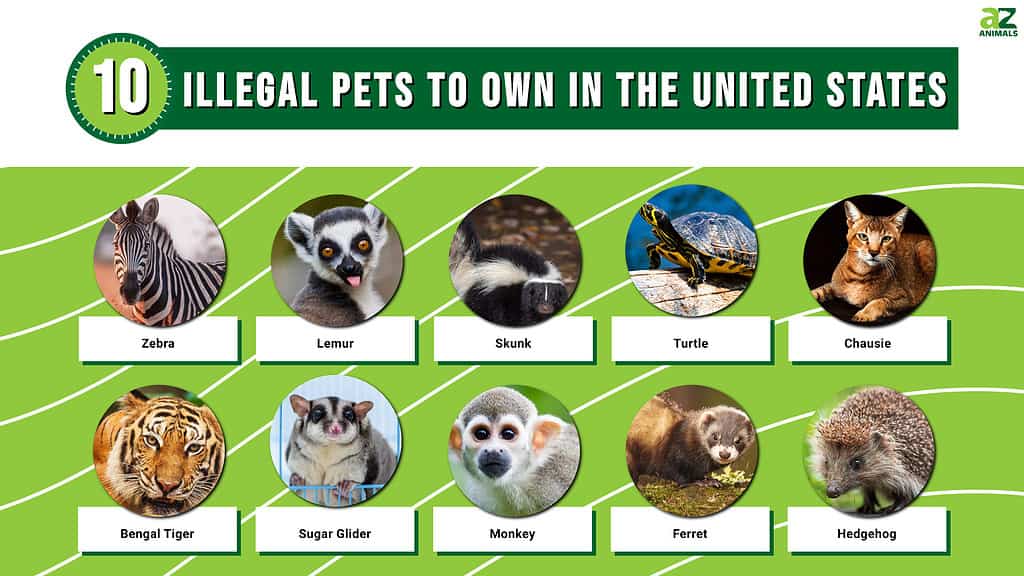
The regulations in New York are not simply about common household pets like dogs and cats. Instead, they delve into a broader spectrum of animals, encompassing those that might be considered exotic or wild. The New York State Department of Environmental Conservation (DEC) is the primary agency responsible for enforcing these laws, often in conjunction with the New York State Department of Health and local authorities. These regulations are designed to prevent public health risks, safeguard native wildlife, and ensure humane treatment for exotic animals that may not be suited for domestic life or the New York climate.
Navigating these rules can be complex, as they often involve detailed lists and specific exemptions. For those planning longer stays, perhaps in an apartment rental in Brooklyn or a villa in the Hamptons, understanding these ordinances is crucial for responsible pet ownership. This guide aims to demystify the regulations, shedding light on the types of pets that are prohibited in New York State. Whether you’re a permanent resident, a prospective homeowner, or simply a tourist looking to bring your furry, scaled, or feathered friend along, this information is vital.
Prohibited Animals: A Comprehensive Overview
The core of New York State’s pet regulations revolves around a list of animals that are deemed illegal to possess without specific permits. These prohibitions generally fall into several categories: dangerous animals, animals that pose a threat to public health or safety, and animals that could disrupt the local ecosystem. Understanding these categories can provide a framework for comprehending the broader rationale behind the laws.
Dangerous Animals and Public Safety
One of the primary reasons for prohibiting certain animals is their inherent potential to cause harm. This category often includes large predators, venomous species, and animals known for their aggressive tendencies. The New York State legislature and regulatory bodies prioritize public safety, and animals that present a significant risk are typically banned from private ownership.
-
Big Cats: Lions, tigers, leopards, jaguars, cougars, and other large feline species are strictly prohibited. These animals, while majestic, possess predatory instincts and considerable strength that make them unsuitable and dangerous as pets in a domestic environment. Their presence in residential areas poses a severe threat to human life and other domestic animals. The allure of owning such a creature, often seen in fictional narratives or exotic circuses, is met with stringent legal barriers in New York.
-
Primates: Monkeys, apes, and other primates are generally illegal to own as pets in New York State. These animals are highly intelligent and require specialized care, social structures, and environmental conditions that are difficult, if not impossible, to replicate in a typical home. Furthermore, they can carry diseases transmissible to humans, and their unpredictable behavior can lead to injuries. Even smaller species of primates are subject to these restrictions.
-
Bears: All species of bears, including black bears and grizzly bears, are illegal to own. Their size, strength, and predatory nature make them exceptionally dangerous. New York State has a wild bear population, and allowing private ownership could lead to confusion, increased human-bear conflicts, and potential escape of these animals into public areas.
-
Venomous Reptiles: Snakes such as rattlesnakes, vipers, and certain constrictors like large pythons are often illegal. While some states allow for the ownership of certain venomous snakes under strict conditions, New York generally prohibits them due to the significant risk of bites and the potential for serious envenomation, which can be life-threatening. This also extends to highly venomous lizards.
-
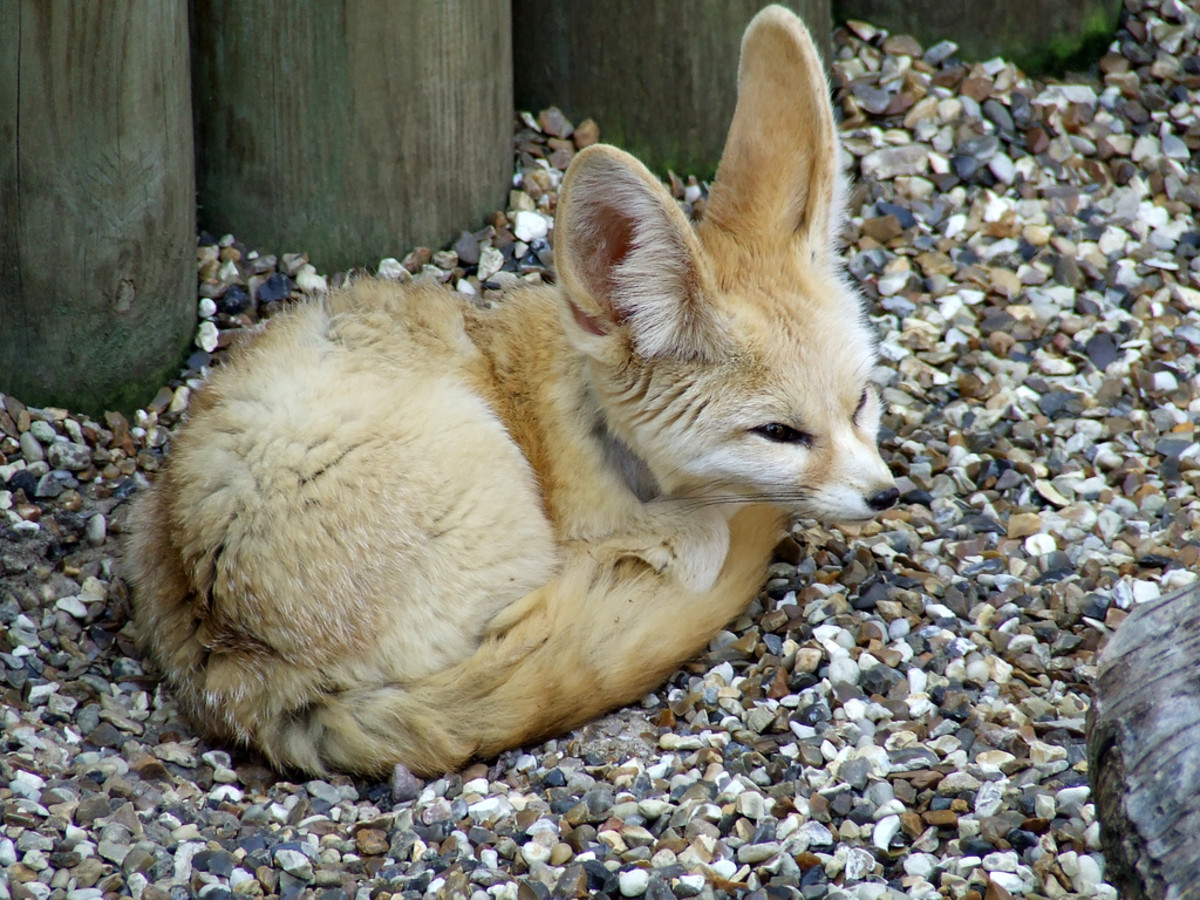
Canids and Felids Other Than Domesticated Breeds: This is a crucial distinction. While domestic dogs and cats are widely accepted, the ownership of wolves, wolf hybrids, coyotes, foxes, and non-domesticated cat species (like bobcats or lynx) is generally prohibited. These animals retain wild instincts that can be unpredictable and dangerous, and they may also carry diseases. Hybrid animals, which possess traits of both wild and domestic species, are often subject to strict regulations or outright bans.
Animals Posing Environmental or Health Risks
Beyond immediate dangers, certain animals are banned because they can pose a threat to the environment or public health in less direct ways. These often include species that are invasive, can carry zoonotic diseases (diseases transferable from animals to humans), or are considered pests.
-
Invasive Species: The New York State DEC actively works to prevent the introduction and spread of invasive species that can harm native ecosystems. This includes certain types of fish, amphibians, reptiles, and invertebrates that, if released into the wild, could outcompete native species, disrupt food webs, or introduce diseases. For example, owning certain types of exotic turtles or fish that are known invasives could be prohibited.
-
Diseased Animals: Any animal that is known to carry diseases that are communicable to humans or other animals is subject to strict regulations. This can include certain rodents or birds that are carriers of diseases like rabies or avian influenza. The intention is to prevent the spread of outbreaks.
-
Domesticated Ferrets: Interestingly, while many people consider ferrets to be common pets, New York State has historically had restrictions on their ownership. While this has been a point of debate and some changes in regulations have occurred in other states, it’s essential to verify the current status for ferrets in New York, as they have been prohibited in the past and could still face limitations. This is often due to concerns about them becoming feral and posing a nuisance or potential health risk.
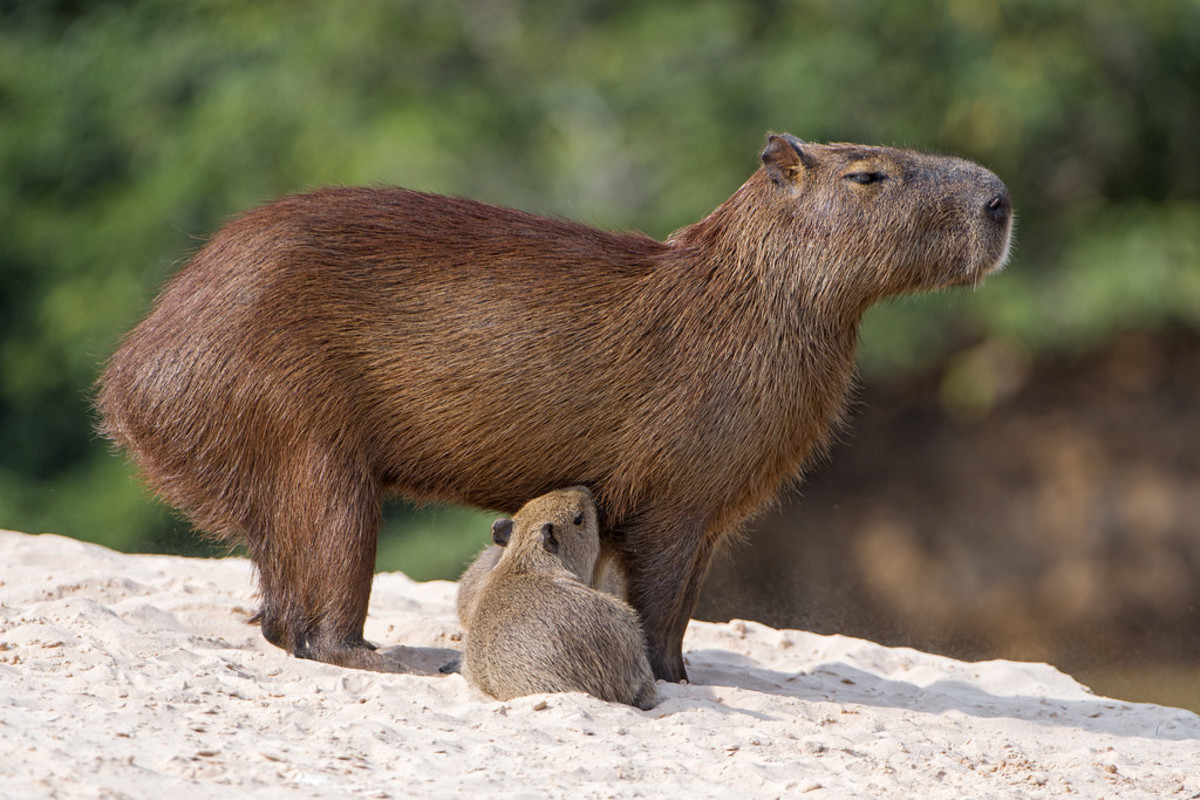
- Wild Animals and Certain Exotic Pets: The broad category of “wild animals” is often included in prohibitions. This encompasses animals that are not domesticated and are typically found in their natural habitats. Examples include raccoons, skunks, hedgehogs, sugar gliders, and certain exotic birds not typically found in the pet trade. While some of these might seem appealing as pets, their complex needs, potential for disease transmission, and the possibility of them escaping and impacting local wildlife make them illegal for most residents. The New York State Wildlife Services often address the issue of rehabilitating or removing such animals found in inappropriate settings.
Navigating the Regulations for Travelers and Residents
For anyone planning a trip to New York State, whether for a relaxing stay at a resort or a bustling exploration of Times Square, it’s crucial to confirm the legality of any pet you intend to bring. The rules can be nuanced, and what might be permissible in one state could be strictly forbidden in New York. This is where diligent research and adherence to official guidelines are essential.
Traveling with Pets
If you are considering a vacation in New York, perhaps staying at a luxury hotel in Manhattan or a charming bed and breakfast in the Finger Lakes region, and you plan to travel with your pet, it is imperative to check the specific pet policies of your accommodation. Many hotels and rental properties have their own rules regarding what types of pets they allow, regardless of state laws.
Beyond accommodation, understanding state and local ordinances is vital. While common domestic pets like dogs and cats are generally allowed, ensure your pet is properly licensed and vaccinated according to New York requirements. For those considering bringing less common pets, such as exotic birds or reptiles, a thorough review of the DEC regulations is non-negotiable. Bringing a prohibited animal into the state could result in confiscation of the animal, fines, and even legal penalties. It’s always better to err on the side of caution and leave pets that might fall into gray areas at home.
Long-Term Stays and Residency
For individuals planning to relocate to New York State, perhaps to a quiet village upstate or a vibrant city apartment, the legalities surrounding pet ownership are a significant consideration. The prohibitions against dangerous animals, invasive species, and certain exotic pets apply to residents just as they do to visitors.
When establishing residency, individuals must ensure that any existing pets comply with New York law. This might involve rehoming certain animals if they are found to be illegal to possess. The New York State Humane Association and local animal shelters can be valuable resources for information on pet regulations and assistance with rehoming if necessary.
It is also important to be aware that even for permitted pets, there may be specific local ordinances. For example, a town or city within New York State might have additional regulations regarding breed-specific restrictions for dogs or limitations on the number of pets allowed per household. Therefore, understanding both state and local laws is crucial for responsible and legal pet ownership.
Understanding Exemptions and Permits
While the list of prohibited pets in New York State is extensive, there are sometimes exemptions and permit systems in place for specific circumstances. These typically cater to licensed individuals or organizations that have a legitimate need to possess certain animals, such as zoological parks, research facilities, or wildlife rehabilitators.
Zoos, Educational Institutions, and Research Facilities
Licensed zoos, accredited educational institutions, and approved research facilities may be granted permits to possess animals that would otherwise be illegal for private ownership. These permits are issued under strict conditions and require the applicant to demonstrate that they have the necessary expertise, facilities, and safety protocols to care for the animals and to prevent any public health or environmental risks. For instance, a research institution studying primates might receive a permit to house them, but this is a highly regulated and controlled environment, not a private residence.
Wildlife Rehabilitators
Licensed wildlife rehabilitators play a critical role in caring for injured or orphaned native wildlife. They may be granted permits to possess specific native wild animals for the purpose of rehabilitation and eventual release back into their natural habitat. These permits are carefully monitored by the New York State DEC to ensure that the animals are being cared for appropriately and that there is no risk of them becoming habituated to humans or posing a threat to public safety.
The Importance of Verification
It is essential to reiterate that regulations can change. The information provided here is a general overview, and specific details can be found on the official New York State Department of Environmental Conservation website. Before acquiring any animal, or before traveling to New York with a pet, it is always best to verify the current laws and regulations directly with the relevant authorities. This due diligence is the cornerstone of responsible pet ownership and ensures compliance with the law, safeguarding both people and animals. The allure of exotic pets can be strong, but understanding the legal boundaries in places like New York is paramount to enjoying your travels and establishing a life there harmoniously.
LifeOutOfTheBox is a participant in the Amazon Services LLC Associates Program, an affiliate advertising program designed to provide a means for sites to earn advertising fees by advertising and linking to Amazon.com. Amazon, the Amazon logo, AmazonSupply, and the AmazonSupply logo are trademarks of Amazon.com, Inc. or its affiliates. As an Amazon Associate we earn affiliate commissions from qualifying purchases.