
Chicago, the bustling heart of the Midwest, is celebrated for its iconic architecture, world-class museums, vibrant culinary scene, and a skyline that proudly hugs the shores of Lake Michigan. Yet, beneath the concrete and steel, a fascinating natural world thrives, profoundly shaped by its specific climate and, more precisely, its plant hardiness zone. For travelers, urban explorers, and those considering an extended stay, understanding Chicago’s plant zone offers a unique lens through which to appreciate its green spaces, seasonal beauty, and the very lifestyle that pulses through the city. Far from being a mere technical detail for gardeners, the plant zone dictates the palette of flora that can flourish, influencing everything from the magnificent displays in Millennium Park to the verdant charm of neighborhood streets, impacting outdoor activities, and even guiding the design of accommodation amenities. This deep dive explores Chicago’s plant hardiness zone, revealing how this seemingly simple classification shapes the travel experience and contributes to the city’s undeniable allure as a destination.
Understanding Chicago’s Plant Hardiness Zone
To truly grasp the natural heartbeat of Chicago, one must first understand the concept of plant hardiness zones. These zones are crucial for anyone planning to cultivate life, whether in a sprawling botanical garden or a quaint window box, and they offer invaluable insight for visitors wishing to experience the city’s seasonal transformations.
Decoding the USDA Hardiness Zone System
The United States Department of Agriculture (USDA) Plant Hardiness Zone Map is a standardized geographical division, delineating areas where specific plants are most likely to survive the winter based on the average annual extreme minimum winter temperature. It’s a critical tool for horticulturists, landscapers, and gardeners, but its implications extend broadly to tourism and lifestyle. The map divides North America into 13 zones, each further split into ‘a’ and ‘b’ subzones. A lower number indicates colder average minimum temperatures. For instance, Zone 1 is extremely cold, while Zone 13 is subtropical or tropical. This system helps determine which perennials, trees, and shrubs can withstand the winter chill and return year after year.
Over the years, as global climate patterns shift, these zones are periodically updated. The most recent comprehensive update by the USDA often reflects a general warming trend, pushing zone boundaries northward. These changes mean that plants once considered too tender for an area might now thrive, subtly altering the horticultural landscape of cities like Chicago.
Chicago’s Specific Zone and What It Means
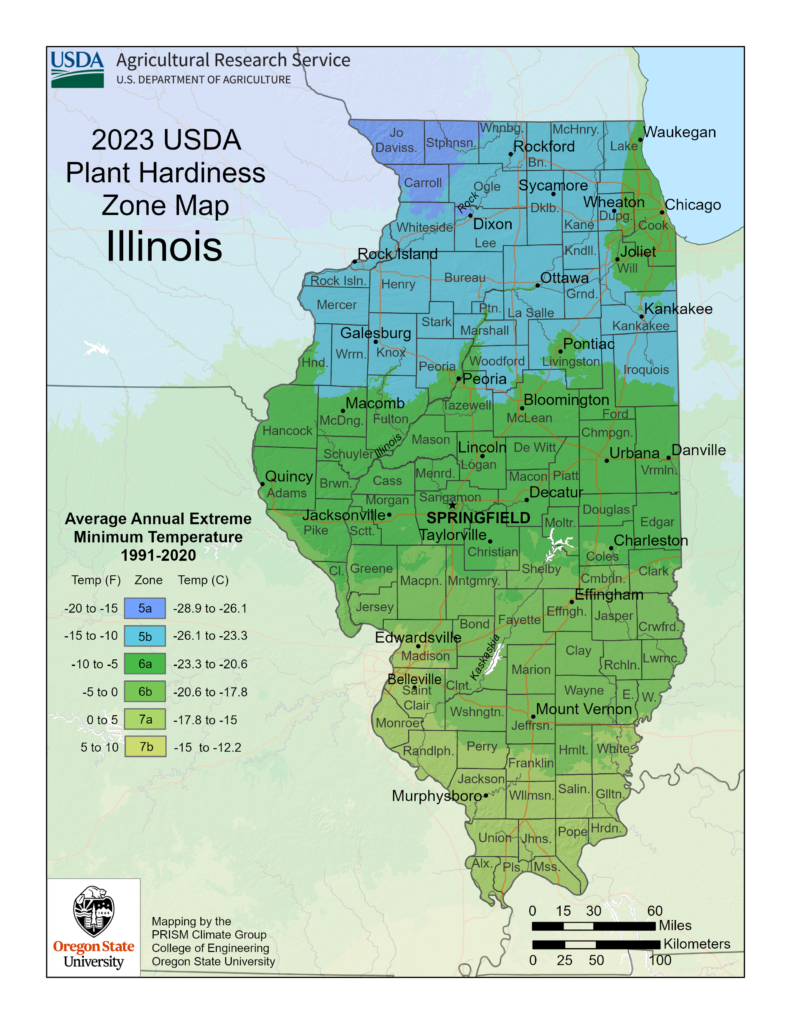
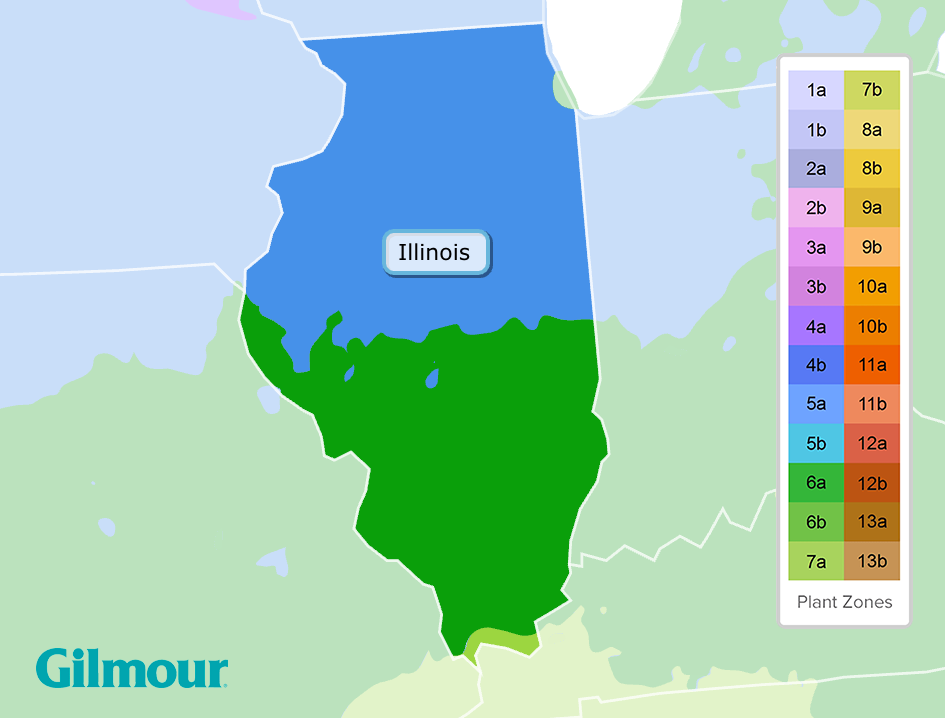
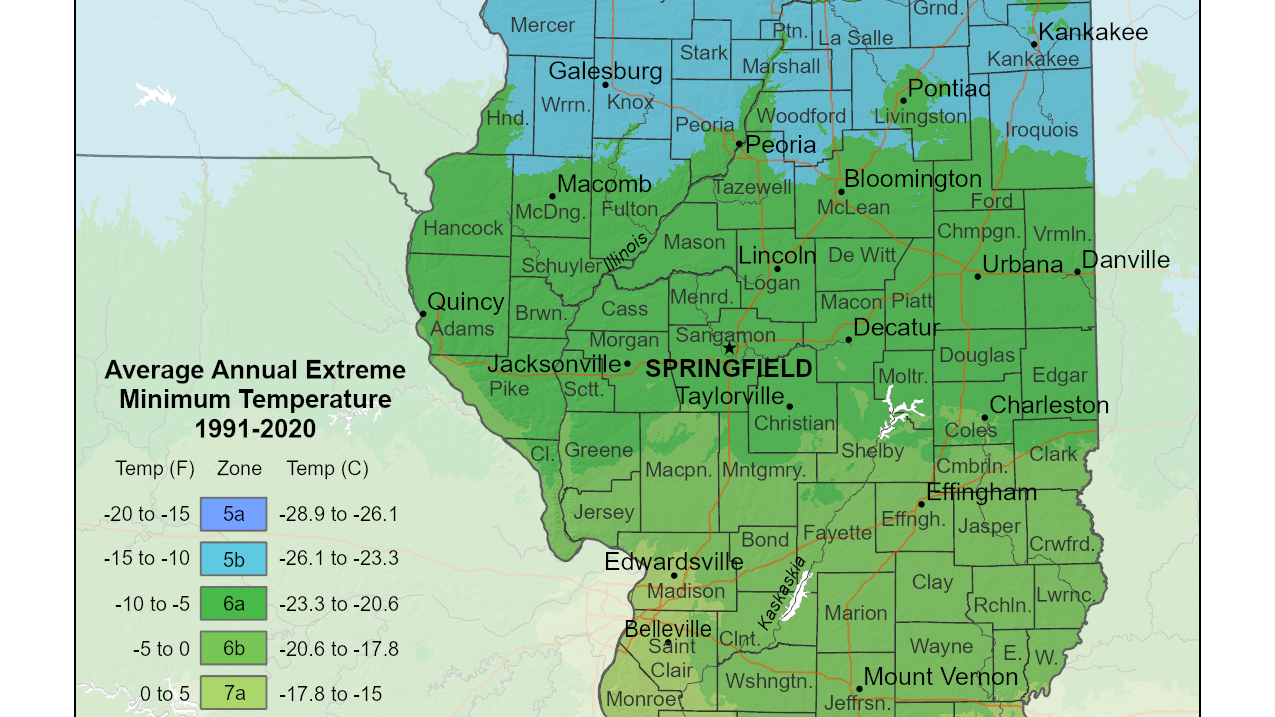
Currently, much of Chicago falls within USDA Hardiness Zone 5b to 6a. Specifically, the core urban areas, influenced by the urban heat island effect (which we’ll discuss shortly), often lean towards the warmer end of Zone 6a, while suburban and outlying areas might be firmly in Zone 5b.
- Zone 5b: Characterized by average annual extreme minimum temperatures between -15°F and -10°F (-26.1°C to -23.3°C).
- Zone 6a: Characterized by average annual extreme minimum temperatures between -10°F and -5°F (-23.3°C to -20.6°C).
What does this translate to for the city’s flora? It means that Chicago can successfully support a wide array of temperate plants, trees, and shrubs that are resilient to cold winters but also tolerant of warm, often humid summers. Common examples include various maples, oaks, elms, lindens, and flowering trees like crabapples and cherries. Perennials such as hostas, coneflowers, daylilies, and many ornamental grasses thrive here, creating diverse and visually appealing landscapes. This zone classification is a fundamental blueprint for the city’s landscape architects and urban planners, ensuring the resilience and beauty of Chicago’s public and private gardens.
Microclimates and the Urban Heat Island Effect
While the USDA zone provides a broad guideline, urban environments often create their own “microclimates.” Chicago is a prime example of a city experiencing the “urban heat island effect.” This phenomenon occurs when metropolitan areas are significantly warmer than their surrounding rural areas due to human activities and the prevalence of heat-absorbing surfaces like concrete, asphalt, and buildings. These materials absorb and store solar radiation, releasing it slowly, especially at night. Furthermore, the absence of natural vegetation and open water, coupled with heat generated by vehicles, industries, and heating/cooling systems, contributes to higher ambient temperatures within the city core.
For plants, this means that pockets within downtown Chicago or densely built neighborhoods might effectively behave as if they are in a slightly warmer hardiness zone, sometimes pushing towards 6b. This allows for the successful cultivation of slightly less hardy species in sheltered locations, adding to the diversity of the city’s urban flora. Understanding these microclimates is fascinating for visitors interested in urban planning and sustainability, as it reveals the complex interplay between human development and the natural world, even within the strictures of a plant hardiness zone.
The Green Heart of the Windy City: Parks, Gardens, and Natural Attractions
Chicago’s plant hardiness zone is not just a scientific classification; it’s the foundational element that underpins the city’s breathtaking green spaces, which serve as essential lungs and vibrant cultural hubs. For travelers, these parks and gardens are not just pleasant diversions; they are integral to the Chicago experience, offering diverse attractions and experiences.
Iconic Green Spaces Shaped by the Zone
The ability of Zone 5b/6a to support a robust variety of plant life allows Chicago to boast an impressive collection of world-class parks and botanical institutions. These landmarks are meticulously designed, with plant choices carefully selected to thrive in the local climate, ensuring year-round beauty and ecological resilience.
- Millennium Park: Perhaps the most famous example, this park is a modern marvel of landscape architecture. The Lurie Garden within Millennium Park exemplifies responsible horticulture, featuring a stunning array of perennials, grasses, and shrubs chosen for their hardiness in Zone 5b/6a, as well as their aesthetic appeal. It offers a captivating journey through changing seasons, from vibrant spring blooms to resilient winter textures, all against the backdrop of the city skyline and Cloud Gate, famously known as “The Bean.”
- Grant Park: Known as “Chicago’s front yard,” Grant Park hosts numerous festivals and boasts beautifully landscaped areas, including the expansive gardens around Buckingham Fountain. The trees and plantings here are all carefully chosen to withstand the zone’s temperatures, contributing to the park’s majestic scale.
- Lincoln Park: One of the largest urban parks in the United States, Lincoln Park is home to the free Lincoln Park Zoo, several beaches, and extensive gardens. The Lincoln Park Conservatory, a stunning Victorian-era glass house, allows visitors to experience tropical flora regardless of the outdoor zone, but its surrounding outdoor gardens showcase native and adapted plants.
- Garfield Park Conservatory: One of the largest and most impressive conservatories in the United States, this “landscape art under glass” also has extensive outdoor gardens featuring plants hardy to Chicago’s zone. It’s an essential visit for any plant enthusiast or anyone seeking a verdant escape.
- Chicago Botanic Garden: Located just north of the city, the Chicago Botanic Garden is a world-renowned living museum. Its numerous themed gardens are a testament to what can thrive in Zone 5b/6a, featuring everything from dazzling rose gardens to serene Japanese gardens, all meticulously curated to showcase diverse plant collections adaptable to the regional climate.
Seasonal Splendor: A Traveler’s Guide to Chicago’s Flora
The plant hardiness zone dictates the rhythm of Chicago’s seasons, transforming the cityscape with a stunning visual narrative that changes throughout the year. For travelers, understanding this rhythm can significantly enhance the timing and focus of their visit.
- Spring (April-May): As the winter chill recedes, Chicago bursts into life. Daffodils, tulips, crocuses, and hyacinths blanket parks and boulevards. Flowering trees like cherry, magnolias, and crabapples create breathtaking displays of pinks and whites. This is an ideal time for strolls through Lincoln Park and Grant Park, and the Chicago Botanic Garden is a riot of color.
- Summer (June-August): The city’s green spaces are at their most vibrant. Perennial beds are in full bloom with coneflowers, hydrangeas, daylilies, and ornamental grasses. The deep greens of mature trees offer welcome shade. Summer is perfect for picnics in Millennium Park, enjoying the Riverwalk’s planters, or attending outdoor festivals surrounded by lush greenery.
- Autumn (September-October): Chicago’s urban canopy transforms into a spectacular tapestry of reds, oranges, and golds. Maples, oaks, and ginkgo trees put on a brilliant display before winter. This season offers picturesque opportunities for architectural boat tours against a colorful backdrop and scenic walks along the lakefront.
- Winter (November-March): While much of the city’s flora lies dormant, hardy evergreens and the stark beauty of deciduous trees create a serene landscape. Conservatories like Lincoln Park and Garfield Park offer a warm, green escape, showcasing tropical plants. The dormant gardens also highlight structural elements, offering a different kind of beauty.
Outdoor Activities and Experiences
The plant zone’s influence on Chicago’s natural beauty directly translates into a wealth of outdoor activities. Hiking and biking trails weave through parks and along the Lakefront Trail, offering stunning views of flora and the cityscape. Picnics in designated park areas become popular warm-weather rituals. Numerous outdoor festivals, concerts, and art installations are staged amidst these green backdrops, enhancing the local culture and community spirit. The very air of Chicago feels different in its green spaces, providing a refreshing counterpoint to the urban bustle, all thanks to the carefully selected and hardy plants that thrive in its zone.
Lifestyle and Accommodation: Embracing Chicago’s Green Side
Beyond public parks and botanical institutions, Chicago’s plant hardiness zone subtly influences the everyday lifestyle of its residents and profoundly impacts choices for accommodation and hotels, integrating nature into the urban fabric in unexpected ways.
Urban Gardening and Local Culture
The ability to grow a diverse range of plants in Zone 5b/6a fosters a vibrant urban gardening culture in Chicago. Community gardens, often tucked between buildings or occupying reclaimed lots, thrive across neighborhoods, cultivating everything from vegetables and herbs to flowers. Rooftop gardens and green walls are increasingly popular, not only for their aesthetic appeal but also for their ecological benefits, such as mitigating the urban heat island effect and improving air quality. These initiatives contribute significantly to Chicago’s local culture, fostering community engagement and providing fresh, locally sourced produce. Visitors can often find these goods at bustling farmers’ markets, connecting directly with the city’s green-thumbed residents and experiencing a taste of its horticultural bounty. This integration of nature into daily life offers a unique perspective for those interested in sustainable urban living and eco-tourism.
Hotels and Green Amenities
The influence of Chicago’s plant zone extends to the hospitality sector, where hotels, resorts, and apartments increasingly incorporate green amenities into their design and guest experience. Many luxury hotels and boutique hotels feature beautifully landscaped courtyards, rooftop terraces, or even indoor gardens that showcase plants hardy to the region or those adapted for indoor environments. These green spaces offer serene retreats for guests, enhancing relaxation and providing a connection to nature amidst the urban hustle. Imagine a morning coffee on a hotel balcony overlooking a verdant inner courtyard, or a rooftop bar surrounded by planters overflowing with local flora—these elements contribute significantly to the aesthetic and atmosphere of a stay.
Some hotels near major green landmarks, such as those bordering Millennium Park or Lincoln Park, leverage their proximity by offering rooms with garden views, promoting the city’s natural beauty as a key amenity. For travelers, selecting accommodation with such green features can elevate their overall experience, whether they are on a family trip, a business stay, or a luxury travel escape. These thoughtful touches reflect a growing appreciation for biophilic design and sustainability in the hospitality industry.
Sustainable Travel and Eco-Conscious Stays
Understanding Chicago’s plant zone also aligns with the broader trend of sustainable travel and eco-conscious choices. When a city embraces its natural climatic conditions to foster resilient urban green spaces, it demonstrates a commitment to environmental stewardship. Travelers who prioritize sustainability might seek out accommodations that incorporate native plantings, maintain green roofs, or source local ingredients (often from urban gardens) for their restaurants. Choosing hotels and resorts that thoughtfully integrate with the local ecosystem, guided by an understanding of the plant zone, contributes to a more responsible and enriching travel experience. This appreciation for the local flora transforms a stay from merely a transaction into a deeper engagement with the city’s environmental efforts and lifestyle.
Planning Your Visit: Chicago Through the Seasons
The plant hardiness zone, and the resulting botanical tapestry of Chicago, offers a compelling framework for planning a visit. Each season presents a unique opportunity to engage with the city’s natural beauty, complementing its other world-renowned attractions.
When to Experience Chicago’s Natural Beauty
For those whose primary interest lies in Chicago’s green spaces and natural allure, timing is everything.
- Spring (late April to early June): This is arguably the most enchanting time for floral enthusiasts. The city awakens with vibrant blooms, particularly in the public parks and the Chicago Botanic Garden. The air is crisp, and outdoor activities become truly enjoyable before the heat of summer.
- Summer (June to August): While warmer, summer offers lush greenery and peak blooming periods for many perennials. It’s ideal for enjoying the Riverwalk, lakefront parks, and attending outdoor festivals. The sheer vibrancy of the city’s landscaping is captivating.
- Autumn (September to October): Fall foliage in Chicago can be stunning, particularly in wooded parks and along tree-lined streets. The cooler temperatures are perfect for walking tours, architectural cruises, and enjoying the last vestiges of outdoor dining.
- Winter (November to March): While less about outdoor blooms, winter offers a stark beauty and excellent opportunities to explore indoor conservatories like Lincoln Park Conservatory and Garfield Park Conservatory, providing a tropical escape from the cold. The holiday season also brings festive lights that transform the urban landscape.
Your preferred botanical display should guide your seasonal choice, ensuring your travel experience aligns with the natural rhythms of the city.
Beyond the Blooms: Complementary Attractions
While the plant zone shapes Chicago’s green appeal, the city offers a wealth of other attractions that perfectly complement its natural beauty. A visit to the Art Institute of Chicago, Field Museum, or Shedd Aquarium can easily be combined with a stroll through Grant Park. Architectural boat tours along the Chicago River provide not only stunning views of landmarks like the Willis Tower but also insights into the city’s urban planning, which often incorporates green design. Exploring the vibrant Magnificent Mile for shopping or dining in one of Chicago’s Michelin-starred restaurants can be interspersed with relaxing moments in a nearby park or garden. The city’s comprehensive tourism infrastructure ensures that whether you’re interested in local culture, food, history, or nature, there’s an itinerary that seamlessly blends the best of both worlds.
Tips for Enjoying Chicago’s Outdoors
- Dress in Layers: Chicago’s weather can be unpredictable, especially in spring and fall. Layers are key to comfort while exploring outdoor spaces.
- Comfortable Footwear: With so many parks and green areas, you’ll want to do a lot of walking.
- Utilize Public Transportation: Chicago’s excellent ‘L’ train and bus system can get you to most major parks and gardens efficiently.
- Check Event Calendars: Many parks host free events, concerts, and festivals, especially during warmer months.
- Stay Hydrated: Essential during summer explorations.
By keeping these tips in mind, visitors can fully immerse themselves in the rich tapestry of Chicago’s urban and natural environments.
In conclusion, Chicago’s plant hardiness zone, primarily 5b to 6a, is far more than an agricultural footnote. It is the invisible hand that sculpts the city’s natural beauty, dictating the flourishing of its world-class parks, shaping its seasonal grandeur, and influencing its vibrant urban lifestyle. For travelers, understanding this zone unlocks a deeper appreciation for Chicago’s resilience and its commitment to integrating green spaces into its bustling urban fabric. Whether you’re drawn by the architectural wonders, the culinary delights, or the artistic prowess, taking the time to explore Chicago’s verdant heart, informed by its unique climatic conditions, promises a richer, more profound travel experience that connects you to the very pulse of the Windy City.
LifeOutOfTheBox is a participant in the Amazon Services LLC Associates Program, an affiliate advertising program designed to provide a means for sites to earn advertising fees by advertising and linking to Amazon.com. Amazon, the Amazon logo, AmazonSupply, and the AmazonSupply logo are trademarks of Amazon.com, Inc. or its affiliates. As an Amazon Associate we earn affiliate commissions from qualifying purchases.