
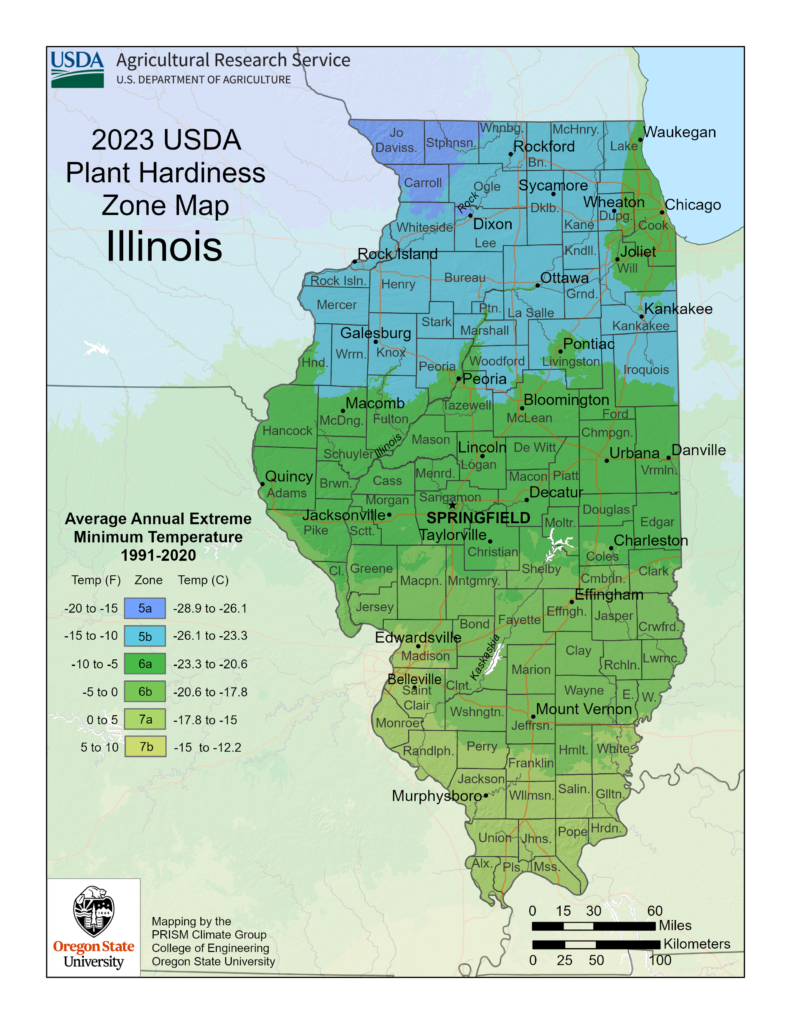
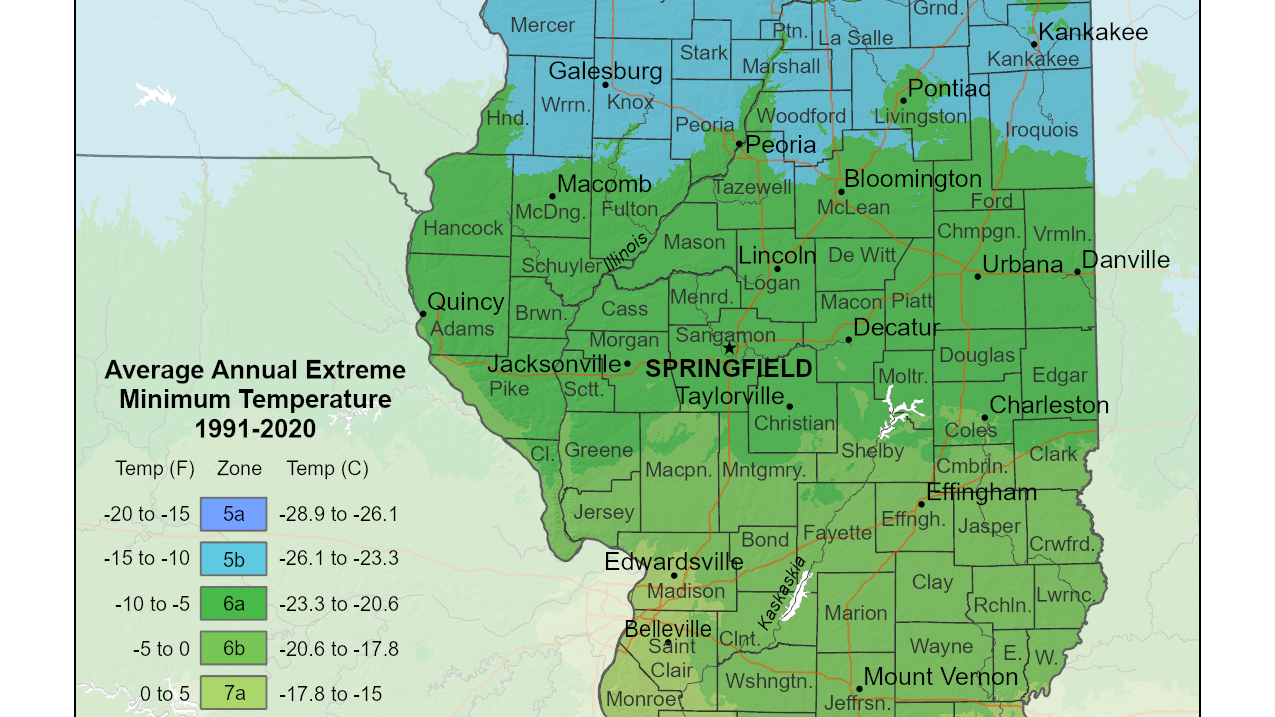
For residents and visitors alike, understanding the natural rhythms and capabilities of a city’s environment profoundly shapes their lifestyle. In Chicago, Illinois, this understanding begins with its planting zone. Far from being a niche horticultural detail, Chicago’s USDA Plant Hardiness Zone is a foundational element that dictates the very fabric of its urban green spaces, influences the hobbies of its citizens, and even contributes to the city’s aesthetic and ecological resilience. It tells a story about what thrives in the Windy City and, by extension, how its people connect with nature within a bustling metropolis. The USDA Plant Hardiness Zone Map is a critical tool for gardeners and urban planners, dividing North America into 13 zones based on the average annual extreme minimum winter temperature. Each zone represents a 10-degree Fahrenheit range, further divided into ‘a’ and ‘b’ sub-zones (5-degree Fahrenheit increments). For years, Chicago was predominantly classified as Zone 5b. However, with updated data reflecting recent climate shifts, many parts of the city, particularly the more urbanized areas, are now recognized as Zone 6a. This nuanced designation, spanning 5b to 6a, highlights the specific challenges and opportunities for cultivating plant life in one of America’s largest cities, directly impacting the lifestyle choices available to its inhabitants and the visual appeal of its public spaces. From the small window box on an apartment balcony to sprawling urban parks, the hardiness zone is the silent arbiter of what grows, what flourishes, and what defines Chicago’s verdant lifestyle.
Understanding Chicago’s Climatic Identity: Zone 5b/6a
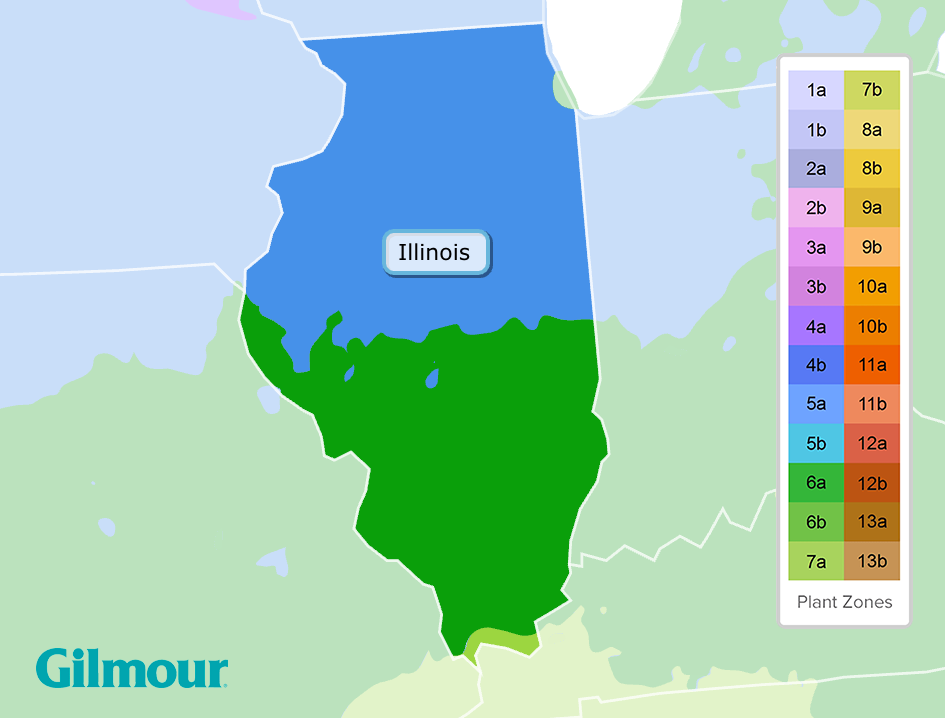
The designation of Chicago as primarily Zone 5b, with significant areas now tipping into 6a, offers a crucial lens through which to view the city’s green lifestyle. This zone indicates that the average annual extreme minimum winter temperature falls between -15°F and -10°F for Zone 5b, and -10°F and -5°F for Zone 6a. While seemingly a small difference, these few degrees profoundly impact the palette of plants that can reliably survive the city’s notoriously harsh winters. This classification is not merely an agricultural detail; it’s a guidepost for urban planning, residential gardening, and the overall ecological resilience of the city, shaping the aesthetics and accessibility of nature for millions.
The USDA Plant Hardiness Zone Map Explained
The USDA Plant Hardiness Zone Map is the standard by which gardeners and growers can determine which plants are most likely to thrive at a location. Its creation is a complex process, utilizing data from thousands of weather stations across the United States and accounting for factors like elevation, proximity to large bodies of water, and urban heat islands. For Chicago, being in Zone 5b/6a means that residents can successfully grow a wide array of perennials, shrubs, and trees that can tolerate cold, prolonged winters, provided they are chosen carefully. This knowledge empowers a significant portion of the population to engage in gardening as a lifestyle, whether it’s growing vibrant flowers in their yards or cultivating vegetables on a rooftop. The map serves as a starting point, informing decisions about plant selection that range from ensuring a homeowner’s prize rose bush survives the winter to helping the Chicago Park District select appropriate species for its expansive public landscapes. Without this understanding, the city’s green spaces would be far less vibrant, and the opportunities for nature-based lifestyles significantly diminished.
Microclimates and Urban Heat Islands in the Windy City
While the USDA zone provides a general guideline, Chicago’s urban environment is a tapestry of microclimates, areas where local climatic conditions differ from the general zone. These microclimates are especially prevalent in a dense metropolitan area like Chicago, where factors such as large buildings, paved surfaces, and the proximity to Lake Michigan create unique growing conditions. The most significant phenomenon impacting Chicago’s microclimates is the “urban heat island” effect. Concrete, asphalt, and building materials absorb and retain heat more effectively than natural landscapes, leading to significantly warmer temperatures within the city center compared to surrounding suburban or rural areas. This phenomenon is a primary reason why some parts of Chicago have transitioned from Zone 5b to 6a.
The tempering effect of Lake Michigan also plays a crucial role, moderating temperatures along the immediate shoreline. In winter, the lake can sometimes slightly warm adjacent areas, while in spring and summer, it can cool them. These subtle shifts allow for greater diversity in planting choices for those living closer to the lakefront, supporting a different lifestyle of gardening and outdoor living. For urban gardeners, understanding these microclimates means they can sometimes push the boundaries of their zone, experimenting with plants typically suited for a slightly warmer climate by utilizing sheltered spots, south-facing walls, or even container gardening, which allows for overwintering plants indoors. This nuanced understanding of Chicago’s climatic identity fosters a more adventurous and personalized approach to urban greening, enriching the lifestyle experience of connecting with nature right outside one’s door.
Cultivating an Urban Lifestyle: Gardening and Green Spaces
The unique 5b/6a planting zone of Chicago isn’t just a technicality for professional horticulturists; it’s a vital component of the urban lifestyle, profoundly influencing how residents interact with their environment. From nurturing delicate herbs on a windowsill to transforming an entire backyard into a vibrant oasis, the hardiness zone dictates the possibilities and challenges of green living in the city. It empowers a diverse range of gardening practices, fosters community connections, and contributes to the overall well-being and aesthetic pleasure of city life, creating a lifestyle deeply intertwined with nature’s cycles.
Home Gardening: From Balconies to Backyards
For many Chicagoans, home gardening is more than just a hobby; it’s a fundamental aspect of their lifestyle, offering a personal connection to nature amidst the urban hustle. The Zone 5b/6a classification provides a robust framework for these endeavors. Residents with backyards, particularly in neighborhoods like Lincoln Square, Ravenswood, or parts of the North Side and South Side, can cultivate a wide variety of perennials, shrubs, and trees, from hardy roses and hydrangeas to fruit trees like apples and pears. The zone ensures that these investments of time and effort are likely to pay off, with plants returning year after year, forming the backbone of a sustainable home landscape.
However, home gardening in Chicago isn’t limited to those with expansive plots. Apartment dwellers, a significant portion of the city’s population, embrace container gardening on balconies, patios, and even windowsills. The hardiness zone still plays a role here, guiding the selection of annuals and tender perennials that thrive during the warmer months, as well as indicating which perennial herbs or small shrubs might survive winter if brought indoors or heavily protected. This adaptability allows individuals across all housing types to participate in green living, fostering a personal lifestyle enriched by the simple act of nurturing plants. From growing colorful petunias on a Wicker Park balcony to cultivating a small vegetable patch in Hyde Park, the hardiness zone underpins the diverse tapestry of Chicago’s residential gardening lifestyle.
Community Gardens: Nurturing Neighborhood Life
Beyond individual homes, Chicago’s planting zone also significantly influences the proliferation and success of community gardens, which are vibrant hubs of neighborhood life. These shared green spaces, found in various wards across the city, offer residents without private yards the opportunity to grow their own food and flowers, fostering social interaction, skill-sharing, and a deep sense of community. The Zone 5b/6a designation guides the types of plants that can be grown collectively, ensuring a productive growing season for a wide array of vegetables, herbs, and ornamental plants. From tomatoes and peppers to kale and carrots, the zone allows for a diverse harvest that feeds families and strengthens local food systems.
Community gardens, like those supported by the Chicago Botanic Garden‘s urban agriculture programs or local neighborhood initiatives, are more than just plots of land; they are extensions of Chicago’s lifestyle, promoting health, education, and ecological awareness. They provide therapeutic green spaces, educational opportunities for children, and platforms for cultural exchange. The reliability of the planting zone means that these community efforts are sustainable, encouraging long-term engagement and investment from residents. This collaborative approach to gardening transforms vacant lots into thriving ecosystems, nurturing both plants and people, and embedding green living deep within the city’s social fabric.
Edible Landscapes: Growing Your Own in the City
The concept of edible landscapes, where food-producing plants are integrated into ornamental designs, is gaining traction in Chicago, greatly supported by its 5b/6a planting zone. This lifestyle trend sees homeowners and even commercial properties incorporating berry bushes, fruit trees, and various herbs directly into their front yards or public-facing planters. The hardiness zone ensures that these edible plants, often chosen for their aesthetic appeal as much as their yield, can reliably survive the winter and produce year after year. Imagine walking through a North Center neighborhood and seeing a blueberry bush thriving alongside a rose bush, or a cherry tree providing shade in a small front yard in Logan Square.
Beyond residential settings, urban farms and smaller-scale commercial growers within Chicago also rely heavily on the planting zone. These operations, often found in former industrial areas or on rooftops, provide fresh, local produce to restaurants and farmers’ markets like Green City Market and Logan Square Farmers Market. The ability to grow a wide variety of crops within the 5b/6a zone supports a robust local food movement, empowering a lifestyle that prioritizes fresh, sustainably sourced ingredients. This integration of edible plants into the urban fabric not only enhances the city’s green aesthetic but also fosters a deeper connection to food sources and sustainable living for Chicagoans, making gardening a truly integral part of the metropolitan lifestyle.
Iconic Green Sanctuaries and Public Plantings
Chicago’s dedication to green spaces is legendary, manifesting in vast parks, renowned conservatories, and meticulously planned streetscapes. The city’s 5b/6a planting zone is the unsung hero behind these iconic landscapes, enabling the selection of species that not only survive but thrive, contributing significantly to the urban lifestyle. These public plantings are more than just pretty scenery; they are vital recreational areas, ecological havens, and powerful expressions of civic pride, shaping how residents and visitors experience the city’s natural beauty.
Chicago’s World-Class Conservatories
Within Chicago’s urban sprawl, two magnificent institutions stand as testaments to horticultural excellence: the Lincoln Park Conservatory and the Garfield Park Conservatory. While these conservatories house plants from tropical and desert climates that would never survive Chicago’s outdoor zone, they are fundamentally shaped by the city’s climate. The Zone 5b/6a designation necessitates robust, energy-intensive climate control systems to protect these delicate collections, allowing Chicagoans to experience exotic flora year-round, even as blizzards rage outside. This access to year-round greenery is a significant aspect of Chicago’s lifestyle, providing solace and connection to nature during the long winter months when outdoor plants are dormant.
Moreover, the conservatories, particularly their outdoor gardens, often feature plants that do align with the 5b/6a zone, demonstrating the incredible diversity that can thrive locally. They serve as educational hubs, inspiring local gardeners and fostering a deeper appreciation for the resilience of plants that endure the Midwest climate. Visiting these conservatories is a popular lifestyle activity, offering a tranquil escape and a connection to botanical beauty that enriches the cultural and recreational fabric of Chicago.
Millennium Park and the Lurie Garden: A Public Showcase
Millennium Park, an internationally renowned urban park, stands as a premier example of how Chicago’s planting zone defines public green spaces. At its heart lies the Lurie Garden, a 2.5-acre masterpiece of perennial design. Created by renowned landscape architects, the Lurie Garden is a “living blanket” of predominantly native and hardy perennial plants specifically chosen to thrive in Chicago’s 5b/6a climate. Its design showcases the beauty and ecological function of plants well-suited to the region, demonstrating that a vibrant, low-maintenance garden can be achieved even in a challenging urban environment.
The existence and sustained beauty of the Lurie Garden are directly attributable to careful plant selection guided by the hardiness zone. It provides a vital green lung in the heart of downtown, offering a serene escape for office workers, tourists, and residents alike. Engaging with the Lurie Garden is a quintessential Chicago lifestyle experience, inviting contemplation, connection with nature, and appreciation for sustainable design. It proves that sophisticated ecological landscapes can enhance urban living, fostering a lifestyle that values both natural beauty and environmental responsibility.
Streetscapes and Urban Forestry Initiatives
Beyond grand parks, Chicago’s urban forest and meticulously maintained streetscapes are a pervasive aspect of daily life, directly shaped by the 5b/6a planting zone. The Chicago Department of Streets and Sanitation, in conjunction with the Chicago Park District, manages an extensive network of street trees, park plantings, and median landscaping. The selection of these trees—such as various oak species, maples, and lindens—is rigorously based on their ability to withstand Chicago’s winter lows, summer heat, and urban stressors. This careful selection ensures the long-term viability of the city’s green infrastructure, which provides numerous lifestyle benefits: shade, improved air quality, stormwater management, and enhanced aesthetic appeal.
Urban forestry initiatives also actively combat the urban heat island effect, providing essential cooling in residential neighborhoods and commercial districts. Walking through tree-lined streets in neighborhoods like Lakeview or Andersonville on a hot summer day demonstrates the tangible lifestyle improvement these plantings offer. The resilience dictated by the planting zone allows Chicago to maintain its reputation as a “City in a Garden,” where green initiatives are integrated into the very fabric of its urban planning, contributing to a healthier and more enjoyable lifestyle for all its inhabitants.
Embracing the Seasons: A Year-Round Gardening Lifestyle
For Chicagoans, the 5b/6a planting zone is not just a static classification but a dynamic guide that dictates the rhythm of their year-round gardening lifestyle. It shapes expectations, informs seasonal planning, and ultimately defines the resilient spirit required to cultivate green spaces in the Windy City.
Seasonal Planning and Resilience
The essence of gardening in Chicago is seasonal adaptation. The hardiness zone dictates that while summers are vibrant and offer an abundance of growing opportunities for annuals and perennials, the long, cold winters require careful planning and selection. This cyclical pattern of growth, dormancy, and reawakening defines a unique lifestyle. Spring in Chicago is a burst of activity, as gardeners emerge to plant seeds and seedlings, invigorated by the return of warmth. Summer is a period of intense growth and harvest, filled with the satisfaction of a flourishing garden. Fall brings a shift to preparation: harvesting late crops, planting spring bulbs, and protecting tender perennials. Winter, though dormant for most outdoor plants, is a time for planning, seed catalog browsing, and perhaps enjoying indoor houseplants, maintaining a continuous connection to the green world. This lifestyle of active engagement with the changing seasons fosters resilience, patience, and a deep appreciation for nature’s cycles, enriching the lives of those who embrace it.
The Future of Green Living in Chicago
As climate patterns continue to evolve, Chicago’s planting zone may continue to shift, potentially trending towards warmer designations. This ongoing change presents both challenges and opportunities for the city’s green lifestyle. Urban planners and residents alike will need to adapt, perhaps exploring an even wider range of plant species or adopting new horticultural practices to ensure the continued vitality of Chicago’s green spaces. The spirit of innovation already evident in Chicago’s urban agriculture and sustainable landscape design suggests a bright future for green living. By understanding and adapting to its planting zone, Chicago will continue to cultivate a lifestyle that celebrates nature, community, and the enduring beauty of a city that embraces its unique climatic identity.
LifeOutOfTheBox is a participant in the Amazon Services LLC Associates Program, an affiliate advertising program designed to provide a means for sites to earn advertising fees by advertising and linking to Amazon.com. Amazon, the Amazon logo, AmazonSupply, and the AmazonSupply logo are trademarks of Amazon.com, Inc. or its affiliates. As an Amazon Associate we earn affiliate commissions from qualifying purchases.