
Understanding the planting zone for Colorado Springs is paramount for anyone looking to cultivate a successful garden in this unique high-altitude environment. As a crucial piece of information for gardeners, horticulturists, and landscape designers, knowing your zone dictates everything from the types of plants that will thrive to the best times for planting and harvesting. This guide delves into the USDA Plant Hardiness Zone Map and its application to Colorado Springs, offering insights for both novice and experienced green thumbs.
Understanding USDA Plant Hardiness Zones
The USDA Plant Hardiness Zone Map is a standard by which gardeners and growers can determine which perennial, woody plants are most likely to survive the winter in a particular location. The map divides North America into 13 zones, each 10°F warmer or colder than the adjacent zone. Zones are numbered 1 through 13, from coldest to warmest. Each zone is further divided into ‘a’ and ‘b’ subsections, representing a 5°F difference.

The primary factor determining a zone is the average annual extreme minimum temperature during a 30-year period. For instance, Zone 3 experiences average annual minimum temperatures between -40°F and -30°F, while Zone 12 has lows between 50°F and 60°F. This system is not about the highest temperature a plant can tolerate, but rather its ability to withstand the coldest temperatures of winter, as this is often the limiting factor for perennial survival.
Factors Influencing Microclimates
While the USDA zone provides a broad guideline, it’s essential to recognize that microclimates can significantly influence plant survival. These localized variations in climate are influenced by several factors:
- Elevation: Colorado Springs sits at an elevation of approximately 6,035 feet, a significant factor that contributes to its cooler temperatures and shorter growing season compared to lower-lying areas. Higher elevations generally experience colder winters and a reduced frost-free period.
- Proximity to Water: Large bodies of water can moderate temperatures, making areas near them slightly warmer in winter and cooler in summer. However, Colorado Springs does not have major natural lakes that significantly impact its overall climate.
- Urban Heat Island Effect: Developed areas, with their abundance of concrete, asphalt, and buildings, tend to retain more heat than surrounding rural areas. This can create warmer microclimates within the city, potentially allowing for slightly hardier plants in certain urban gardens.
- Topography and Aspect: The orientation of a slope (aspect) can affect temperature and sunlight exposure. South-facing slopes receive more direct sunlight and are generally warmer, while north-facing slopes are cooler and moister. Valleys and low-lying areas can be prone to frost pockets.
- Windbreaks: Natural or artificial windbreaks, such as trees or structures, can protect plants from harsh winds, reducing desiccation and cold damage.
Colorado Springs’ Planting Zone Revealed
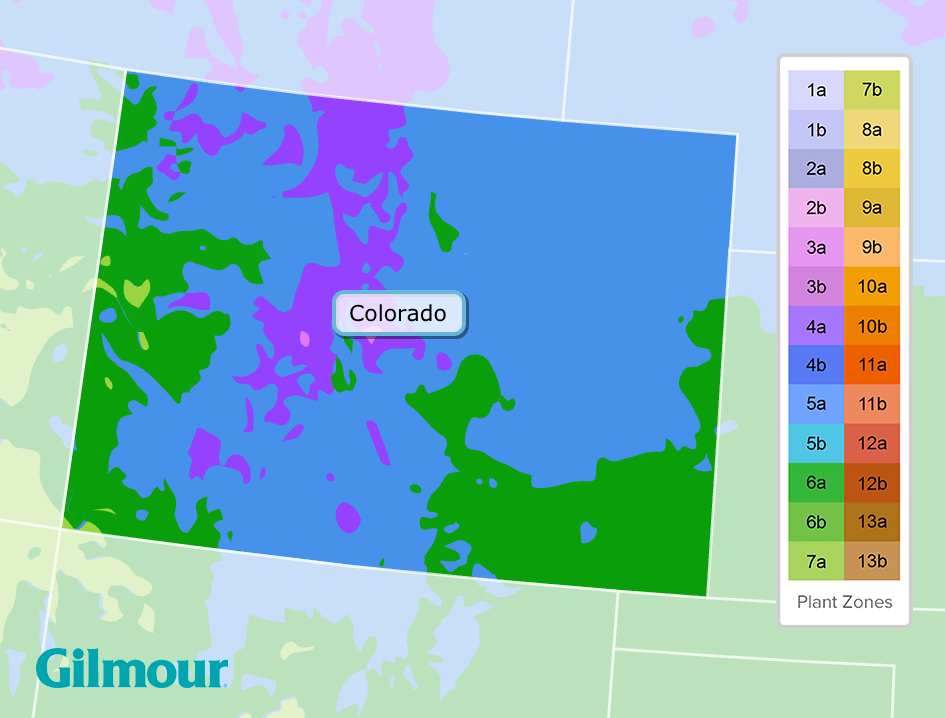
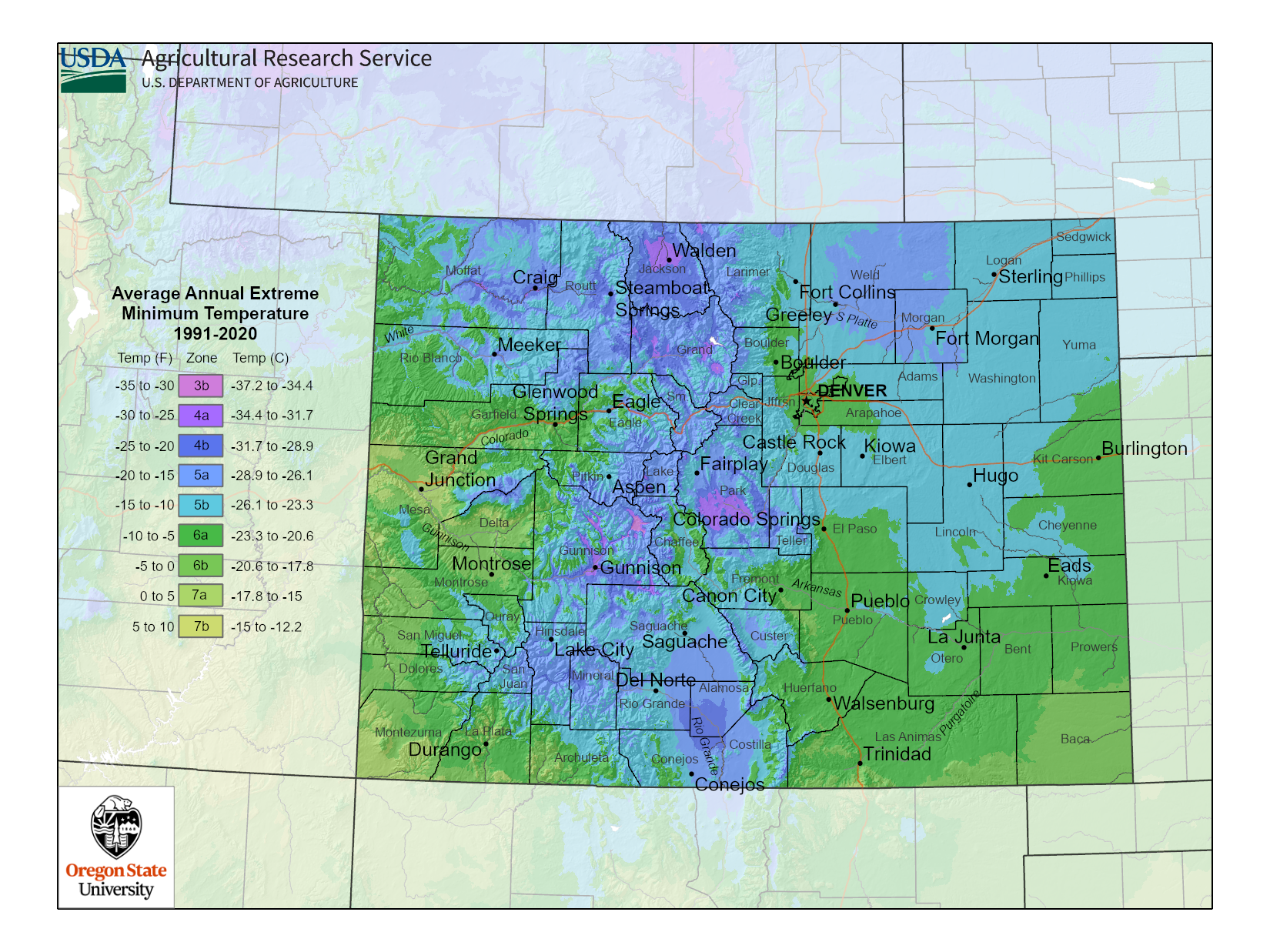
Based on the USDA Plant Hardiness Zone Map, Colorado Springs primarily falls within Zone 6b. Some areas, particularly at higher elevations on the west side of the city or in outlying rural areas, may lean towards Zone 6a, while some sheltered, warmer urban pockets could potentially be considered Zone 7a. However, for the vast majority of the city, 6b is the most accurate designation.
This means that the average annual extreme minimum temperature in Colorado Springs ranges from -5°F to 0°F. This is a critical piece of information for selecting perennial plants that can reliably survive the winter months.
Implications of Zone 6b for Gardeners
Being in Zone 6b presents specific challenges and opportunities for gardeners:
- Perennial Selection: Only plants rated for Zone 6 or colder are generally recommended for perennial success. This includes many popular flowering shrubs, trees, and herbaceous perennials. Plants rated for Zone 7 might survive in milder years or in protected microclimates but are at higher risk of winter kill.
- Frost Dates: The average last frost date in spring for Colorado Springs is typically in mid-May, with the first frost in fall often occurring in late September or early October. This results in a relatively short frost-free growing season, usually around 120-140 days.
- Annuals and Tender Perennials: While the zone dictates perennial survival, it does not restrict the use of annuals. Many annual flowers and vegetables can be grown successfully, provided they are planted after the danger of frost has passed. Tender perennials, often grown as annuals in colder climates, can be brought indoors or treated as such.
- Winter Protection: Even in Zone 6b, some plants may benefit from supplemental winter protection, especially those on the borderline of hardiness or newly planted. Mulching, wrapping sensitive shrubs, or providing windbreaks can significantly improve their chances of survival.
Navigating the Growing Season in Colorado Springs
The growing season in Colorado Springs is characterized by its distinct phases and the need for careful planning:
Spring Planting and Frost Management
The arrival of spring in Colorado Springs is a welcome sight, but gardeners must remain vigilant about late frosts.
- Timing is Crucial: Hold off on planting warm-season annuals and vegetables like tomatoes, peppers, and basil until after the average last frost date in mid-May. Cool-season crops such as lettuce, spinach, peas, and broccoli can be planted earlier, even in early spring, as they tolerate cooler temperatures and light frosts.
- Protecting Young Plants: Have frost protection materials like frost cloths, cloches, or even old blankets ready. These can be quickly deployed to cover vulnerable plants if a sudden cold snap is forecasted.
- Hardening Off: Before transplanting seedlings started indoors, it’s essential to “harden them off.” This process gradually exposes young plants to outdoor conditions—sunlight, wind, and temperature fluctuations—over a week or two, reducing transplant shock and increasing their resilience.
Summer Gardens and Water Conservation
Summers in Colorado Springs can be warm, with potential for significant sunshine.
- Water-Wise Gardening: As a high-altitude, semi-arid region, water conservation is a critical aspect of gardening. Drought-tolerant plants, xeriscaping principles, and efficient irrigation methods like drip systems are highly recommended. Grouping plants with similar water needs can also optimize water usage.
- Sunlight and Heat Stress: While ample sunlight is beneficial, intense summer sun can stress some plants. Providing shade during the hottest part of the day for sensitive species, or choosing varieties known for heat tolerance, can prevent wilting and scorching.
- Pest and Disease Management: The dry climate can sometimes contribute to certain pest issues, while occasional moisture can lead to fungal diseases. Regular monitoring of plants and prompt, integrated pest management strategies are important.
Autumn Harvest and Winter Preparation
The autumn brings a beautiful display of color and the culmination of the growing season.
- Extended Harvests: Cool-season crops can often be harvested well into the fall. Some varieties of kale and Brussels sprouts can withstand light frosts, often improving in flavor after a chill.
- Planning for Next Year: As the gardening season winds down, it’s an excellent time to reflect on what worked well and what didn’t. Making notes on plant performance, soil conditions, and pest issues will inform decisions for the following year.
- Winterizing Perennials: For perennials that are borderline for Zone 6b, or any plant you want to ensure survives the winter, adding a layer of mulch (such as straw or wood chips) after the ground has begun to cool but before it freezes solid can provide insulation and protect the root system from extreme temperature fluctuations.
Selecting the Right Plants for Colorado Springs
Choosing plants that are well-suited to Zone 6b and the specific conditions of Colorado Springs is key to a thriving garden.
Hardy Perennials and Shrubs
Many beautiful and resilient plants are perfect for this region.
- Flowering Perennials: Coneflowers (Echinacea), Black-Eyed Susans (Rudbeckia), Asters, Daylilies (Hemerocallis), Hostas, and Peonies are reliable choices that will return year after year.
- Ornamental Grasses: Varieties like Little Bluestem (Schizachyrium scoparium), Blue Grama grass (Bouteloua gracilis), and Switchgrass (Panicum virgatum) add texture, movement, and winter interest to the landscape and are highly drought-tolerant.
- Shrubs and Trees: Consider native or adapted species such as serviceberry (Amelanchier), potentilla, potentilla, junipers, and hardy roses. For trees, varieties like aspens, lilacs, and certain maples are well-suited. Always check the hardiness rating to ensure they are suitable for Zone 6b.
Vegetables and Herbs
A productive vegetable garden is achievable with careful planning.
- Cool-Season Crops: Lettuce, spinach, kale, chard, peas, radishes, carrots, and potatoes can be planted in early spring and often again in late summer for a fall harvest.
- Warm-Season Crops: Tomatoes, peppers, cucumbers, squash, beans, and corn can be planted after the last frost. Look for determinate or bush varieties of tomatoes and peppers, which may be more manageable in a shorter growing season.
- Herbs: Many herbs thrive in Colorado Springs’s climate, including thyme, rosemary, sage, lavender, chives, and mint. Some, like rosemary, may need overwintering indoors if not a hardy variety.
Considerations for High-Altitude Gardening
Beyond the planting zone, other high-altitude gardening considerations are vital for success.
- Soil Health: Colorado Springs’s soils can vary, but often benefit from amendments like compost to improve drainage and fertility. Raised beds can be an excellent solution for improving soil structure and providing better drainage.
- Sunlight Intensity: The sun’s rays are more intense at higher altitudes. While this aids in plant growth, it can also lead to sunburn on leaves and drying out of the soil.
- Wind: The open plains and mountainous terrain can lead to significant wind exposure, which can damage plants, increase evaporation, and dry out soil. Strategic planting, windbreaks, and staking can mitigate these effects.
By understanding Colorado Springs’s planting zone (primarily 6b) and factoring in the unique environmental conditions, gardeners can confidently select the right plants and employ successful cultivation techniques to create beautiful and productive outdoor spaces. Whether aiming for a vibrant flower garden, a bountiful vegetable patch, or a low-water xeriscape, knowledge of the planting zone is the foundational step toward horticultural success in this picturesque mountain city.
LifeOutOfTheBox is a participant in the Amazon Services LLC Associates Program, an affiliate advertising program designed to provide a means for sites to earn advertising fees by advertising and linking to Amazon.com. Amazon, the Amazon logo, AmazonSupply, and the AmazonSupply logo are trademarks of Amazon.com, Inc. or its affiliates. As an Amazon Associate we earn affiliate commissions from qualifying purchases.