
Understanding the planting zone of a particular location is crucial for anyone with a green thumb, whether they’re a seasoned gardener or a budding enthusiast. It’s the key to knowing which plants will thrive, when to plant them, and how to protect them from the harsh realities of the local climate. For those planning a visit to or considering a move to the vibrant Kansas City metropolitan area, knowing its planting zone is just as important as understanding its rich history, bustling arts scene, or delicious barbecue. This knowledge unlocks a deeper connection to the natural beauty of the region, allowing you to appreciate its parks, gardens, and even the flora you’ll encounter during your travels.
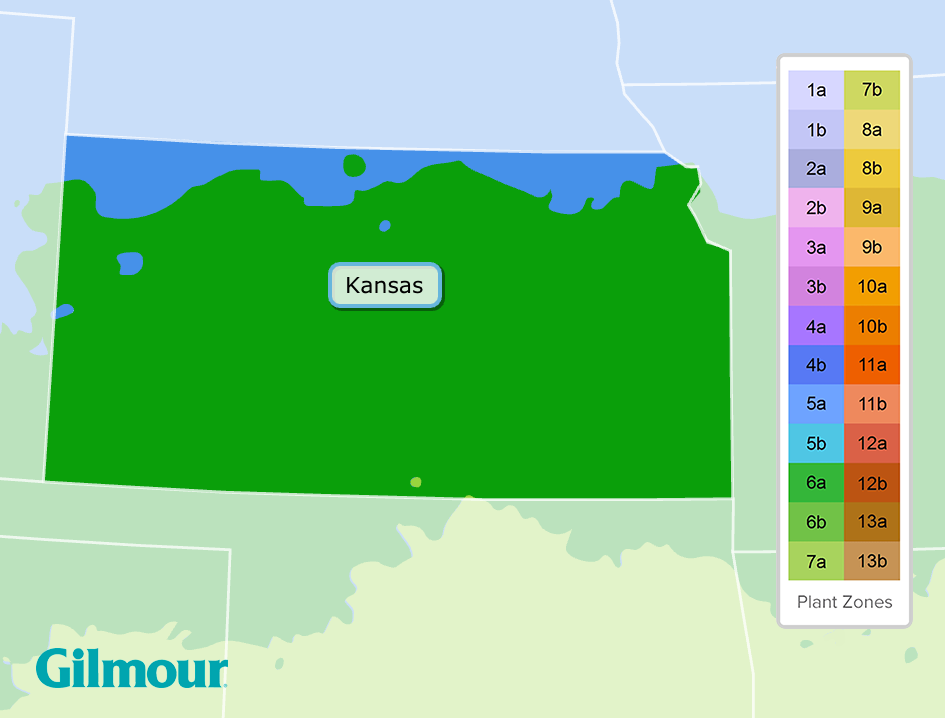
The United States Department of Agriculture (USDA) has developed a system of plant hardiness zones, which are geographically defined areas that have specific average annual minimum winter temperatures. These zones are a fundamental tool for gardeners and horticulturists, helping them select plants that are most likely to survive the winter in their region and return to grow the following season. The zones are calculated based on the average annual extreme minimum temperature, with Zone 1 being the coldest and Zone 13 being the warmest. Each zone is further divided into sub-zones (a and b) which represent a 5-degree Fahrenheit difference in temperature. This granular approach allows for more precise planning and reduces the guesswork involved in plant selection.
Unearthing Kansas City’s Horticultural Identity
When we talk about Kansas City, we’re not referring to just one city but a sprawling metropolitan area that straddles the border between Missouri and Kansas. This geographical nuance is important because different parts of the region might fall into slightly different planting zones, though they are generally quite similar. The USDA Plant Hardiness Zone Map is the definitive source for this information, and it provides a comprehensive overview of the entire nation. For Kansas City, the most commonly cited planting zones are within a specific range, reflecting the typical winter conditions experienced in this part of the Midwest.
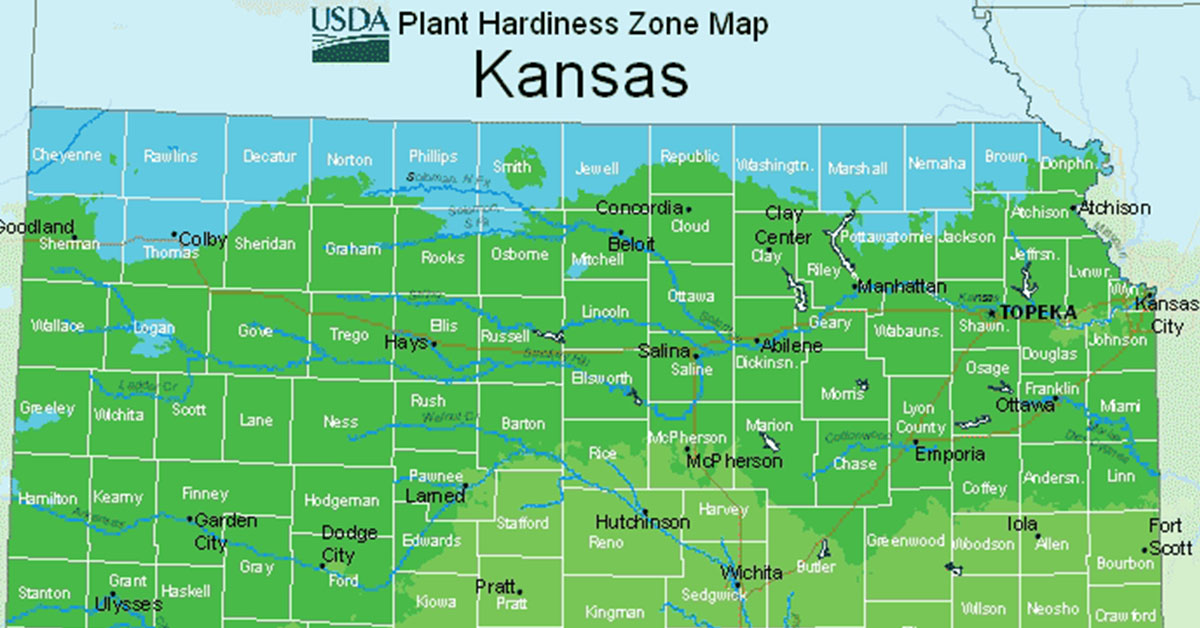
The prevailing planting zone for most of the Kansas City metropolitan area, encompassing both the Missouri and Kansas sides, is USDA Hardiness Zone 6. More specifically, the majority of the region falls into Zone 6a and Zone 6b.
- Zone 6a: This zone typically experiences average annual minimum winter temperatures between -10°F and -5°F (-23.3°C to -20.6°C).
- Zone 6b: This zone typically experiences average annual minimum winter temperatures between -5°F and 0°F (-20.6°C to -17.8°C).
This designation means that Kansas City experiences moderately cold winters. While severe cold snaps can occur, the average lows are within a range that allows a significant variety of perennial plants to survive year after year. This is a critical piece of information for anyone looking to establish a garden, plant trees, or understand the resilience of the local landscape. It directly influences what kind of flowering shrubs, ornamental grasses, and even fruit trees can be successfully grown outdoors.
Navigating the Nuances: Kansas City’s Specific Zones
While Zone 6 is the general classification, it’s worth noting that microclimates within Kansas City can lead to slight variations. For instance, areas closer to large bodies of water, or those with significant urban heat island effects (where cities are warmer than surrounding rural areas), might be a degree or so warmer, effectively pushing them into the warmer end of Zone 6b, or potentially even Zone 7 in very specific, sheltered locations. Conversely, more exposed, rural areas on the outskirts might lean more towards the colder end of Zone 6a.
For practical gardening purposes, understanding that Kansas City is firmly within Zone 6 is usually sufficient. However, for those undertaking ambitious landscaping projects or seeking to grow particularly sensitive varieties, consulting a more detailed local planting map or a local nursery can provide even greater accuracy. This level of detail can be particularly helpful when visiting unique horticultural attractions like the Missouri Botanical Garden in nearby St. Louis, which showcases a vast array of plant life under specific climate conditions. While not in Kansas City itself, the principles of zone gardening are universal and can inform how one appreciates such botanical wonders.

Implications for Gardeners and Travelers Alike
The designation of Kansas City as a Zone 6 planting area has significant implications for both local residents and visitors. For gardeners, it means they have a broad palette of plants to choose from. Many popular and hardy perennials, shrubs, and trees are well-suited to this zone. This includes a wide array of roses, lilts, hydrangeas, hostas, and various fruit trees like apples and cherries. The relatively mild winters, while still requiring some protection for more tender species, generally allow for successful overwintering of many garden favorites.
When planning a visit to Kansas City, understanding its planting zone can enhance your appreciation of the local environment. You might notice the prevalence of certain types of trees lining the streets of areas like the Country Club Plaza or the lush greenery in parks such as Loose Park. These are plants that have been selected, consciously or unconsciously, for their ability to thrive in Zone 6 conditions. Seeing gardens in full bloom, whether at a private residence or a public space, becomes more meaningful when you understand the climatic context in which they flourish.
For those seeking accommodation in Kansas City, whether in a luxurious resort like the The Fontaine or a more budget-friendly apartment, the surrounding landscape is a testament to Zone 6. You might find yourself staying near charming bed and breakfasts with beautifully landscaped gardens, or hotels that boast impressive grounds featuring native plants adapted to the local climate. This connection to nature, facilitated by understanding the planting zone, adds another layer to the travel experience.
Cultivating Success: Best Practices for Zone 6 Gardening in Kansas City
Successful gardening in Zone 6 involves more than just selecting plants appropriate for the zone. It also requires understanding the seasonal patterns and implementing best practices.
Spring Planting: The optimal time to plant most perennials, shrubs, and trees in Kansas City is typically in the spring, after the last frost has passed. This allows plants to establish their root systems before the heat of summer and the cold of winter. For vegetables, this means waiting until the soil has warmed sufficiently. Popular spring planting choices for vegetables include peas, lettuce, spinach, radishes, and potatoes.
Summer Care: During the warmer months, consistent watering is crucial, especially for newly planted specimens. Mulching around plants helps retain soil moisture and suppress weeds. Observing plants for pests and diseases and addressing them promptly is also a key aspect of summer garden maintenance.
Fall Preparation: As temperatures begin to drop, it’s time to prepare for winter. Many gardeners in Zone 6 will:
- Mulch generously: Applying a thick layer of mulch around the base of perennial plants, shrubs, and trees insulates their roots from extreme temperature fluctuations.
- Protect tender plants: Some plants that are borderline hardy for Zone 6 might require additional protection, such as wrapping with burlap or bringing potted specimens indoors.
- Plant fall bulbs: This is the ideal time to plant bulbs like tulips, daffodils, and hyacinths for a spectacular spring display.
- Clean up the garden: Removing dead or diseased plant material can help prevent the spread of pathogens over winter.
Winter Considerations: While Zone 6 is considered moderately cold, understanding the average minimum temperatures is vital. Extreme cold snaps can still pose a threat. Some gardeners might consider planting particularly sensitive varieties in more sheltered locations, such as on the south side of a building, to benefit from reflected warmth.
The knowledge of Kansas City’s planting zone, Zone 6, serves as a valuable guide for anyone engaging with the local environment. It informs horticultural choices, enhances the appreciation of the natural beauty encountered during travel, and adds a deeper understanding to the rhythm of the seasons in this dynamic Midwestern hub. Whether you’re planning your next vacation to explore landmarks like the National WWI Museum and Memorial, or you’re settling in for a long-term stay in a charming Kansas City apartment, recognizing the Zone 6 climate provides a unique lens through which to experience and connect with the area.
LifeOutOfTheBox is a participant in the Amazon Services LLC Associates Program, an affiliate advertising program designed to provide a means for sites to earn advertising fees by advertising and linking to Amazon.com. Amazon, the Amazon logo, AmazonSupply, and the AmazonSupply logo are trademarks of Amazon.com, Inc. or its affiliates. As an Amazon Associate we earn affiliate commissions from qualifying purchases.