
Mississippi, a state steeped in rich history and vibrant culture, also boasts a diverse agricultural landscape that makes it a prime location for a wide array of plant life. Understanding the agricultural climate of a region is paramount for anyone interested in horticulture, from the casual home gardener to the commercial farmer. This understanding hinges significantly on the concept of “planting zones,” a system designed to indicate the average annual minimum winter temperature, which in turn helps determine which plants are most likely to thrive in a particular area. For Mississippi, this knowledge unlocks a world of possibilities for cultivation, influencing everything from the state’s iconic azaleas to its abundant fruit orchards and vegetable gardens.
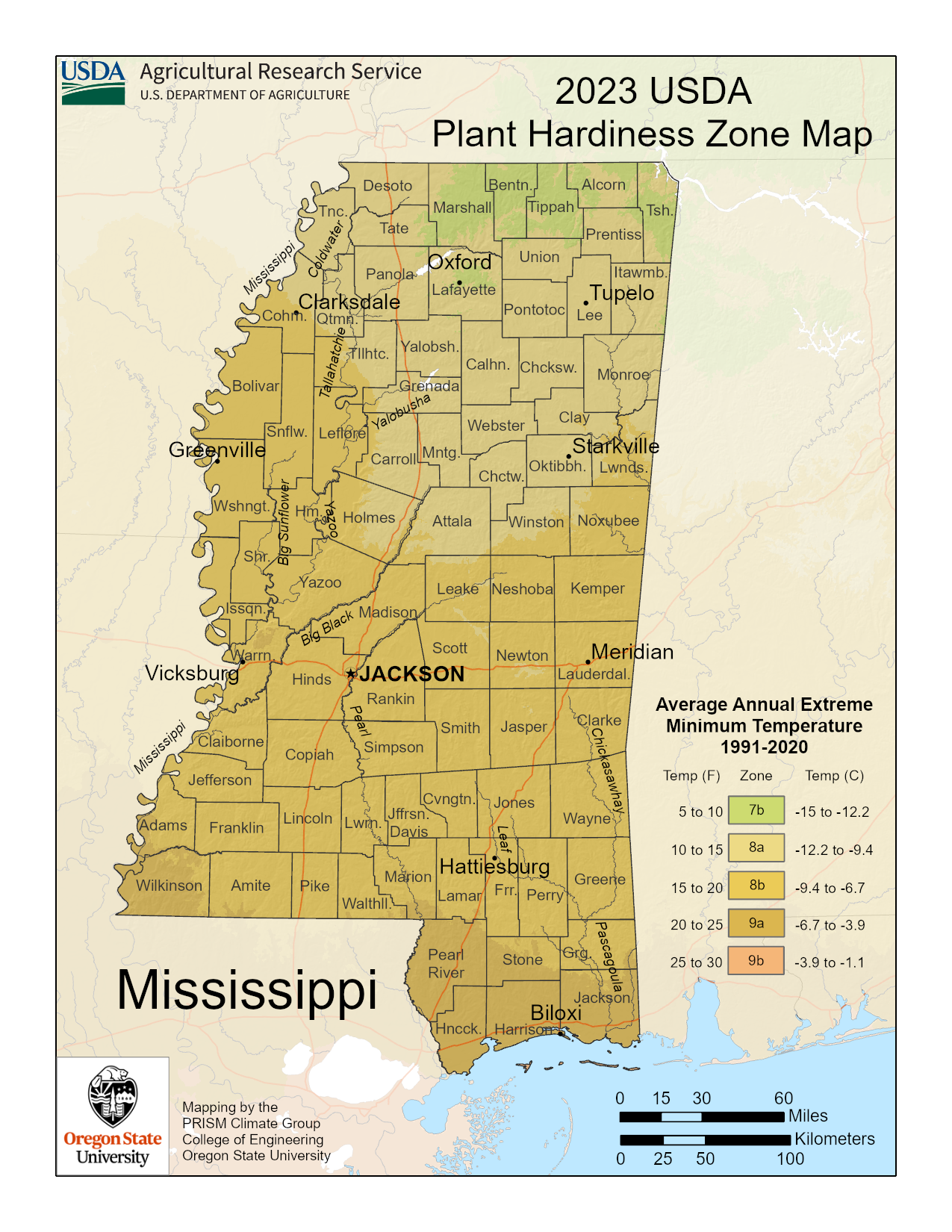
The USDA Hardiness Zone System Explained
The United States Department of Agriculture (USDA) developed the Hardiness Zone map, a standard guide used by gardeners and horticulturists across the nation. This system divides the country into 13 zones, each representing a 10-degree Fahrenheit difference in average annual minimum winter temperature. Zone 1 is the coldest, with average annual minimum temperatures below -50°F, while Zone 13 is the warmest, with average annual minimum temperatures above 70°F. The primary purpose of these zones is to help gardeners select perennial plants that can reliably survive the winter temperatures in their specific geographic location. Plants are rated for their hardiness, meaning their ability to withstand cold. A plant rated for Zone 7, for instance, is expected to survive temperatures down to 0°F to 10°F, while a Zone 5 plant can tolerate temperatures down to -20°F to -10°F.
It’s crucial to understand that these zones are based on average minimum temperatures, not extreme lows. A single harsh winter with record-breaking cold can impact plants even in warmer zones. Furthermore, hardiness zones primarily address winter survival. Other factors such as rainfall, soil type, humidity, and summer heat are also critical for successful plant growth and should be considered alongside zone information.
Factors Beyond Winter Lows
While the USDA Hardiness Zone map is an invaluable tool, it’s not the sole determinant of a plant’s success. Several other environmental factors play a significant role in Mississippi’s horticultural landscape:
- Heat Units (Growing Degree Days): Mississippi experiences hot, humid summers. This heat is essential for the maturation of many crops, particularly fruits and vegetables. The concept of Growing Degree Days (GDD) measures the amount of heat accumulation over time, which is crucial for predicting crop maturity and selecting varieties that will thrive within the state’s long, warm growing season.
- Rainfall and Humidity: The state generally receives ample rainfall, supporting lush vegetation. However, periods of drought can occur, and managing water resources becomes important. High humidity, particularly during the summer months, can influence disease pressure for certain plants and affect pollination.
- Soil Types: Mississippi’s soils vary widely, from the sandy loams of the Pine Belt to the fertile clay soils of the Black Belt. Understanding the specific soil composition, pH, and drainage in a particular location is vital for selecting plants that will establish and flourish.
- Microclimates: Within any given region, microclimates can exist due to variations in elevation, proximity to water bodies, urban heat island effects, and the presence of surrounding structures or vegetation. These localized conditions can create subtle differences in temperature and moisture, impacting plant hardiness and growth. For example, a sheltered spot against a south-facing wall might be several degrees warmer than an exposed open field.
Mississippi’s Planting Zones
Mississippi, due to its north-south expanse and varying topography, spans several USDA Hardiness Zones. The majority of the state falls within Zones 7 and 8, with the southern coastal regions sometimes extending into Zone 9.
Zone 7: The Northern Tier and Upper Coastal Plain
The northernmost counties of Mississippi, including areas around Oxford and Tupelo, generally fall into USDA Hardiness Zone 7. This zone is characterized by average annual minimum winter temperatures ranging from 0°F to 10°F. While this means the region can experience occasional frosts and freezing temperatures, it still provides a favorable climate for a broad spectrum of ornamental plants, fruit trees, and vegetables.
- Commonly Successful Plants in Zone 7:
- Trees: Oak species, Maple varieties, Pecan trees, certain varieties of Apples and Peaches.
- Shrubs: Azaleas, Rhododendrons, Hydrangeas, Roses, Crape Myrtles (though some newer varieties are more cold-hardy and do well further north).
- Vegetables: A wide range including tomatoes, peppers, beans, corn, squash, and a variety of leafy greens. Root vegetables like carrots and potatoes also perform well.
- Fruits: Strawberries, Blueberries, Grapes, and various berries.
Zone 8: The Central and Southern Regions
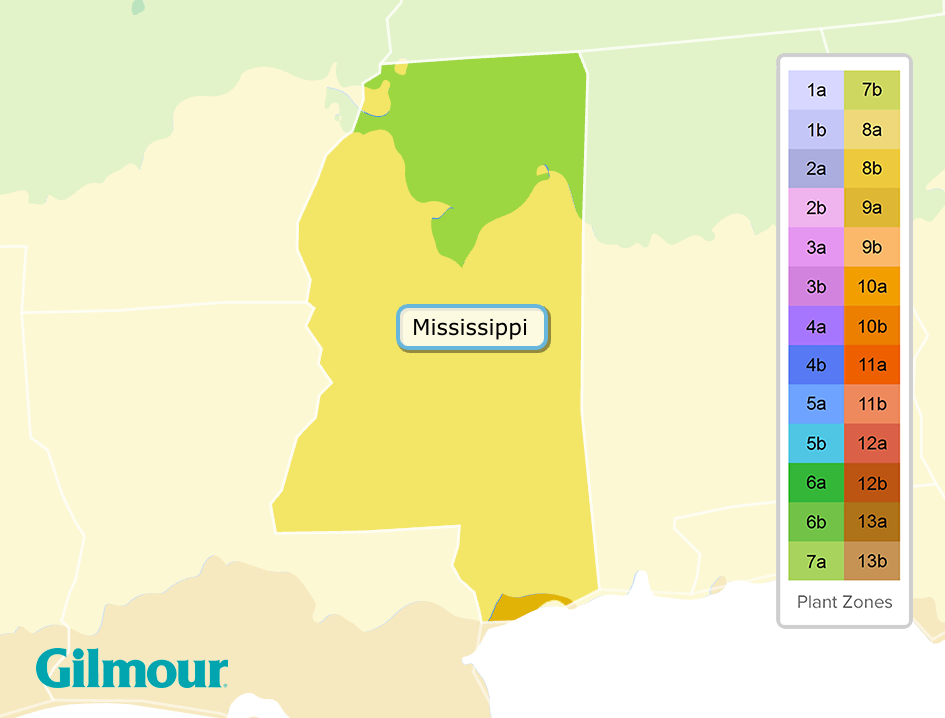
The vast majority of Mississippi, encompassing the central and much of the southern parts of the state, is classified as USDA Hardiness Zone 8. This zone experiences average annual minimum winter temperatures between 10°F and 20°F. The milder winters in Zone 8 allow for a longer growing season and the cultivation of a wider variety of plants, including some that might struggle in the more northern zones. Cities like Jackson, Hattiesburg, and Meridian are located within this zone.
- Commonly Successful Plants in Zone 8:
- Trees: In addition to those in Zone 7, many citrus varieties can be attempted, though protection may be needed during unusually cold snaps. Figs and Pomegranates often thrive.
- Shrubs: Many of the Zone 7 plants continue to do exceptionally well. Tropical and subtropical plants like Camellias, Gardenias, and some palms may also be successful.
- Vegetables: Similar to Zone 7, but with a longer potential harvest window. Sweet potatoes are a staple crop.
- Fruits: Citrus fruits like Meyer Lemons and Limes can be grown in protected locations. More heat-loving berries and stone fruits also perform well.
Zone 9: The Southernmost Coastal Areas
A small portion of Mississippi’s southernmost counties, particularly along the Gulf Coast near Biloxi and Gulfport, may extend into USDA Hardiness Zone 9. This zone is characterized by average annual minimum winter temperatures between 20°F and 30°F. These areas experience the mildest winters in the state, allowing for the successful cultivation of plants typically considered subtropical.
- Commonly Successful Plants in Zone 9:
- Trees: Citrus trees (oranges, grapefruits, lemons) are more reliably grown here. Various palm species can also be successfully cultivated.
- Shrubs: Bougainvillea, Hibiscus, and other heat-loving, frost-sensitive ornamentals can flourish.
- Vegetables: A very extended growing season allows for multiple successions of warm-season crops.
- Fruits: While many fruits from Zones 7 and 8 will thrive, the milder climate opens possibilities for a wider range of tropical fruits, provided they receive adequate sunlight and well-drained soil.
Practical Applications for Gardeners and Growers
Knowing Mississippi’s planting zones is not merely an academic exercise; it has direct and significant implications for anyone cultivating plants within the state.
For Home Gardeners
For the home gardener, understanding the planting zone is the first step in selecting appropriate perennial plants for their landscape. It helps prevent the disappointment and expense of choosing plants that are unlikely to survive the winter.
- Selecting Perennials: When purchasing shrubs, flowers, or trees, check the plant tag for its hardiness zone rating. Choose plants rated for your specific zone or a colder zone to ensure winter survival.
- Extending the Growing Season: In zones with milder winters, gardeners can often extend their growing season by planting cool-season crops earlier in the spring and later in the fall. Overwintering certain tender perennials in pots by moving them to sheltered locations can also be an option.
- Experimentation: While hardiness zones provide a guide, there’s always room for experimentation, especially when dealing with microclimates. A particularly protected spot might allow a plant rated for a slightly warmer zone to survive.

For Commercial Agriculture
Mississippi’s agricultural sector, a cornerstone of its economy, relies heavily on an understanding of its climate zones for successful crop production.
- Crop Suitability: Identifying the appropriate planting zones helps determine which crops are most economically viable. For instance, the warmer climate of the southern zones might be more conducive to certain high-value fruit crops that require longer, warmer growing seasons.
- Variety Selection: Within a specific crop, there are often numerous cultivars with varying degrees of cold tolerance and heat requirements. Zone information guides the selection of the most suitable varieties for the region’s climate.
- Planning and Timing: Understanding heat units and the length of the growing season, which are closely related to planting zones, is crucial for planning planting schedules, predicting harvest times, and managing pest and disease cycles. Mississippi’s agricultural heritage, from its famous cotton fields to its burgeoning berry farms and diverse vegetable production, is intrinsically linked to the state’s favorable planting zones.
In conclusion, Mississippi’s position within USDA Hardiness Zones 7, 8, and occasionally 9, coupled with its warm summers and generally ample rainfall, creates a fertile ground for a remarkable diversity of plant life. Whether you are tending a small flower garden in Vicksburg or managing a large-scale farm near the Mississippi River, understanding these zones is a foundational element for horticultural success, allowing you to harness the full potential of this beautiful and productive Southern state.
LifeOutOfTheBox is a participant in the Amazon Services LLC Associates Program, an affiliate advertising program designed to provide a means for sites to earn advertising fees by advertising and linking to Amazon.com. Amazon, the Amazon logo, AmazonSupply, and the AmazonSupply logo are trademarks of Amazon.com, Inc. or its affiliates. As an Amazon Associate we earn affiliate commissions from qualifying purchases.