
Understanding Nebraska’s agricultural landscape and horticultural potential is deeply intertwined with its climate, and at the heart of this understanding lies the concept of planting zones. These zones, primarily defined by the United States Department of Agriculture (USDA), are a critical tool for gardeners, farmers, and landscape designers across the state. They classify regions based on their average annual minimum winter temperature, providing a standardized framework for determining which plants are likely to thrive in a given area. For Nebraska, this means navigating a spectrum of zones that influence everything from the types of crops that can be cultivated to the selection of ornamental plants for residential gardens.
Navigating Nebraska’s Planting Zones
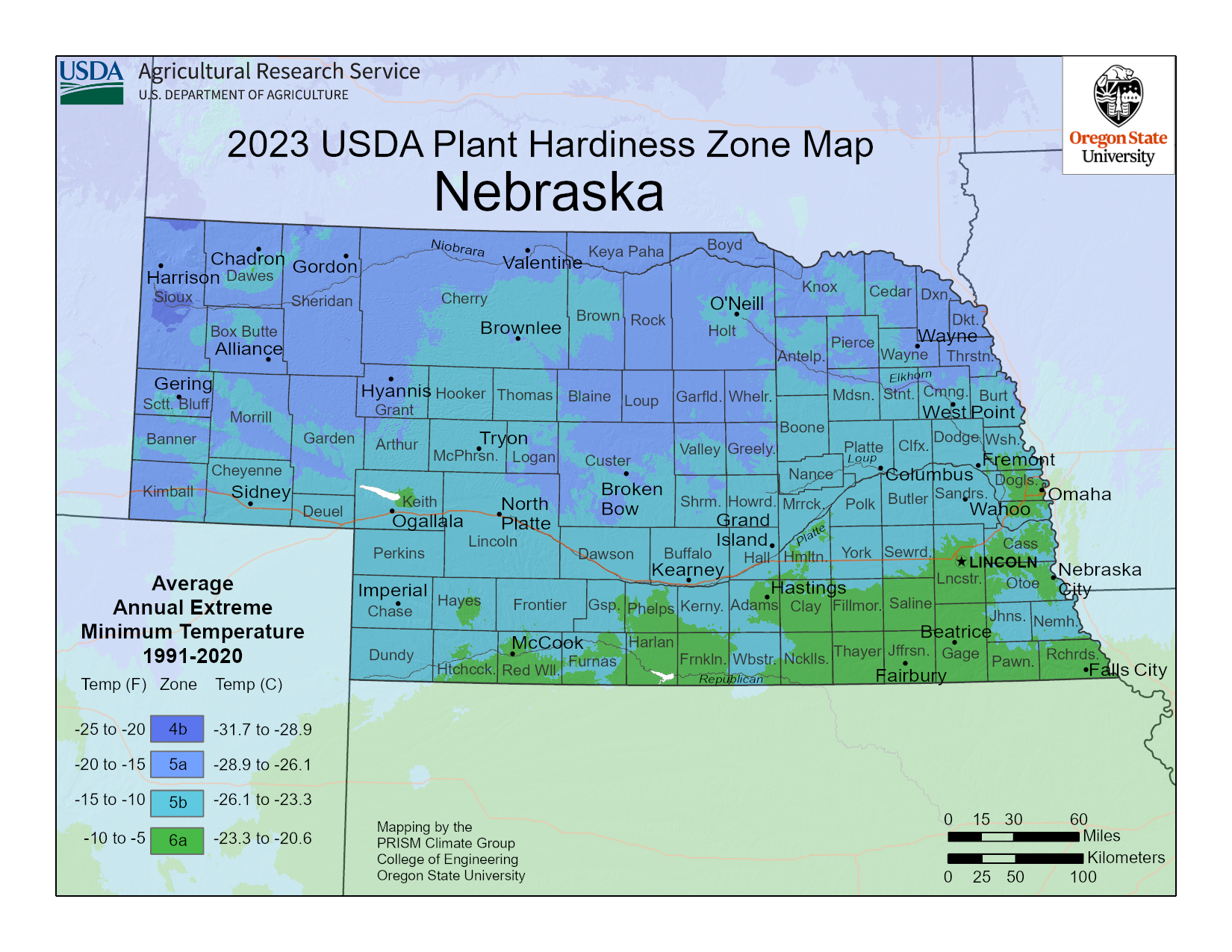
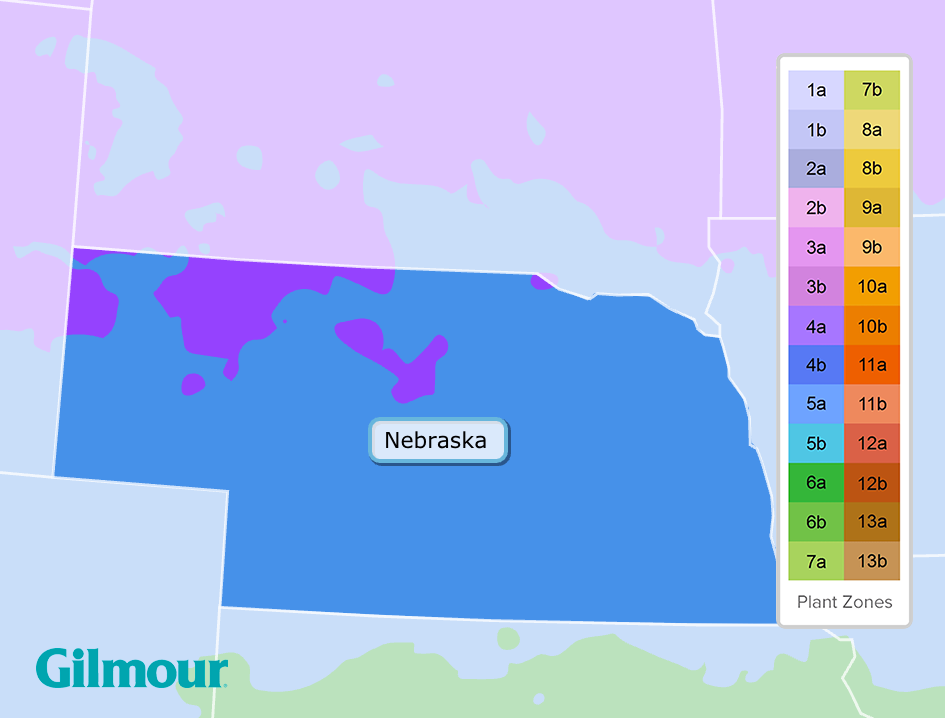
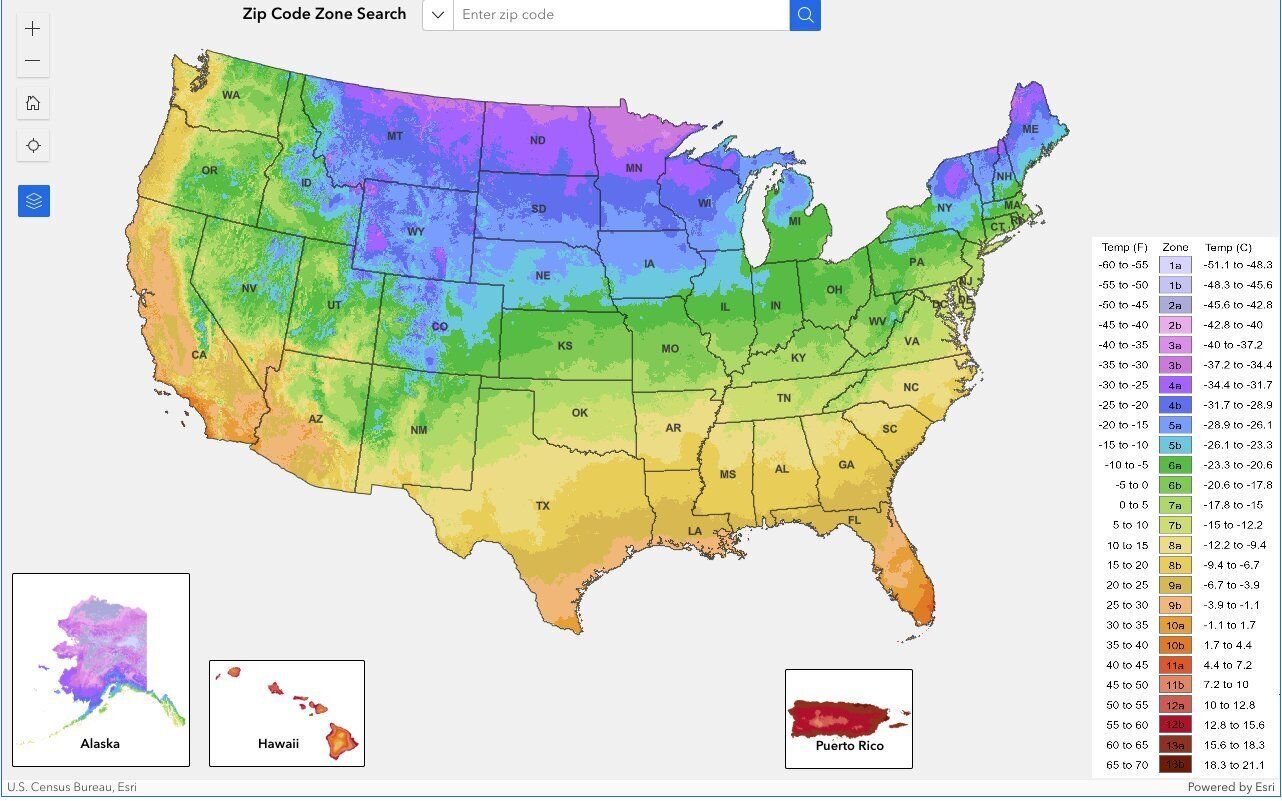
Nebraska’s vast geography, stretching from the Great Plains to the rolling hills of the Sandhills, experiences a continental climate characterized by distinct seasons, cold winters, and warm summers. This climatic diversity translates into varying planting zones across the state. Broadly, Nebraska falls within USDA Plant Hardiness Zones 4, 5, and 6. The specific zone an individual resides in dictates the lowest temperatures their plants will need to withstand during the winter, a crucial factor in plant survival and success.
The Influence of Latitude and Elevation
The primary drivers behind Nebraska’s planting zone variations are latitude and, to a lesser extent, elevation. Generally, as one travels north across the state, temperatures tend to decrease, placing northern regions in colder zones. Conversely, southern areas often experience slightly milder winters, aligning them with warmer zones.
- Zone 4: Predominantly found in the northernmost reaches of Nebraska, particularly in counties bordering South Dakota. This zone experiences the harshest winter conditions, with average annual minimum temperatures ranging from -30°F to -20°F. Plants suited for Zone 4 must be exceptionally cold-hardy to survive these extreme lows.
- Zone 5: Encompasses a significant portion of the state, including many of its major population centers like Omaha and Lincoln. Zone 5 has average annual minimum temperatures between -20°F and -10°F. This zone offers a broader range of plant possibilities compared to Zone 4, allowing for a wider selection of perennial flowers, shrubs, and trees.
- Zone 6: Typically found in the southeastern corner of Nebraska, particularly in areas close to the Missouri River and bordering Kansas. This zone experiences the mildest winters in the state, with average annual minimum temperatures between -10°F and 0°F. Zone 6 allows for the successful cultivation of a wider array of plants, including some that might struggle in colder regions.
It’s important to note that microclimates can also play a role. Factors such as proximity to large bodies of water (though limited in Nebraska), urban heat islands, and sheltered valleys can create pockets that are slightly warmer or colder than the surrounding general zone.
Mapping Your Specific Zone
While general zones can be identified, it is always best practice for residents and visitors to determine their precise planting zone. The USDA provides detailed maps, and many local extension offices and horticultural societies offer resources for pinpointing specific locations. This detailed knowledge is invaluable for making informed decisions about plant selection, ensuring the long-term health and vitality of gardens and agricultural endeavors.
Implications for Gardeners and Horticulturists
The understanding of Nebraska’s planting zones has profound implications for anyone involved in cultivating plant life within the state. From the home gardener tending a small flower bed to the commercial farmer managing acres of crops, zone knowledge is foundational for success.
Selecting Perennial Plants
Perennial plants, which live for more than two years, are particularly sensitive to planting zones. Their ability to survive the winter and re-emerge in the spring is directly tied to their cold hardiness.
- Zone 4 Recommendations: For Zone 4, gardeners should focus on plants proven to withstand severe cold. Examples include hardy shrubs like Potentilla, Forsythia, and many varieties of roses. Groundcovers such as Creeping Thyme and Sedum varieties are also excellent choices. Many ornamental grasses, like Feather Reed Grass, can also thrive.
- Zone 5 Recommendations: Zone 5 offers a wider palette. In addition to Zone 4-hardy plants, gardeners can consider a broader range of flowering shrubs like Hydrangeas (certain varieties), Lilacs, and Spirea. Many fruit trees, including apple and pear varieties, are well-suited. Vegetable gardens can benefit from the extended growing season provided by Zone 5 conditions, allowing for a greater variety of crops.
- Zone 6 Recommendations: In the mildest zones of Nebraska, gardeners have the most flexibility. They can experiment with plants that require slightly warmer conditions, such as certain types of peach trees, fig trees (with winter protection), and a wider array of flowering perennials like Peonies and Daylilies. The extended frost-free period in Zone 6 can also be advantageous for extending the harvest of many vegetable crops.
When choosing plants, it’s crucial to look for the plant’s hardiness zone rating. A plant rated for Zone 5 will typically survive in Zone 4, but a plant rated for Zone 6 might struggle or not survive in Zone 4 or even Zone 5 without significant protection. Conversely, planting a Zone 4 plant in Zone 6 is not problematic in terms of cold hardiness but might mean it doesn’t experience the necessary winter chill for optimal dormancy or flowering.
Understanding Microclimates and Site-Specific Conditions
While general planting zones provide a vital starting point, a deeper understanding of the specific site is essential. Microclimates within a yard or farm can significantly influence plant success.
- Sheltered vs. Exposed Areas: A garden located near a building, a sturdy fence, or a stand of mature trees might be more protected from harsh winter winds and temperature fluctuations than an open, exposed field. This protection can effectively make a site feel one zone warmer.
- Sun Exposure and Soil Drainage: The amount of sunlight a plant receives and the quality of soil drainage are equally critical. A plant that is technically hardy to a certain zone might still fail if it is planted in a location that is too shady, too wet, or too dry. For instance, a plant requiring full sun will struggle in a heavily shaded area, regardless of its cold hardiness. Similarly, plants that require well-drained soil will likely succumb to root rot in areas where water consistently pools.
- Urban Heat Islands: Cities and towns often create “urban heat islands,” where paved surfaces and buildings absorb and retain more heat, leading to slightly warmer average temperatures compared to surrounding rural areas. This effect can sometimes allow for the cultivation of plants in the urban core that might be borderline for the surrounding general planting zone.
Adapting Gardening Practices
Knowledge of planting zones directly influences gardening practices throughout the year in Nebraska.
- Spring Planting: The timing of spring planting is dictated by the last expected frost date, which is often correlated with the planting zone. Gardeners in Zone 4 will typically wait longer to plant warm-season crops than those in Zone 6 to avoid frost damage.
- Fall Preparation: As winter approaches, Zone 4 gardeners will need to ensure their more tender perennials are adequately protected with mulch or other insulation. Zone 6 gardeners might have a longer window for fall planting and can sometimes leave certain sensitive plants in the ground with less concern.
- Crop Selection for Agriculture: For Nebraska’s vital agricultural sector, understanding planting zones is paramount for selecting appropriate crop varieties. Corn, soybeans, and wheat, staples of the state’s economy, have specific temperature and growing season requirements that align with the different zones. The selection of fruit crops, vegetables, and even turfgrass varieties for landscaping across the state is heavily influenced by these climatic classifications. For instance, vineyards have seen success in parts of the state, with careful selection of grape varieties suited to the prevailing zones and microclimates.
Beyond Hardiness: Considering Other Factors
While the USDA planting zones are the primary reference for cold hardiness, a truly successful gardening and horticultural strategy in Nebraska involves considering a broader set of environmental factors.
Frost Dates and Growing Season Length
The average last frost date in spring and the first frost date in fall define the length of the growing season. These dates are directly influenced by the planting zone but can vary within the zone based on specific local conditions. A longer growing season provides more time for plants to mature, flower, and produce fruit.
- Spring Frost: In northern Nebraska (Zone 4), the last frost can linger into mid-May, sometimes even early June in exceptionally cold years. This limits the window for planting tender annuals and warm-season vegetables like tomatoes and peppers.
- Fall Frost: Conversely, southeastern Nebraska (Zone 6) may see its first frost in mid-October, offering a significantly longer period for growth.
Precipitation Patterns and Water Management
Nebraska’s climate can be characterized by periods of drought interspersed with periods of ample rainfall. Understanding the typical precipitation patterns for a specific region, regardless of its planting zone, is crucial for effective water management.
- Rainfall Variability: While planting zones primarily address temperature extremes, they don’t directly account for rainfall. Areas in the eastern part of the state generally receive more precipitation than the western panhandle.
- Irrigation Needs: Gardeners and farmers must be prepared to irrigate during dry spells, particularly in western Nebraska. Choosing drought-tolerant plants is a wise strategy across all zones, but especially in drier regions.
Soil Types Across Nebraska
The varied geology of Nebraska results in a diversity of soil types, which, along with planting zones, dictates plant success.
- Eastern Nebraska Soils: Typically richer in organic matter, often derived from loess deposits, supporting robust agriculture.
- Western Nebraska Soils: Can be more sandy or clay-heavy, requiring different management techniques for water retention and nutrient availability.
- Sandhills Region: Characterized by sandy soils that are well-drained but can be prone to wind erosion, necessitating specific planting strategies and plant choices adapted to these conditions.
Conclusion: A Foundation for Growth in Nebraska
The question of “What Planting Zone Is Nebraska?” is not a simple one, but rather an invitation to understand the nuanced climate of this vast state. The USDA planting zones, ranging from 4 to 6, provide an essential framework for gardeners, farmers, and landscape professionals. This knowledge empowers individuals to make informed decisions about plant selection, ensuring that their efforts result in vibrant gardens, productive farms, and aesthetically pleasing landscapes that can withstand Nebraska’s unique environmental conditions. By integrating zone information with an understanding of local microclimates, soil types, and precipitation patterns, Nebraskans can cultivate success and foster a deeper connection with the natural world around them.
LifeOutOfTheBox is a participant in the Amazon Services LLC Associates Program, an affiliate advertising program designed to provide a means for sites to earn advertising fees by advertising and linking to Amazon.com. Amazon, the Amazon logo, AmazonSupply, and the AmazonSupply logo are trademarks of Amazon.com, Inc. or its affiliates. As an Amazon Associate we earn affiliate commissions from qualifying purchases.