
San Diego, California, a jewel of Southern California known for its sun-drenched beaches, vibrant culture, and outdoor lifestyle, holds a special place in the hearts of many. Beyond its immediate allure as a vacation destination, its climate makes it a haven for gardeners and nature enthusiasts. Understanding San Diego’s agricultural climate, specifically its USDA Plant Hardiness Zone, is crucial for anyone looking to cultivate the region’s diverse flora, from exotic tropicals to drought-tolerant succulents. This knowledge unlocks a deeper appreciation for the city’s natural beauty and its potential for botanical exploration.
Understanding the USDA Plant Hardiness Zones
The USDA Plant Hardiness Zone Map is an indispensable tool for gardeners and horticulturists across North America. Developed by the United States Department of Agriculture, it divides the country into 13 zones based on average annual minimum winter temperatures. Each zone represents a 10°F (5.6°C) difference in average annual minimum temperature from the zone below it. These zones are fundamental for determining which perennial plants are most likely to survive the winter in a particular location.

The Significance of Zones for Plant Survival
Perennial plants, those that live for more than two years, are particularly sensitive to extreme cold. Their ability to withstand freezing temperatures dictates their survival and success in a given climate. The plant hardiness zone provides a baseline indication of the coldest temperatures a plant can tolerate. By matching a plant’s recommended hardiness zone with the zone of their location, gardeners can significantly increase their chances of successful cultivation. It’s not a definitive guarantee, as other factors like precipitation, soil type, and microclimates play a role, but it’s an essential starting point.
How Zones are Determined
The zones are calculated based on 30-year averages of the lowest winter temperatures recorded at weather stations. This data is crucial because it reflects the typical winter climate rather than isolated extreme events. The map is updated periodically to incorporate new climate data and improve its accuracy. Each zone is further divided into sub-zones (e.g., Zone 7a, 7b) representing 5°F (2.8°C) increments, providing even finer detail for gardeners.
San Diego’s Diverse Climate Zones
San Diego County is not a monolithic entity when it comes to climate. Its geography, stretching from the Pacific Ocean inland to mountains and deserts, creates a remarkable spectrum of microclimates. This diversity is reflected in its plant hardiness zones, which vary significantly as one moves from the coast to higher elevations. While the popular image of San Diego is one of perpetual sunshine and mild temperatures, the reality is more nuanced, offering opportunities for a wider array of plant life than might initially be assumed.
Coastal Influence and Mild Winters
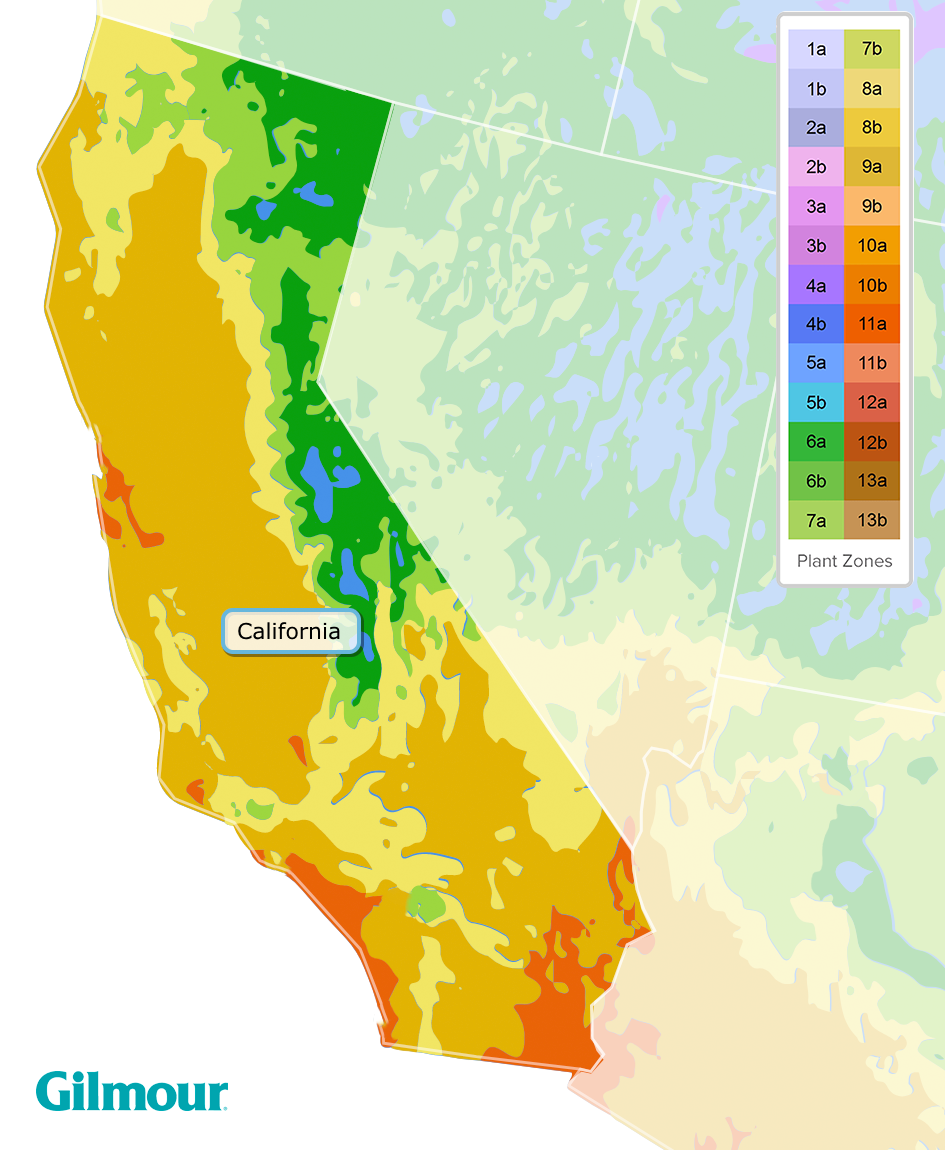
The most recognized San Diego climate is the coastal zone, characterized by its ocean breezes, moderate temperatures year-round, and minimal temperature fluctuations. This is where most of the city’s iconic attractions, such as Balboa Park and the San Diego Zoo, are located. The proximity to the Pacific Ocean acts as a significant buffer against extreme cold, keeping winter lows relatively mild. This coastal belt generally falls into USDA Plant Hardiness Zones 10a and 10b.
Inland Valleys and Increased Temperature Swings
As one moves inland from the coast, the moderating influence of the ocean diminishes. Areas like Escondido and parts of [Rancho Bernardo](https://lifeoutofthebox.com/rancho- ગ્beardo) experience greater temperature swings, with warmer summers and slightly cooler winters. These inland valleys typically fall into Zone 9b and sometimes dip into Zone 9a in the cooler pockets. This offers a slightly different horticultural palette, allowing for plants that might struggle with the consistent mildness of the coast but still benefit from generally temperate conditions.
Mountainous and Desert Regions: Cooler and Hotter Extremes
Further inland, the landscape dramatically changes. The mountains of eastern San Diego County, such as the Cuyamaca Mountains, experience significantly colder winters, with occasional snow. These higher elevations can fall into Zones 8b, 8a, and even 7b in the very highest areas. Conversely, the desert regions, like those near Anza-Borrego Desert State Park, can experience extreme heat in the summer but also surprisingly cold desert nights in the winter, placing them in zones like 9a or even 8b depending on the specific location and elevation.
San Diego’s Predominant Planting Zones
For the majority of visitors and residents who experience the most commonly associated San Diego climate, understanding the prevalent hardiness zones is key to appreciating its horticultural potential. These zones are ideal for a vast array of plants, from those that thrive in consistent warmth to those that can handle a mild touch of winter chill.
Zone 10a: The Coastal Embrace
A significant portion of San Diego’s coastal areas, including popular neighborhoods like La Jolla, Pacific Beach, and parts of downtown San Diego, fall under Zone 10a. This zone has average minimum winter temperatures between 20°F and 25°F (-6.7°C to -3.9°C). For Zone 10a, the key characteristic is that the average annual minimum temperature is around 30°F to 35°F (-1.1°C to 1.7°C). This means that while freezing temperatures are rare and usually brief, they do occur. Plants that are perfectly suited to this zone include many tropical and subtropical species, citrus trees, and a wide variety of flowering perennials that appreciate mild winters.
Zone 10b: The Warmer Coastal Fringe
Zone 10b, with average minimum winter temperatures between 35°F and 40°F (1.7°C to 4.4°C), encompasses some of the most protected coastal pockets and islands. This zone is characterized by an almost complete absence of freezing temperatures, making it exceptionally conducive to plants that are sensitive to even light frosts. Think of lush tropical gardens with palms, orchids, and other heat-loving and cold-sensitive species. Many of the southern coastal communities and areas with very strong marine influence fall into this zone.
Zone 9b: Transitioning Inland
Moving just a few miles inland, the hardiness zone often shifts to 9b. This zone has average minimum winter temperatures between 25°F and 30°F (-3.9°C to -1.1°C). For Zone 9b, the average annual minimum temperature is between 25°F and 30°F (-3.9°C to -1.1°C). While still very mild, this zone experiences a slightly greater likelihood of frost. This makes it suitable for many of the plants that grow in Zone 10 but also allows for a broader range of temperate zone plants to thrive. Many fruit trees, roses, and a wider variety of deciduous ornamentals perform exceptionally well here. Areas like Chula Vista and some of the foothills can be found in this zone.
What This Means for Your San Diego Garden or Visit
Knowing San Diego’s planting zones offers a practical lens through which to view the city’s natural environment and its horticultural possibilities. Whether you’re a resident planning a garden, a traveler interested in local flora, or simply curious about the green landscapes you encounter, this knowledge enriches your experience.
Gardening in San Diego
For residents, understanding the specific zone of their property is paramount. A home in coastal Coronado will have different gardening options than one in the inland hills of Alpine. Zone 10a and 10b are fantastic for growing citrus year-round, avocados, bougainvillea, hibiscus, and a wealth of succulents and drought-tolerant plants that are iconic of Southern California. In Zone 9b, gardeners might find they can push the boundaries a bit further with certain varieties of apples, pears, and other temperate fruits, while still enjoying the abundance of Mediterranean herbs and flowering shrubs.
Experiencing San Diego’s Botanical Attractions
Visitors can also use this information to better appreciate San Diego’s botanical attractions. The lush and varied plant collections at Balboa Park, for example, showcase the region’s diverse horticultural potential, featuring plants from various zones and climates. Whether exploring the Japanese Friendship Garden or the Botanical Building, understanding the prevailing hardiness zones helps in recognizing why certain plants flourish so spectacularly in this environment. The city’s commitment to green spaces, from community gardens to the extensive parks like Torrey Pines State Reserve with its native flora, is a testament to its favorable climate.

Planning for Climate Resilience
In an era of changing climates, understanding hardiness zones also plays a role in planning for resilience. Choosing native or climate-appropriate plants for landscaping can reduce water consumption and support local ecosystems. San Diego’s generally mild climate, with its predominantly Zone 10 and 9 designations, allows for a wide range of beautiful and sustainable planting choices, making it a true gardener’s paradise. The city’s ongoing efforts in water conservation and promoting drought-tolerant landscapes further highlight the importance of understanding the specific environmental conditions that support its verdant appeal.
LifeOutOfTheBox is a participant in the Amazon Services LLC Associates Program, an affiliate advertising program designed to provide a means for sites to earn advertising fees by advertising and linking to Amazon.com. Amazon, the Amazon logo, AmazonSupply, and the AmazonSupply logo are trademarks of Amazon.com, Inc. or its affiliates. As an Amazon Associate we earn affiliate commissions from qualifying purchases.