
Southern California is a land of fascinating contrasts, a region where sun-drenched beaches meet snow-capped peaks, and arid deserts give way to lush, green valleys. For travelers and lifestyle enthusiasts, understanding its unique “planting zones” offers a remarkable lens through which to appreciate the diverse beauty, outdoor activities, and culinary experiences that define this iconic part of the United States. More than just a guide for gardeners, these zones are a vibrant map revealing why certain landscapes thrive where they do, influencing everything from the architectural styles of its resorts to the fresh produce found at its farmers’ markets.
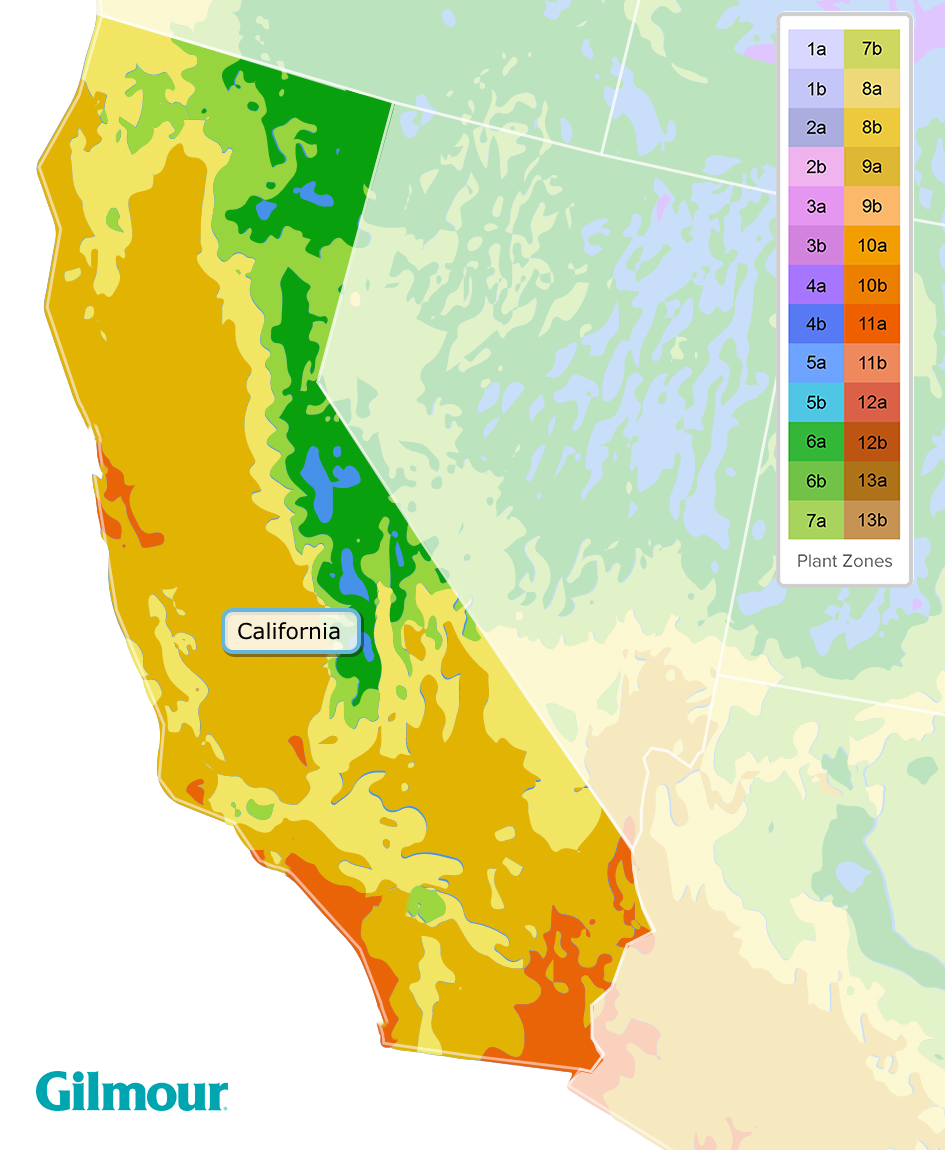
The concept of a planting zone, often defined by the USDA Plant Hardiness Zone Map or the more detailed Sunset Climate Zones, categorizes areas based on their average annual extreme minimum winter temperatures. While these maps primarily serve horticulturists, for visitors, they paint a vivid picture of the climate’s variability. Southern California’s intricate topography—from its long coastline and coastal plains to its inland valleys, mountain ranges, and expansive deserts—results in a breathtaking array of microclimates. This translates into a kaleidoscopic travel experience, offering everything from subtropical retreats to alpine adventures, all within a few hours’ drive.
For the adventurous traveler, understanding these zones means knowing when to visit the Mojave Desert for spring wildflowers, or when the mountains are ideal for skiing. For the culinary explorer, it explains the bounty of fresh, local ingredients available year-round. For those seeking accommodation, it speaks to the ambiance of a coastal resort compared to a desert oasis, each uniquely shaped by its environment. This article delves into the various planting zones of Southern California, interpreting their significance not just for plant life, but for the rich tapestry of travel, tourism, and lifestyle experiences awaiting discovery.
Understanding Southern California’s Unique Climate and Its Impact on Travel
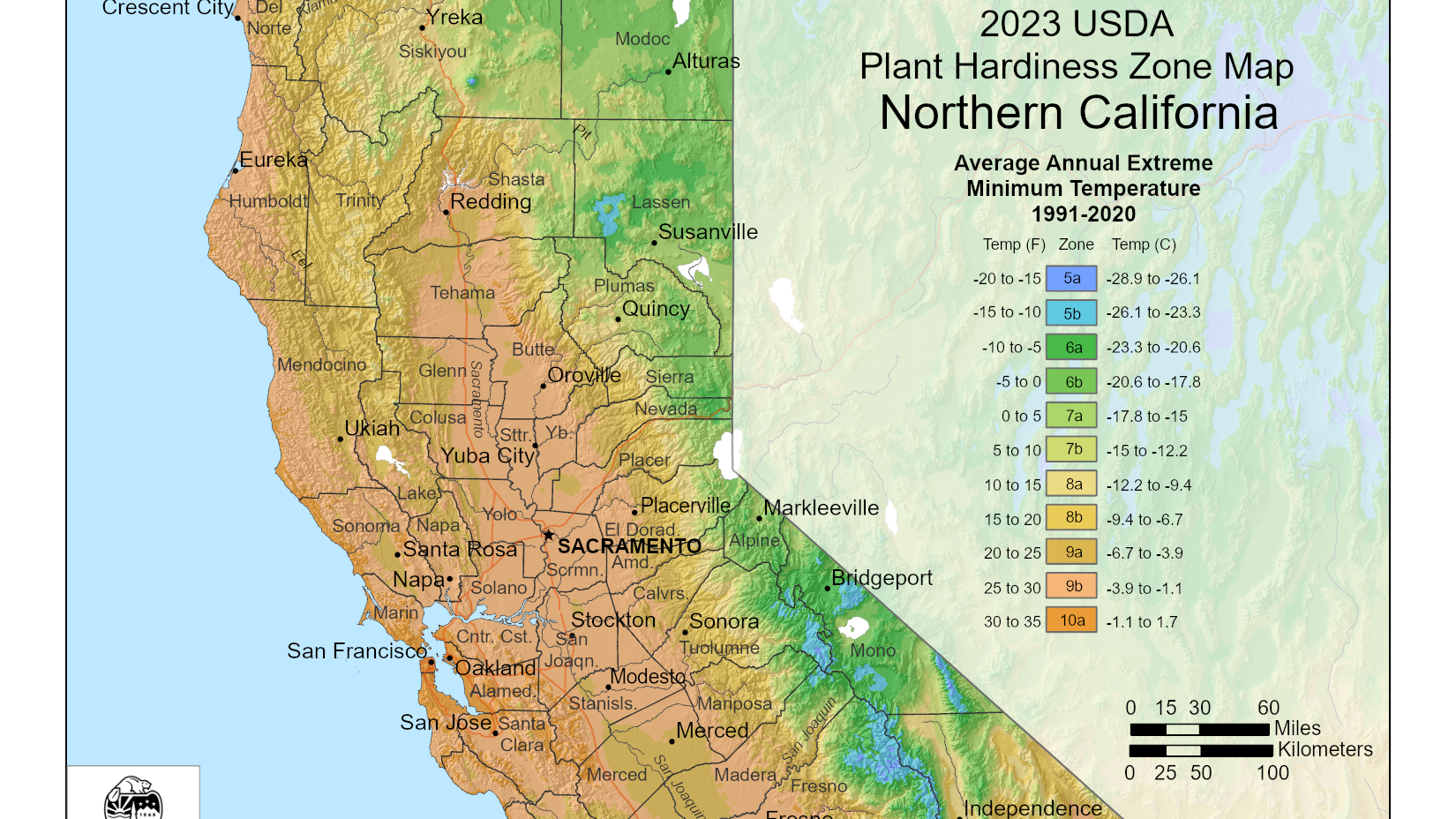
Southern California’s climate is far from uniform, a fact that’s immediately apparent to anyone traveling from its foggy coast to its scorching inland deserts. This climatic diversity is precisely what makes the region such a captivating destination, influencing everything from the types of outdoor activities available to the specific design and amenities of its accommodations. The traditional USDA Hardiness Zones for Southern California typically range from 8a in the cooler, higher elevations to 11a in the warmest coastal and desert areas. However, the Sunset Climate Zones, which consider a broader array of factors like rainfall, humidity, wind, and heat, offer an even more nuanced understanding, often classifying the region into dozens of distinct zones. These zones are the secret behind the region’s ability to host such a wide array of ecosystems and, consequently, travel experiences.
A Mosaic of Microclimates: From Coastal Breezes to Desert Heat
The rapid transition between Southern California’s distinct geographical features creates an unparalleled mosaic of microclimates. Along the immediate coast, cities like Los Angeles, San Diego, and Santa Barbara enjoy a quintessential Mediterranean climate. This means mild, wet winters and warm, dry summers, resulting in planting zones often categorized as 10a-11a by the USDA and various coastal Sunset zones (e.g., zones 23-24). Here, travelers can expect lush landscapes adorned with palm trees, bougainvillea, and citrus groves. This climate is perfect for year-round beach visits, surfing, and exploring scenic coastal routes. Accommodation options range from luxury oceanfront resorts offering refreshing sea breezes to charming boutique hotels nestled amidst verdant gardens, all promising a quintessential coastal lifestyle.
Moving slightly inland, the valleys and foothills experience hotter summers and cooler winters, though still generally frost-free or with only infrequent, light frosts. These areas, like parts of the San Fernando Valley or the inland sections of Orange County, often fall into USDA zones 9b-10b. This transition allows for a broader range of agricultural pursuits, from sprawling vineyards in the Temecula Valley to avocado orchards and citrus groves, offering fantastic opportunities for culinary tourism and wine tasting experiences.
Further east, beyond the coastal ranges, lies the spectacular Southern California desert. Destinations like Palm Springs and the surrounding Coachella Valley fall into USDA zones 9b-10b, characterized by extremely hot summers and mild, sunny winters. This unique environment fosters a distinctive desert flora, including various cacti, succulents, and native palms, creating breathtaking landscapes best explored in the cooler months. The desert climate allows for a unique brand of luxury travel, with resorts designed to embrace the arid beauty, often featuring stunning golf courses, serene pools, and desert-inspired spas. Nearby natural attractions like Joshua Tree National Park or Anza-Borrego Desert State Park offer unparalleled hiking and stargazing experiences, showcasing the resilience and beauty of desert life.
Finally, the majestic mountain ranges—such as the San Bernardino and San Gabriel Mountains—introduce colder climates. Destinations like Big Bear Lake or Lake Arrowhead experience significant snowfall in winter, placing them in USDA zones 7b-8b. These areas transform into popular winter sports destinations, offering skiing, snowboarding, and cozy cabin stays. In summer, they become havens for hiking, mountain biking, and escaping the coastal or desert heat. This incredible diversity within a relatively compact region ensures that no matter a traveler’s preference—be it sunbathing, desert exploration, or mountain adventures—Southern California has a perfect “zone” to explore.
Gardens, Agriculture, and Culinary Delights: A Traveler’s Perspective
The diverse planting zones of Southern California are not merely a botanical curiosity; they are a fundamental pillar of its appeal as a tourist destination, profoundly influencing its cultural landscape, recreational opportunities, and renowned culinary scene. From world-class botanical gardens showcasing exotic flora to verdant agricultural lands that supply farm-to-table restaurants, the region’s plant life is an integral part of the travel experience. It invites visitors to engage with the local environment in a deeply sensory way, offering visual splendor, aromatic experiences, and delicious flavors.
Iconic Gardens and Botanical Wonders Across the Region
For those who appreciate natural beauty and meticulous landscaping, Southern California offers an abundance of spectacular gardens, each a testament to the region’s varied planting zones. The Huntington Library, Art Museum, and Botanical Gardens in San Marino is a prime example, boasting a breathtaking collection of themed gardens, including a colossal Desert Garden, a tranquil Japanese Garden, and a vibrant Rose Garden. Its ability to host such a wide range of plant species is a direct reflection of Southern California’s accommodating climate zones, where many non-native plants can thrive alongside indigenous varieties.
Similarly, Descanso Gardens in La Cañada Flintridge showcases a magnificent collection of camellias, roses, and native oaks, providing a serene escape into a natural wonderland. In San Diego, the San Diego Botanic Garden in Encinitas presents diverse habitats, from an impressive Bamboo Garden to a native California Native Plants Garden and tropical rainforests, reflecting the milder coastal zones. Not to be overlooked, Balboa Park in downtown San Diego is home to numerous gardens, including its iconic Botanical Building and Lily Pond, showcasing subtropical flora that flourish in the city’s temperate climate. These landmark gardens offer not just visual feasts but also educational insights into global horticulture and the specific adaptations of plants to Southern California’s microclimates, making them essential stops for culture and nature enthusiasts alike.
Farm-to-Table Experiences and Local Produce
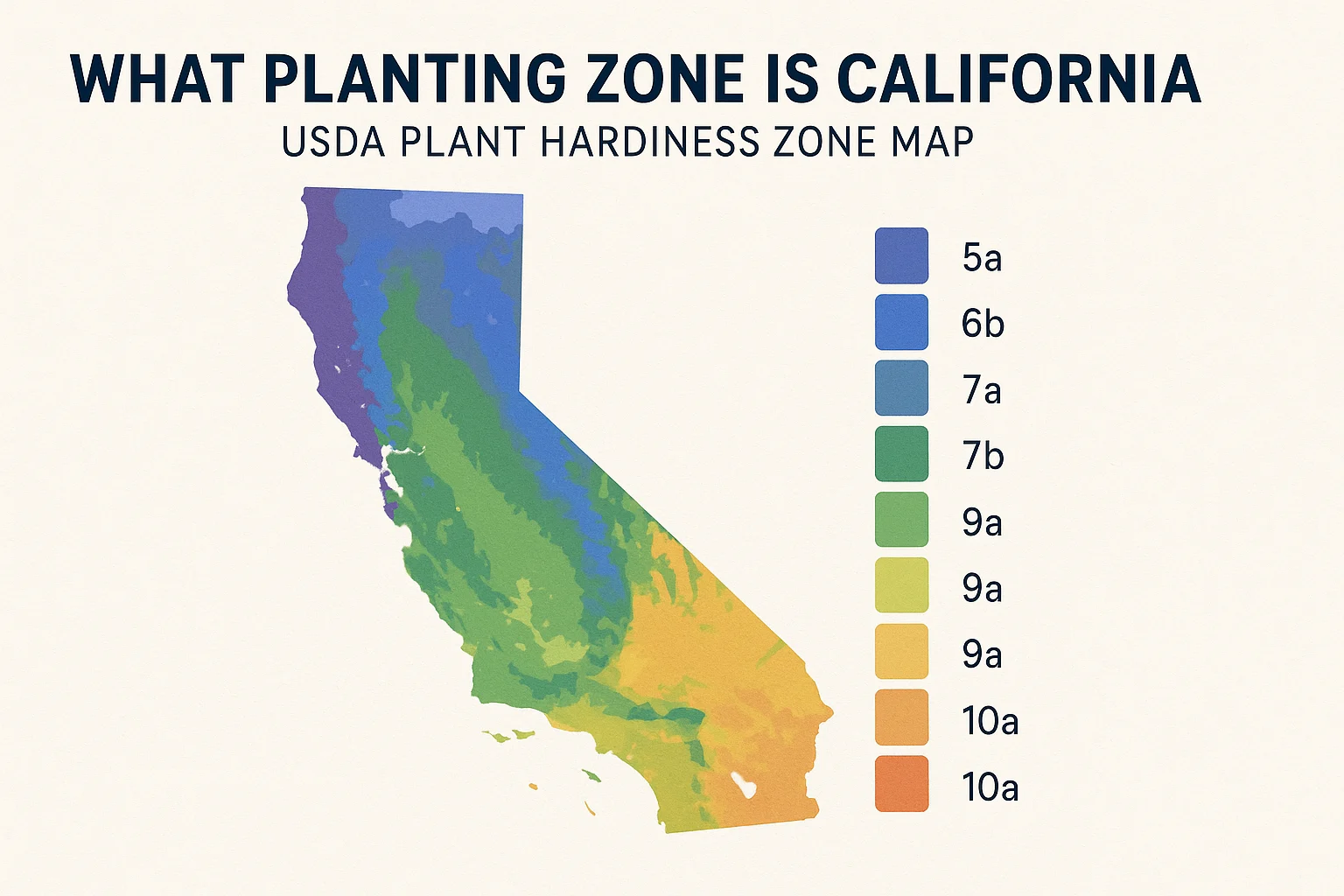
The agricultural bounty sustained by Southern California’s diverse planting zones forms the bedrock of its vibrant culinary scene. The region is famed for its year-round availability of fresh produce, a direct result of its favorable climates. From the citrus groves of Ventura County to the avocado orchards stretching across San Diego County, the land yields a rich harvest that directly impacts local cuisine and tourism. Travelers can immerse themselves in these farm-to-table experiences by visiting bustling farmers’ markets in cities like Santa Monica or Hollywood, where they can sample locally grown fruits, vegetables, and artisanal products.
The wine industry is another significant beneficiary of these zones. The Temecula Valley, for instance, with its warm days and cool nights, boasts a thriving wine country, offering picturesque vineyards and tasting rooms that attract visitors from around the globe. Similarly, the Santa Ynez Valley near Santa Barbara is renowned for its premium wines, making it a popular destination for wine tours and gourmet dining. These regions exemplify how planting zones enable specific agricultural industries to flourish, creating unique travel experiences centered around food and drink. Culinary tours, cooking classes featuring local ingredients, and dining at restaurants that proudly source from nearby farms offer profound insights into Southern California’s local culture and gastronomic identity. The region’s ability to cultivate such a wide variety of produce—from date palms in the Coachella Valley to berries along the coast—ensures a dynamic and flavorful experience for every palate, cementing its status as a premier destination for food lovers.
Planning Your Southern California Trip: Activities, Stays, and Scenic Beauty
Embracing Southern California’s planting zones as a framework for travel planning unlocks a spectrum of unparalleled experiences, connecting visitors to the region’s natural beauty, diverse activities, and exceptional accommodations. Whether you’re seeking the tranquility of a desert retreat, the vibrancy of a coastal city, or the adventure of mountain trails, understanding how climate influences the landscape is key to crafting an unforgettable journey. This perspective helps in choosing the optimal time to visit different areas, discovering unique outdoor adventures, and selecting accommodations that truly complement the local environment.
Optimal Seasons for Exploring Diverse Landscapes
The concept of planting zones directly informs the best times to experience Southern California’s varied landscapes. For instance, the desert regions, encompassing iconic spots like Joshua Tree National Park and the vibrant city of Palm Springs, are best visited during the cooler months from late fall through spring. This is when the temperatures are mild, wildflowers bloom after winter rains, and outdoor activities like hiking, rock climbing, and stargazing are most enjoyable. Conversely, coastal areas like Malibu, Laguna Beach, and San Diego offer their most quintessential experiences during the summer and early fall, when the weather is warm and ideal for beach days, surfing lessons, and exploring coastal towns.
For mountain destinations such as Big Bear Lake, winter transforms the landscape into a snowy playground for skiing and snowboarding enthusiasts. During the warmer months, these same areas become havens for hiking, mountain biking, and escaping the heat of the lower elevations. The transitional inland valleys, like those in the Santa Ynez Valley or Temecula Valley, provide pleasant year-round conditions for wine tasting, cycling, and exploring rural charm, though spring and fall often offer the most comfortable temperatures and stunning scenery. By aligning your travel plans with the “seasonal sweet spots” dictated by these planting zones, you can ensure a comfortable and fulfilling exploration of Southern California’s diverse attractions.
Accommodation Choices Amidst Southern California’s Flora
The distinct climates fostered by Southern California’s planting zones significantly influence the character and appeal of its accommodations. Resorts and hotels are often designed to harmonize with their local environment, offering guests an immersive sense of place. Along the coast, properties like the Ritz-Carlton Laguna Niguel or the Waldorf Astoria Beverly Hills often feature lush, Mediterranean-inspired gardens, ocean-view balconies, and open-air dining areas that take full advantage of the mild coastal climate and vibrant subtropical vegetation. These establishments epitomize luxury travel, providing an oasis of comfort amidst stunning natural backdrops.
In the desert, unique architectural styles and landscaping choices prevail. Hotels such as The Parker Palm Springs or the many boutique resorts in Palm Springs embrace the arid landscape, incorporating desert-adapted plants, shaded courtyards, and refreshing pools to create a distinctive retreat. Here, accommodation ranges from mid-century modern villas to contemporary resorts, all designed to offer respite from the sun while celebrating the beauty of the desert. Even within specific travel niches, like family trips to destinations such as the Disneyland Resort in Anaheim, the surrounding hotels and theme park itself utilize specific landscaping and water features appropriate for their inland valley zone, enhancing the overall magical experience. For budget travelers, options abound from cozy motels to vacation rentals, many of which still benefit from thoughtfully designed outdoor spaces that reflect the local flora.
Experiencing Southern California’s Outdoor Lifestyle
The varied planting zones are the very foundation of Southern California’s celebrated outdoor lifestyle, offering an incredible array of activities for every type of traveler. The mild coastal zones invite year-round pursuits such as surfing, paddleboarding, and beach volleyball in places like Huntington Beach or Coronado. Coastal trails offer scenic routes for walking and cycling, often passing through beautifully landscaped parks and natural reserves.
Inland, the foothills and valleys provide perfect conditions for golfing on world-class courses, horseback riding through scenic trails, and exploring regional parks. The temperate climate in areas like Ojai or the San Gabriel Mountains makes hiking and nature photography popular pastimes for those seeking to connect with nature. The desert zones, as mentioned, are a playground for off-roading, rock climbing, and exploring unique geological formations in national parks. Even the simple act of enjoying an al fresco meal or sipping a craft cocktail on a patio becomes an experience elevated by the perfectly suited climate and surrounding plant life. From high-adrenaline adventures to serene nature walks, Southern California’s diverse planting zones ensure a dynamic and engaging outdoor lifestyle for residents and visitors alike, making it a premier destination for those seeking active and enriching travel experiences.
Southern California – A Garden of Delights for Every Traveler
In essence, the concept of “planting zones” in Southern California transcends mere horticultural classification; it is the underlying rhythm that orchestrates the region’s extraordinary diversity, creating an unparalleled canvas for travelers and a distinctive lifestyle for its residents. From the sun-kissed beaches of Laguna Beach to the snow-dusted peaks of Big Bear Lake, and from the lush vineyards of Temecula Valley to the stark beauty of the Mojave Desert, each microclimate presents a unique opportunity for adventure, relaxation, and cultural immersion.
Understanding these zones allows visitors to not only appreciate the stunning variety of flora—from subtropical palms and succulents to native oaks and alpine pines—but also to intelligently plan their journeys. It guides them to the optimal seasons for specific activities, helps them discover the source of the region’s vibrant farm-to-table cuisine, and influences their choice of accommodation, whether it’s a sprawling resort nestled in a coastal garden or a chic boutique hotel embracing desert minimalism.
Southern California truly is a living, breathing botanical exhibition, where the landscape itself becomes a central character in every travel narrative. It offers not just destinations and attractions, but rich experiences shaped by its unique climatic personality. Whether you’re seeking luxury travel, a family adventure, a culinary quest, or an immersive nature escape, the diverse planting zones ensure that this remarkable region remains a dynamic and endlessly fascinating place to explore, inviting visitors to delve deep into its natural heart and discover a lifestyle that is as varied and vibrant as its incredible flora.
LifeOutOfTheBox is a participant in the Amazon Services LLC Associates Program, an affiliate advertising program designed to provide a means for sites to earn advertising fees by advertising and linking to Amazon.com. Amazon, the Amazon logo, AmazonSupply, and the AmazonSupply logo are trademarks of Amazon.com, Inc. or its affiliates. As an Amazon Associate we earn affiliate commissions from qualifying purchases.