
Beneath the glittering façade of modern New York City, a metropolis synonymous with innovation, freedom, and endless entertainment, lies a curious chapter in its history. A chapter where a seemingly innocent game, beloved by millions worldwide, was once deemed a public menace, a symbol of vice, and summarily outlawed for decades. This isn’t the tale of some underground gambling ring or a dangerous street sport; it’s the surprising story of pinball, the quintessential arcade game with its flashing lights, frantic flippers, and satisfying bells and whistles. For over three decades, from the early 1940s until the mid-1970s, pinball machines were illegal in the five boroughs of New York City, a ban that shaped a unique underground culture and left an indelible mark on the city’s approach to recreation and amusement.

For travelers exploring the vibrant streets of New York City today, perhaps staying in a boutique hotel in Greenwich Village or a luxury suite near Times Square, it might seem inconceivable that such a playful pastime could ever be considered illicit. Yet, the story of pinball’s prohibition is a fascinating window into the moral anxieties and cultural shifts that swept through America in the mid-20th century. It speaks to a time when civic leaders, aiming to curb crime and foster a diligent workforce, viewed certain forms of entertainment as inherently corrupting. Understanding this peculiar ban not only offers a deeper appreciation for New York City’s multifaceted history but also highlights how public perception and policy can dramatically alter the landscape of leisure and lifestyle.
The Curious Case of Pinball’s Prohibition in the Big Apple
The year was 1942. The world was embroiled in World War II, and New York City was a hub of wartime industry and patriotism. Against this backdrop of global conflict and national unity, Mayor Fiorello LaGuardia, a staunch reformer known for his relentless campaigns against vice and corruption, set his sights on pinball. His declaration was unequivocal: pinball machines were “gambling devices” that “robbed the pockets of schoolchildren,” distracting them from their studies and turning them into juvenile delinquents. This moral panic, fueled by a desire to protect the youth and enforce a more disciplined society, led to a city-wide ban on the game.
A City Under Stern Scrutiny: Why Pinball Faced the Ban
Fiorello LaGuardia’s crusade against pinball wasn’t an isolated incident. Across the nation, other cities like Los Angeles and Chicago also banned the game, albeit often for shorter periods. However, New York City’s ban was particularly zealous and enduring. The mayor argued that pinball machines, with their coin-operated mechanisms and the promise of a “free game” or prize for high scores, were insidious forms of gambling. He believed they preyed on the vulnerabilities of young people, siphoning away their meager allowances and fostering a culture of chance over hard work. His administration launched dramatic raids, seizing thousands of machines and publicly smashing them with sledgehammers, dumping their parts into the Hudson River in a clear message to would-be operators.
Beyond the gambling accusation, there was also a pervasive belief that pinball machines were breeding grounds for crime. The darkened corners of arcades and amusement parlors where these machines resided were often perceived as havens for petty criminals, truants, and other undesirable elements. For LaGuardia and his supporters, removing pinball was a step towards cleaning up the city, improving public morals, and ensuring that its youth were focused on productive activities rather than frivolous games of chance. This perspective, while perhaps extreme by today’s standards, reflected a broader societal concern about the moral fiber of the nation during a time of great upheaval. The ban, therefore, wasn’t just about a game; it was about a vision for a cleaner, more disciplined New York City.
The Era of Illicit Flippers: Underground Play and Speakeasy Vibes
The prohibition of pinball in New York City didn’t extinguish its popularity; it merely drove it underground. Just as Prohibition had spawned speakeasies for alcohol consumption, the pinball ban created a network of clandestine operations where enthusiasts could still get their fix. Machines were hidden in the back rooms of bars, laundromats, and other unassuming establishments, often requiring a secret knock or a word-of-mouth referral to access. Operators would constantly move machines to avoid detection by the police, leading to a cat-and-mouse game across the boroughs.
For a traveler interested in the quirky cultural history of New York City, imagining this era adds another layer to the city’s legendary allure. Picture a tourist from the 1950s, perhaps staying at one of the elegant hotels near Central Park, venturing into the seedier parts of town to experience an illicit game of pinball – a thrill akin to visiting a speakeasy. This underground scene fostered a unique sense of community among pinball aficionados, transforming a simple game into a rebellious act. It became a symbol of defiance against governmental overreach, a small act of freedom in a city determined to regulate every aspect of public life. This covert lifestyle added a mystique to pinball, elevating its status from mere amusement to a forbidden pleasure, something that both locals and adventurous visitors would seek out.
The Fight for Freedom: Challenging the Ban
As decades passed, the pinball ban became an anachronism. While other cities had long since legalized the game, New York City remained steadfast in its prohibition. The cultural landscape had shifted dramatically by the 1970s. Arcades were booming, and pinball machines had evolved technologically, becoming more complex, visually engaging, and clearly skill-based. The argument that they were pure games of chance seemed increasingly outdated, especially to a generation that grew up with them as a legitimate form of entertainment outside of New York City.
Roger Sharpe and the “Game of Skill” Defense
The turning point arrived in 1976, spearheaded by a charismatic and determined young magazine editor named Roger Sharpe. Sharpe, a self-proclaimed pinball wizard, was indignant about the ban. He understood that the core of the prohibition lay in the flawed legal definition of pinball as a game of chance rather than skill. To challenge this, Sharpe orchestrated a dramatic demonstration before the New York City Council.
The scene was set: a pinball machine brought into the council chambers. Sharpe stepped forward and famously declared, “I will call my shot!” He then proceeded to play, meticulously demonstrating how he could manipulate the ball with the flippers to hit specific targets, control its trajectory, and achieve high scores through precise technique and strategic nudging of the machine. He argued that while luck played a small role, just as it does in many sports, the dominant factor in pinball was the player’s skill, dexterity, and understanding of physics. His performance was undeniably convincing. He skillfully proved that pinball was not merely a random game of chance but a challenging contest requiring focus, coordination, and practice – qualities hardly conducive to juvenile delinquency.
From Outlawed Pastime to Cultural Icon
Roger Sharpe’s compelling demonstration and the subsequent testimony by other experts and enthusiasts finally swayed the city council. On April 16, 1976, after 34 years, the pinball ban in New York City was officially lifted. The decision was met with widespread celebration, marking a significant victory for personal freedom and a recognition of changing cultural norms. Pinball machines, once symbols of vice, could now openly take their rightful place in arcades, bars, and amusement centers across the city.
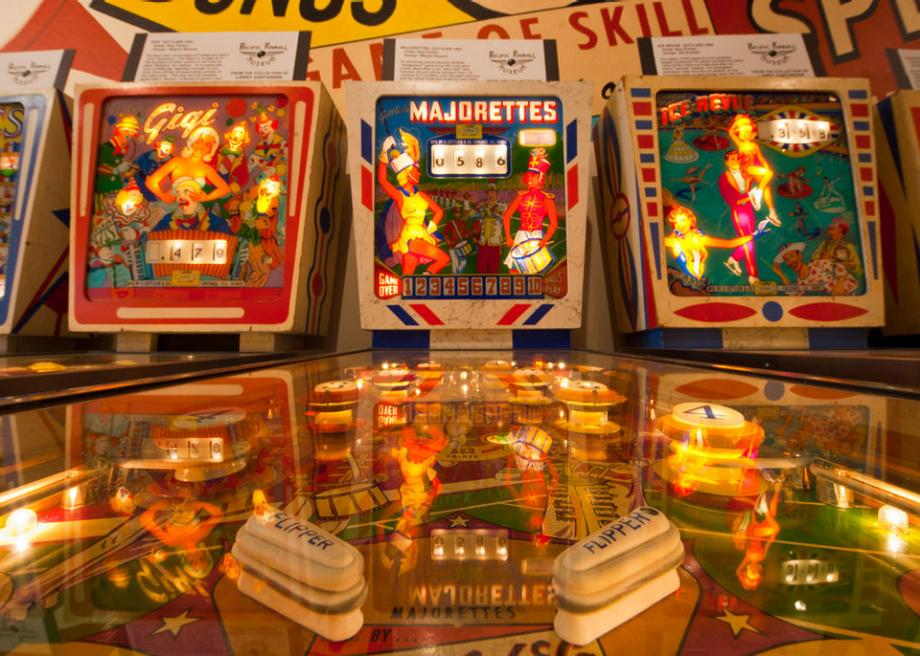
This legalization wasn’t just about a game; it represented a broader shift in New York City’s outlook on leisure and entertainment. It symbolized a move away from the puritanical constraints of the past towards a more open, diverse, and accepting urban lifestyle. For tourism, the return of pinball added another layer to the city’s vibrant character, offering new attractions and experiences for both locals and visitors. It meant that New York City was finally catching up with the rest of America in embracing this beloved form of public recreation, contributing to its image as a global hub of diverse cultural offerings.
Pinball’s Resurgence: A Modern NYC Attraction
Following its legalization, pinball experienced a golden age in New York City, flourishing alongside the burgeoning video game arcade scene. While the rise of home consoles and internet gaming eventually led to a decline in traditional arcades, pinball has enjoyed a remarkable renaissance in recent years, becoming a beloved niche for enthusiasts and a nostalgic draw for travelers.
Beyond the Arcades: Pinball in Today’s Hospitality Scene
Today, pinball machines are no longer relegated to dimly lit, sticky-floored arcades (though some fantastic ones still exist!). They have found their way into a diverse range of establishments, reflecting a modern appreciation for retro gaming and unique social experiences. Many trendy bars, craft breweries, and even some boutique hotels across New York City proudly feature a selection of vintage and modern pinball tables.
For instance, places like Barcade in Williamsburg or Manhattan seamlessly blend craft beer with classic arcade games, offering a perfect evening activity for adults. Sunshine Laundromat in Greenpoint, a quirky spot that hides a bar and a fantastic collection of pinball machines behind a fully functioning laundromat, is a testament to the game’s integration into New York City’s unique social fabric. These venues provide not just entertainment but also a sense of community and a trip down memory lane, appealing to both seasoned pinball wizards and curious newcomers.
For travelers seeking authentic New York City experiences, discovering these pinball havens can be a delightful surprise. They offer a departure from conventional tourist attractions, providing a glimpse into the city’s eclectic lifestyle and its embrace of subcultures. Imagine winding down after a day of sightseeing, perhaps having enjoyed a luxurious stay at a resort in the city, with a craft cocktail in hand, engaging in a lively game of pinball. It’s an experience that transcends mere gameplay, offering a connection to a piece of New York City’s resilient spirit.
A Nostalgic Journey for Travelers and Locals Alike
The resurgence of pinball also speaks to a broader trend in tourism and travel: the search for authentic, nostalgic, and interactive experiences. Travelers are increasingly looking for ways to engage with a destination’s past, and playing a game that was once banned offers a unique, tangible link to New York City’s history. Whether it’s a visit to the Modern Pinball NYC Arcade or a casual game at a local bar, pinball provides an accessible and fun way to connect with the city’s enduring character.
This renewed interest ensures that pinball continues to be a part of the vibrant fabric of New York City, not just as a game but as a cultural landmark in its own right. It’s a reminder of the city’s ability to evolve, to challenge its own assumptions, and to ultimately embrace the diverse forms of joy and amusement that its residents and visitors cherish. For those planning their next trip to the Big Apple, seeking out a pinball machine offers a fantastic blend of history, fun, and genuine New York City flair.
The Enduring Legacy: Pinball’s Place in History and Travel Culture
The story of pinball in New York City is more than just a quirky historical footnote; it’s a rich narrative that intertwines with broader themes of social control, moral panic, and the enduring human desire for play. It exemplifies how public perception can be shaped and reshaped, and how a seemingly trivial game can reflect deeper societal values.
Pinball as a Cultural Landmark and Lifestyle Pursuit
In an era dominated by digital screens, the tactile, mechanical thrill of a pinball machine offers a refreshing analog experience. Each game is a physical challenge, a dance between player and machine, where strategy, quick reflexes, and a bit of luck combine. This unique engagement makes pinball a distinct lifestyle pursuit for many, fostering a community of collectors, players, and enthusiasts. From tournaments attracting players from around the globe to casual meetups in local establishments, pinball nurtures a vibrant social scene.
Moreover, the story of pinball’s ban and legalization has cemented its status as a cultural landmark within New York City’s narrative. It’s a testament to the city’s dynamic past, a reminder that even the most seemingly innocuous aspects of daily life can have profound historical implications. For tourists, encountering pinball in New York City can be akin to visiting a historical site; it’s an interactive way to experience the city’s journey through time, from the strictures of the LaGuardia era to the liberated spirit of today. It represents a victory for leisure, a celebration of the right to enjoy harmless fun.

Planning Your Pinball Pilgrimage in New York City
For those looking to dive into this fascinating slice of New York City history, planning a “pinball pilgrimage” can be a fantastic addition to any travel itinerary. Start by exploring the numerous establishments that proudly host pinball machines. Websites and apps dedicated to pinball locations can guide you to the nearest tables, whether you’re in Brooklyn, Manhattan, or beyond. Many of these venues also offer excellent local craft beers, artisanal food, or unique atmospheres, making them perfect stops for both a game and a taste of local New York City culture.
Consider staying in an accommodation that places you close to these pinball hotbeds, perhaps an apartment rental in Bushwick near Barcade or a trendy hotel in the Lower East Side with a nearby arcade bar. This approach to tourism allows for an immersive experience, blending the historical intrigue of pinball’s past with the modern vibrancy of New York City’s hospitality scene. It’s an example of how a city’s unique history can contribute to its contemporary appeal, offering distinctive attractions and memorable experiences for every kind of traveler.
From its controversial beginnings to its celebrated resurgence, pinball’s journey in New York City is a compelling narrative of perseverance, cultural evolution, and the timeless appeal of a well-played game. It reminds us that even in a city of towering skyscrapers and global significance, the stories of simple pleasures often hold the most profound insights into its enduring spirit. So, on your next visit to the Big Apple, take a moment to find a pinball machine, drop a quarter, and experience a piece of New York City’s once-forbidden past.
LifeOutOfTheBox is a participant in the Amazon Services LLC Associates Program, an affiliate advertising program designed to provide a means for sites to earn advertising fees by advertising and linking to Amazon.com. Amazon, the Amazon logo, AmazonSupply, and the AmazonSupply logo are trademarks of Amazon.com, Inc. or its affiliates. As an Amazon Associate we earn affiliate commissions from qualifying purchases.