
The question “What province is California?” often arises from a common misconception about the administrative divisions of countries around the world. To set the record straight from a traveler’s perspective: California is not a province. It is one of the 50 states that constitute the United States of America. While terms like “province” are common in countries such as Canada, China, or South Africa to denote significant sub-national administrative units, the United States utilizes the term “state.” This fundamental distinction is crucial for understanding its governance, culture, and the vast array of experiences it offers to visitors.
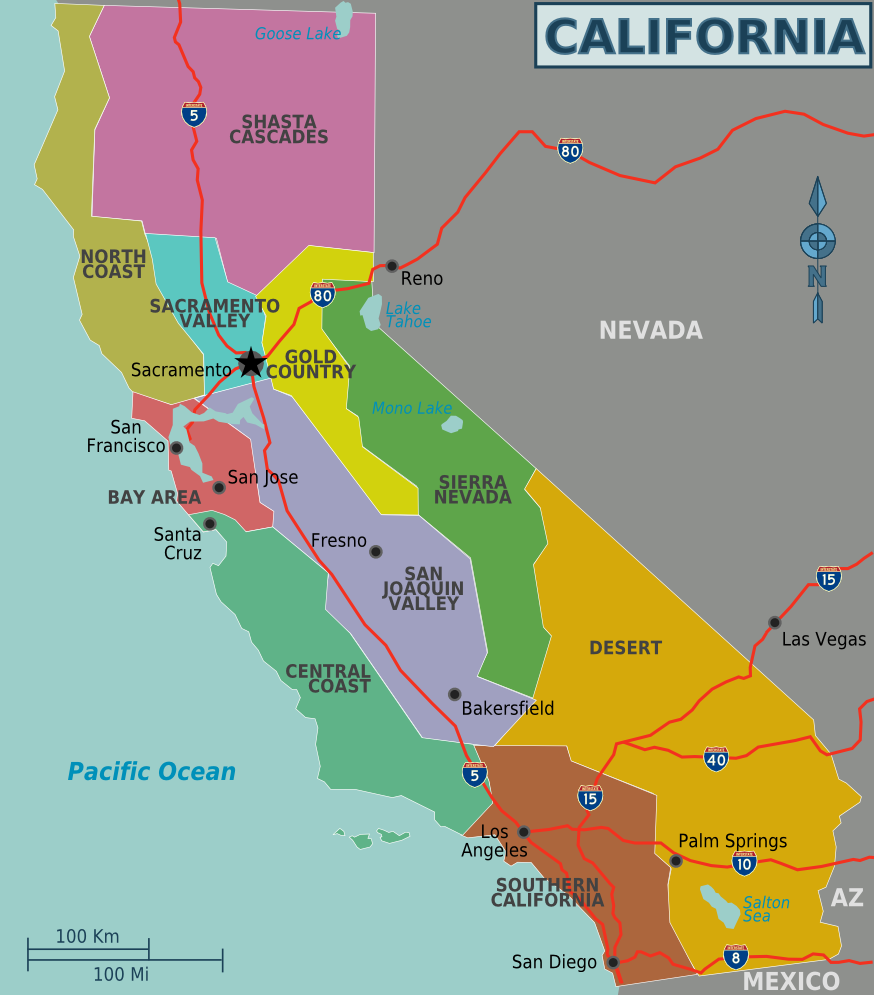
Far from being a mere administrative label, California’s status as a state profoundly shapes its identity as a travel destination. It grants it a unique blend of semi-autonomy within the federal system, fostering diverse local governance, distinct cultural landscapes, and an unparalleled economic dynamism that attracts millions of tourists and residents alike. From its pioneering spirit to its environmental leadership, California embodies the American dream in many forms, offering a kaleidoscope of natural beauty, urban sophistication, and cultural richness. Understanding this distinction is the first step in appreciating the “Golden State” for the extraordinary place it truly is, a vibrant tapestry of experiences waiting to be explored by the discerning traveler.
California: A State of Diverse Landscapes and Cultures
As a state, California boasts a level of political and geographical diversity that few provinces, or even countries, can rival. This identity allows it to foster distinct regional characteristics, each offering unique appeals to travelers.
The Golden State’s Unique Political Identity
California became the 31st state to join the United States on September 9, 1850, following the Mexican-American War and the transformative Gold Rush. Its journey to statehood shaped its independent spirit and its robust, self-governing structure. Unlike a province, which often derives its powers directly from a central government with less autonomy, a U.S. state possesses its own constitution, legislature, executive branch, and judiciary. This allows California to enact its own laws on a wide range of issues, from environmental protection to education, often setting trends that resonate across the nation and even globally. This autonomy is reflected in its progressive policies, innovative industries, and distinct cultural identity, which are all significant drawcards for visitors. For travelers, this means a consistent yet varied experience, with local nuances that add depth to any journey through its diverse regions.
Geographical Tapestry for Travelers
The sheer geographical variety of California is arguably its most compelling feature for travelers. Stretching approximately 800 miles from north to south, its landscape transitions dramatically, offering everything from sun-drenched beaches to snow-capped peaks.
Along its extensive western flank, the Pacific Ocean carves out a stunning coastline. Southern California is famous for its iconic sandy beaches in places like Malibu and Santa Monica, perfect for surfing, sunbathing, and vibrant boardwalk scenes. Further north, the coastline becomes more rugged and dramatic, epitomized by the breathtaking cliffs and redwood forests of Big Sur and the misty shores near San Francisco.
Inland, the state is dominated by impressive mountain ranges. The Sierra Nevada range, running parallel to the Pacific Ocean for much of the state, is home to the highest peak in the contiguous United States, Mount Whitney, and several world-renowned national parks like Yosemite National Park and Sequoia National Park. These mountains offer incredible opportunities for hiking, skiing, and mountaineering, drawing outdoor enthusiasts year-round. To the north, the lesser-known Cascade Range features volcanic peaks and pristine wilderness.
East of the Sierra Nevada, California’s landscape dramatically shifts to arid deserts. The Mojave Desert, with its Joshua Trees and unique geological formations, leads to the stark, otherworldly beauty of Death Valley, one of the hottest places on Earth. These desert regions offer captivating experiences for those interested in stargazing, photography, and exploring resilient ecosystems.
Sandwiched between the coastal ranges and the Sierra Nevada lies the fertile Central Valley, one of the world’s most productive agricultural regions. While perhaps not a primary tourist destination in itself, it’s the source of much of the fresh produce that fuels California’s celebrated farm-to-table culinary scene and provides a glimpse into the state’s economic backbone. This incredible geographical diversity ensures that no matter a traveler’s interest, California offers an adventure tailored to their desires.
Iconic Destinations and Must-See Attractions
California’s status as a state with immense natural and cultural wealth has led to the development of an extraordinary array of iconic destinations and attractions, making it a perennial favorite for travelers worldwide.
Urban Wonders
California is home to some of the most dynamic and influential cities globally, each with its distinct character and a wealth of attractions.
Los Angeles, often called the “City of Angels,” is a sprawling metropolis synonymous with glamour and entertainment. It’s the heart of the American film industry, with Hollywood drawing millions to its Walk of Fame, Universal Studios Hollywood, and studio tours. Beyond the silver screen, Los Angeles offers world-class museums like the Getty Center, diverse culinary experiences, and beautiful beaches like Santa Monica and Venice Beach.
To the north, San Francisco is famous for its dramatic hills, Victorian architecture, and iconic landmarks. The Golden Gate Bridge is a marvel of engineering and a stunning backdrop for photos. Visitors can ride the historic Cable Cars up and down the steep streets, visit the infamous island prison of Alcatraz, explore the bustling Fisherman’s Wharf, and wander through the vibrant neighborhoods of Chinatown and the Castro.
Further south along the coast, San Diego offers a more laid-back vibe with its beautiful beaches, vibrant arts scene, and rich history. Attractions include the world-renowned San Diego Zoo within Balboa Park, the historic Gaslamp Quarter, and the pristine shores of Coronado Island.
Sacramento, the state capital, provides a glimpse into California’s political heart and Gold Rush history. Old Sacramento State Historic Park, with its wooden sidewalks and horse-drawn carriages, transports visitors back to the 19th century.
Natural Sanctuaries
Beyond its bustling cities, California is blessed with an unparalleled collection of natural wonders, many preserved within its extensive system of national and state parks.

Yosemite National Park is perhaps the crown jewel, globally celebrated for its majestic granite cliffs like El Capitan and Half Dome, towering waterfalls, and ancient sequoia groves. It offers breathtaking vistas and countless hiking trails.
Neighboring Sequoia National Park and Kings Canyon National Park are home to the largest trees on Earth, the giant sequoias, including the magnificent General Sherman Tree. Walking among these ancient giants is a truly humbling experience.
The dramatic coastline of Big Sur offers one of the most scenic drives in the world along Highway 1, with breathtaking ocean views, redwood forests, and iconic bridges like Bixby Bridge.
High in the Sierra Nevada, Lake Tahoe is a stunning alpine lake renowned for its crystal-clear waters and surrounding mountains, offering year-round recreation from skiing and snowboarding in winter to boating, hiking, and mountain biking in summer.
Lastly, Redwood National and State Parks in Northern California protect the world’s tallest trees, the coast redwoods. Walking through these ancient, mist-shrouded forests is an awe-inspiring experience, connecting visitors to a primordial natural world. These natural sanctuaries underline California’s incredible environmental diversity and its commitment to preserving these invaluable landscapes for future generations.
Crafting Your California Itinerary: Experiences for Every Traveler
The sheer scale and diversity of California mean that any itinerary can be meticulously tailored to suit specific interests, from adrenaline-pumping adventures to serene cultural immersions. Its identity as a multifaceted state allows for a rich tapestry of travel experiences.
Adventure and Outdoors
For the adventurous traveler, California is an unparalleled playground. The state’s varied terrain supports a vast array of outdoor activities. Surfing is a quintessential California experience, with famous breaks in Malibu, Huntington Beach, and San Clemente. Hiking opportunities abound, from challenging treks in Yosemite National Park to coastal trails in Big Sur and desert explorations in Joshua Tree National Park. In winter, the Sierra Nevada transforms into a ski and snowboard paradise, with resorts like Mammoth Mountain and those around Lake Tahoe offering world-class slopes. Rock climbing in Yosemite and Joshua Tree, kayaking in La Jolla Cove, and mountain biking across countless trails further solidify California’s reputation as an outdoor enthusiast’s dream.
Culture and Entertainment
California’s cultural footprint is as vast as its landscapes. The state is a global epicenter for entertainment, with Hollywood in Los Angeles being the undisputed capital of filmmaking. Visitors can immerse themselves in the magic of movies at Universal Studios Hollywood or explore the history of cinema at various museums. Theme park enthusiasts will flock to Disneyland Resort in Anaheim, the original Disney park, offering timeless magic for all ages. Beyond the glitz, California offers a rich tapestry of arts and culture, from the contemporary galleries in Downtown Los Angeles to the historic theaters of San Francisco and the vibrant murals of Balboa Park in San Diego. Music festivals, art installations, and diverse community events showcase the state’s innovative and inclusive spirit.
Culinary Journeys and Wine Country
The culinary scene in California is a reflection of its diverse agriculture, cultural melting pot, and commitment to fresh, local ingredients. The “farm-to-table” movement originated here, and restaurants across the state champion seasonal produce from the Central Valley and coastal farms. From Michelin-starred fine dining in San Francisco and Los Angeles to authentic street food tacos in San Diego and sustainable seafood along the coast, there’s a gastronomic adventure for every palate.
No discussion of California’s culinary offerings is complete without mentioning its world-renowned wine regions. Napa Valley and Sonoma Valley, north of San Francisco, are globally recognized for their exceptional wines, particularly Cabernet Sauvignon and Chardonnay. Visitors can enjoy scenic drives through vineyards, participate in wine tastings, and indulge in gourmet meals paired with local vintages. Other emerging wine regions, such as those in Paso Robles and Santa Barbara County, also offer unique tasting experiences and picturesque settings.
Navigating the Golden State: Practical Travel Tips
Embarking on a journey through California requires thoughtful planning to maximize the experience. Its vastness and varied climates necessitate strategic decisions to fully appreciate its offerings.
Best Time to Visit
California’s diverse geography means there isn’t a single “best” time to visit the entire state, as conditions vary significantly by region.
- Coastal Areas (e.g., Los Angeles, San Francisco, San Diego): Spring (April-May) and Fall (September-October) offer pleasant temperatures, fewer crowds, and clear skies, ideal for sightseeing and beach activities. Summers can be crowded and foggy in San Francisco, while winters are mild but can bring rain.
- Mountain Regions (e.g., Yosemite, Lake Tahoe): Summers (June-August) are perfect for hiking and water sports, with all roads and facilities open. Winter (December-March) transforms these areas into ski resorts, but some park roads may close due to snow. Spring brings spectacular waterfalls in Yosemite as snow melts.
- Deserts (e.g., Death Valley, Joshua Tree): Fall (October-November) and Spring (March-April) are ideal, with cooler temperatures making exploration comfortable. Summers are extremely hot and best avoided for extensive outdoor activities.
Transportation
Given the immense distances between its major attractions, a rental car is highly recommended for exploring California comprehensively. Driving allows for flexibility and the opportunity to experience scenic routes like Highway 1 along the coast. Major cities like Los Angeles and San Francisco have extensive public transportation networks (e.g., BART in the Bay Area, Metro in Los Angeles), but these are generally less efficient for inter-city travel or reaching national parks. For longer distances, flying between major airports (e.g., LAX, SFO, SAN) can save significant time.

Planning Your Trip
Effective planning is key to a successful California vacation.
- Focus on Regions: Instead of trying to see the entire state in one go, consider focusing on a specific region (e.g., Southern California for beaches and theme parks, Northern California for redwoods and wine country).
- Book in Advance: Especially for popular national parks (like Yosemite), major attractions, and accommodation during peak seasons, booking well ahead is crucial. Some national parks now require timed entry reservations.
- Pack Layers: Due to microclimates, temperatures can change dramatically within a single day or across short distances. Packing versatile layers is always a good strategy.
- Stay Hydrated: Particularly when exploring deserts or engaging in strenuous outdoor activities, ensure you carry and drink plenty of water.
- Be Aware of Traffic: Urban areas, especially Los Angeles and the Bay Area, are notorious for traffic congestion. Plan travel times accordingly, especially during rush hour.
In conclusion, while the initial question “What province is California?” may stem from a geographical misunderstanding, it serves as an excellent springboard to appreciate the true nature of this remarkable destination. California’s identity as a state within the United States grants it a unique blend of autonomy and diversity, which translates into an unparalleled range of experiences for every type of traveler. From its iconic cities and pristine natural wonders to its vibrant culture and world-class cuisine, the Golden State offers an adventure that is as rich and varied as its landscapes. It is a destination that constantly reinvents itself, promising unforgettable memories and a desire to return.
LifeOutOfTheBox is a participant in the Amazon Services LLC Associates Program, an affiliate advertising program designed to provide a means for sites to earn advertising fees by advertising and linking to Amazon.com. Amazon, the Amazon logo, AmazonSupply, and the AmazonSupply logo are trademarks of Amazon.com, Inc. or its affiliates. As an Amazon Associate we earn affiliate commissions from qualifying purchases.