
The allure of the Boston Marathon is unlike any other in the world of running. It’s not just a race; it’s a journey, a testament to endurance, and a coveted badge of honor for amateur and elite athletes alike. Dating back to 1897, the Boston Marathon is the world’s oldest annual marathon, steeped in tradition and boasting a legendary course that challenges even the most seasoned runners. What sets it apart most distinctly, however, is its stringent entry requirement: the necessity of achieving a qualifying time. This isn’t merely about registering; it’s about earning your spot, a challenge that transforms a simple marathon into a lifelong pursuit for many.
For those dreaming of crossing the iconic finish line on Boylston Street in Boston, understanding the qualifying standards is the first, crucial step. This guide delves into everything aspiring participants need to know, from the precise time standards to the meticulous planning required for a memorable race week in one of America’s most historic cities. We’ll explore not just the athletic endeavor, but also the rich travel and tourism opportunities that make the Boston Marathon experience a holistic adventure, encompassing luxurious stays, local culture, and iconic landmarks.

Understanding the Boston Marathon Qualification Standards
The road to Boston begins with a single, successful race that meets the stringent time standards set by the Boston Athletic Association (BAA). These standards are updated periodically and are strictly enforced, reflecting the race’s prestige and the immense demand for entry. Earning a spot means demonstrating not just commitment, but also a remarkable level of athletic achievement.
The Core of Qualification: Age and Gender Categories
The qualifying times for the Boston Marathon are meticulously structured based on a runner’s age and gender. These categories ensure a fair playing field, recognizing that athletic performance naturally varies across different age groups. When you register for a qualifying race, your age on the date of the Boston Marathon itself determines your category, not your age on the date of your qualifying race. This detail is crucial for planning your attempts.
For instance, a male runner aged 18-34 would need to complete a marathon in a specific time, while a female runner in the same age bracket would have a different, albeit equally challenging, standard. As runners progress into older age categories (e.g., 35-39, 40-44, and so on, typically in five-year increments), the qualifying times generally become more generous. This nuanced approach ensures that the race remains accessible yet challenging across a broad spectrum of dedicated athletes. It’s imperative to consult the official BAA website for the most current and precise standards, as they can shift slightly from year to year. Understanding your specific age group’s requirement is the absolute bedrock of your Boston Marathon quest.

Navigating the Qualification Window and Accepted Races
Once you know your target time, the next step is to achieve it within the designated qualification window. The BAA typically opens a specific period (for example, from September of the year prior to the marathon, extending until the registration period closes) during which your qualifying race must have been completed. This means careful planning of your race calendar to ensure your best performance falls within this critical timeframe.
Furthermore, not just any marathon will do. Your qualifying time must be achieved at a marathon certified by a national governing body like USA Track & Field (USATF) or an equivalent international organization. This certification ensures the course is accurately measured and meets specific standards, guaranteeing the integrity of your qualifying performance. For runners traveling for their qualifying race, this also introduces exciting travel opportunities, allowing you to experience diverse destinations while pursuing your goal. Imagine tackling a beautiful course in a new city, making the journey to Boston an adventure from the very start. Whether it’s a major city marathon or a scenic course in a national park, choosing the right race can be a rewarding experience in itself, offering distinct travel memories before the ultimate Boston trip.
The “Buffer Time” Phenomenon: Why Faster is Better
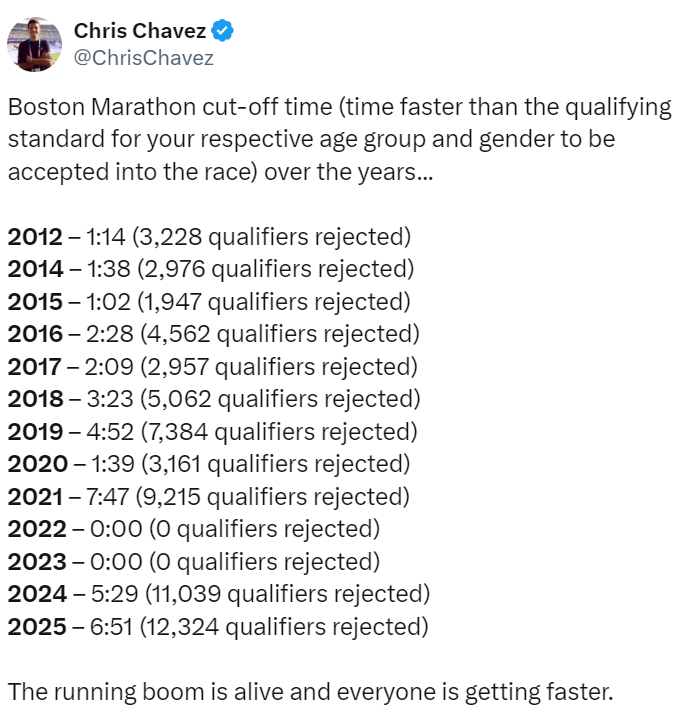
While meeting the official qualifying time is essential, simply hitting the standard is often not enough to guarantee entry. Due to the overwhelming popularity of the Boston Marathon, the race is frequently oversubscribed, meaning more qualified runners apply than there are available spots. In such scenarios, the BAA employs a “buffer time” system. This means that only those who have run faster than their age-group standard by a certain margin (e.g., 1 minute, 30 seconds, or even more) are accepted, starting with the fastest applicants first.
This phenomenon underscores the competitive nature of the race and encourages aspiring runners to push beyond the minimum. Aiming for a “buffer time” provides a greater chance of acceptance and adds another layer of challenge to your training. It transforms the goal from merely qualifying to qualifying comfortably. This intense demand also makes the eventual acceptance email even more exhilarating, signaling not just an athletic achievement but the confirmation of an incredible travel and race experience ahead. For those traveling internationally to participate, the peace of mind that comes with a strong buffer time cannot be overstated when planning flights, accommodation, and touring activities in the USA.
Beyond the Clock: The Boston Marathon Experience
The Boston Marathon is far more than just 26.2 miles; it’s a cultural phenomenon, a deeply historical event, and an unparalleled travel destination. For participants and spectators alike, the week surrounding the race offers an immersive experience into the heart of Massachusetts, blending athletic pursuit with rich historical exploration, vibrant local culture, and exceptional hospitality.
A Legacy of Endurance: The Race’s Rich History
The Boston Marathon’s story is intertwined with the history of endurance sports and the city of Boston itself. Since its inception, inspired by the success of the first modern Olympic Games marathon in 1896, it has grown from a local endurance challenge to an international spectacle. The race holds a special place in history for its role in integrating women into marathon running, famously exemplified by Kathrine Switzer’s groundbreaking run in 1967. This legacy of perseverance, inclusivity, and overcoming challenges infuses every step of the course and every interaction during race week.
Exploring Boston’s historical landmarks, like the Freedom Trail, can provide a profound sense of connection to the city’s past and the spirit of determination that defines both the marathon and American history. Walking the cobbled streets of Beacon Hill or visiting the Paul Revere House offers a glimpse into revolutionary times, adding depth to your travel experience beyond just the race itself. The marathon’s history is celebrated through museums, plaques, and the stories shared by locals, making it a truly immersive cultural tourism experience.
Exploring Boston: A Pre- and Post-Race Travel Guide
Boston is a city designed for exploration, offering a captivating blend of old-world charm and modern sophistication. For runners arriving early or staying after the race, the city provides an abundance of attractions and activities that cater to every interest. Before race day, gentle walks along the Charles River or through the tranquil Boston Common and Public Garden are perfect for light stretching and soaking in the atmosphere without overexertion.
Post-race, with the accomplishment still fresh, you can dive deeper into the city’s vibrant offerings. Explore the bustling marketplace of Faneuil Hall and Quincy Market for delicious food and unique souvenirs. Indulge in authentic Italian cuisine in the historic North End, or immerse yourself in art and culture at the Museum of Fine Arts or the exquisite Isabella Stewart Gardner Museum. Families traveling with runners will find the New England Aquarium and the Boston Tea Party Ships & Museum engaging. And no visit to Boston is complete without a stop at Fenway Park, even if just for a photo opportunity outside. The city’s compact nature and excellent public transportation make navigating these attractions effortless, ensuring a fulfilling travel experience beyond the race course.
Accommodation and Logistics for Runners and Supporters
Securing the right accommodation is paramount for a stress-free Boston Marathon experience. Boston offers a diverse range of hotels, suites, resorts, and apartments, catering to various budgets and preferences. Due to the immense popularity of the event, booking well in advance—sometimes even a year out—is highly recommended, particularly for race week. Prices can escalate quickly, so early reservations are key to finding both availability and value.
Many runners prefer to stay in downtown Boston, particularly in areas like Back Bay, which is close to the finish line, the race expo, and shuttle bus pick-up points for the start in Hopkinton. Upscale options like the Four Seasons Hotel Boston or The Lenox Hotel offer luxury amenities and an exceptional experience for those celebrating a bucket-list achievement. Mid-range hotels such as the Marriott Copley Place or The Eliot Hotel provide comfortable and convenient stays. For budget travelers or those seeking a home-away-from-home feel, serviced apartments or boutique hotels in neighborhoods slightly further afield, like the Seaport District or Cambridge (just across the Charles River), can be excellent choices. These offer more space and often kitchen facilities, ideal for pre-race meal preparation or long-term stays.
Considering logistics for race morning is also crucial. Runners typically take official buses from Boston Common to the start line in Hopkinton. Therefore, choosing accommodation with easy access to these departure points, or to public transit that leads there, is a smart move. Supporters will also want to plan their viewing spots along the course, from the festive atmosphere in Wellesley to the challenging Newton Hills and the final stretch on Boylston Street. Many hotels offer amenities like early breakfast for runners and concierge services to assist with travel arrangements, making them an integral part of the overall marathon lifestyle experience.
Training, Preparation, and Race Day Strategy
Achieving a Boston Marathon qualifying time is a triumph in itself, but preparing for the race day conditions and the unique demands of the course requires a dedicated strategy. This isn’t just about logging miles; it’s about meticulous planning, physical conditioning, and mental fortitude to tackle one of the world’s most challenging and rewarding marathons.
Crafting Your Training Plan: Mileage, Speed, and Recovery
A successful Boston Marathon campaign demands a well-structured training plan, typically spanning 16-20 weeks, designed to build endurance, speed, and resilience. Long runs are the bedrock, progressively increasing in distance to prepare your body for the sustained effort. Incorporating speed work, such as tempo runs and interval training, will sharpen your pace and improve your lactate threshold. Crucially, the Boston course is notoriously hilly, particularly in the latter half, so integrating hill training into your regimen is non-negotiable. Replicating the rolling ascents and descents of the Newton Hills – including the infamous Heartbreak Hill – will build specific strength and confidence.
Beyond physical exertion, recovery is just as vital. Adequate sleep, proper nutrition, and active recovery techniques like foam rolling or yoga are essential to prevent injuries and ensure peak performance on race day. Many runners seek guidance from experienced coaches who can tailor plans to individual needs, offering personalized advice on mileage, cross-training, and race-day nutrition. The lifestyle of a Boston Marathon runner is one of discipline, balance, and a deep understanding of one’s body, transforming the training journey into a lifestyle commitment.
Race Day Logistics: From Hopkinton to Copley Square
Race day in Boston is an electrifying experience, but it requires careful logistical planning. The day starts early with a bus ride from Boston Common (or other designated areas) to the starting village in Hopkinton. This pre-race journey, shared with thousands of fellow runners, is part of the tradition and offers a unique sense of camaraderie. The Athletes’ Village in Hopkinton provides a buzzing atmosphere, with amenities like water, snacks, and gear check, allowing runners to relax and prepare for the momentous journey ahead.
The course itself is point-to-point, starting in the rural town of Hopkinton and winding through several charming towns including Ashland, Framingham, Natick, and Wellesley, before entering the metropolitan areas of Newton, Brookline, and finally Boston. Understanding the course profile – particularly the downhill start and the challenging Newton Hills between miles 16 and 21 – is crucial for pacing strategy. Many runners suggest holding back in the early, fast downhill miles to conserve energy for the later ascents.
Embracing the Challenge: Heartbreak Hill and Beyond
The most legendary segment of the Boston Marathon course is undoubtedly the series of four Newton Hills, culminating in the iconic Heartbreak Hill around mile 20. This is where races are often won and lost, and where mental toughness truly comes into play. The hill itself isn’t extraordinarily steep or long, but its placement late in the race, after miles of pounding pavement, makes it a significant psychological and physical hurdle. Overcoming Heartbreak Hill is a rite of passage, fueling the final push towards the finish.
After cresting Heartbreak Hill, the course becomes predominantly downhill or flat, leading runners onto Commonwealth Avenue and through the final neighborhoods. The energy from the massive crowds lining the streets, especially as you turn onto Boylston Street, is an unparalleled experience, carrying weary runners to the finish line in Copley Square. This final stretch, surrounded by historic architecture and roaring spectators, is the culmination of months, if not years, of dedication, making every painful step worth the effort. The atmosphere of collective triumph and celebration is a tourism attraction in itself, drawing visitors from around the globe.
Securing Your Spot: Registration and What Comes Next
With a qualifying time in hand and a deep understanding of the course, the final hurdle is navigating the registration process and planning the journey to Boston. This phase combines administrative diligence with exciting travel arrangements, transforming a running dream into a tangible itinerary.
The Application Process: A Timely Endeavor
The Boston Marathon registration period is notoriously competitive and operates on a tiered system designed to prioritize the fastest runners. Typically, the registration window opens in September for the following April’s race. The BAA usually accepts applicants in waves, starting with those who have achieved the fastest buffer times (e.g., 20 minutes faster than their standard), then moving to successively smaller buffer times, until the race capacity is filled. This means that even with a qualifying time, there’s no guarantee of entry until you receive official confirmation.
Runners must submit their application online, providing details of their qualifying race and a valid credit card. The process requires promptness and accuracy. It’s advisable to have all your information ready as soon as the registration window opens for your buffer time category, as spots can fill up rapidly. This administrative phase is a critical component of the marathon experience, often generating as much anxiety as the race itself!
From Qualification to Confirmation: The Waiting Game
Once your application is submitted, a period of anxious waiting begins. The BAA reviews all applications, verifies qualifying times, and then proceeds with the acceptance process based on the buffer time system. This waiting period can last several weeks. Receiving that coveted acceptance email is a moment of pure elation, signaling the official start of your Boston Marathon journey. It confirms not only your athletic prowess but also your upcoming travel adventure to one of the USA’s most historic cities.
For many, this confirmation triggers immediate planning for flights, accommodation, and pre-race activities. It’s the moment the dream becomes reality, transitioning from abstract goal to concrete travel arrangements. This is also when runners begin to think about the broader tourism aspects of their trip, considering extended stays to explore Boston’s cultural richness and surrounding areas.
Planning Your Boston Marathon Trip: Flights, Stays, and Sights
With confirmation in hand, the next exciting phase is the comprehensive planning of your trip to Boston. This isn’t just a race; it’s a destination event, and a significant travel endeavor. Flights to Boston Logan International Airport (BOS) should be booked well in advance to secure reasonable prices, especially for the popular Patriots’ Day weekend. Rental cars may be useful for exploring outside the city, but Boston’s excellent public transit (“the T”) makes navigating within the city and to race-related events quite convenient.
Accommodation, as discussed, is a crucial consideration. Beyond the race, think about what kind of lifestyle experience you desire. Are you looking for a luxury travel experience at a high-end resort with spa amenities to recover? Or a budget travel option like a cozy apartment rental that offers local charm and space for family? Perhaps a suite in a central location for easy access to tourist attractions and dining. Research different neighborhoods like Back Bay, Beacon Hill, Seaport District, or even Kendall Square in Cambridge, each offering a distinct ambiance and proximity to landmarks. Secure restaurant reservations for pre-race pasta dinners and post-race celebrations. Engage with local tourism guides to discover hidden gems and must-do activities. The Boston Marathon isn’t just about the miles; it’s an immersive travel experience, promising lifelong memories, whether you’re breaking personal records or simply savoring the incredible atmosphere of this historic city.
The pursuit of a Boston Marathon qualifying time is a monumental undertaking, demanding dedication, sacrifice, and resilience. But the reward extends far beyond a medal. It’s the journey of self-improvement, the camaraderie with fellow runners, and the unforgettable experience of immersing oneself in the vibrant history and culture of Boston. From the precise planning of your qualifying race to the meticulous arrangement of your travel and accommodation, every step of this adventure builds towards the ultimate triumph of crossing that finish line. It’s a testament to the human spirit, a true celebration of endurance, and a travel experience that will resonate for a lifetime.
LifeOutOfTheBox is a participant in the Amazon Services LLC Associates Program, an affiliate advertising program designed to provide a means for sites to earn advertising fees by advertising and linking to Amazon.com. Amazon, the Amazon logo, AmazonSupply, and the AmazonSupply logo are trademarks of Amazon.com, Inc. or its affiliates. As an Amazon Associate we earn affiliate commissions from qualifying purchases.