
Chicago, a city renowned for its towering architecture, deep-dish pizza, and vibrant blues scene, also boasts a rich and influential hip-hop heritage. Beyond its iconic skyline and cultural landmarks, the “Windy City” has consistently produced artists who have shaped the sound and trajectory of rap music. From the gritty streets of the South Side to the bustling avenues of the North Side, Chicago’s hip-hop artists have carved out distinct niches, contributing a unique flavor to the global music landscape. Exploring the artists who hail from this Midwestern metropolis offers a compelling lens through which to understand the city’s diverse culture, its social narratives, and its enduring artistic spirit.
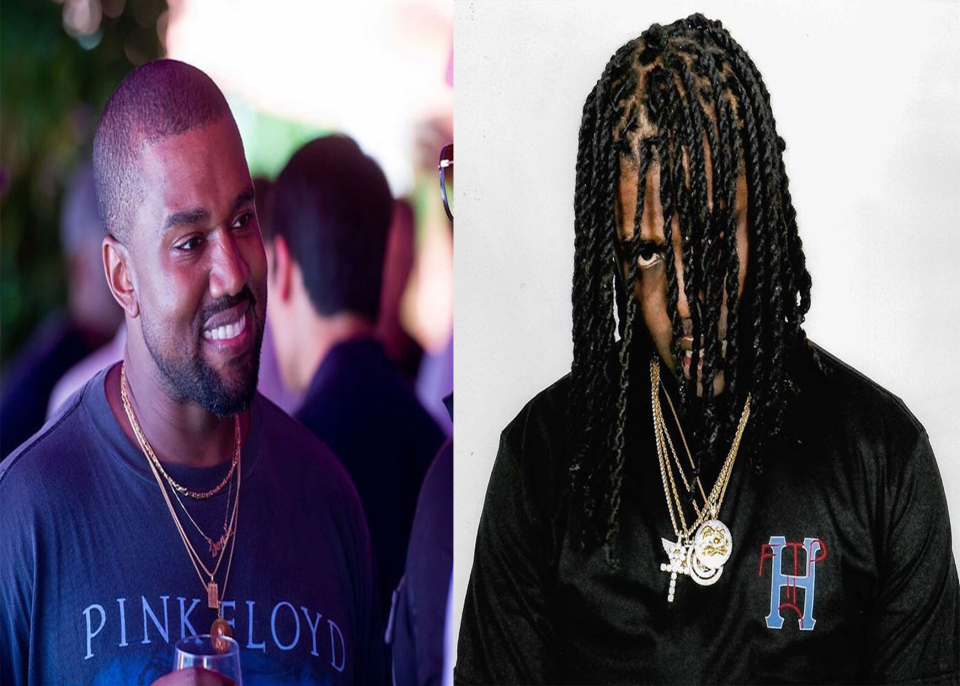
The Pioneers and Early Architects of Chicago Hip-Hop
Before the national spotlight intensely focused on Chicago’s rap scene, a foundational generation of artists laid the groundwork, establishing a distinct Chicago sound and ethos. These pioneers, often overlooked in broader hip-hop historical narratives, were instrumental in bringing the city’s unique perspective to the forefront. Their music reflected the realities of urban life, offering raw narratives and innovative production that would influence subsequent generations.
Early Voices and Regional Sounds
The early days of Chicago hip-hop were characterized by a DIY spirit and a strong connection to local community. Artists like Common, while later achieving widespread acclaim, began his journey in the early 1990s, offering introspective lyrics and a socially conscious message that set him apart. His early work, deeply rooted in the city’s neighborhoods, provided a voice for many. Alongside him, figures like Psycho Realm (though more associated with the West Coast, they had early ties and influences felt in various urban centers) and local radio personalities played a crucial role in disseminating hip-hop culture throughout the city. These artists weren’t just performers; they were storytellers, chronicling the triumphs and struggles of their communities, often using the city’s distinct dialect and cultural references to create an authentic and relatable sound. This era was about building a foundation, brick by brick, within the city’s burgeoning music scene.
The Influence of Production and Beats
A significant aspect of Chicago hip-hop’s early identity was its innovative production. Producers in Chicago often experimented with diverse sonic palettes, drawing from jazz, soul, and funk influences to create beats that were both hard-hitting and musically rich. This focus on sonic craftsmanship contributed to the distinctiveness of the city’s rap output, offering a sound that was both street-level and sophisticated. The emphasis on the beat as a crucial element in storytelling solidified Chicago’s reputation as a hub for creative musical production.
The Rise of Chicago’s Modern Hip-Hop Icons
The late 2000s and 2010s marked a seismic shift in Chicago’s hip-hop landscape, with a new wave of artists achieving global superstardom. This era saw the emergence of distinctly Chicagoan sounds and styles that captivated audiences worldwide and significantly impacted the global rap scene.
The Drill Music Phenomenon
Perhaps the most globally recognized Chicago hip-hop movement of recent times is drill music. Emerging from the city’s South Side, drill is characterized by its dark, often violent lyrical content, stark production, and raw, unfiltered portrayal of street life. Artists like Chief Keef became the undeniable face of this movement, with his breakout hit “I Don’t Like” serving as an anthem for a generation. His raw, unpolished delivery and the stark, menacing beats created by producers like Young Chop defined the drill sound and its aesthetic.
Drill’s impact transcended its initial regional boundaries, influencing rap scenes across the globe, from the UK to Australia. While often controversial due to its lyrical themes, drill provided a powerful and immediate voice for young people navigating challenging urban environments, reflecting their realities with unflinching honesty. Other prominent artists associated with the drill movement include Lil Durk, who has since evolved his sound while retaining his street credibility, and G Herbo, known for his intricate lyricism and vivid storytelling. The proliferation of drill artists from Chicago cemented the city’s status as a critical incubator for innovative, albeit often provocative, hip-hop sounds.
Beyond Drill: Diverse Voices and Styles
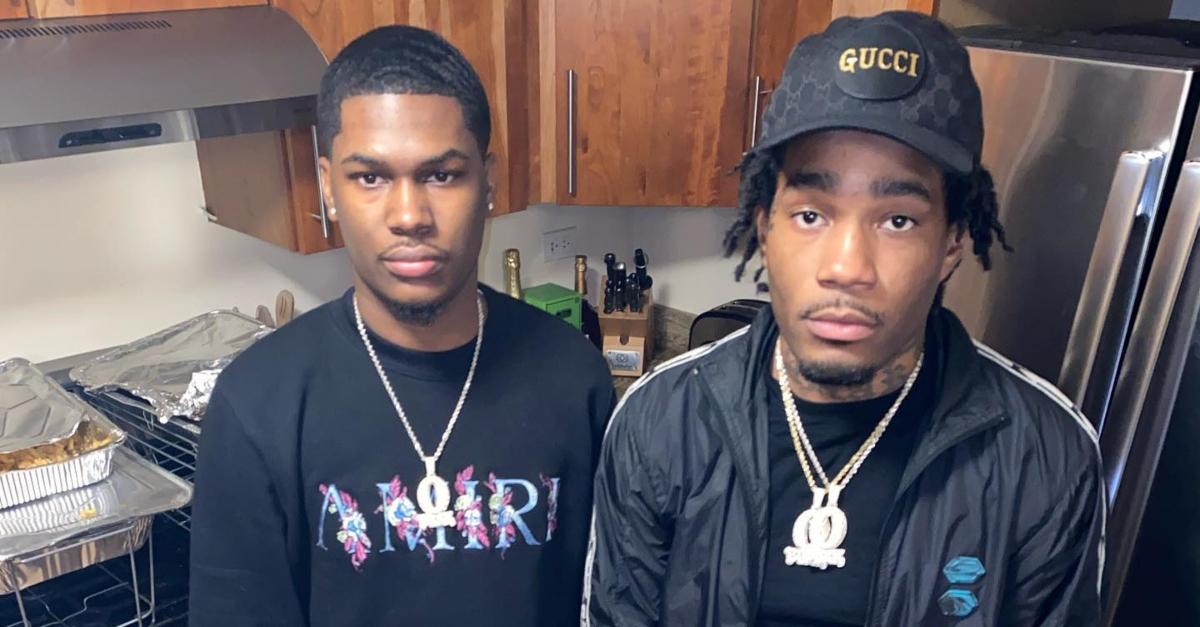
While drill garnered significant attention, Chicago’s modern hip-hop scene is far more diverse than this single subgenre. Artists like Chance the Rapper emerged as a refreshing counterpoint, blending gospel, soul, and jazz influences into his uplifting and optimistic music. His independent rise, fueled by mixtapes like Acid Rap and Coloring Book, showcased a different facet of Chicago’s creative output, earning him critical acclaim and multiple Grammy Awards. Chance’s success demonstrated that Chicago hip-hop could be both commercially viable and artistically diverse, appealing to a broad audience with his unique blend of spirituality, humor, and social commentary.
Other artists like Noname have gained recognition for their poetic lyricism, intricate wordplay, and conscious themes, offering a more introspective and sophisticated approach to hip-hop. Her work often delves into issues of race, identity, and societal injustice, providing a nuanced perspective that resonates deeply with listeners. The presence of such varied artists highlights the multifaceted nature of Chicago’s hip-hop culture, proving that the city is a breeding ground for a wide spectrum of talent, from the aggressively raw to the intellectually profound.
Chicago’s Hip-Hop Influence on the Global Stage
The artists emerging from Chicago have not only achieved individual success but have also exerted a significant influence on the broader hip-hop landscape. Their innovative sounds, lyrical approaches, and entrepreneurial spirit have left an indelible mark on the genre, inspiring artists and shaping trends worldwide.
The “Chicago Sound” and Its Evolution
The distinctiveness of the “Chicago sound” has evolved over time, yet certain elements often remain consistent. This includes a certain grit and authenticity, a willingness to tackle complex social issues, and a unique rhythmic and melodic sensibility. From the soulful introspection of Common to the raw energy of Chief Keef and the gospel-infused optimism of Chance the Rapper, Chicago artists have consistently pushed boundaries and redefined what it means to be a rapper from the city. This ongoing evolution ensures that Chicago remains a dynamic force in the ever-changing world of hip-hop.
Entrepreneurship and Independent Spirit
Many Chicago rappers have also championed an independent spirit, leveraging digital platforms and their own creativity to build successful careers outside of traditional record label structures. This entrepreneurial approach has empowered a new generation of artists and demonstrated alternative pathways to success in the music industry. The city’s rich history of independent music movements, from its blues clubs to its jazz ensembles, has undoubtedly fostered this innovative and self-sufficient mindset within its hip-hop community. This independent ethos continues to inspire aspiring musicians globally, showcasing the power of artistic vision and resilience.
Exploring Chicago Through Its Hip-Hop Culture
For music enthusiasts and travelers alike, exploring Chicago through its hip-hop culture offers a unique and immersive experience. Beyond the iconic attractions, understanding the city’s musical roots provides deeper insight into its social fabric, its history, and the voices that have shaped its identity.
Neighborhoods and Their Musical Roots
Different neighborhoods in Chicago have contributed to the city’s diverse hip-hop narrative. The South Side, in particular, has been a fertile ground for drill music, with areas like Englewood and Parkway Gardens frequently referenced in lyrics. Exploring these neighborhoods, while with respect and awareness of their complexities, can offer a tangible connection to the environments that inspired many of these artists. The North Side, with its more diverse population and cultural institutions, has also produced artists who bring a different perspective. Understanding these geographical nuances enriches the appreciation of Chicago’s hip-hop tapestry.

Hip-Hop Inspired Tours and Experiences
While not as formally established as tours for other musical genres, opportunities exist to experience Chicago’s hip-hop heritage. Following the footsteps of artists like Kanye West (who, though often associated with Atlanta and the Midwest broadly, has strong ties and foundational roots in Chicago) or exploring venues where early hip-hop shows took place can be a rewarding endeavor for dedicated fans. Visiting record stores that championed local artists or attending live music venues that still showcase emerging hip-hop talent can offer a glimpse into the ongoing vibrancy of the city’s scene. Engaging with the local music press and online communities can also provide valuable insights into current artists and events, allowing for a more authentic and personal exploration of Chicago’s rich hip-hop legacy.
LifeOutOfTheBox is a participant in the Amazon Services LLC Associates Program, an affiliate advertising program designed to provide a means for sites to earn advertising fees by advertising and linking to Amazon.com. Amazon, the Amazon logo, AmazonSupply, and the AmazonSupply logo are trademarks of Amazon.com, Inc. or its affiliates. As an Amazon Associate we earn affiliate commissions from qualifying purchases.