
Alaska, often referred to as “The Last Frontier,” occupies a truly unique and compelling position on the global map. Far from being nestled in the contiguous United States, this vast and magnificent state stands alone as the largest by area in the nation, situated at the extreme northwestern edge of the North America continent. Geographically, Alaska is not considered part of the Pacific Northwest, a region typically defined by states like Washington and Oregon. Instead, its distinct location places it within its own unique geographical and cultural sphere, characterized by its extensive Arctic and Subarctic climates and unparalleled wilderness. This isolated yet pivotal location is what grants Alaska its unparalleled allure, making it a dream destination for travelers seeking raw nature, profound cultural experiences, and adventures that stretch the imagination.

Alaska’s Unique Geographical Placement
Alaska’s geography is nothing short of extraordinary, defining much of its character, climate, and the very experiences it offers to intrepid visitors. Its sheer scale is difficult to comprehend; Alaska is more than twice the size of Texas and could comfortably contain many European countries within its borders. This immense landmass touches three distinct ocean bodies, each contributing to its diverse ecosystems and climates: the Arctic Ocean to the north, the Pacific Ocean to the south and west, and the Bering Sea to the west, which connects to the Gulf of Alaska to its southeast.
The Last Frontier: A Land of Extremes and Strategic Importance
Borders are significant in understanding Alaska’s regional identity. To its east, Alaska shares a long and complex border with Canada, primarily with the Yukon Territory and British Columbia, allowing for overland travel and a shared wilderness experience. More intriguingly, to its west, across the narrow Bering Strait, Alaska is separated from Russia by only a few miles, a geographical proximity that has played a role in historical events and continues to fascinate. This unique positioning makes Alaska a crossroads of cultures, climates, and continents.
The climate across Alaska is as varied as its landscapes. While its northern reaches lie within the [Arctic] Circle, experiencing extreme cold and the midnight sun, the southern coastal regions benefit from a more temperate maritime climate, fostering lush rainforests and abundant marine life. This vast expanse encompasses everything from soaring mountain ranges, including Denali, [North America]’s highest peak, to sprawling tundras, active volcanoes, and thousands of miles of rugged coastline dotted with islands. Understanding this geographical diversity is key to appreciating the different facets of Alaska travel and tourism. It’s a land of extremes, offering everything from glaciers and fjords to vast forests and treeless plains, each region presenting its own set of attractions and experiences for those who venture to explore it.
Exploring Alaska’s Diverse Regions
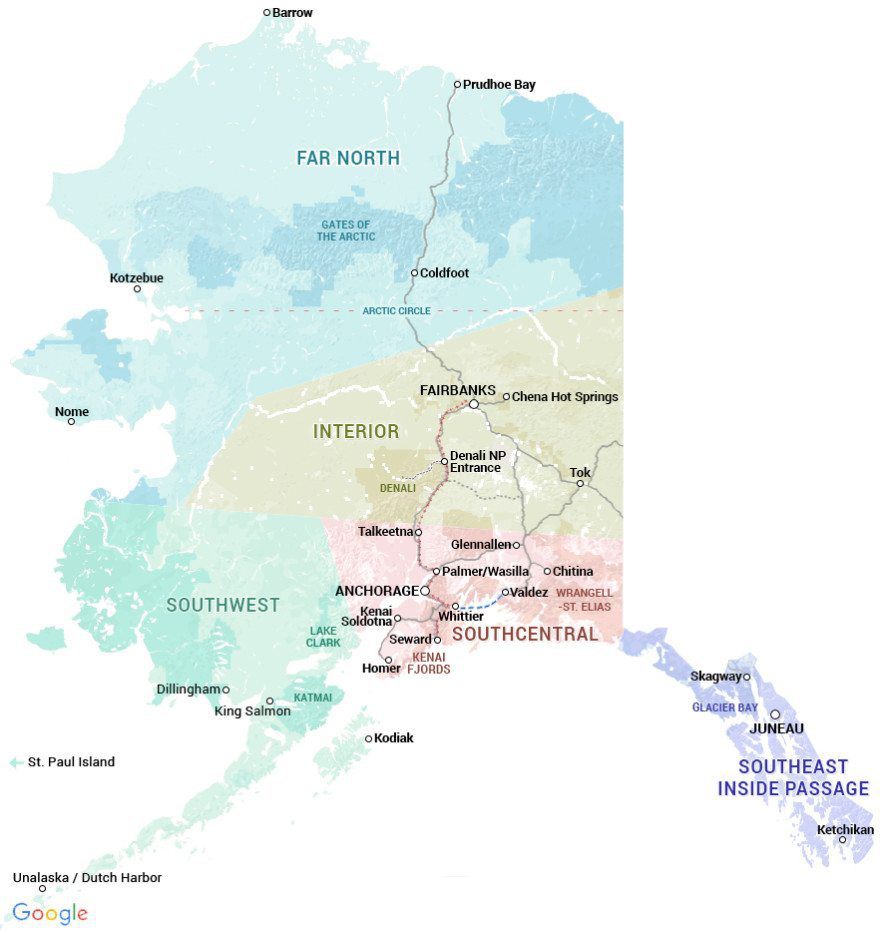
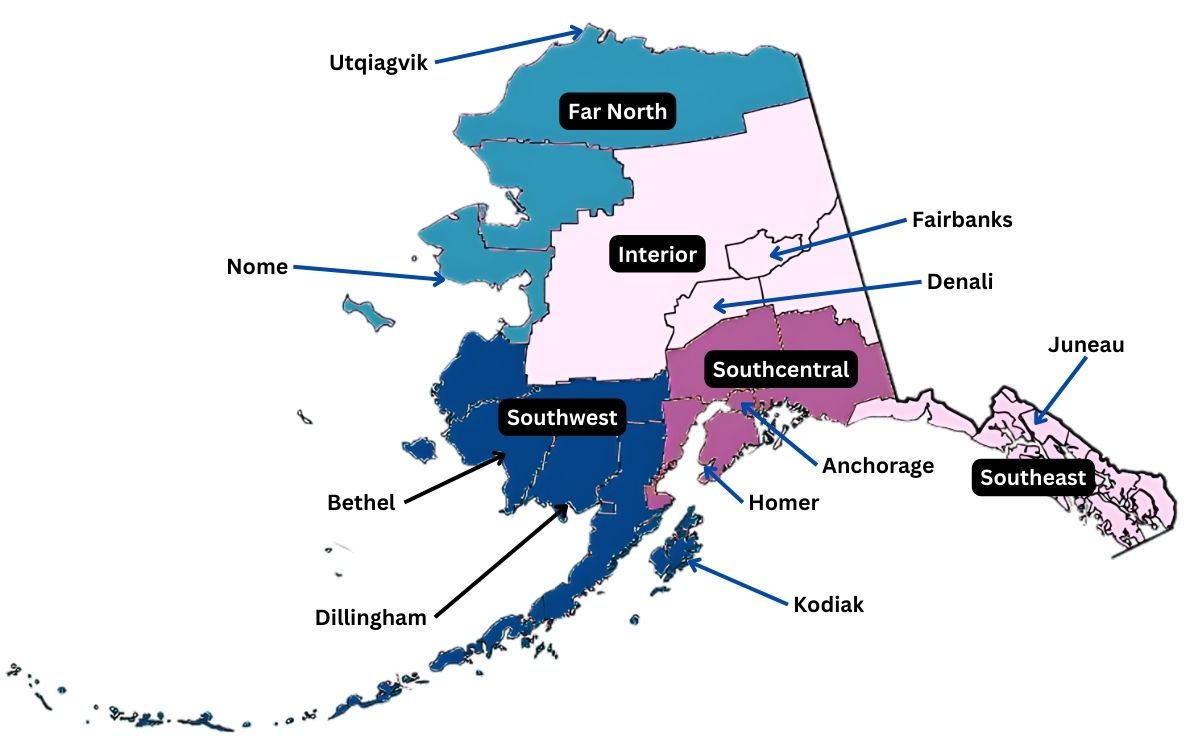
Alaska’s immense size means it is best understood and explored through its distinct regional divisions, each offering unique landscapes, wildlife, cultural experiences, and travel opportunities. From the misty fjords of the southeast to the icy plains of the north, Alaska caters to every type of adventurer.
The Enchanting Inside Passage (Southeast Alaska)
The Inside Passage, also known as Southeast Alaska, is arguably the most popular entry point for visitors, primarily through cruises. This region is a breathtaking labyrinth of islands, fjords, and ancient temperate rainforests, home to abundant wildlife including whales, bears, and eagles. The climate here is notably milder and wetter than in other parts of Alaska, contributing to the verdant landscapes and active glaciers that define its beauty.
- Destinations: Juneau, the state capital, is uniquely accessible only by air or sea. It offers stunning views, glacier treks, and rich cultural history. Sitka, with its Russian heritage and Tlingit culture, provides a fascinating blend of history and nature. Ketchikan, known as the “Salmon Capital of the World,” is famous for its vibrant Native Alaskan totem poles and lush rainforests.
- Attractions: A highlight is Glacier Bay National Park and Preserve, a UNESCO World Heritage Site, where massive tidewater glaciers calve into the sea, offering a spectacular natural show. Other activities include kayaking, fishing, wildlife viewing excursions, and exploring charming coastal towns.
- Accommodation: Cruise ships serve as floating hotels, providing luxurious suites and amenities. In towns, you’ll find charming boutique hotels and guesthouses, offering a blend of comfort and local character.
Southcentral: The Heart of Alaskan Adventure
Southcentral Alaska serves as a bustling hub, combining urban convenience with immediate access to stunning wilderness. This region is home to the majority of Alaska’s population and offers a wide array of activities, from deep-sea fishing to glacier viewing.
- Destinations: Anchorage, Alaska’s largest city, acts as a primary gateway to the state, boasting modern hotels, diverse dining, and cultural attractions, while still being minutes away from wilderness trails. The Kenai Peninsula is a playground for outdoor enthusiasts, offering world-class fishing, hiking, and wildlife encounters.
- Attractions: Cities like Seward and Homer are popular bases for exploring. [Seward] is the gateway to Kenai Fjords National Park, where boat tours navigate ice-carved fjords teeming with marine wildlife and tidewater glaciers. [Homer], perched on Kachemak Bay, is famous for its halibut fishing and vibrant arts scene. The region also offers relatively easy access to the majestic Denali National Park and Preserve, home to [Denali], the highest peak in [North America].
- Accommodation: From luxury resorts in [Anchorage] to cozy wilderness lodges and charming B&Bs on the [Kenai Peninsula], Southcentral offers diverse accommodation options. Many travelers also opt for RVs or camping to fully immerse themselves in the natural beauty.
Interior Alaska: Wilderness and Northern Lights
Interior Alaska is the vast, rugged heartland of the state, characterized by extreme seasonal temperatures, immense forests, and iconic natural phenomena. It’s a land of long summer days and equally long, dark winters, making it a prime location for witnessing the aurora borealis.
- Destinations: Fairbanks is the largest city in the Interior and the best place to experience the Northern Lights. It also serves as a jumping-off point for Arctic adventures and cultural explorations. The legendary Yukon River, one of [North America]’s longest, flows through this region, echoing tales of the Gold Rush.
- Attractions: Beyond the Northern Lights, the Interior offers opportunities for dog sledding, gold panning, visiting hot springs, and exploring the vast wilderness around [Denali National Park and Preserve]. During summer, the endless daylight allows for extended hiking and outdoor activities.
- Accommodation: [Fairbanks] provides a range of hotels and lodges. For more immersive experiences, remote cabins and wilderness lodges offer a rustic yet comfortable stay, perfect for enjoying the solitude and natural beauty.
Southwest Alaska: Untamed Wilderness and Abundant Wildlife
Southwest Alaska is a realm of untamed wilderness, renowned for its incredible brown bear populations, rich fishing grounds, and volcanic landscapes. This remote region offers some of the most authentic and untouched Alaskan experiences.
- Destinations: Kodiak Island, the “Emerald Isle,” is famous for the enormous [Kodiak Island] brown bear and its vibrant fishing industry. The Aleutian Islands, a volcanic archipelago stretching thousands of miles into the [Pacific Ocean], offer dramatic landscapes and unique birdwatching opportunities.
- Attractions: Katmai National Park and Preserve is world-famous for its brown bears, especially at Brooks Falls, where they gather to fish for salmon. Bristol Bay is globally recognized for its sockeye salmon run, attracting sport fishermen from around the world. Activities here focus heavily on wildlife photography, fishing, and backcountry exploration.
- Accommodation: Lodges in Southwest Alaska are typically remote and specialized, catering to anglers and wildlife enthusiasts. These often include all-inclusive packages that cover transport, guides, and meals, making them ideal for a focused adventure.
Arctic Alaska: The Land of the Midnight Sun
Arctic Alaska is the most remote and least visited region, a vast expanse of tundra and ice that stretches to the [Arctic Ocean]. It’s a land of extremes, where the sun never sets in summer and rarely rises in winter, offering a profound sense of isolation and unparalleled cultural insights into indigenous life.
- Destinations: Barrow (Utqiaġvik), the northernmost city in the [United States], provides a glimpse into Inupiat culture and life above the [Arctic] Circle. Prudhoe Bay is an industrial hub, significant for its oil fields.
- Attractions: The Arctic National Wildlife Refuge is a pristine wilderness, home to caribou, polar bears, and a diverse array of migratory birds, offering unmatched opportunities for wilderness expeditions and wildlife viewing. Experiencing the midnight sun during summer or the dramatic darkness of winter, often illuminated by the aurora, are unique highlights.
- Accommodation: Options are limited and basic in the [Arctic], primarily consisting of hotels and guesthouses in the larger communities. Travelers to this region are often seeking an authentic, rugged experience, prioritizing adventure over luxury.
Planning Your Alaskan Journey: Tips for an Unforgettable Trip
Visiting Alaska is more than just a vacation; it’s an expedition into one of the world’s last great wild places. Careful planning is essential to ensure your trip is everything you dream of, whether you’re seeking adventure, relaxation, or cultural immersion.
Choosing Your Adventure: Cruises vs. Land Tours
The choice between a cruise and a land tour largely depends on your desired experience and lifestyle.
- Cruises: Primarily focus on the [Inside Passage] and [Southcentral Alaska], offering a luxurious way to see stunning coastal scenery, glaciers, and marine wildlife. They often include excursions to towns like [Juneau], [Sitka], and [Ketchikan], providing a convenient and comfortable experience, ideal for families, couples, and those seeking a blend of relaxation and sightseeing. Many cruises also offer pre- or post-cruise land packages to places like [Denali National Park and Preserve], bridging the gap between sea and land adventures.
- Land Tours: Provide a deeper dive into specific regions, allowing for more intimate interactions with the local culture and wilderness. Options range from guided expeditions focusing on hiking, fishing, and wildlife photography to independent road trips. For budget travelers, independent travel with camping or RVs offers flexibility, while luxury travel options include all-inclusive wilderness lodges and private air tours.
Where to Stay: Accommodation Options
Alaska offers a wide range of accommodation to suit every preference and budget.
- Hotels and Resorts: Major cities like [Anchorage] and [Fairbanks], and popular tourist towns, boast modern hotels, from well-known chains to boutique establishments. Resorts in scenic locations often combine lodging with activities like fishing or wildlife viewing.
- Wilderness Lodges: For those seeking immersion in nature, wilderness lodges provide unparalleled access to remote areas. These often include meals and guided activities, offering a holistic experience.
- Cabins and Vacation Rentals: Available in many areas, these offer a more private, self-catering option, perfect for families or longer stays.
- Camping and RV Parks: Abundant throughout the state, these cater to adventurous travelers who wish to connect directly with Alaska’s natural environment. Booking in advance, especially during peak season, is highly recommended for all types of accommodation.
Best Time to Visit and What to Pack
- Peak Season (June-August): This is the warmest period, with long daylight hours, making it ideal for cruises, hiking, fishing, and wildlife viewing. However, it’s also the busiest and most expensive.
- Shoulder Seasons (May & September): Offer fewer crowds, lower prices, and often good weather. May brings spring blooms and newborn wildlife, while September showcases stunning fall colors and excellent opportunities for Northern Lights viewing in the Interior.
- Winter (October-April): Primarily for snow sports, dog sledding, ice fishing, and the best chance to see the aurora borealis, especially in [Fairbanks].
- Packing: Regardless of the season, layering is crucial due to variable weather. Include waterproof outerwear, sturdy hiking boots, insect repellent, sun protection, and a good camera for capturing the breathtaking scenery and wildlife. For winter, specialized cold-weather gear is a must.
Experiencing Alaskan Culture and Cuisine
Alaska’s rich cultural tapestry is woven from the traditions of its diverse indigenous peoples—Inupiat, Yup’ik, Aleut, Athabascan, Tlingit, Haida, and Tsimshian—alongside the influences of Russian settlers and American pioneers. Visitors can explore Native Alaskan heritage through cultural centers, art galleries, and traditional performances in towns across the state.
The cuisine of Alaska is heavily influenced by its abundant natural resources. Seafood is a highlight, with fresh salmon, halibut, cod, crab, and shrimp available in virtually every restaurant. Local specialties also include reindeer sausage, wild berries, and sourdough, a nod to the state’s Gold Rush history. Dining out in Alaska is an experience in itself, reflecting the rugged charm and bounty of the land.
In conclusion, Alaska’s placement at the northwestern edge of [North America] makes it a truly distinctive region—a land of unparalleled natural beauty, diverse ecosystems, and profound cultural depth. From the temperate rainforests of the [Inside Passage] to the frozen tundras of the [Arctic], each part of the state offers a unique adventure. Planning a trip to this magnificent “Last Frontier” promises unforgettable experiences, whether you’re cruising through fjords, hiking to glaciers, marveling at the Northern Lights, or immersing yourself in its vibrant local cultures.
LifeOutOfTheBox is a participant in the Amazon Services LLC Associates Program, an affiliate advertising program designed to provide a means for sites to earn advertising fees by advertising and linking to Amazon.com. Amazon, the Amazon logo, AmazonSupply, and the AmazonSupply logo are trademarks of Amazon.com, Inc. or its affiliates. As an Amazon Associate we earn affiliate commissions from qualifying purchases.