
For travelers planning a visit to the dynamic metropolis of Chicago, understanding its geographical and cultural context is far more than a mere point of trivia; it’s an essential foundation for appreciating the city’s unique character, climate, and the broader experiences it offers. Chicago is a city that confidently straddles multiple definitions of “region,” from the precisely geographical to the broadly cultural and economic. Officially and most commonly, Chicago is situated firmly within the Midwest region of the United States. More specifically, it is the largest city in the state of Illinois and serves as the economic and cultural linchpin of the Great Lakes Region. This multi-faceted regional identity is what shapes much of the city’s appeal, influencing everything from its architectural heritage and culinary scene to its resilient spirit and the vast network of surrounding natural beauty.

Understanding Chicago’s regional placement helps travelers unlock a deeper connection with their destination. It informs expectations about weather patterns, provides context for local customs and colloquialisms, and even suggests logical extensions for trips, inviting exploration beyond the city limits into the broader Midwest and Great Lakes areas. As a major travel hub, Chicago’s regional identity is crucial for inbound and outbound travelers alike, painting a comprehensive picture of one of North America’s most iconic cities.
Defining Chicago’s Geographical Home
The primary answer to “What region is Chicago in?” points to the heart of the United States: the Midwest. This designation is not merely a label but a descriptor of a significant cultural and geographic identity that profoundly impacts a traveler’s experience.
The Midwest Core
The Midwest is one of the four census regions of the United States defined by the United States Census Bureau. It encompasses twelve states: Illinois, Indiana, Iowa, Kansas, Michigan, Minnesota, Missouri, Nebraska, North Dakota, Ohio, South Dakota, and Wisconsin. Chicago, as the largest city in Illinois and indeed the entire Midwest by population, serves as a crucial economic, cultural, and transportation hub for this expansive region. Travelers visiting Chicago will encounter characteristics often associated with the Midwest: a reputation for friendly and straightforward residents, a strong work ethic, a diverse culinary landscape influenced by immigrant communities, and a climate that experiences all four distinct seasons with significant variation. The city’s grid layout, its emphasis on public parks, and its accessible public transportation system are all features that make it a quintessential Midwestern urban experience. For those flying into Chicago, the city’s major airports, O’Hare International Airport and Midway International Airport, are not only gateways to the city but also primary connection points for the entire Midwestern region.
Illinois and the Great Lakes
Within the broader Midwest, Chicago’s most immediate geographical context is the state of Illinois and its unique position on the shores of Lake Michigan, one of the five Great Lakes. Illinois itself is often referred to as the “Land of Lincoln,” with a rich history rooted in agriculture and industrial growth. Chicago dominates the northeastern corner of the state, serving as its economic engine and cultural beacon. The city’s direct connection to Lake Michigan is a defining feature, influencing its climate, providing a stunning waterfront skyline, and offering myriad recreational opportunities. Travelers are drawn to the city’s extensive lakefront parks, beaches, and the scenic Navy Pier, all benefiting from this incredible natural resource. The Great Lakes region, which includes parts of Illinois, Indiana, Michigan, Ohio, Pennsylvania, New York, and the Canadian border provinces of Ontario and Quebec, is characterized by its vast freshwater resources, historical industrial power, and a shared environmental consciousness.
Chicago Within the Broader United States
Beyond its immediate geographical confines, Chicago’s regional significance extends to its role as a critical node within the larger fabric of the United States. It is not just a city in a region; it is a region unto itself in terms of influence and connectivity.
A Major Urban Hub
As the third-largest city in the United States, Chicago functions as a major urban hub, attracting millions of travelers annually for business, leisure, and events. Its central location makes it an ideal meeting point and a crucial logistics center. For travelers, this means excellent connectivity via air, rail, and road networks, making it easily accessible from virtually any part of the country. The city’s massive public transportation system also means that once you arrive, navigating Chicago’s diverse neighborhoods and attractions is remarkably straightforward. From towering skyscrapers like the Willis Tower to world-class museums such as the Art Institute of Chicago, Chicago’s status as a major hub ensures a comprehensive and engaging travel experience with amenities and attractions that rival any global city.
Economic and Cultural Significance
Chicago’s regional standing is heavily bolstered by its economic and cultural clout. Historically, it rose as a transportation hub, connecting the agricultural bounty of the Midwest to the markets of the East and beyond, famously becoming the “hog butcher for the world.” Today, its economic landscape is vastly diversified, with strong sectors in finance, technology, healthcare, and manufacturing. This economic dynamism fuels a vibrant cultural scene, attracting talent and innovation. Travelers benefit from a city rich in arts, music (especially jazz and blues), theater, and culinary innovation. Millennium Park, home to the iconic Cloud Gate sculpture, and numerous festivals throughout the year, exemplify Chicago’s commitment to public art and cultural engagement. Its regional significance isn’t just about location; it’s about the powerful influence it exerts across various spheres.
The Great Lakes Region: A Unique Identity
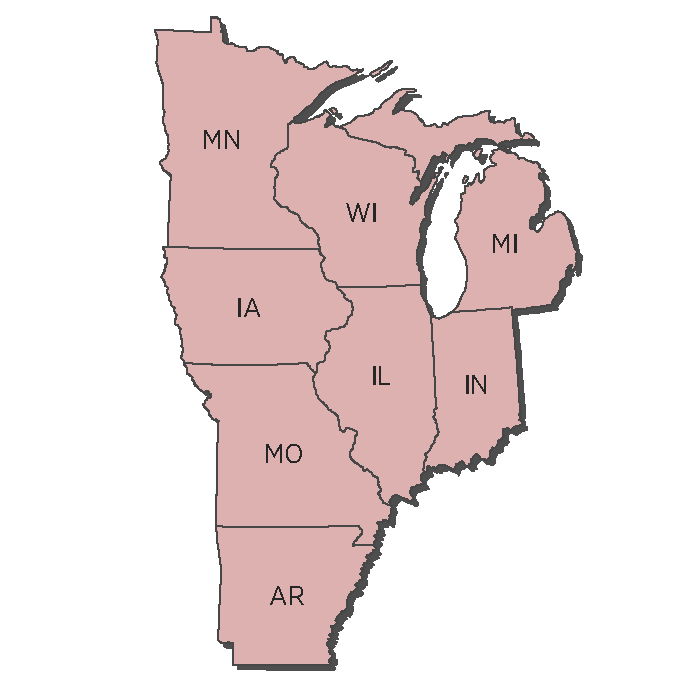
While firmly Midwestern, Chicago’s immediate proximity to Lake Michigan anchors it within the distinct cultural and environmental landscape of the Great Lakes Region. This unique identity is palpable and offers a different layer of understanding for visitors.
Proximity to Lake Michigan
The sheer scale and presence of Lake Michigan fundamentally shape Chicago’s identity. It acts as the city’s eastern boundary, providing an expansive waterfront that feels more like an ocean than a freshwater lake. For travelers, this means stunning lakeside views, opportunities for boating and water sports, and miles of public beaches and parks along the shore, including popular spots like North Avenue Beach and Lincoln Park. The lake also significantly influences Chicago’s weather, moderating temperatures in summer and often contributing to significant snowfall in winter, a crucial consideration for seasonal travelers. The city’s orientation towards the lake is evident in its architectural marvels and urban planning, designed to maximize views and access to this natural wonder.
Waterways and Industrial Heritage
Historically, the Great Lakes Region, including Chicago, was a powerhouse of industry, facilitated by its abundant waterways. The connection to the Mississippi River basin via the Chicago River and canal systems further cemented its role as a trade and manufacturing hub. This heritage is still visible and offers fascinating insights for travelers interested in history and urban development. Guided architectural boat tours on the Chicago River provide a prime example, showcasing how the city’s iconic skyline evolved from its industrial roots to its present-day grandeur. The Great Lakes identity often evokes images of maritime history, manufacturing prowess, and a resilience born from adapting to changing economic landscapes, all of which contribute to Chicago’s layered narrative.
Cultural and Climatic Characteristics of the Region
Chicago’s regional placement also dictates much about the cultural atmosphere and environmental conditions a traveler will encounter. These characteristics are integral to the travel experience, defining the rhythm and feel of the city.
Midwestern Hospitality
One of the most enduring characteristics associated with the Midwest is its reputation for genuine hospitality and friendliness. While Chicago is a bustling global city, it largely retains this approachable, down-to-earth demeanor. Travelers often note a refreshing lack of pretension and a willingness among locals to engage and assist. This “Midwestern nice” culture can make navigating the city more pleasant and interactions more enriching, fostering a sense of welcome even amidst its urban intensity. For first-time visitors, this cultural trait can significantly enhance the overall enjoyment of their trip.
Four Distinct Seasons
Being situated in the heart of the Midwest and on the edge of the Great Lakes means Chicago experiences a truly continental climate with four very distinct seasons. Summers are typically warm and humid, ideal for lakefront activities, outdoor festivals, and enjoying the city’s many parks. Autumn brings crisp air, vibrant fall foliage, and comfortable temperatures perfect for exploring neighborhoods and street festivals. Winters are famously cold, often with significant snowfall, transforming the city into a picturesque, if chilly, wonderland, and offering opportunities for ice skating in Millennium Park or visiting heated indoor attractions. Spring is a season of rejuvenation, with blooming flowers and gradually warming weather. Travelers must consider the time of year for their visit, as each season offers a remarkably different Chicago experience, requiring appropriate packing and activity planning.
Why Regional Context Matters for Travelers
For any traveler, understanding the regional context of a destination like Chicago is not just academic; it’s profoundly practical and enriching, allowing for a more informed and enjoyable journey.
Planning Your Visit
Knowing that Chicago is in the Midwest and on the Great Lakes immediately informs critical aspects of trip planning. It guides expectations about weather, helping travelers pack appropriately for humid summers or snowy winters. It also provides insights into local cuisine, suggesting that deep-dish pizza, Chicago-style hot dogs, and hearty Midwestern fare will be readily available. Furthermore, understanding its role as a major hub within the region helps in identifying convenient transportation options and potential travel costs. For those interested in regional history or culture, this context helps tailor itineraries to include relevant museums, historical sites, or even day trips to nearby Midwestern towns or natural attractions.

Exploring Beyond the City
Chicago’s regional placement also opens up possibilities for extended travel. Its central location makes it an excellent base for exploring other parts of the Midwest and the Great Lakes region. Travelers could venture north to Wisconsin for charming small towns and scenic drives, or explore the natural beauty of Indiana Dunes National Park just a short drive away in Indiana. The proximity to other Great Lakes cities like Milwaukee or even a longer trip to Detroit or Cleveland becomes a viable option. This regional understanding transforms a trip to Chicago from a single-city visit into a potential gateway for a broader exploration of the heartland of America, allowing travelers to discover the diverse landscapes and cultures that define this vast and significant part of the United States. In essence, knowing what region Chicago is in deepens the travel experience, turning geographical fact into an interpretive lens for a richer, more informed adventure.
LifeOutOfTheBox is a participant in the Amazon Services LLC Associates Program, an affiliate advertising program designed to provide a means for sites to earn advertising fees by advertising and linking to Amazon.com. Amazon, the Amazon logo, AmazonSupply, and the AmazonSupply logo are trademarks of Amazon.com, Inc. or its affiliates. As an Amazon Associate we earn affiliate commissions from qualifying purchases.