
When travelers first begin planning a trip to the United States, they often grapple with the sheer scale of the country. Among the most frequent questions asked is: “What region is Los Angeles in?” Understanding the geographical context of this sprawling metropolis is essential for anyone looking to navigate the diverse landscapes, climates, and cultural touchstones of the West Coast.
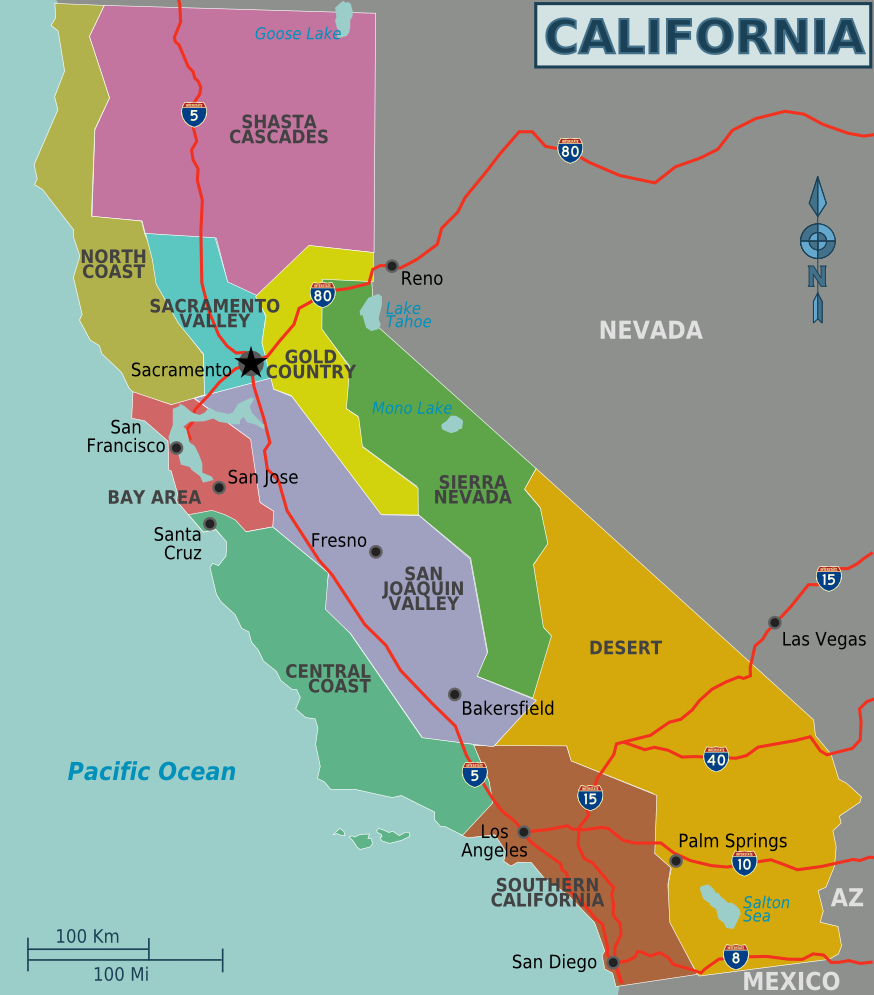
Los Angeles is the crown jewel of Southern California, a distinct sub-region within the broader American West. While California itself is a massive state that stretches along the Pacific Ocean for hundreds of miles, the southern portion is defined by its semi-arid climate, proximity to the Mexican Border, and a unique lifestyle that blends urban intensity with beachside relaxation.
Defining Southern California and the Greater Los Angeles Area
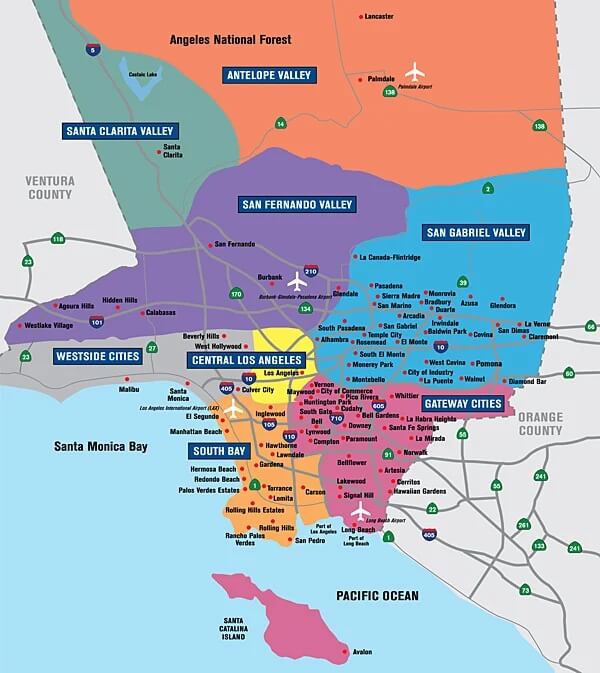
To pinpoint exactly where Los Angeles sits, one must look at the administrative and cultural boundaries of the region. The city is the heart of Los Angeles County, which is part of a larger metropolitan area known as the Greater Los Angeles Area.
A Hub of Coastal and Inland Beauty
The region is defined by its geography. To the west, the city is bordered by the vast expanse of the Pacific, home to iconic shorelines like Santa Monica and Venice Beach. To the north and east, the terrain shifts dramatically as it runs into the San Gabriel Mountains. This combination of mountain ranges, flat basins, and coastal plains is what gives the region its complex microclimates. Visitors can experience the foggy, cool air of the morning near the coast and travel inland to find scorching heat within the same hour of driving.
The Dynamics of Urban Sprawl
Unlike many European cities that grew around a singular historical center, Los Angeles is a collection of diverse neighborhoods and cities fused into one massive urban tapestry. This includes neighboring municipalities like Long Beach, Pasadena, and Beverly Hills. Because of this, “region” in the context of Los Angeles often refers to how locals divide the city into quadrants: the Westside, the San Fernando Valley, the South Bay, and Downtown Los Angeles.
Cultural Identity Within the West Coast Context
Being situated in Southern California places Los Angeles in a region that prides itself on being the epicenter of the global entertainment industry, tech innovation, and a laid-back lifestyle that influences the rest of the country.
Influence of the Pacific Rim
The region’s identity is inextricably linked to the Pacific Rim. Los Angeles serves as a major gateway for trade, immigration, and culture moving between Asia and the Americas. This is reflected in the region’s demographics and its unparalleled food scene. Whether you are exploring the Koreatown district or grabbing dim sum in the San Gabriel Valley, you are witnessing how the region’s geographic location defines its cultural output.
Climate as a Regional Defining Factor
When people ask about the region, they are often really asking about the weather. Southern California is part of a Mediterranean climate zone, characterized by mild, wet winters and warm, dry summers. This climatic consistency is what drew the early film pioneers to Hollywood in the early 20th century. The ability to shoot films year-round without the interference of snow or heavy rain solidified the region’s status as a global powerhouse.
Navigating the Surrounding Regions
While Los Angeles is the primary focus of Southern California, it acts as a central hub for exploring other neighboring regions that define the Southwest.
Proximity to Desert Landscapes
The region surrounding Los Angeles is diverse. A short drive east of the city leads to the Mojave Desert, an environment that contrasts sharply with the lush coastal greenery of the Pacific Coast Highway. Popular weekend getaways for locals include the desert oasis of Palm Springs or the rugged terrain of Joshua Tree National Park. These areas are often grouped with Los Angeles under the broader tourism umbrella of Southern California, but they offer entirely different regional experiences.
The Connection to Northern California
It is a common misconception that California acts as a singular unit. However, residents often distinguish between Northern California—centered around San Francisco and the Silicon Valley—and Southern California. While both are part of the West Coast, they represent distinct regional identities. Los Angeles is firmly rooted in the south, sharing more cultural DNA with places like San Diego than with the misty forests of Northern California.
Why Regional Knowledge Matters for Travelers
Knowing that Los Angeles sits within the coastal plains of Southern California is more than just a trivia point; it is a vital tool for planning a successful itinerary. The region’s geography dictates the pace of life and the way you travel.
Infrastructure and Geography
Because the region is built across canyons, mountains, and sprawling plains, the transportation infrastructure is a defining feature of the Los Angeles experience. Travelers often find that the “region” feels much larger than it appears on a map because traffic patterns and geography necessitate longer transit times between attractions. Understanding this helps set realistic expectations for anyone visiting the Getty Center in the morning and the Griffith Observatory in the evening.

Seasonal Regional Shifts
Though Southern California is famous for its perpetual sunshine, regional weather patterns like the “June Gloom”—a marine layer that settles over the coast—demonstrate the influence of the Pacific Ocean. Knowing that you are in a coastal Mediterranean region allows travelers to pack accordingly, preparing for cool coastal breezes even when the inland temperatures are high.
Ultimately, Los Angeles is not just a city; it is the anchor of a region defined by its diversity, its ambition, and its unique physical geography. By understanding its place within Southern California and the American West, visitors can better appreciate why this corner of the world remains one of the most compelling destinations on the planet. From the peaks of the mountains to the depths of the ocean, the region of Los Angeles offers a complex, multifaceted travel experience that rewards those who take the time to explore its boundaries. Whether you are seeking the glitz of the entertainment industry, the serenity of the desert, or the salty spray of the Pacific, you are arriving in a region that has shaped the modern world in its own distinct image.
LifeOutOfTheBox is a participant in the Amazon Services LLC Associates Program, an affiliate advertising program designed to provide a means for sites to earn advertising fees by advertising and linking to Amazon.com. Amazon, the Amazon logo, AmazonSupply, and the AmazonSupply logo are trademarks of Amazon.com, Inc. or its affiliates. As an Amazon Associate we earn affiliate commissions from qualifying purchases.