
Oregon, a state celebrated for its staggering natural beauty, innovative cities, and pioneering spirit, often sparks curiosity about its geographical and cultural placement. To truly appreciate Oregon as a travel destination, understanding its regional identity is paramount. Far from being a monolithic entity, Oregon is a cornerstone of the Pacific Northwest, a region renowned for its lush landscapes, temperate climate, and a distinct blend of outdoor adventure and urban sophistication. This unique positioning profoundly shapes everything from its ecology and climate to its economy and the lifestyle of its residents, making it a truly exceptional place to explore.
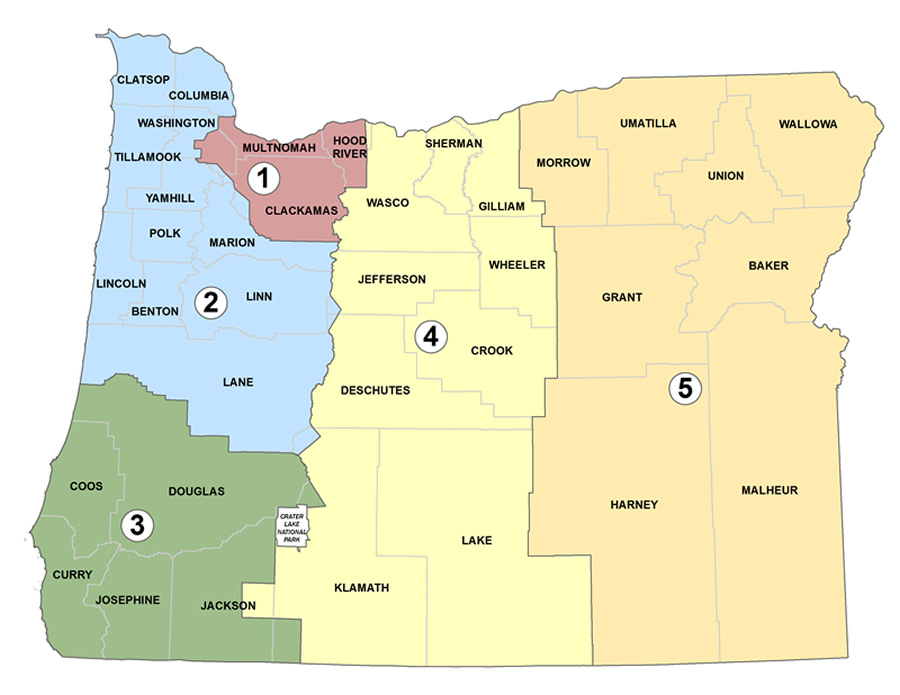
The Heart of the Pacific Northwest
At its core, Oregon is inextricably linked to the Pacific Northwest. This region, often simply referred to as the PNW, is more than just a geographical designation; it’s a distinct cultural and environmental zone that captures the imagination of travelers worldwide. Its identity is forged by a shared connection to the Pacific Ocean, towering mountain ranges, and verdant forests that define its landscapes.
Defining the Pacific Northwest
The Pacific Northwest is generally considered to encompass the states of Oregon and Washington in the United States, and the province of British Columbia in Canada. Sometimes, parts of Idaho and even Northern California are also included in broader definitions due to shared ecological and cultural characteristics. The region is primarily defined by the Cascade Range, a major mountain range running north-south, which creates a dramatic rain shadow effect. To the west of the Cascades, you find moist, mild, and green environments, heavily influenced by the Pacific Ocean. To the east, the landscape transitions into drier, more arid high desert and mountainous terrain.
Geographically, the PNW is characterized by its dramatic contrasts: the rugged coastline meeting the tumultuous Pacific Ocean, vast temperate rainforests, fertile river valleys like the Willamette Valley, and the snow-capped peaks of volcanoes such as Mount Hood. The mighty Columbia River carves a significant path through the region, serving as a vital artery for trade, hydroelectric power, and a natural border between Oregon and Washington for a substantial portion of its length. This rich tapestry of environments fosters incredible biodiversity, from marine life to old-growth forests, making it a haven for nature enthusiasts.
Oregon’s Place within the PNW Identity
Oregon epitomizes the very essence of the Pacific Northwest. It embodies the region’s hallmark features, from its distinctive climate to its progressive cultural ethos. The state’s western half, especially the Willamette Valley and Oregon Coast, experiences the iconic mild, wet winters and warm, dry summers for which the PNW is famous. This climate nurtures the verdant landscapes, allowing Douglas firs and other conifers to thrive, creating the ubiquitous “evergreen” feel.
Culturally, Oregon shares the PNW’s reputation for eco-consciousness, a strong emphasis on outdoor recreation, and a generally laid-back yet innovative spirit. Cities like Portland are celebrated for their progressive values, robust craft food and beverage scene (especially coffee, craft beer, and wine), and a vibrant arts and indie culture. This regional identity fosters a community that values sustainability, local production, and a high quality of life integrated with nature. For travelers, this means a destination rich in natural beauty, offering endless outdoor pursuits, alongside dynamic urban centers that boast unique culinary experiences and a strong sense of community.
A Tapestry of Diverse Landscapes and Climates
While firmly situated in the Pacific Northwest, Oregon’s internal geography is remarkably diverse, creating distinct sub-regions each offering unique experiences for the traveler. This internal variation is one of Oregon’s greatest appeals, allowing visitors to traverse vastly different ecosystems within a relatively short distance.
Coastal Wonders and Temperate Rainforests
The Oregon Coast stretches for over 360 miles along the Pacific Ocean, a dramatic frontier of rugged cliffs, expansive sandy beaches, towering sea stacks, and charming coastal towns. This is a land shaped by the powerful forces of the ocean, where misty mornings give way to brilliant sunsets. Iconic landmarks like Haystack Rock at Cannon Beach and the historic town of Astoria draw visitors year-round. The coastal region is characterized by a mild, wet climate, supporting lush temperate rainforests and vibrant marine ecosystems. Travelers can enjoy whale watching, explore tide pools teeming with life, hike through old-growth forests that meet the sea, and savor fresh seafood.
The Lush Willamette Valley
Just inland from the coast, sheltered by the Coast Range to the west and the Cascades to the east, lies the Willamette Valley. This fertile crescent is the agricultural heartland of Oregon and home to its largest cities: Portland, Salem (the state capital), and Eugene. The valley boasts a Mediterranean-like climate with warm, dry summers and mild, wet winters, ideal for cultivating a wide array of crops. Most notably, the Willamette Valley is world-renowned for its Pinot Noir wines, making it a premier destination for wine tourism. Beyond vineyards, travelers can explore farmers’ markets, historic towns, and enjoy scenic drives through rolling farmlands. Portland, in particular, stands out as a hub of culinary innovation, craft brewing, and unique urban culture, offering a stark contrast to the natural serenity just outside its limits.
Majestic Mountains and High Deserts
East of the Willamette Valley, the Cascade Range dominates the landscape. This volcanic mountain chain is home to Oregon’s highest peak, Mount Hood, a popular destination for skiing, snowboarding, and hiking. The Cascades also cradle pristine alpine lakes, dense evergreen forests, and countless trails, offering year-round outdoor recreation. Further east, beyond the rain shadow of the Cascades, Oregon transforms dramatically into a vast High Desert region. This arid landscape, with its sagebrush plains, juniper forests, and dramatic geological formations, offers a stark beauty distinct from the western part of the state.

Cities like Bend serve as popular gateways to this region, known for its sunny weather and access to rock climbing, mountain biking, and white-water rafting. The eastern reaches of Oregon also hold hidden gems like the colorful hills of the John Day Fossil Beds National Monument and the rugged Wallowa Mountains, often referred to as “Little Switzerland.” And of course, the unparalleled beauty of Crater Lake National Park, a caldera formed by a collapsed volcano, graces the southern Cascades with its impossibly blue, deep waters. This incredible geographic diversity means that any trip to Oregon can be tailored to an endless array of interests, from beachcombing to mountain climbing, wine tasting to desert exploration.
Oregon’s Unique Appeal for Travelers
Oregon’s identity as a quintessential Pacific Northwest state, combined with its profound internal diversity, creates an unmatched appeal for travelers seeking a broad spectrum of experiences. It’s a destination where nature and culture harmoniously intertwine, offering both exhilarating adventure and serene escapes.
Urban Adventures: Portland and Beyond
Portland, Oregon’s largest city, is a microcosm of the PNW’s progressive and creative spirit. Known for its “Keep Portland Weird” ethos, the city offers an eclectic mix of attractions. Foodies flock to its renowned food cart scene, farm-to-table restaurants, and exceptional craft breweries. Iconic landmarks like Powell’s City of Books, the International Rose Test Garden, and the Oregon Zoo provide diverse entertainment. Beyond Portland, smaller cities like Ashland, famous for its Shakespeare Festival, and Corvallis, a charming college town, contribute to Oregon’s vibrant urban fabric, each with its unique flavor and attractions.
Outdoor Paradise: Recreation for Every Season
The regional geography of Oregon ensures that outdoor enthusiasts will always find an activity to pursue. The Oregon Coast is ideal for surfing, beachcombing, and storm watching. The Cascades offer world-class skiing and snowboarding in winter, and extensive hiking, mountaineering, and mountain biking opportunities in summer. Whitewater rafting and kayaking are popular on rivers like the Deschutes and Rogue River. Eastern Oregon’s High Desert provides a playground for rock climbing, caving, and exploring vast wilderness areas. With numerous state parks, national forests like the Willamette National Forest, and the iconic Crater Lake National Park, Oregon truly lives up to its reputation as an outdoor paradise.
Cultural Riches and Artistic Expression
Oregon’s cultural landscape is as diverse as its geography. The state has a rich history tied to indigenous peoples, pioneers traveling the Oregon Trail, and early industrial development. Travelers can explore museums, historical sites, and learn about the profound impact of the Columbia River on the region’s history and economy. The state’s art scene thrives, particularly in Portland and Ashland, with numerous galleries, theaters, and music venues. Festivals celebrating everything from craft beer to independent film and traditional arts are common, offering visitors a chance to engage with the local culture and artistic expression. The farm-to-table movement and the emphasis on local products also highlight a culinary culture deeply rooted in the state’s agricultural bounty.
Navigating Oregon: Practical Travel Insights
Planning a trip to Oregon means considering the implications of its diverse regional characteristics. Practical considerations can enhance your travel experience, ensuring you make the most of this Pacific Northwest gem.
Best Times to Visit
The “best” time to visit Oregon largely depends on your desired activities. For hiking, camping, and exploring the coast and mountains in pleasant weather, late spring through early fall (May to October) is ideal, with July and August offering the warmest and driest conditions. Wine enthusiasts might prefer late summer to early fall for harvest season events. Winter (November to April) brings ample rain to western Oregon but transforms the Cascades into a winter sports paradise. Eastern Oregon experiences more extreme temperatures, with hot summers and cold, snowy winters, but also boasts more sunshine year-round.
Transportation and Accessibility
Portland International Airport (PDX) is the state’s largest and most accessible airport, serving as a primary gateway for domestic and international travelers. Renting a car is highly recommended for exploring Oregon’s diverse regions, as public transportation outside of major cities is limited. Scenic byways, such as the Historic Columbia River Highway and the Oregon Coast Highway, offer breathtaking drives. Within Portland, an efficient public transit system (TriMet) makes getting around easy without a car.

Embracing Oregon’s Spirit
To fully appreciate Oregon, travelers are encouraged to embrace its distinctive PNW spirit. This includes adopting sustainable travel practices, respecting the natural environment by following “Leave No Trace” principles, and engaging with local communities. Be prepared for varied weather, especially on the coast and in the mountains, by packing layers. Most importantly, allow yourself to slow down, savor the local flavors, and immerse yourself in the natural beauty and unique culture that make Oregon an unforgettable travel destination.
In conclusion, Oregon is firmly rooted in the vibrant and diverse Pacific Northwest region of the United States. Its location profoundly influences its geography, climate, and culture, offering travelers an incredible array of experiences, from coastal serenity and fertile valleys to majestic mountains and high deserts. Whether seeking urban exploration or wilderness adventure, Oregon’s regional identity promises a journey rich in discovery and natural wonder.
LifeOutOfTheBox is a participant in the Amazon Services LLC Associates Program, an affiliate advertising program designed to provide a means for sites to earn advertising fees by advertising and linking to Amazon.com. Amazon, the Amazon logo, AmazonSupply, and the AmazonSupply logo are trademarks of Amazon.com, Inc. or its affiliates. As an Amazon Associate we earn affiliate commissions from qualifying purchases.