
When travelers begin planning their dream getaway to the tropical paradise of Hawaii, a common geographical question often arises: exactly where does this archipelago fit into the regional map of the United States? While it is famously the 50th state to join the Union, its placement in regional designations is unique, distinguishing it from the contiguous states that span the mainland.
Defining the Pacific Region
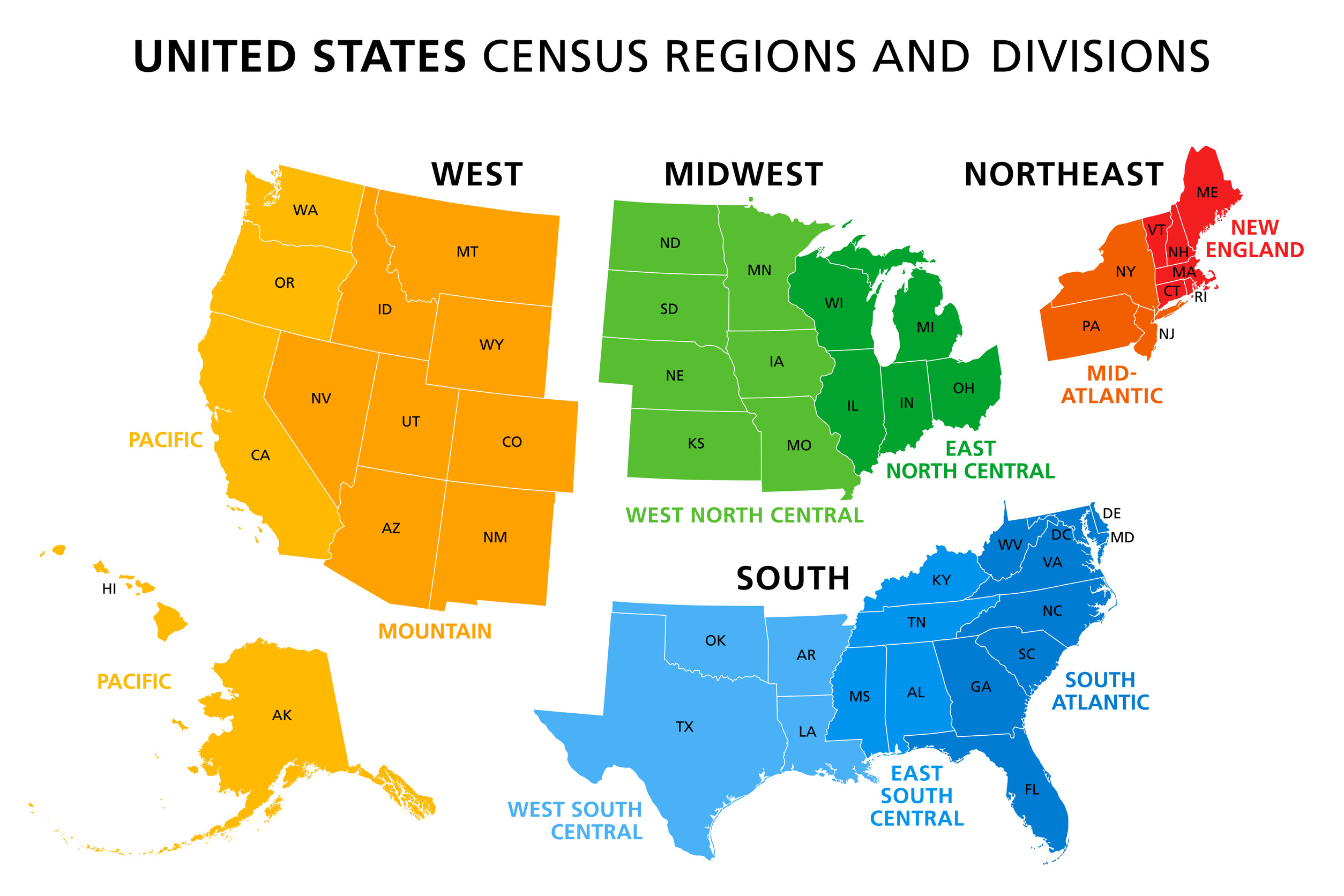
In the formal classification established by the United States Census Bureau, Hawaii is categorized as part of the Pacific Region. This group also includes California, Oregon, Washington, and Alaska.
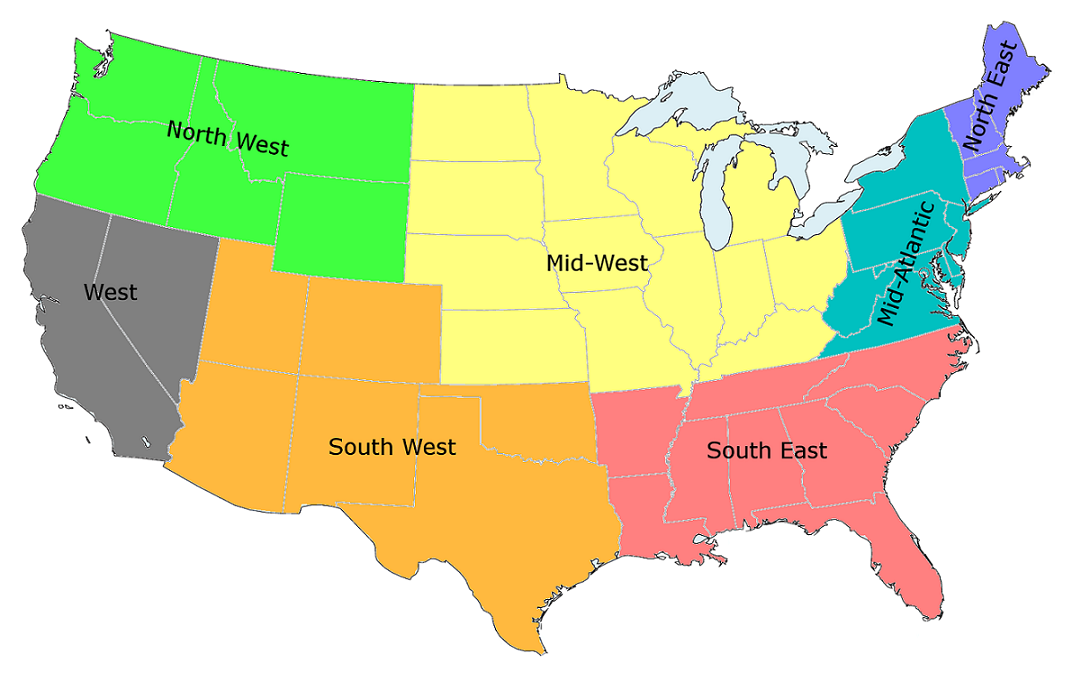
Geopolitical Connectivity
Though separated from the mainland by over 2,000 miles of the Pacific Ocean, the state maintains deep economic, political, and cultural ties with its Pacific counterparts. For travelers, this grouping makes sense from an aviation standpoint, as major hubs like Los Angeles International Airport serve as the primary gateways for trans-Pacific flights. While Hawaii is physically isolated, its regional affiliation allows for streamlined federal policy coordination and shared environmental initiatives regarding the Pacific Ocean ecosystem.
The Significance of the Pacific Basin
Being part of the Pacific Region places the islands in a strategic position regarding trade and tourism within the Asia-Pacific sphere. This is not merely a bureaucratic label; it influences the flow of tourism and international relations. Visitors arriving from the mainland often find that the transit experience feels like a bridge between the continental United States and the broader cultures of the Pacific Rim.
Geographical Uniqueness: An Isolated Archipelago
Beyond the administrative classifications of the United States Census Bureau, Hawaii is physically characterized by its status as an isolated volcanic chain. Unlike states connected by highways and contiguous borders, this destination stands alone in the center of the largest ocean on Earth.
The Volcanic Origins
The formation of these islands—including Oahu, Maui, Kauai, and the Big Island—is a testament to tectonic activity. As a traveler, visiting sites like Hawaii Volcanoes National Park provides a stark reminder that this land mass does not share the geological history of the North American continent. The isolation has resulted in unique biodiversity and a distinct ecosystem that feels worlds away from the urban centers of the East Coast or the Midwest.
Defining the “Island Region”
Many cultural geographers and tourism experts prefer to classify the state as part of a distinct “Island Region.” This acknowledges that the islands possess a unique identity that transcends the Pacific administrative label. Whether you are snorkeling in Hanauma Bay or hiking the Na Pali Coast, the environment dictates a pace of life and a cultural framework that is intrinsically tied to island living rather than mainland regional norms.
Cultural Distinctions and The Concept of “The Mainland”
When speaking to locals in Honolulu or Hilo, you will rarely hear the state referred to as part of a “region” in the way one might describe the South or the Northeast. Instead, the terminology used is “the islands” versus “the mainland.”
A Cultural Intersection
While technically a part of the United States, Hawaii acts as a cultural melting pot where American governance meets a strong, resilient indigenous Polynesian heritage. This creates a regional atmosphere that is unique. When you visit landmarks like Pearl Harbor or participate in a traditional Luau, you are experiencing a blend of history that is fundamentally different from the regional identities found in other parts of the United States.
Tourism and Regional Identity
The tourism industry often markets the state as a destination that defies regional categorization. By focusing on the unique “Aloha Spirit,” hospitality providers emphasize that the state is not just another regional branch of the mainland, but a sovereign cultural entity that welcomes travelers from all over the World. From the high-end resorts of Waikiki Beach to the quiet, rolling hills of Upcountry Maui, the sense of place is undeniable.
Travel Implications of Regional Placement
Understanding that Hawaii belongs to the Pacific Region is essential for logistics and trip planning. Because it is physically distant from the Continental United States, travelers must approach their itinerary with a mindset geared toward long-distance travel.
Logistics and Accessibility
Being in the Pacific Region means that most travelers will spend significant time in the air. Major carriers frequently route through San Francisco International Airport or Seattle-Tacoma International Airport to reach the islands. Recognizing this geographic reality helps visitors appreciate the vastness of the Pacific Ocean and the isolation that makes the islands so pristine.
Seasonal Planning
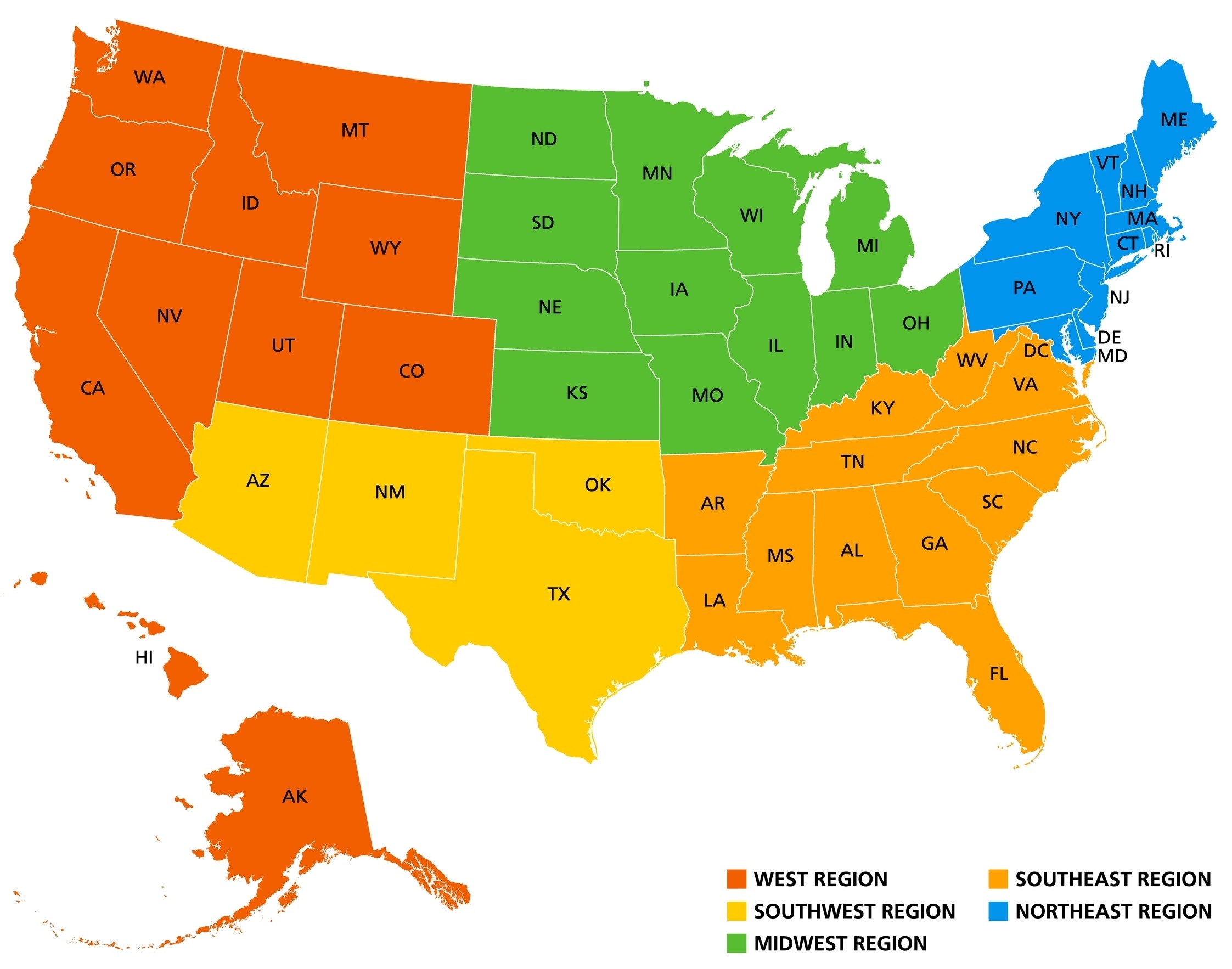
While the Pacific Region of the mainland experiences distinct four-season weather patterns, the islands maintain a tropical climate year-round. This is a primary draw for tourists fleeing the winters of the Mountain West or the New England region. The regional status of the islands is thus defined less by latitude and longitude and more by the consistent, temperate environment that allows for year-round exploration of the North Shore or the lush landscapes of Kauai.
A Destination Apart
Whether you are interested in the historical landmarks of Iolani Palace or the natural splendor of Waimea Canyon, it is important to remember that Hawaii occupies a special place. It is a state that challenges our traditional notions of regionalism. By viewing it through the lens of both its Pacific administrative categorization and its unique island status, travelers can better appreciate the depth and complexity of this incredible destination. While it is undeniably linked to the United States, it remains a world unto itself, governed by the tides, the volcanoes, and a rich, enduring culture that continues to captivate visitors from across the globe.
LifeOutOfTheBox is a participant in the Amazon Services LLC Associates Program, an affiliate advertising program designed to provide a means for sites to earn advertising fees by advertising and linking to Amazon.com. Amazon, the Amazon logo, AmazonSupply, and the AmazonSupply logo are trademarks of Amazon.com, Inc. or its affiliates. As an Amazon Associate we earn affiliate commissions from qualifying purchases.