
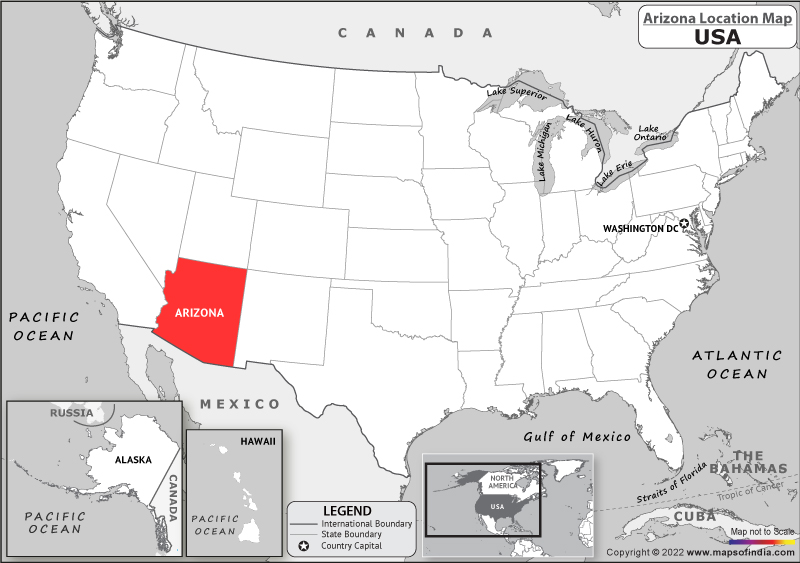
Arizona, a state synonymous with vast deserts, stunning red rock formations, and a rich tapestry of cultural heritage, firmly resides within the Southwestern region of the United States. This geographical classification is more than just a label; it encapsulates a distinct blend of climate, landscape, history, and culture that profoundly shapes Arizona’s identity and its appeal as a premier travel destination. For those planning a journey across the United States, understanding Arizona’s regional context is paramount, as it informs everything from weather expectations and appropriate packing to the types of attractions and experiences one can anticipate. The Southwest is not merely a direction on a compass; it’s a vibrant, unique world waiting to be explored, and Arizona stands as one of its most emblematic and compelling examples.
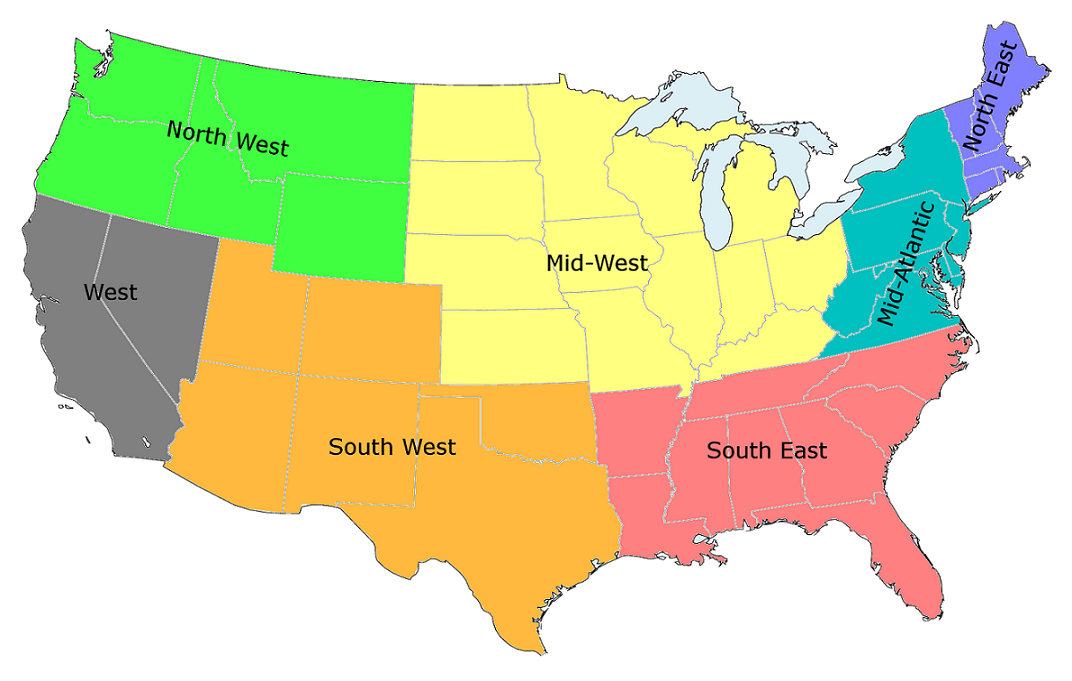
Pinpointing Arizona’s Place in the American Southwest
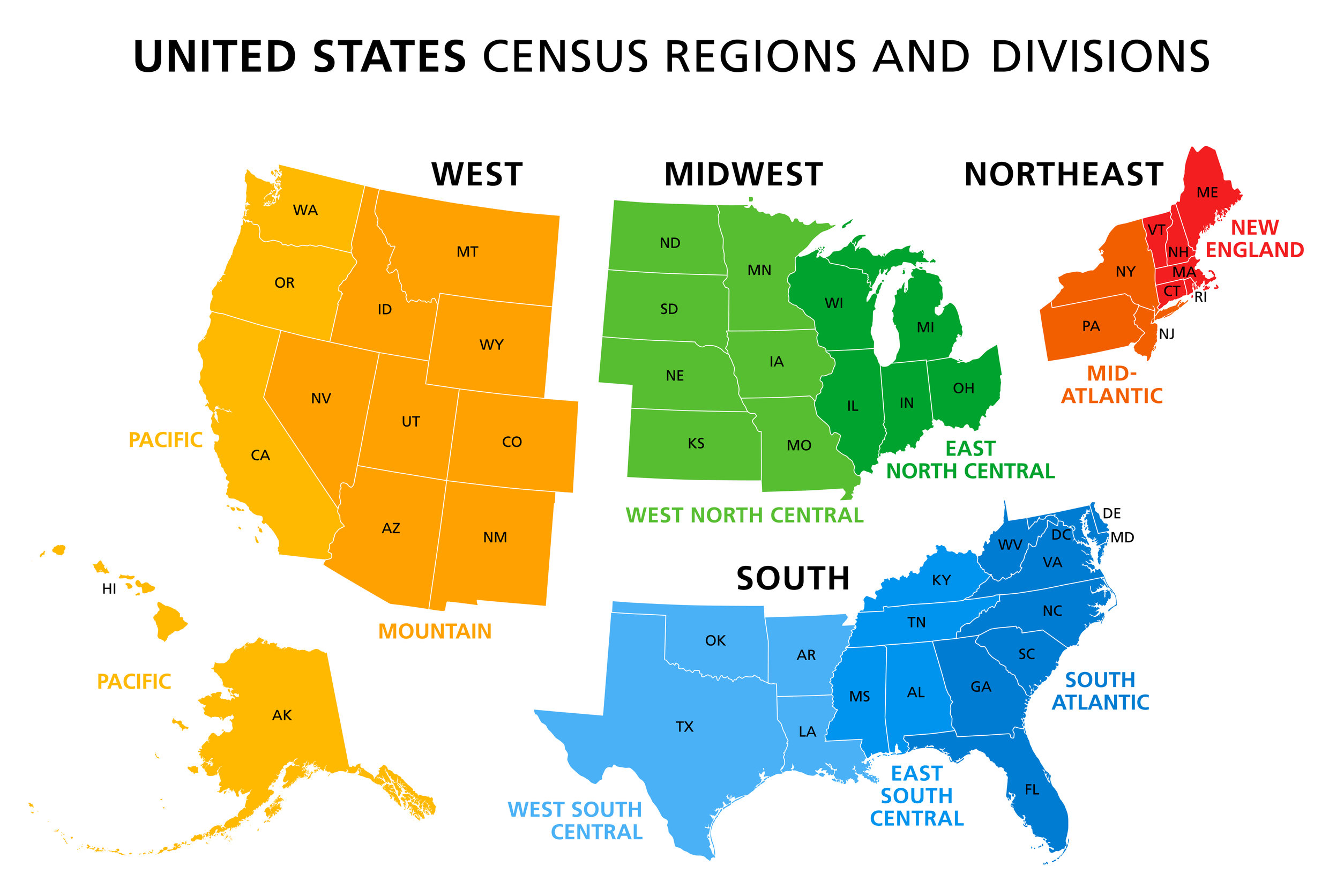
Defining the American Southwest is an exercise in both geography and cultural understanding. While its exact borders can be debated, the core states universally recognized as part of this region include Arizona, New Mexico, and parts of Utah, Nevada, Colorado, and California. Arizona sits squarely at the heart of this region, embodying many of its defining characteristics.
Geographical Delimitations and Characteristics
Geographically, the Southwest is predominantly an arid or semi-arid region, characterized by expansive deserts, dramatic mountain ranges, and deep canyons carved by ancient rivers. Arizona’s landscape is a microcosm of this diversity. The state is famed for its vast deserts, including the Sonoran Desert in the south, which is the only place in the world where the iconic saguaro cactus grows naturally. Moving northward, the terrain transitions dramatically from low-lying desert basins to high plateaus and alpine forests. The Colorado Plateau, covering much of northern Arizona, is home to geological marvels like the Grand Canyon, one of the world’s most breathtaking natural wonders, and the striking red rocks of Sedona. The Mogollon Rim, a towering escarpment, marks a significant geographical divide, separating the high country of the north from the desert valleys of the south. This intense geographical variety, from scorching desert floors to snow-capped peaks, is a signature trait of the Southwest and a major draw for travelers to Arizona. The region’s unique hydrology, heavily influenced by the Colorado River and its tributaries, has sculpted much of its iconic scenery.
Historical and Cultural Significance
The Southwestern United States boasts a profound historical and cultural depth, a narrative deeply embedded in Arizona’s very fabric. Long before European exploration, the land was home to numerous Indigenous peoples, including the Navajo, Hopi, Apache, and Tohono O’odham, whose ancient traditions, art, and architectural marvels (such as cliff dwellings) continue to resonate across the landscape. The arrival of Spanish explorers in the 16th century introduced a new layer of influence, bringing Catholicism, European architecture, and ranching traditions that are still visible today, particularly in cities like Tucson. Later, the influx of American settlers in the 19th century added frontier lore, mining booms, and the rugged individualism associated with the Wild West. This unique confluence of Native American heritage, Hispanic traditions, and Anglo-American frontier spirit has created a distinctive Southwestern culture, rich in art, cuisine, music, and festivals. For travelers, this means a chance to explore ancient ruins, visit vibrant pueblos, savor authentic Mexican-inspired cuisine, and immerse oneself in cowboy culture, all within Arizona’s borders.
The Allure of Arizona: A Traveler’s Perspective on the Southwest
For travelers, Arizona’s position in the Southwest makes it an irresistible destination, offering a spectrum of experiences that are both quintessential to the region and uniquely Arizonan. Its natural beauty, coupled with a generally favorable climate, creates an ideal environment for exploration and adventure.
Diverse Landscapes and Natural Wonders
The sheer diversity of Arizona’s natural landscapes is perhaps its greatest travel asset. The state is a geological masterpiece, offering everything from the mind-boggling scale of the Grand Canyon to the serene, spiritual beauty of Sedona’s red rock country. In the south, the Sonoran Desert provides a unique ecosystem for hiking, birdwatching, and experiencing the desert in full bloom during spring. Organ Pipe Cactus National Monument, for instance, offers a glimpse into a rare desert landscape. Northern Arizona, in stark contrast, features pine forests around Flagstaff, majestic peaks like Humphreys Peak, and the colorful Painted Desert. Travelers can spend mornings exploring the arid beauty of the desert and afternoons enjoying cooler temperatures and mountain vistas, often within a few hours’ drive. This dramatic variation ensures that every visit to Arizona can be a new adventure, catering to hikers, photographers, nature enthusiasts, and those simply seeking awe-inspiring views. Other notable natural attractions include Antelope Canyon, Horseshoe Bend, and Monument Valley, each offering iconic Southwestern imagery.
Climate and Best Times to Visit
Arizona’s climate is as varied as its geography, largely dictated by its position in the arid Southwest. The southern desert regions, including major cities like Phoenix and Tucson, experience hot summers with temperatures often exceeding 100°F (38°C), making spring, fall, and winter the most popular times to visit for outdoor activities. These cooler months offer abundant sunshine and comfortable temperatures, perfect for hiking, golf, and exploring urban attractions. In contrast, northern Arizona, with its higher elevations, enjoys a more temperate climate. Summers in Flagstaff and around the Grand Canyon are pleasantly warm, providing a refreshing escape from the desert heat, while winters bring snow and opportunities for skiing. This climatic diversity means that Arizona is a year-round destination; travelers simply need to choose their region and activities to match the season. Understanding these regional climate patterns is essential for planning any trip, ensuring comfort and maximizing enjoyment, whether you’re tackling desert trails or exploring mountain towns.
Beyond Borders: Arizona’s Role in the Greater Southwest Experience
While Arizona is a destination in itself, its central location within the Southwest makes it an ideal base or a crucial stop for those looking to explore the broader region. It acts as a gateway, seamlessly connecting travelers to the unique offerings of neighboring states.
Connectivity and Regional Exploration
Arizona’s extensive network of scenic byways and interstate highways makes it incredibly well-connected to other Southwestern states. From Phoenix, travelers can embark on road trips north to Utah’s national parks like Zion and Bryce Canyon, west to Nevada’s vibrant Las Vegas and the serene desert landscapes of California, or east into the cultural heartlands of New Mexico. Many iconic Southwestern road trip itineraries naturally incorporate Arizona as a key component, allowing visitors to experience the full spectrum of the region’s beauty. For example, a trip might start in Las Vegas, cross into Arizona to visit the Grand Canyon, then continue into Utah for more national park adventures. This geographical positioning enhances Arizona’s appeal, making it not just a single destination but a vital hub for a comprehensive Southwestern travel experience. The ease of access and the variety of landscapes within a reasonable driving distance are significant advantages for travelers seeking a multi-state adventure.
Unique Southwestern Experiences in Arizona
Within the broader Southwestern tapestry, Arizona offers specific experiences that are particularly emblematic of the region. These include unparalleled opportunities for outdoor adventure, deep dives into Indigenous culture, and unique wellness retreats. Travelers can explore ancient Native American cliff dwellings at Montezuma Castle National Monument or Canyon de Chelly National Monument, providing a tangible connection to the past. The state’s numerous state parks and national forests offer endless trails for hiking, mountain biking, and rock climbing amidst classic Southwestern scenery. Sedona, famous for its vortexes and spiritual energy, has become a hub for wellness travel, with numerous spas and retreats nestled among the red rocks. Arizona’s cities, such as Phoenix and Tucson, blend modern amenities with Southwestern charm, offering world-class dining, art galleries featuring regional artists, and vibrant nightlife. Golf enthusiasts will find some of the country’s best desert courses here, and those interested in astronomy will appreciate the exceptionally dark skies, particularly around Flagstaff, which is recognized as an International Dark Sky City. These diverse activities, rooted in the state’s unique environment and history, reinforce Arizona’s status as a quintessential Southwestern travel destination.
Planning Your Southwestern Arizona Journey
To fully appreciate Arizona’s charm as a Southwestern destination, careful planning is essential. Considering the diverse landscapes, varied climate, and numerous attractions will help craft an unforgettable itinerary.
Key Destinations and Itinerary Ideas
For first-time visitors, a common itinerary might involve flying into Phoenix Sky Harbor International Airport, exploring the vibrant city and its desert surroundings, perhaps with a day trip to the charming artist community of Carefree or the historic town of Jerome. From there, heading north to Sedona for its scenic hikes and spiritual ambiance is a popular choice. The journey culminates with a visit to the majestic Grand Canyon National Park, often followed by a stay in Flagstaff or exploring the Navajo Nation territories to see Antelope Canyon and Horseshoe Bend. For those with more time or a different interest, a southern Arizona itinerary could focus on Tucson’s historic missions and saguaro forests, exploring the wine regions of Sonoita and Elgin, or delving into frontier history in Tombstone and Bisbee. Combining these routes offers a comprehensive taste of the Southwestern experience unique to Arizona, from urban excitement to unparalleled natural beauty.
Practical Travel Tips for the Desert Region
Traveling in Arizona’s Southwestern climate requires some practical considerations. Hydration is paramount, especially during warmer months or when engaging in outdoor activities; always carry more water than you think you’ll need. Sun protection, including hats, sunglasses, and high-SPF sunscreen, is crucial due to the intense desert sun. Layered clothing is advisable, as temperatures can fluctuate dramatically between day and night, even in the desert. Sturdy hiking shoes are a must for exploring trails. When visiting Native American lands, it’s vital to respect local customs and traditions, often indicated by posted signs, and always ask permission before photographing people. Booking accommodations and popular tours, particularly for attractions like the Grand Canyon or Antelope Canyon, well in advance is highly recommended, especially during peak seasons. Finally, be mindful of wildlife; while often elusive, desert creatures are part of the ecosystem and should be observed from a respectful distance.
In conclusion, Arizona’s identity is inextricably linked to its position in the American Southwest. This regional context defines its stunning desert and mountain landscapes, its rich multicultural history, and its vibrant contemporary culture. For travelers seeking an authentic Southwestern experience, Arizona offers an unparalleled array of destinations, activities, and insights, making it a cornerstone of any journey through this captivating part of the United States. From the iconic majesty of the Grand Canyon to the spiritual allure of Sedona and the historical depth of its Indigenous and Hispanic roots, Arizona embodies the very essence of the Southwest, inviting exploration and promising unforgettable adventures.
LifeOutOfTheBox is a participant in the Amazon Services LLC Associates Program, an affiliate advertising program designed to provide a means for sites to earn advertising fees by advertising and linking to Amazon.com. Amazon, the Amazon logo, AmazonSupply, and the AmazonSupply logo are trademarks of Amazon.com, Inc. or its affiliates. As an Amazon Associate we earn affiliate commissions from qualifying purchases.