
Florida, the Sunshine State, beckons millions of visitors each year with its pristine beaches, world-class theme parks, and vibrant cultural scene. From the magical allure of Orlando to the Art Deco charm of Miami and the historic streets of St. Augustine, there’s an endless array of experiences waiting to be discovered. However, for every memorable meal, souvenir purchase, or park ticket, tourists will encounter Florida’s sales tax. Understanding this often-overlooked aspect of travel budgeting is crucial for a smooth and financially prepared vacation. This guide delves into the specifics of sales tax in Florida, offering practical insights for visitors to navigate their expenses effectively.
Decoding Florida’s Sales Tax Structure for Visitors
At its core, Florida operates on a statewide sales tax rate, but the total percentage can vary significantly depending on where you are in the state. This variability is due to local option discretionary sales surtaxes, which counties are permitted to levy. For tourists, this means that the price advertised for goods or services might not be the final price you pay at checkout.
The Statewide Sales Tax Rate
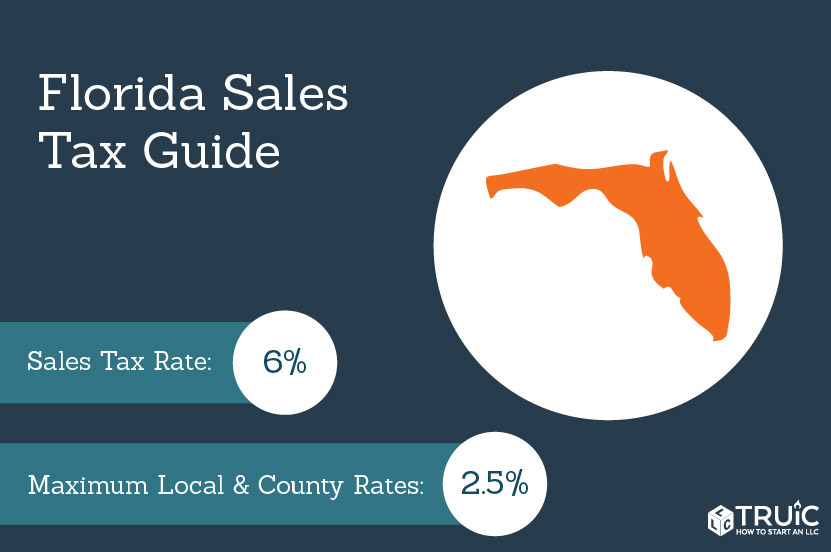
The state of Florida imposes a general sales tax of 6%. This rate applies to the sale, lease, or rental of most goods, as well as specific services, within the state. For tourists, this fundamental 6% forms the base of what you can expect to pay on countless transactions, from a new pair of sunglasses in South Beach to a fishing charter in the Florida Keys. This state-level tax is applied uniformly across all 67 counties, setting a consistent baseline for consumer taxation.
Local Option Discretionary Sales Surtaxes
Beyond the statewide 6%, counties in Florida have the authority to impose their own local surtaxes. These surtaxes, often referred to as “discretionary sales surtaxes” or “county sales tax,” are added on top of the state rate. The rates for these surtaxes can range from 0.5% to as high as 2.5%, depending on the county’s specific needs and voter approval. This is where the sales tax landscape can become a bit more complex for visitors.
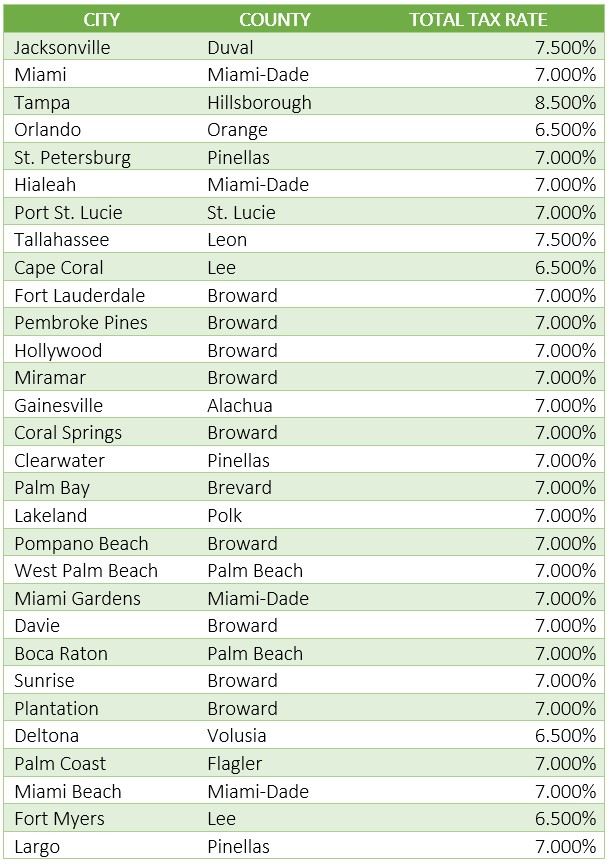
For instance, if you’re visiting Orange County, home to major attractions like Walt Disney World Resort and Universal Studios Florida, you’ll encounter a combined sales tax rate higher than the state’s 6%. Similarly, a trip to Miami-Dade County or Hillsborough County (where Tampa is located) will also see additional percentage points tacked onto your purchases. These local surtaxes are typically capped at a certain dollar amount per transaction, but for most tourist purchases, this cap is rarely reached. It is always wise for tourists to quickly check the specific county surtax rate for their destination to gain a clearer picture of their potential expenditures.
Where Tourists Encounter Sales Tax Most Frequently
Sales tax in Florida isn’t confined to just one type of purchase; it touches nearly every aspect of a tourist’s spending. Understanding where and how this tax is applied can help in preparing a more accurate travel budget.
Dining and Food Purchases
When you enjoy a delicious stone crab dinner in Miami, sip a craft beer in St. Petersburg, or grab a quick bite at a theme park, sales tax will be applied to your total bill. This includes all prepared food and beverages purchased from restaurants, cafes, food trucks, and even most concession stands. It’s important to remember that the menu prices you see typically do not include sales tax or gratuity, so factor in an additional 6% to 8.5% (depending on the county surtax) on top of your meal costs.
Retail Purchases and Souvenirs
From designer clothes on Worth Avenue in Palm Beach to quirky souvenirs in Key West, virtually all tangible personal property purchased in Florida is subject to sales tax. This includes clothing, electronics, artwork, gifts, and any other physical items you buy to remember your trip or for personal use. The price tag on an item will almost always be exclusive of sales tax, meaning the final amount you pay at the register will be higher. This is a crucial consideration, particularly for larger purchases or when stocking up on gifts for friends and family back home.
Admissions and Entertainment
A significant portion of tourist spending goes towards attractions and entertainment, all of which are subject to Florida sales tax. This includes tickets to theme parks like Busch Gardens Tampa Bay, admission to museums, entry to sporting events, concerts, movie tickets, and even boat tours. When planning your itinerary, remember that the advertised ticket price is usually just the base cost; sales tax will be added on top. For a family visiting multiple attractions, these accumulated taxes can represent a notable portion of their entertainment budget. Even admission to natural attractions managed by private entities or counties may be subject to tax, though state parks often have different fee structures.
Rental Cars and Other Rentals
Tourists often rely on rental cars to explore the vastness of Florida. Sales tax, along with various other fees and surcharges, is applied to vehicle rentals. This extends to other short-term rentals as well, such as bicycles, jet skis, boats, and even some equipment rentals for outdoor activities. While accommodation (hotels, motels, vacation rentals) is subject to sales tax, it also incurs a separate “tourist development tax” or “resort tax,” which varies by county and is levied on top of the sales tax. This additional tax specifically targets visitors and helps fund tourism marketing and infrastructure projects. It is essential to differentiate between the general sales tax and this specific tourist tax when reviewing your lodging bill.
Exemptions and Special Considerations for Visitors
While sales tax seems ubiquitous, Florida does provide certain exemptions and nuances that visitors should be aware of. Knowing these can sometimes lead to minor savings or clarify why certain purchases are taxed differently.
Groceries and Prescription Drugs
One of the most significant exemptions for everyday consumers, including tourists, is for most food items purchased for home consumption. Basic groceries bought at supermarkets, convenience stores, or farmers’ markets are generally exempt from Florida sales tax. This means that if you’re staying in a vacation rental with kitchen facilities and plan to cook some of your meals, you won’t pay sales tax on staple items like fresh produce, meats, dairy, and packaged goods. However, prepared foods, hot foods, and restaurant meals, as mentioned earlier, are taxable. Similarly, prescription medicines and certain medical supplies are also exempt from sales tax, which is a relief for anyone needing to refill a prescription during their trip.
Services vs. Tangible Goods
Florida’s sales tax primarily applies to the sale or rental of tangible personal property and certain specified services. Many pure services, where no tangible product is transferred, are generally not subject to sales tax. For example, the cost of a massage at a spa, a haircut, or a guided tour where the primary charge is for the service itself (rather than admission to a taxable event or rental of equipment) might not include sales tax. However, if the service includes a tangible component, such as a product used during a beauty treatment or a printed guide given on a tour, that component might be taxable, or the entire service might become taxable if it falls under a specific taxable category. This distinction can sometimes be nuanced, so it’s always best to clarify if you’re unsure, especially for high-value services.
Budgeting for Sales Tax During Your Florida Vacation
Integrating sales tax into your vacation budget is a smart practice that prevents unwelcome surprises and helps manage overall trip costs. Proactive planning can make a significant difference in your financial readiness.
Practical Tips for Estimating Costs
To accurately budget for sales tax, the most effective strategy is to assume an average combined rate for your specific destination. For instance, if you’re visiting Orlando (Orange County), you should factor in an extra 6.5% to 7% on taxable purchases, as Orange County typically adds a 0.5% or 1% surtax. For major tourist hubs, a general rule of thumb is to add anywhere from 6.5% to 8.5% to the base price of most items and services before you even consider tips or service charges.
Consider creating a daily or category-specific budget that accounts for these taxes. For example, allocate a slightly larger percentage to your “dining out” and “attractions” categories than to “groceries.” Keep a small buffer in your overall budget for unexpected purchases or higher-than-anticipated tax rates. Many travel budgeting apps can help you track spending in real-time, allowing you to see the impact of sales tax on your overall expenditures.
The Impact on Overall Travel Expenses
While the sales tax rate might seem small per individual transaction, its cumulative effect over a multi-day vacation can be substantial. For a family of four spending thousands of dollars on accommodation, theme park tickets, meals, and souvenirs, an additional 6.5% to 8.5% can easily add hundreds of dollars to the total trip cost. Overlooking this detail can lead to exceeding your budget and scrambling for funds towards the end of your trip. By understanding “What Sales Tax In Florida?” means for your wallet, you ensure a more relaxed and financially sound vacation, allowing you to fully immerse yourself in the beauty and excitement the Sunshine State has to offer.
LifeOutOfTheBox is a participant in the Amazon Services LLC Associates Program, an affiliate advertising program designed to provide a means for sites to earn advertising fees by advertising and linking to Amazon.com. Amazon, the Amazon logo, AmazonSupply, and the AmazonSupply logo are trademarks of Amazon.com, Inc. or its affiliates. As an Amazon Associate we earn affiliate commissions from qualifying purchases.