
Florida, often affectionately known as the Sunshine State, is a tapestry of vibrant cities, pristine beaches, and world-renowned attractions. When considering a visit, many travelers focus on what to see, where to stay, and what to do. However, a fundamental, yet often overlooked, aspect of planning any trip to Florida is understanding what “time” truly means in this diverse state. It’s more than just a glance at a clock; it encompasses the practicalities of time zones, the rhythm of daily life, the optimal seasons for travel, and even the historical echoes preserved in its ancient landmarks. For anyone seeking to fully immerse themselves in the unique lifestyle and experiences Florida offers, understanding its temporal nuances is key to a seamless and unforgettable journey.
From bustling metropolitan centers to tranquil coastal towns, Florida’s relationship with time influences everything from flight schedules and attraction opening hours to the best moment to catch a sunrise over the Atlantic or a sunset over the Gulf of Mexico. This guide will delve into the intricacies of time in Florida, providing invaluable insights for planning your perfect escape, whether you’re seeking a luxurious resort stay, a family-friendly adventure, or a deep dive into local culture.
Understanding Florida’s Time Zones: A Traveler’s Essential Guide
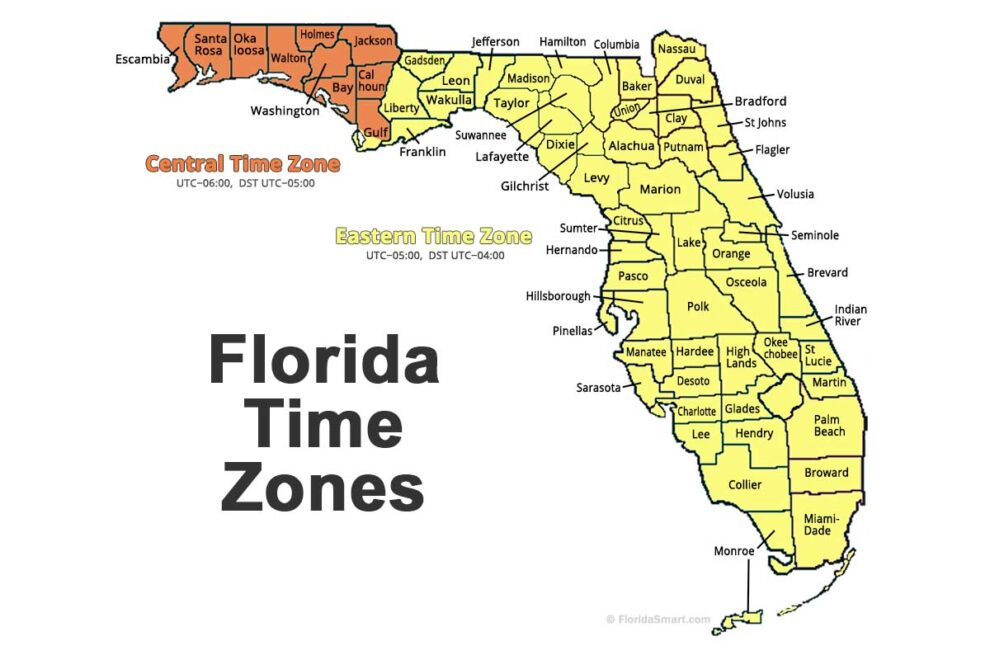
One of the first things a traveler to Florida must grasp is its unique geographical position, which places it across two distinct time zones. While the vast majority of the state operates on one time, a significant portion of its westernmost region observes another. This can be a crucial detail for coordinating travel, making reservations, and ensuring you’re always on schedule.
The Eastern Standard Time Dominance
The lion’s share of Florida falls within the Eastern Time Zone (ET), which observes Eastern Standard Time (EST) during the winter months and Eastern Daylight Time (EDT) when Daylight Saving Time is in effect. This zone covers the peninsula and the eastern panhandle, encompassing the state’s most populous cities and iconic tourist destinations.
When you land in Miami, arrive at Orlando‘s theme parks, or explore the historic streets of St. Augustine, you’ll be operating on Eastern Time. This includes major hubs like Jacksonville, Tampa, Fort Lauderdale, Palm Beach, and the entirety of the Florida Keys, including Key West. For international and domestic travelers, particularly those arriving from outside the ET zone, it’s vital to adjust watches and digital devices promptly to avoid missing flights, tours, or dinner reservations. Popular attractions like Walt Disney World Resort and Universal Orlando Resort operate strictly on Eastern Time, meaning an early start is often rewarded with shorter lines.
Navigating the Central Time Zone
A smaller, yet significant, portion of Florida’s panhandle operates on the Central Time Zone (CT), which observes Central Standard Time (CST) and Central Daylight Time (CDT). This area includes counties west of the Apalachicola River, notably the vibrant coastal city of Pensacola and the popular vacation destination of Panama City. The state capital, Tallahassee, finds itself in an interesting position, with parts of its metropolitan area technically stretching into both time zones, though the city itself largely aligns with Eastern Time for convenience.
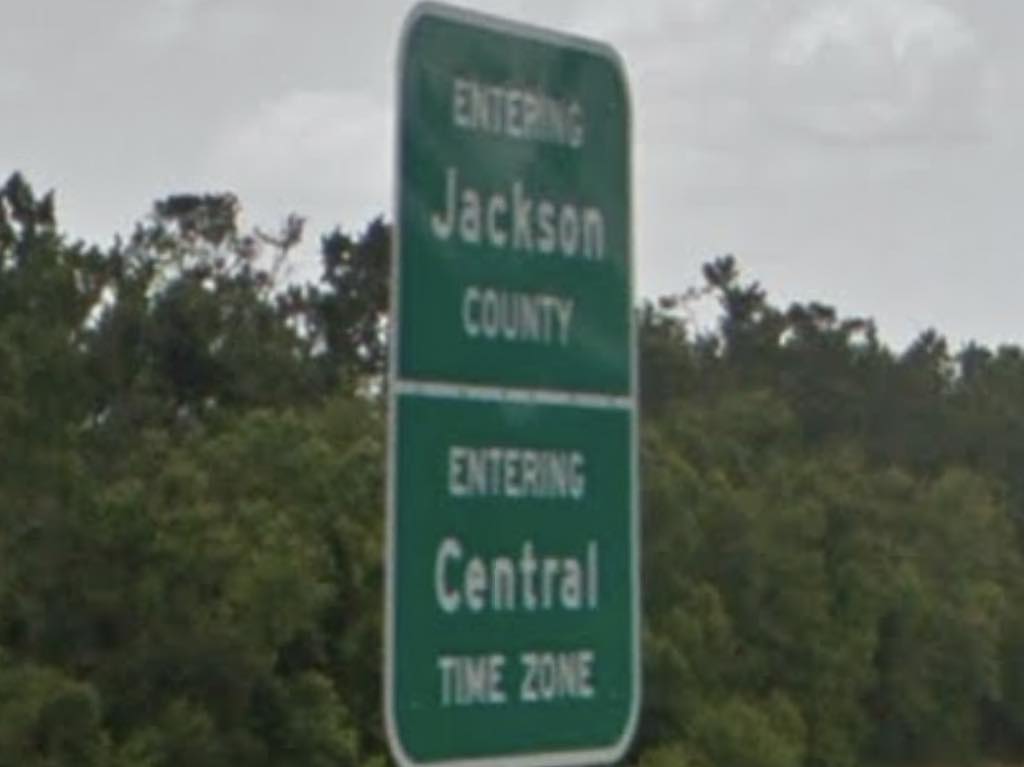
For travelers planning a comprehensive road trip across the panhandle, especially those crossing the time zone boundary, being aware of this change is paramount. Imagine departing Tallahassee for a sunset cruise in Panama City and gaining an hour – or losing one if traveling east! This can easily throw off meticulously planned itineraries involving accommodation check-ins, dining experiences, or scheduled activities. Always double-check with local businesses and transportation providers when traveling through this particular region.
Daylight Saving Time in the Sunshine State
Like most of the United States, Florida observes Daylight Saving Time (DST). This means that on the second Sunday in March, clocks “spring forward” one hour, effectively extending daylight into the evening. Conversely, on the first Sunday in November, clocks “fall back” one hour, returning to standard time. For many visitors, especially those from regions that do not observe DST, this biannual change can occasionally cause confusion. It’s crucial for travelers to be mindful of these shifts, particularly if their trip spans one of these changeover dates, as it can impact sleep schedules, flight timings, and the opening hours of attractions. Many establishments, particularly in the tourism sector, adapt seamlessly, but verifying specific hours of operation is always a good practice.
Beyond the Clock: The Rhythms and Seasons of Florida Life
While literal time zones are critical for logistics, the “time” in Florida also speaks to its natural rhythms, the optimal periods for specific activities, and the overall pace of life. Understanding these less tangible aspects of time can transform a good trip into an exceptional one, aligning your desires with what the state naturally offers.
Optimal Seasons for Your Florida Adventure
Choosing the right time of year to visit Florida significantly impacts the type of experience you’ll have, influencing everything from crowd levels and prices for hotels and other accommodations to the very nature of outdoor activities.
-
Winter (December – February): This is Florida’s peak season, especially for those escaping colder climates. The weather is generally mild, sunny, and dry, with temperatures ranging from the comfortable 60s°F (15-20°C) to the low 80s°F (25-28°C) in the south. This is the perfect time for theme park visits with less oppressive heat, leisurely rounds of golf, outdoor festivals, and enjoying the beaches without excessive humidity. However, expect higher prices for flights and accommodations, and larger crowds at popular destinations like Walt Disney World Resort and Miami Beach. Notable events like Art Basel Miami Beach draw international crowds, elevating the luxury travel scene.
-
Spring (March – May): A delightful shoulder season, spring offers warm, pleasant weather before the intense summer heat sets in. Temperatures steadily climb, and the state bursts with blooming flora. While spring break brings temporary surges in certain coastal areas like South Beach and Panama City, outside of these periods, crowds can be more manageable than in winter. It’s an excellent time for exploring state parks, wildlife viewing, and enjoying water sports. Booking accommodation in advance is still recommended, especially for popular destinations.

-
Summer (June – August): The summer months bring heat, humidity, and daily afternoon thunderstorms, along with the official start of hurricane season (June 1 – November 30). While this might deter some, summer also means lower prices for hotels and resort stays (outside of major holidays), fewer crowds at some attractions, and a vibrant energy, especially around family-centric destinations. Many families travel during school breaks, making it ideal for budget-conscious trips to theme parks, where water rides become a welcome relief. Be prepared for rain, and always monitor weather forecasts.
-
Fall (September – November): Fall is another excellent shoulder season, often overlooked by travelers. While early fall still carries hurricane risks and residual summer heat, late October and November bring a return to cooler, drier, and more comfortable conditions. Crowd levels begin to decrease, making it a wonderful time for a more relaxed visit. Festivals abound, celebrating everything from seafood to art. Events like the Epcot International Food & Wine Festival at Walt Disney World Resort and Fantasy Fest in Key West offer unique cultural experiences.
Florida’s Daily Pulse: From Sunrise to Sunset
Beyond the seasons, the daily rhythm of Florida also dictates the best “time” for various activities and experiences.
-
Mornings: Florida mornings are often the most serene and pleasant part of the day, especially in the warmer months. Early risers can witness breathtaking sunrises over the Atlantic coast, enjoy tranquil beach walks before the crowds arrive, or experience cooler temperatures for outdoor activities like cycling, hiking in state parks, or a round of golf. Theme parks often have early entry options for resort guests, offering a significant advantage in experiencing popular rides with minimal wait times. Many local cafes and diners open early, serving up classic Florida breakfasts.
-
Afternoons: As the day progresses, particularly from late spring through early fall, temperatures rise, and humidity peaks. This is prime time for indoor activities: exploring museums, shopping in air-conditioned malls, visiting aquariums or indoor attractions like SeaWorld Orlando and Busch Gardens Tampa Bay. It’s also the perfect moment for a refreshing dip in a resort pool, a leisurely spa treatment, or retreating to the shade of a beach umbrella. Afternoon thunderstorms are common in summer, offering a dramatic display and a temporary cooling effect.
-
Evenings: [Florida](https://lifeoutofthebox.com/florida] truly comes alive after sunset. Mild evenings are ideal for al fresco dining, strolling through lively entertainment districts, or enjoying live music. Coastal cities boast vibrant nightlife, from the chic clubs of South Beach to the casual beach bars of the Florida Keys. Theme parks often host spectacular fireworks displays and parades, providing a magical end to the day. For nature enthusiasts, twilight is an excellent time for wildlife spotting, as many nocturnal animals become active in places like Everglades National Park.
Time-Honored Experiences and Landmarks: Where History Meets the Present
“Time” in Florida isn’t just about the present moment; it’s also about a rich tapestry of history and natural evolution. The state is home to landmarks that whisper tales of centuries past and sites that represent humanity’s reach into the future, offering visitors a chance to connect with different temporal dimensions.
Stepping Back in Time: Historic Florida
Florida holds the distinction of being home to the oldest continuously inhabited European-established settlement in the United States: St. Augustine. A visit here is a literal journey back in time, with cobblestone streets, colonial architecture, and the imposing Castillo de San Marcos, a 17th-century Spanish fortress. Exploring St. Augustine offers a profound sense of history, allowing travelers to walk in the footsteps of early explorers and settlers.
Beyond St. Augustine, other locations offer glimpses into bygone eras. Historic Ybor City in Tampa, for instance, was once the cigar capital of the world, founded by Cuban, Spanish, and Italian immigrants. Its brick streets, historic buildings, and vibrant cultural heritage offer a unique perspective on Florida’s industrial and immigrant past. Even the opulent hotels from the Gilded Age, such as The Breakers Palm Beach, serve as architectural landmarks, speaking to a time of grand luxury travel and social elegance.
The Future of Time: Space Exploration and Natural Wonders
On the other end of the temporal spectrum, Florida is synonymous with humanity’s quest to conquer space and glimpse the future. The Kennedy Space Center Visitor Complex on Merritt Island offers a humbling look at the history of space exploration, from the pioneering days of NASA to current missions, reminding visitors of the infinite possibilities beyond Earth and the relentless march of scientific time. Here, time is measured in launch windows, orbital periods, and the vastness of the cosmos.
Conversely, the ancient, timeless landscapes of Everglades National Park provide a stark contrast. This unique wetland ecosystem, a designated UNESCO World Heritage Site, feels almost primordial. Time here is measured not by clocks but by the slow, seasonal flow of water, the migration of birds, and the ancient cycle of life and death among its diverse wildlife. Exploring the Everglades by airboat or kayak offers a chance to experience a natural world seemingly untouched by the rapid pace of human progress, a testament to enduring ecological time.
Maximizing Your Florida Time: Practical Tips for a Seamless Journey
Understanding the various facets of time in Florida is invaluable, but practical application is where it truly enhances your travel experience.
- Sync Your Clocks: Upon arrival, immediately adjust all devices to the local time. If traveling to the Panhandle, be mindful of the Central Time Zone shift. Many smartphones automatically update, but it’s always good to double-check.
- Plan Around Peak Seasons: For budget travel or to avoid crowds, consider visiting during the shoulder seasons (spring and fall). If a winter escape is a must, book hotels, resorts, and popular attractions well in advance.
- Embrace the Early Bird Advantage: For theme parks or popular outdoor activities, starting your day early can save you hours in queues and allow you to enjoy the cooler morning temperatures. Many luxury resorts, such as Loews Portofino Bay Hotel or the Ritz-Carlton, Amelia Island, offer amenities that encourage an early start, from invigorating fitness classes to exquisite breakfast options.
- Factor in Travel Time: Florida is a large state. Driving from Miami to Orlando or from Tampa to Key West can take several hours. Use mapping apps to accurately estimate travel times and build buffers into your itinerary, especially around peak traffic hours.
- Be Flexible with Summer Afternoons: If visiting in summer, plan indoor activities or relaxing pool time for the hot, humid afternoons when thunderstorms are most likely. This allows you to avoid the worst of the weather and save outdoor excursions for mornings and evenings.
- Monitor Weather and Event Calendars: Keep an eye on weather forecasts, particularly during hurricane season. Also, consult local event calendars for festivals, concerts, and sporting events that might impact crowd levels or offer unique experiences during your stay.
Ultimately, “what says the time in Florida?” is a multifaceted question with a layered answer. It’s about the precision of time zones, the natural ebb and flow of seasons, the daily rhythm of its vibrant cities and tranquil landscapes, and the profound echoes of its historical and futuristic landmarks. By understanding and embracing these various dimensions of time, travelers can unlock the full potential of their Florida adventure, ensuring every moment is cherished and every experience is perfectly timed.
LifeOutOfTheBox is a participant in the Amazon Services LLC Associates Program, an affiliate advertising program designed to provide a means for sites to earn advertising fees by advertising and linking to Amazon.com. Amazon, the Amazon logo, AmazonSupply, and the AmazonSupply logo are trademarks of Amazon.com, Inc. or its affiliates. As an Amazon Associate we earn affiliate commissions from qualifying purchases.