
California, a land of sun-kissed beaches, towering redwoods, snow-capped peaks, and sprawling deserts, is a state renowned for its breathtaking diversity. However, this geographical marvel also means that asking “What season are we in California?” doesn’t yield a single, straightforward answer. Unlike many places where distinct seasonal shifts blanket an entire region, California operates on a spectrum of microclimates, offering a unique tapestry of weather patterns that vary dramatically from one county, or even one valley, to the next. For the discerning traveler, understanding these nuanced seasonal differences is not just helpful—it’s absolutely essential for planning the perfect Golden State adventure, ensuring you pack appropriately, and choosing destinations that truly shine during your visit.
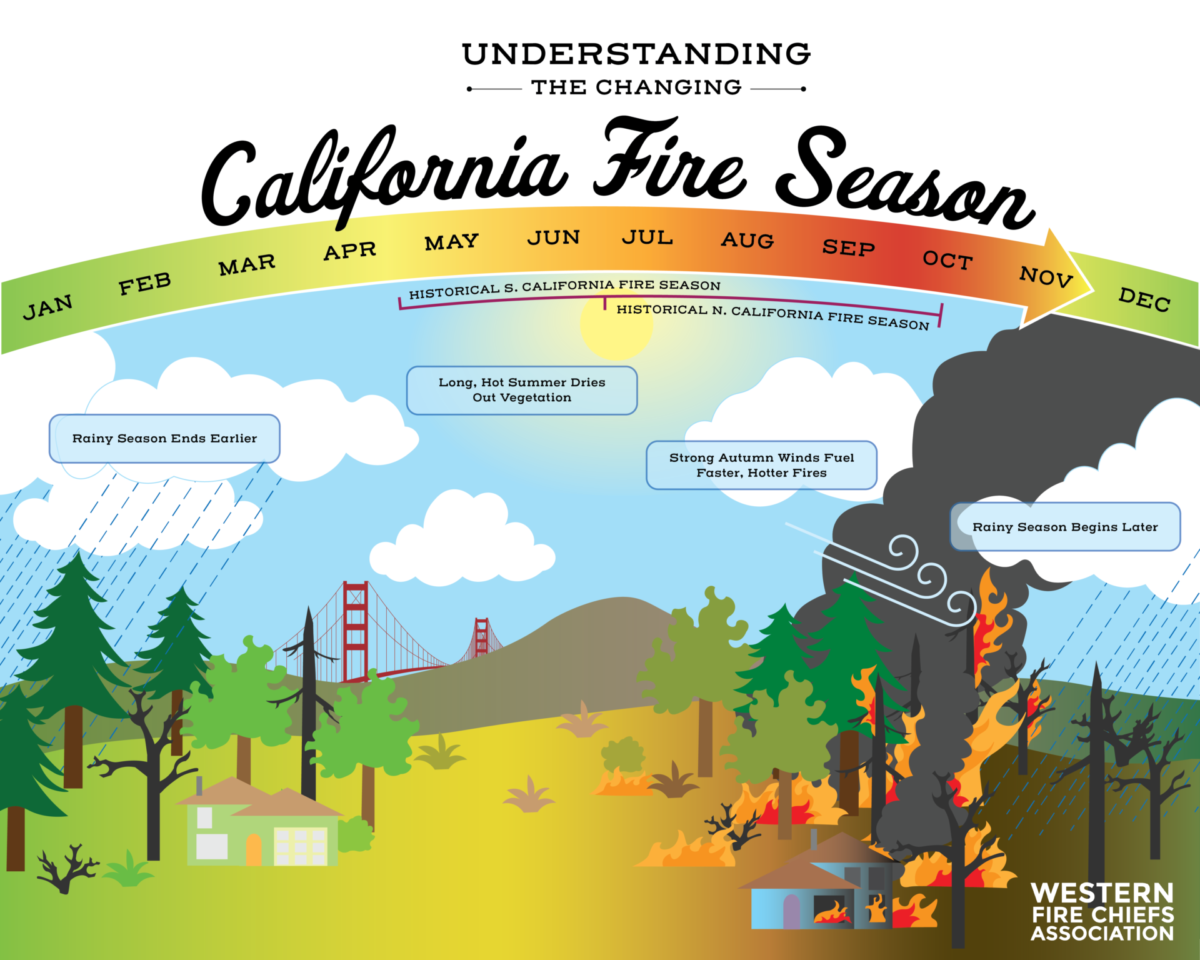
The Golden State’s Four Seasons (and a Few More)
At its core, much of California enjoys a Mediterranean climate, characterized by warm, dry summers and mild, wet winters. Yet, this broad definition barely scratches the surface of the state’s intricate seasonal personality. The sheer scale and topographic variety of California—from its extensive coastline to vast inland valleys, rugged mountain ranges, and expansive deserts—create a multitude of mini-climates, each with its own rhythm and charm throughout the year.
A Mediterranean Climate with Twists
While the classic Mediterranean pattern dominates, especially along the coast, California’s unique geography introduces significant variations. This means that while San Francisco might be shrouded in a cool summer fog, Palm Springs could be experiencing blistering heat, and the Sierra Nevada mountains might still be dusted with lingering snow. The state’s proximity to the Pacific Ocean, the presence of the Central Valley, and the elevation changes of its mountain ranges all play crucial roles in shaping these distinct seasonal experiences.
Coastal California: Mild Year-Round
The coastal strip of California, stretching from San Diego in the south to the northern reaches near the Oregon border, is famous for its remarkably temperate climate. Influenced by the cool Pacific Ocean, this region experiences mild winters and cool to warm summers. Cities like Los Angeles, Santa Monica, and Malibu rarely face extreme temperatures, making them attractive destinations almost any time of the year. Summer often brings a phenomenon known as “June Gloom” or “May Gray” to Southern California, where coastal fog blankets the morning sky before burning off to reveal sunny afternoons. Winters are generally mild, with occasional rain showers, but rarely severe cold. This consistent, pleasant weather makes coastal areas prime for year-round beach visits, surfing, and exploring charming seaside towns.
Inland Valleys: Hot Summers, Cooler Winters
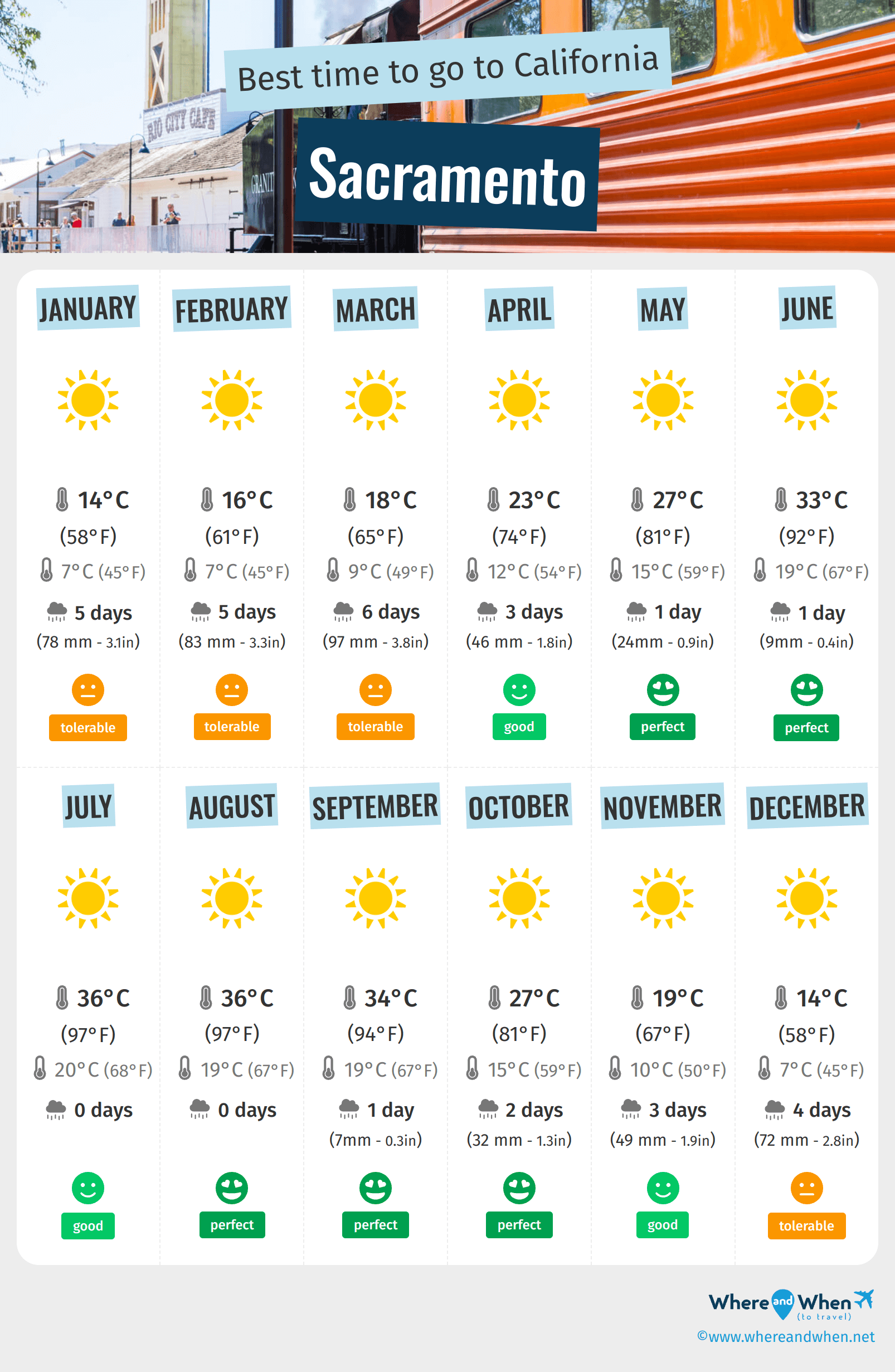
Venture inland, particularly into the expansive Central Valley, and the climate shifts dramatically. Here, the moderating influence of the ocean is largely absent, leading to more extreme temperature swings. Summers are notoriously hot and dry, with temperatures frequently soaring well into the 90s and sometimes over 100 degrees Fahrenheit (38°C+). Winters, while still mild by East Coast standards, are significantly cooler than on the coast, with occasional frost and dense Tule fog. This agricultural heartland is best visited in spring or autumn to avoid the intense summer heat, offering pleasant conditions for exploring farmlands and smaller towns.
Mountain Regions: True Four Seasons
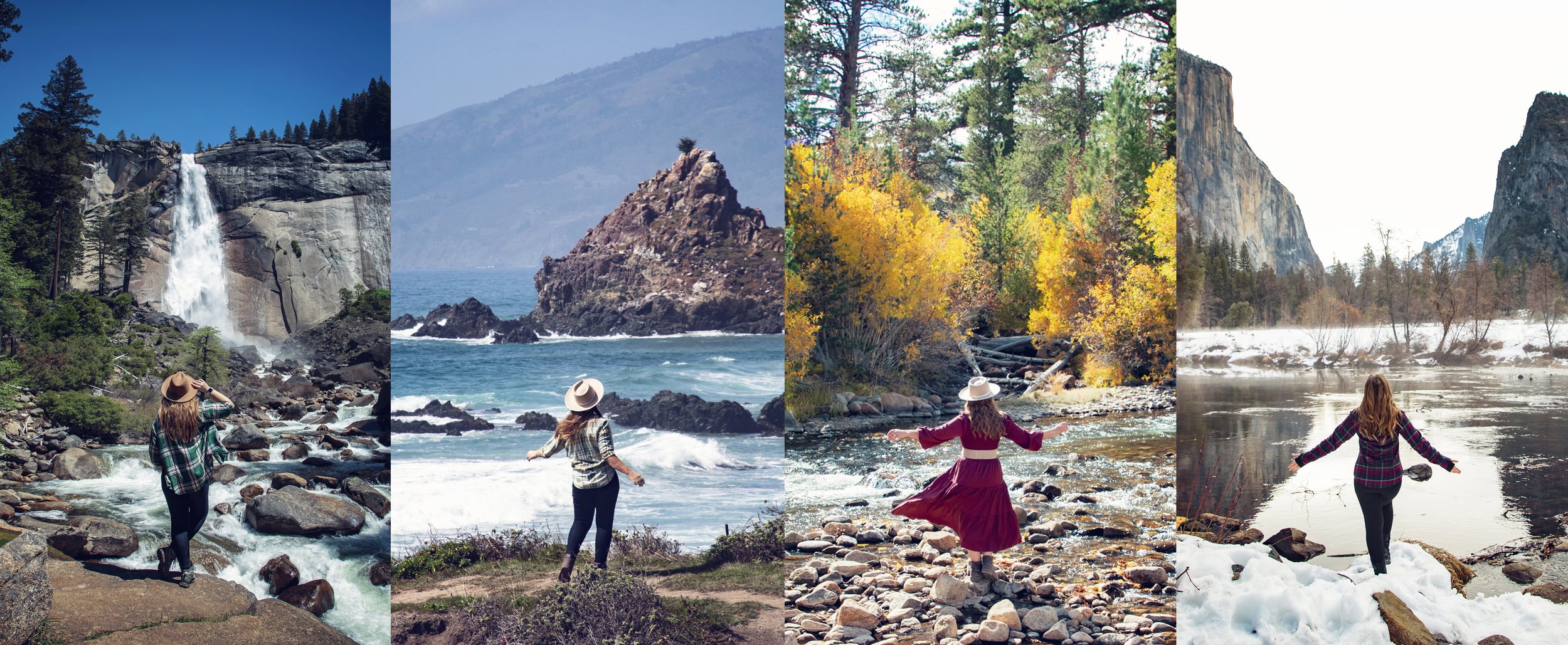
California’s majestic mountain ranges, including the Sierra Nevada, offer the most distinct four-season experience. Winter transforms areas like Lake Tahoe and Mammoth Mountain into world-class ski destinations, blanketed in feet of snow, drawing enthusiasts for skiing, snowboarding, and other winter sports. Spring sees the melting snow feed rushing waterfalls and create vibrant wildflower displays, making it an ideal time for hiking. Summers are gloriously warm and sunny, perfect for camping, backpacking, and exploring iconic National Parks like Yosemite. Autumn brings a spectacular display of fall foliage, particularly in the Eastern Sierra, painting the landscape in fiery reds, oranges, and yellows.
Deserts: Extreme Temperatures, Unique Seasons
Southern California’s desert regions, encompassing places like Death Valley, Joshua Tree National Park, and Palm Springs, present a unique and often extreme seasonal profile. Summers here are intensely hot, with temperatures regularly exceeding 110 degrees Fahrenheit (43°C) and sometimes pushing beyond 120°F (49°C), making outdoor activities hazardous and best avoided. The true “season” for visiting California’s deserts is from late autumn through early spring. During these months, temperatures are pleasantly mild and sunny, perfect for hiking, exploring unique rock formations, and enjoying desert golf courses and resorts. Winter nights can be surprisingly chilly, but days are generally warm and inviting.
Planning Your California Adventure by Season
Understanding California’s seasonal variations is paramount for tailoring your travel itinerary. Each season unlocks different types of experiences and highlights specific regions.
Spring (March – May): Wildflowers and Mild Weather
Spring is arguably one of the most beautiful times to visit California. The landscape, refreshed by winter rains, bursts into vibrant green, and the deserts and hillsides explode with spectacular wildflower blooms. The weather is generally mild across the state, making it ideal for a wide range of activities.
- Best for: Exploring National Parks like Joshua Tree National Park before the intense summer heat, coastal drives along the Pacific Coast Highway, and wine country visits in Napa Valley or Sonoma before peak crowds.
- Activities: Hiking, scenic drives, wine tasting, city exploration without oppressive heat.
- What to Pack: Layers are key – warm enough for cool mornings and evenings, light enough for sunny afternoons.
Summer (June – August): Sunshine and Beach Bliss
California summers are synonymous with sunshine and outdoor fun. While inland areas can be scorching, the coast offers a refreshing escape, and the mountains provide cool retreats.
- Best for: Beach vacations (e.g., Malibu, Santa Monica), theme park adventures (Disneyland), and high-altitude hiking and camping in places like Yosemite or Lake Tahoe where snow has melted.
- Considerations: Expect larger crowds at popular attractions and coastal areas. Inland travel during midday can be uncomfortably hot. Book accommodations and activities well in advance.
- What to Pack: Swimwear, light and breathable clothing, wide-brimmed hats, sunglasses, and plenty of sun protection.
Autumn (September – November): Harvest Hues and Pleasant Breezes
Often considered by locals to be the “secret season,” autumn in California brings consistently pleasant weather and fewer crowds, especially after Labor Day. The oppressive summer heat subsides, and the air becomes crisp.
- Best for: Wine harvest festivals in Napa Valley and Sonoma, experiencing vibrant fall foliage in the Sierra Nevada, uncrowded beach visits, and enjoying comfortable city exploration.
- Activities: Wine tours, scenic drives through changing landscapes, outdoor dining, and cultural events.
- What to Pack: Versatile layers, a light jacket for evenings, comfortable walking shoes.
Winter (December – February): Ski Slopes and Cozy Retreats
California winters offer a surprising array of experiences, from snowy mountain playgrounds to mild desert sunshine.
- Best for: Skiing and snowboarding in the Sierra Nevada (e.g., Mammoth Mountain, Lake Tahoe), desert escapes to places like Palm Springs for warm weather and golf, and city breaks for museum visits and indoor attractions in coastal cities.
- Considerations: Mountain roads may require snow chains; some high-altitude passes (Tioga Pass in Yosemite) close for the season. Coastal areas might experience rain.
- What to Pack: Warm clothing, waterproof outer layers, appropriate gear for snow activities, and comfortable layers for milder desert or coastal days.
Navigating California’s Microclimates
Successfully traveling through California means understanding and preparing for its rapid climatic shifts.
The Coastal Fog Phenomenon
As mentioned, “May Gray” and “June Gloom” are common in Southern California. These maritime layers can persist into the early afternoon, especially closer to the ocean. If you’re planning a beach day, be aware that mornings might start overcast and cool, only to burn off to brilliant sunshine later. Northern coastal areas, especially around San Francisco, experience fog year-round, which can keep summer temperatures surprisingly cool.
Mountain Passes and Road Closures
In winter, many high mountain passes, including the iconic Tioga Pass in Yosemite National Park, close due to heavy snowfall. Even lower elevation routes can require snow chains or four-wheel drive. Always check road conditions before heading into mountainous areas during the colder months.
Desert Extremes: Timing is Everything
When planning a desert trip, timing is paramount. Visiting Death Valley or Joshua Tree National Park in summer can be dangerous due to extreme heat. Conversely, a winter or spring visit offers perfect weather for exploration, hiking, and photography. Always carry plenty of water, even in cooler months, as the dry air can still lead to dehydration.
Essential Packing Tips for Any California Season
Given California’s diverse climate zones, strategic packing is crucial for a comfortable and enjoyable trip.
The Power of Layers
This cannot be stressed enough. Whether you’re moving from a cool morning to a warm afternoon, or from a foggy coast to a sunny inland valley, layers allow you to adapt to changing temperatures throughout the day. A light base layer, a comfortable mid-layer, and a waterproof or windproof outer shell will serve you well in almost any region and season.
Sun Protection is Non-Negotiable
Regardless of the season or location in California, the sun’s rays can be intense. Always pack high-SPF sunscreen, a wide-brimmed hat, and sunglasses. Even on cloudy days, UV exposure is significant.
Footwear for Every Terrain
Depending on your itinerary, you might need a variety of footwear. Comfortable walking shoes are essential for city exploration, sandals for beach days, and sturdy hiking boots if you plan to hit the trails in the mountains or deserts. Consider waterproof options if visiting during the rainy winter months or if venturing into snowy areas.
In conclusion, “What season are we in California?” is an invitation to explore a state with an unparalleled array of climates and experiences. From the misty coastal mornings to the sun-drenched desert afternoons, and from snowy mountain peaks to balmy valley vineyards, California offers a distinct charm in every season. By understanding these regional variations, you can confidently plan a trip that perfectly aligns with your interests, ensuring a memorable and comfortable journey through the Golden State’s magnificent landscapes. So, choose your season, pack smart, and prepare for an unforgettable adventure!
LifeOutOfTheBox is a participant in the Amazon Services LLC Associates Program, an affiliate advertising program designed to provide a means for sites to earn advertising fees by advertising and linking to Amazon.com. Amazon, the Amazon logo, AmazonSupply, and the AmazonSupply logo are trademarks of Amazon.com, Inc. or its affiliates. As an Amazon Associate we earn affiliate commissions from qualifying purchases.