
The crisp, cool feel of hotel sheets is a hallmark of a luxurious stay, transforming a simple night’s sleep into a pampered experience. Whether you’re indulging in a lavish suite at the Ritz Carlton or enjoying a cozy weekend in a boutique inn in Paris, the quality of the bedding often plays a significant role in your overall impression of the accommodation. Have you ever found yourself wondering what makes hotel sheets so distinctively comfortable, and more importantly, what kind of sheets are they? This article delves into the world of hotel linens, exploring the fabrics, weaves, thread counts, and care that contribute to that signature hotel comfort, and how you can bring a piece of that luxury home.
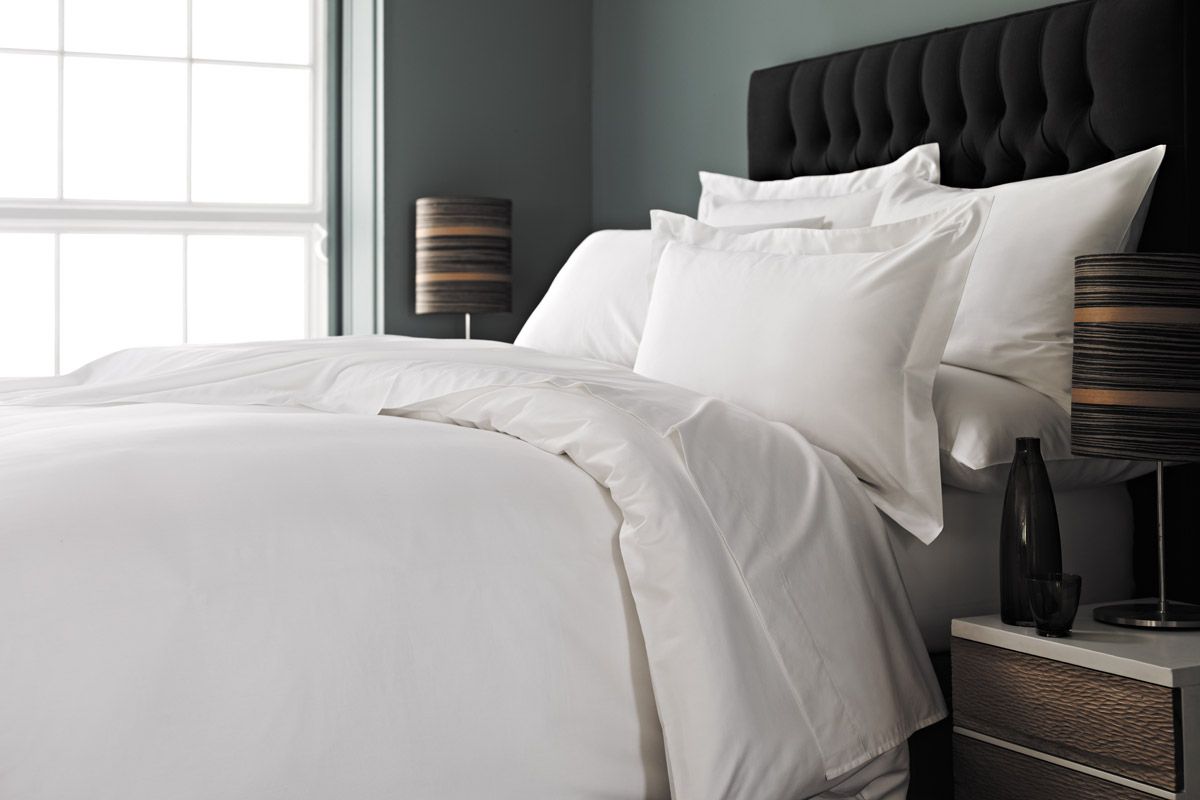
The pursuit of exceptional guest comfort is paramount in the hospitality industry. Hotels understand that a good night’s sleep is not just a desirable amenity but a fundamental expectation. This is why significant attention is paid to the selection and maintenance of their bed linens. The choice of sheets is a deliberate one, aimed at balancing durability for frequent laundering with a tactile experience that evokes a sense of indulgence and cleanliness. It’s a sophisticated interplay of material science and guest psychology, all woven into the very fabric of your stay.
The Foundation of Comfort: Fabric and Weave
The primary factor contributing to the feel of hotel sheets lies in their material and the way the fabric is woven. While the allure of incredibly high thread counts might be tempting, hotels often prioritize longevity and a specific tactile quality that is best achieved through carefully chosen natural fibers and classic weaves.
Cotton: The King of Hotel Linens
When it comes to hotel sheets, cotton reigns supreme. Its natural breathability, softness, and absorbency make it the ideal choice for bedding. However, not all cotton is created equal. Hotels typically opt for higher-quality cottons that can withstand rigorous washing cycles without losing their integrity or softness.
- Pima Cotton: Known for its extra-long staple fibers, Pima Cotton (also often referred to as Egyptian Cotton when grown in specific regions) produces exceptionally strong, soft, and durable fabrics. The longer fibers create a smoother yarn, resulting in sheets that resist pilling and feel luxuriously soft against the skin. Many high-end hotels opt for Pima or Egyptian cotton due to its superior feel and resilience.
- Supima Cotton: This is essentially a brand name for American Pima cotton, guaranteeing its origin and quality. Sheets made from Supima Cotton are renowned for their softness, strength, and vibrant color retention, making them a favored choice in luxury accommodations.
- Upland Cotton: While less luxurious than Pima or Supima, high-quality Upland cotton can also be used, especially in mid-range hotels, where a balance of comfort and cost-effectiveness is sought. Its shorter staple length makes it less soft and durable than its longer-fibered counterparts.
The Art of the Weave: Percale vs. Sateen
Beyond the type of cotton, the weave of the fabric plays a crucial role in its feel and performance. The two most common weaves found in hotels are percale and sateen.
-
Percale: This is a plain weave, characterized by one warp thread passing over one weft thread in a tight, crisscross pattern. Percale sheets are known for their crisp, cool feel, smooth matte finish, and exceptional breathability. They are often described as having a “hotel-like” coolness. Percale is durable and becomes softer with each wash, making it an excellent choice for hotels that experience high turnover and frequent laundering. This weave is particularly favored in warmer climates or by travelers who prefer a fresh, crisp sensation. Imagine the refreshing coolness you might experience at a beachfront resort in Maui.
-
Sateen: Sateen is woven with a satin weave structure, where warp threads are floated over four or more weft threads. This creates a fabric with a subtle sheen and a smoother, silkier feel than percale. Sateen sheets tend to drape beautifully and have a luxurious, slightly heavier feel. While incredibly soft and appealing, sateen can sometimes be less breathable than percale and may be more prone to snagging. It offers a different kind of luxury, often associated with more opulent hotels, perhaps like those found in Dubai.
Many hotels will strategically choose between percale and sateen based on their target demographic and the climate of their location. For instance, a resort in the Caribbean might lean towards percale for its cooling properties, while a luxury hotel in a cooler region might opt for sateen for its warmer, more decadent feel.
Thread Count: A Misunderstood Metric
The term “thread count” refers to the number of threads woven into one square inch of fabric. While it’s often touted as the ultimate indicator of sheet quality, the reality is more nuanced. A higher thread count doesn’t automatically equate to better sheets.
The Sweet Spot for Hotel Sheets
Hotels typically aim for a thread count that offers a good balance of softness, durability, and breathability. Overly high thread counts can sometimes create a fabric that is too dense, trapping heat and moisture, and making the sheets feel heavy rather than luxurious.
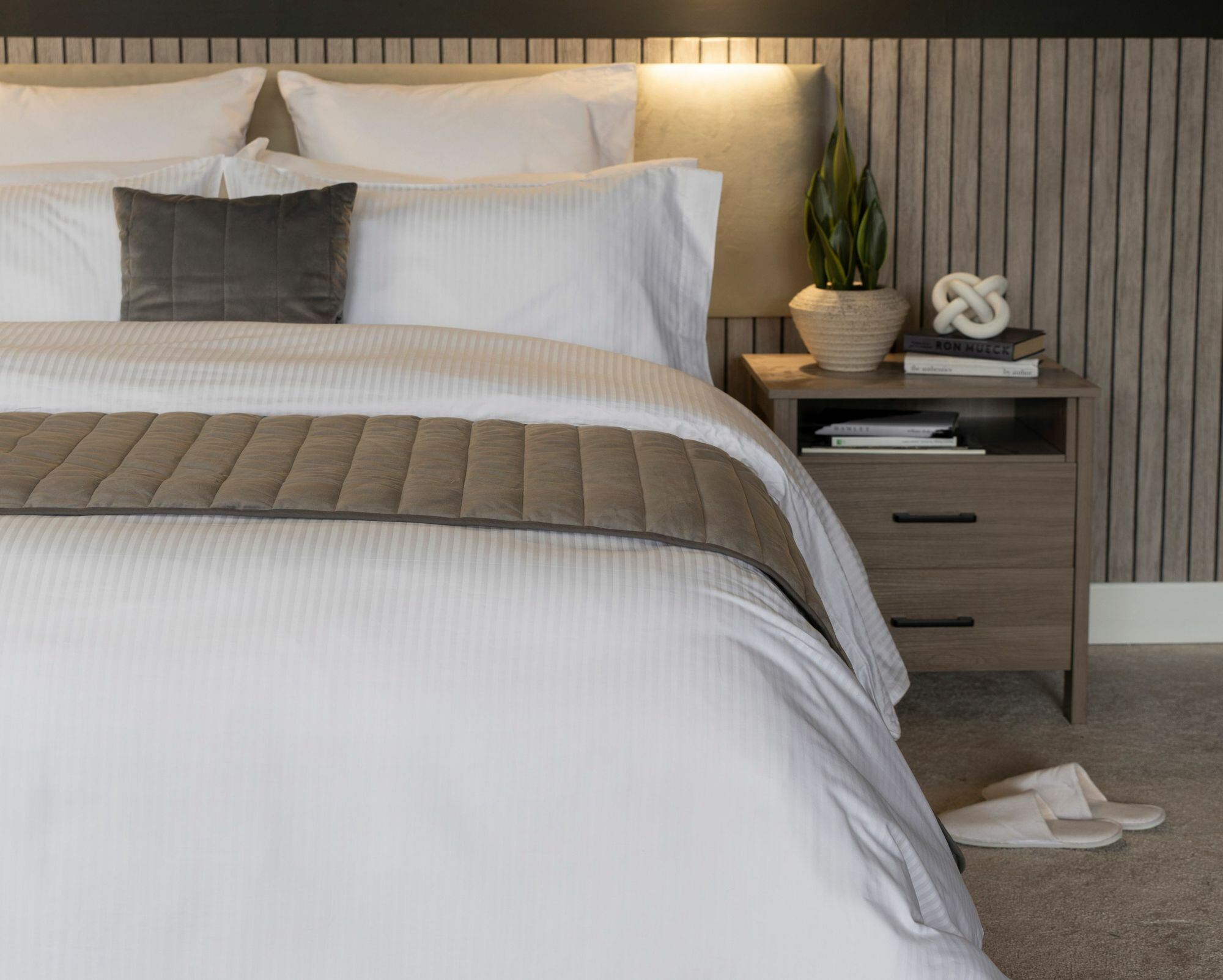
- Percale sheets generally perform well in the 200-400 thread count range. At this level, the weave is tight enough to feel smooth and durable, but still allows for excellent breathability.
- Sateen sheets often have a slightly higher thread count, typically between 300 and 600. The weave structure of sateen allows for a denser packing of threads while maintaining a soft hand.
Many hotels avoid going above 600 threads per square inch, as the benefits diminish and the fabric can become less desirable. The focus remains on using high-quality yarns and a well-executed weave rather than simply inflating the thread count. It’s about the quality of the individual threads, not just their sheer number. When you’re staying at a place like the Four Seasons Hotel, you’re experiencing a carefully curated thread count that prioritizes comfort and longevity.
The Importance of Hotel Bedding Care
Even the finest sheets will lose their appeal if not cared for properly. Hotels invest significantly in professional laundry services and meticulous care protocols to ensure their linens remain in pristine condition, contributing to that signature hotel feel.
Washing and Drying Protocols
Hotel linens undergo rigorous washing cycles designed to remove stains, sanitize, and maintain the fabric’s integrity.
- Hot Water Washing: Linens are typically washed in hot water to ensure thorough cleaning and sanitization.
- Detergents: Mild, bleach-free detergents are often used to prevent fabric damage and discoloration.
- Rinsing: Multiple rinse cycles are employed to remove all traces of detergent, which can otherwise leave a residue that stiffens the fabric and irritates the skin.
- High-Heat Drying: Sheets are often tumble-dried on high heat, which helps to kill bacteria and achieve a smooth, crisp finish. However, excessive heat can also damage fibers over time, so hotels strike a balance.
- Professional Laundering: Many larger hotel chains contract with professional laundry services that specialize in hospitality linens, utilizing industrial-grade machinery and optimized washing solutions.
Inspection and Replacement
Before sheets are returned to guest rooms, they undergo stringent inspection. Any signs of wear, such as thinning fabric, pilling, or discoloration, will result in the linen being retired from service. This commitment to quality control ensures that guests always experience the best possible bedding. This dedication to freshness and quality is a cornerstone of the guest experience, whether you’re in a bustling city like New York or a tranquil countryside retreat.
Bringing the Hotel Experience Home
Inspired by the luxurious comfort of hotel sheets? You don’t need to book a stay at a five-star establishment to enjoy that feeling. Understanding the principles behind hotel bedding can empower you to make informed choices for your own home.
What to Look For When Buying Hotel-Style Sheets
When shopping for sheets that mimic the hotel experience, keep the following in mind:
- Fabric: Opt for 100% cotton, preferably Pima, Supima, or high-quality Egyptian cotton. If you prefer a smoother, silkier feel, look for sateen weave, but if you value breathability and a crisp feel, choose percale.
- Thread Count: For percale, aim for 200-400 threads. For sateen, 300-600 threads is a good range. Don’t be swayed by counts exceeding 600 unless it’s a reputable brand that clearly explains its construction.
- Weave: Decide whether you prefer the crisp, cool feel of percale or the smooth, lustrous feel of sateen.
- Color: Most hotels opt for pristine white sheets. This color is not only associated with cleanliness and purity but also allows for the use of hot water and bleach in laundering without damaging the fabric color. White sheets also reflect light, making the bed appear more inviting.
- Construction: Look for well-constructed sheets with durable stitching. Deep pockets are also a plus for accommodating thicker mattresses.
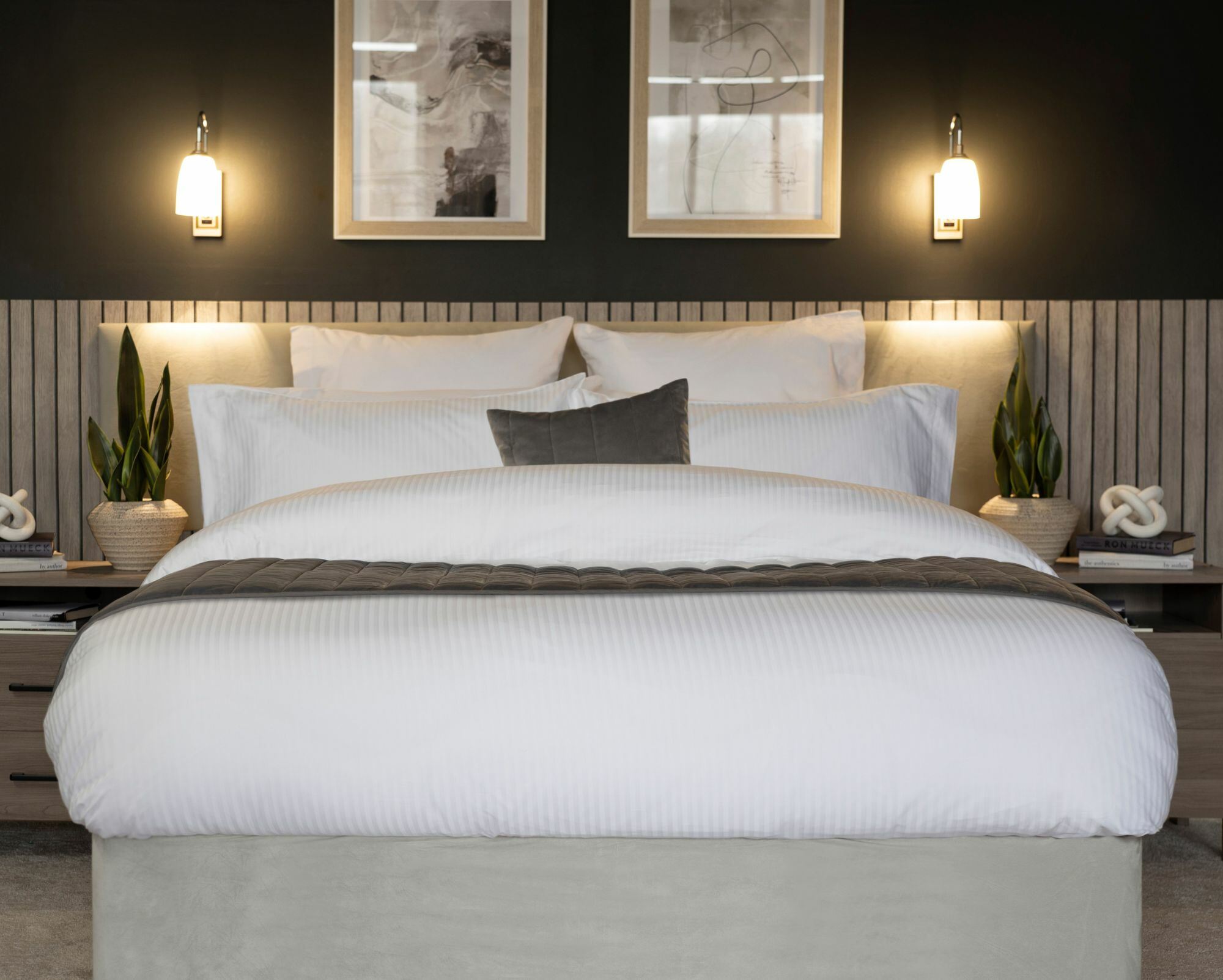
Caring for Your Home Linens
To maintain the quality and feel of your sheets, follow similar care instructions to those used in hotels:
- Wash Separately: Wash your sheets separately from other laundry items, especially towels, which can cause pilling.
- Use Cold or Warm Water: While hotels often use hot water, using cold or warm water for home laundry can help preserve the fabric’s integrity and prevent shrinkage.
- Mild Detergent: Opt for a mild, bleach-free detergent.
- Avoid Fabric Softeners: Fabric softeners can coat the fibers, reducing breathability and potentially damaging the material over time.
- Tumble Dry Low or Air Dry: A low heat setting for tumble drying or air drying will help prevent damage.
- Ironing (Optional): For that extra crisp finish, iron your sheets while they are slightly damp.
By understanding the materials, weaves, and care that go into creating luxurious hotel bedding, you can confidently select sheets for your own home that will transform your bedroom into a personal sanctuary of comfort, reminiscent of your best stays at destinations like Venice or exploring the natural beauty of Banff National Park. The secret to that signature hotel sleep isn’t an elusive mystery, but rather a testament to thoughtful material selection and meticulous care.
LifeOutOfTheBox is a participant in the Amazon Services LLC Associates Program, an affiliate advertising program designed to provide a means for sites to earn advertising fees by advertising and linking to Amazon.com. Amazon, the Amazon logo, AmazonSupply, and the AmazonSupply logo are trademarks of Amazon.com, Inc. or its affiliates. As an Amazon Associate we earn affiliate commissions from qualifying purchases.