
Traveling to new destinations offers unparalleled excitement, the thrill of discovery, and the joy of creating lasting memories. However, as discerning travelers, part of our preparation often involves understanding the local landscape, and that includes health considerations. When planning a trip to the vast and diverse Lone Star State, a common and very practical question arises: “What sickness is going around in Texas right now?” This question isn’t born of fear, but rather a responsible approach to ensuring a safe, healthy, and uninterrupted travel experience. Texas, with its sprawling cities, captivating natural landscapes, and vibrant cultural hubs, is a popular destination for both domestic and international visitors. Understanding the prevailing health concerns can help you pack appropriately, plan your activities wisely, and respond effectively should you or a travel companion feel unwell.
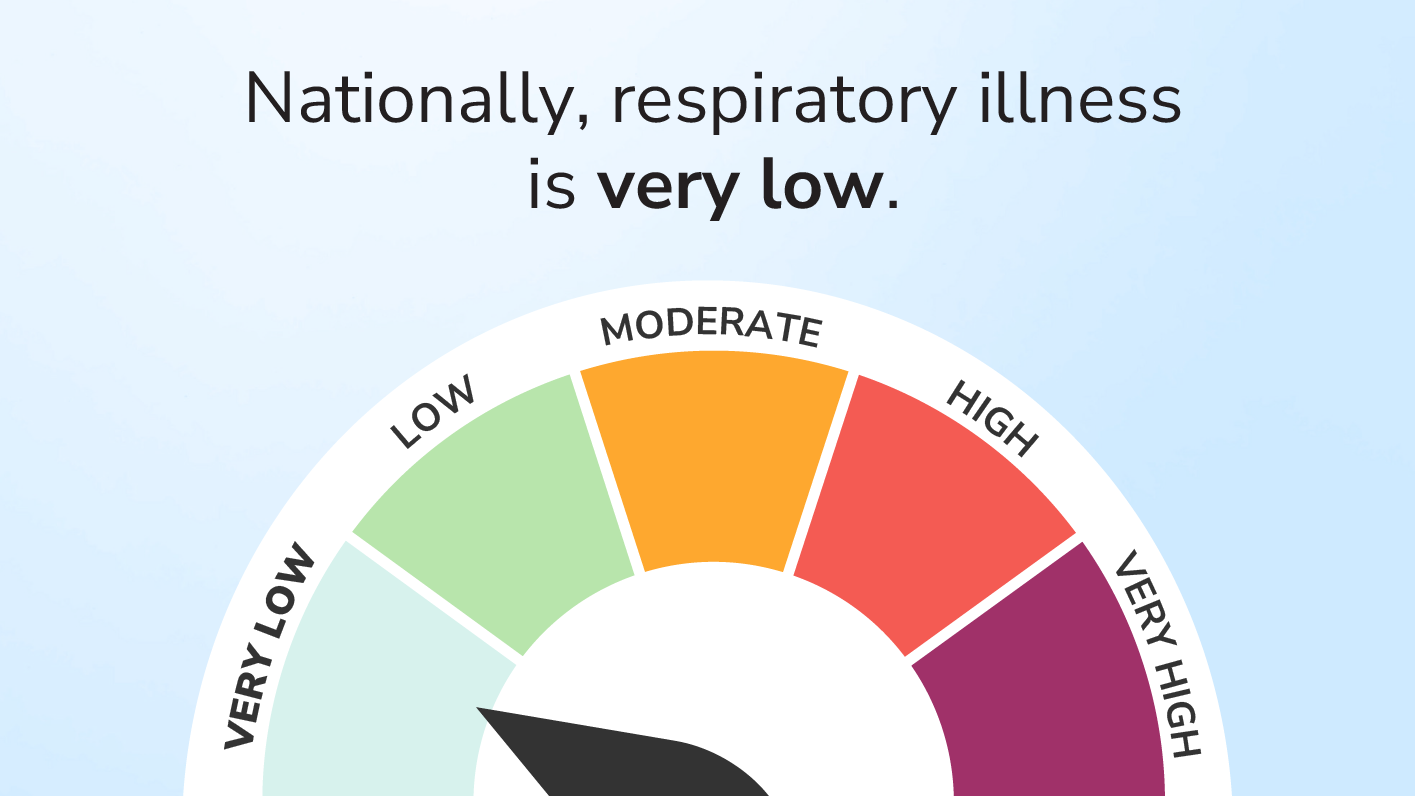
This article delves into the current health climate in Texas, focusing on common ailments that travelers might encounter. We’ll explore how these might impact your travel plans and provide practical advice on staying healthy while exploring everything from the bustling streets of Austin to the historic sites of San Antonio and the coastal charm of Galveston.
Understanding Current Health Landscape for Travelers
Like any large state or region, Texas experiences seasonal fluctuations in various illnesses. The sheer size and varied climate of Texas, stretching from arid deserts in the west to humid subtropics along the Gulf Coast, mean that health concerns can differ slightly depending on your specific destination and the time of year. However, some common threads persist, particularly concerning respiratory and environmentally-related illnesses.
The Usual Suspects: Seasonal Respiratory Illnesses
Throughout much of the year, and particularly during cooler months (fall through spring), respiratory illnesses are the most prevalent health concerns across Texas. These typically include:
- Influenza (Flu): Seasonal flu outbreaks are a regular occurrence, with varying severity each year. Symptoms usually involve fever, cough, sore throat, muscle aches, and fatigue. The flu can be particularly debilitating, affecting energy levels and making strenuous activities, or even simple sightseeing, challenging.
- Respiratory Syncytial Virus (RSV): While often more severe in infants and the elderly, RSV can affect people of all ages, causing cold-like symptoms and sometimes leading to more serious respiratory issues like bronchiolitis or pneumonia. Travelers, especially those with young children or underlying health conditions, should be aware of RSV trends.
- Common Cold Viruses: Numerous viruses cause the common cold, leading to sniffles, sneezes, and general malaise. While usually mild, a cold can still detract from your travel enjoyment, especially when you’re trying to explore attractions or engage in outdoor activities.
- COVID-19: The SARS-CoV-2 virus, which causes COVID-19, continues to circulate. While severity has decreased for many due to vaccination and prior exposure, it can still cause significant illness, especially in vulnerable populations. Symptoms range from mild cold-like symptoms to severe respiratory distress. Travelers should monitor local transmission rates and remain mindful of public health guidance.
These respiratory illnesses spread primarily through airborne droplets when an infected person coughs, sneezes, or talks, making crowded indoor spaces (like airports, museums, restaurants, and entertainment venues) common transmission points.
Other Health Considerations in the Lone Star State
Beyond respiratory viruses, Texas’ unique geography and climate present other health considerations for travelers:
- Allergies: Texas is famous (or infamous) for its robust allergy seasons. Depending on the time of year, pollen from trees (like cedar, oak, and pecan), grasses, and weeds can be extremely high. Travelers prone to seasonal allergies should check local pollen counts and bring appropriate medication. The “cedar fever” season in central Texas during winter is a notable example, often mistaken for a cold or flu due to its intense symptoms.
- Heat-Related Illnesses: During the spring, summer, and even into early fall, Texas can experience extreme heat. Heat exhaustion and heatstroke are serious risks, especially for those unaccustomed to high temperatures and humidity. Symptoms include heavy sweating, weakness, dizziness, headache, and nausea. Staying hydrated and avoiding prolonged exposure during peak heat hours are crucial.
- Mosquito-Borne Illnesses: While less common for the average tourist, certain mosquito-borne diseases like West Nile Virus, and occasionally Zika or dengue (especially in southern regions), are present. Mosquito activity peaks during warmer, wetter months. Travelers engaging in outdoor activities, particularly near standing water, should use insect repellent.
- Foodborne Illnesses: As with any travel, exercising caution with food and water is always wise. While Texas has high food safety standards, consuming street food or eating at less reputable establishments always carries a slight risk of stomach upset.
- Outdoor-Related Risks: For those venturing into Texas’ wilder areas, such as Big Bend National Park or Guadalupe Mountains National Park, awareness of venomous snakes, spiders, and other wildlife is important. Ticks can also transmit diseases like Lyme disease or Rocky Mountain spotted fever, so checking for ticks after hiking is a good practice.
Travelers should consult resources like the Centers for Disease Control and Prevention (CDC) and the Texas Department of State Health Services (DSHS) for the most up-to-date local health advisories and surveillance reports before and during their trip.
Navigating Texas Safely: Pre-Trip Planning and Precautions
A healthy trip to Texas begins long before you even set foot in the state. Proactive planning and smart precautions can significantly reduce your risk of falling ill and ensure your journey is as enjoyable and memorable as possible.
Health-Conscious Packing and Preparation

- Vaccinations: Ensure all your routine vaccinations are up-to-date, including your flu shot, measles-mumps-rubella (MMR), tetanus, and any other recommended immunizations. Consider the COVID-19 vaccine and boosters as well. These provide a critical layer of defense against common infectious diseases.
- Personal Health Kit: Pack a small travel-sized health kit. This should include:
- Over-the-counter medications: Pain relievers (e.g., ibuprofen, acetaminophen), allergy medication, antacids, and anti-diarrhea medication.
- Prescription medications: Ensure you have enough of any prescription drugs for your entire trip, plus a few extra days’ supply, carried in their original containers.
- Sanitization supplies: Hand sanitizer (at least 60% alcohol), disinfectant wipes for surfaces, and tissues.
- First-aid essentials: Band-aids, antiseptic wipes, and any personal items for minor cuts or scrapes.
- Hydration Gear: Especially if traveling during warmer months, bring a reusable water bottle. Staying hydrated is paramount to preventing heat-related illnesses, particularly when exploring cities like Houston or enjoying outdoor activities.
- Sun Protection: Sunscreen, a wide-brimmed hat, and sunglasses are essential year-round in much of Texas due to strong UV radiation.
- Appropriate Clothing: Pack layers of clothing to adapt to rapidly changing Texas weather. If venturing outdoors, consider long-sleeved shirts and pants for sun and insect protection.
Choosing Your Texas Destinations and Activities Wisely
The type of activities you plan can influence your health risk.
- Urban Explorations: In cities like Dallas, Austin, or San Antonio, you’ll likely spend time in museums, restaurants, shopping centers, and public transport. These are environments where respiratory viruses can spread more easily. Practice frequent handwashing, use hand sanitizer, and consider wearing a mask in crowded indoor settings, especially during peak illness seasons. When visiting attractions like the River Walk or The Alamo, be mindful of personal space.
- Outdoor Adventures: If your itinerary includes natural wonders like the deserts of West Texas or the beaches of South Padre Island, focus on preventing heat-related issues, insect bites, and injuries. Always inform someone of your hiking plans, carry enough water, and be aware of local wildlife.
- Accommodation Choices: When booking hotels, resorts, or other accommodation, consider facilities that promote cleanliness and health. Look for options with good ventilation, and if you have specific health concerns, inquire about their cleaning protocols. While Texas offers a vast array of choices, from luxury suites to quaint villas, prioritizing a clean and comfortable environment is key for maintaining wellness.
Remember that Texas’ cultural and culinary scenes are incredible. Enjoy the local food, but if you have a sensitive stomach, consider starting with well-cooked dishes and bottled water, especially if you’re trying street food in bustling markets.
What to Do If You Fall Ill While Traveling in Texas
Even with the best preparation, sometimes illness can strike. Knowing how to react can minimize disruption and ensure you receive appropriate care.
Seeking Medical Assistance
- Mild Symptoms: For mild cold or allergy-like symptoms, your packed over-the-counter medications might suffice. Rest, stay hydrated, and monitor your symptoms. Many pharmacies in Texas (like CVS or Walgreens) have walk-in clinics for minor ailments.
- Moderate Symptoms/Urgent Care: If symptoms worsen or persist, or if you suspect something more serious like the flu or COVID-19, seek medical attention. Texas has an extensive network of urgent care centers across its cities and even many smaller towns. These centers are excellent for non-life-threatening conditions that require prompt attention but don’t warrant an emergency room visit. They can often provide testing, diagnoses, and prescriptions.
- Emergency Situations: For severe symptoms such as difficulty breathing, persistent chest pain, sudden dizziness, severe vomiting, or signs of heatstroke, call 911 immediately or go to the nearest hospital emergency room. Major cities like Houston boast world-class medical facilities, including the Texas Medical Center, which is the largest medical complex in the world.
- Travel Insurance: Before your trip, ensure you have comprehensive travel insurance that covers medical emergencies, hospital stays, and potentially medical evacuation. Understand your policy’s terms regarding deductibles and approved providers.
Adjusting Your Accommodation and Travel Plans
If you become ill, it’s crucial to prioritize your health and consider the well-being of others.
- Isolate and Rest: If you have contagious symptoms (like fever, cough, or sore throat), try to self-isolate in your hotel room to prevent further spread. Inform your hotel staff if you need anything brought to your room.
- Communicate with Travel Companions: Keep your travel group informed of your condition and avoid close contact to prevent them from getting sick.
- Modify Itinerary: Be prepared to cancel or postpone activities, tours, and restaurant reservations. Most importantly, avoid traveling further if you are feeling unwell, especially on public transport or flights.
- Extend Your Stay (If Necessary): If you’re too ill to travel, you may need to extend your accommodation. Contact your hotel or booking provider as soon as possible to discuss options. Your travel insurance might cover these additional costs.
Remember that staying home when sick is a responsible choice for both your recovery and the health of the community you’re visiting. Many attractions, such as Space Center Houston or the Dallas Arts District, can be enjoyed another time when you are feeling better.
Texas Travel: A Balanced Perspective
Despite the discussions around potential illnesses, it’s vital to maintain a balanced perspective. Texas remains an incredibly safe and welcoming destination for millions of visitors annually. The vast majority of travelers enjoy their time in the Lone Star State without encountering significant health issues. The key lies in being informed, prepared, and adopting common-sense health practices.
The Enduring Appeal of Texas Tourism
Texas offers an immense range of experiences that cater to every type of traveler. From its unique landmarks and rich history to its vibrant culture, diverse landscapes, and delicious food, there’s always something to discover. Whether you’re exploring the historic Stockyards National Historic District in Fort Worth, enjoying live music in Austin, or learning about space exploration in Houston, the state provides an unforgettable backdrop for your adventures.
The focus on health simply adds another layer to responsible travel planning. By understanding current health trends, taking preventative measures, and knowing how to respond if you fall ill, you empower yourself to travel more confidently. Texas is a magnificent place, and with a little preparation, your visit can be both healthy and filled with incredible memories. Safe travels!
LifeOutOfTheBox is a participant in the Amazon Services LLC Associates Program, an affiliate advertising program designed to provide a means for sites to earn advertising fees by advertising and linking to Amazon.com. Amazon, the Amazon logo, AmazonSupply, and the AmazonSupply logo are trademarks of Amazon.com, Inc. or its affiliates. As an Amazon Associate we earn affiliate commissions from qualifying purchases.