
Navigating the Winter Landscape: Your Guide to Open Ski Resorts
The crisp winter air, the exhilarating rush of gliding down powdery slopes, and the cozy warmth of a lodge afterwards – these are the quintessential elements of a memorable ski vacation. As the snow begins to fall and the temperatures drop, the perennial question arises: “What ski resorts are open?” This inquiry is the gateway to planning your perfect winter escape, whether you’re a seasoned expert seeking challenging descents or a beginner eager to learn the ropes. This guide aims to demystify the opening status of ski resorts, providing insights into the factors that influence their operations and highlighting key regions and destinations that are typically among the first to welcome skiers and snowboarders.
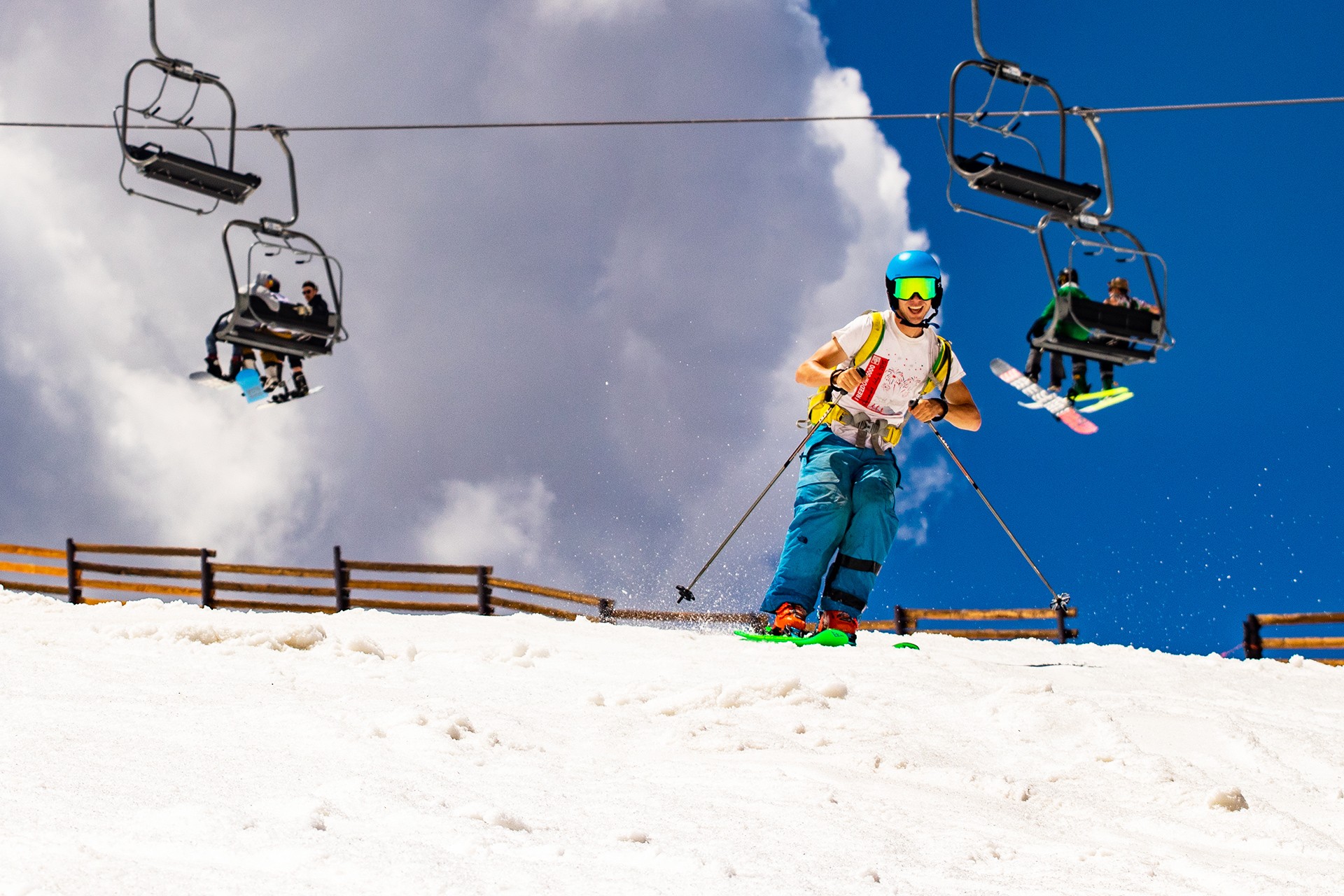
The opening of ski resorts is a delicate dance between nature’s whims and operational readiness. While the ideal scenario is a natural snowfall blanketing the mountains, modern resorts often supplement this with extensive snowmaking capabilities. However, even the most advanced snowmaking systems require specific temperature thresholds to operate efficiently. Therefore, early season openings are frequently concentrated in regions with naturally colder climates and higher elevations, where the snow reliably sticks and the temperatures are conducive to both natural snowfall and artificial production.
Early Season Skiing: Where to Find the First Tracks
For those eager to hit the slopes as soon as possible, a few regions consistently emerge as frontrunners. These destinations often boast a combination of high altitudes, consistent cold weather, and proactive snow management strategies, making them reliable choices for early-season skiing.
The Rocky Mountains: A Reliable Winter Haven
The Rocky Mountains of North America are a perennial favorite for early winter snow. States like Colorado and Utah are renowned for their high-altitude resorts that often open their doors in November, and sometimes even late October.
Colorado: The Centennial State’s Snowy Peaks
Colorado is home to some of the highest ski resorts in North America, with many peaks exceeding 10,000 feet. This elevation is a significant advantage in attracting early snow. Resorts like Arapahoe Basin and Loveland Ski Area are often among the first to open in the United States, capitalizing on their lofty positions. Their commitment to snowmaking also ensures that even if natural snowfall is a little late, they can prepare a few key runs for eager visitors. Further up the I-70 corridor, destinations such as Breckenridge and Vail also typically open in mid-to-late November, offering a wider range of terrain and amenities. The town of Aspen, while known for its luxury, also sees its resorts, including Aspen Mountain, opening in November, providing a sophisticated start to the ski season.
Utah: The “Greatest Snow on Earth”
Utah proudly boasts the slogan “The Greatest Snow on Earth,” and for good reason. Its dry, cold air contributes to light, fluffy powder that skiers and snowboarders dream of. Resorts in the Wasatch Range, just a short drive from Salt Lake City, are typically among the earliest to open. Snowbird and Alta Ski Area, known for their challenging terrain and abundant snowfall, often commence operations in mid-to-late November. Further south, Park City Mountain Resort, the largest ski resort in the United States, also gears up for an early opening, offering a vast expanse of groomed runs and excellent amenities.
The Sierra Nevada: California’s Winter Playground
While perhaps more famously associated with summer activities, the Sierra Nevada mountain range in California also offers early-season skiing, particularly at its higher elevation resorts.
Lake Tahoe: Iconic Views and Early Snow
The Lake Tahoe region benefits from the lake’s moderating effect on temperatures, but its significant elevations still allow for early snow accumulation. Resorts like Palisades Tahoe (formerly Squaw Valley and Alpine Meadows) and Northstar California Resort are often among the first in the California side of the Sierras to open, typically in late November. Their extensive snowmaking operations play a crucial role in ensuring a consistent base, even in the absence of significant natural snowfall. For those looking for a more laid-back experience, Heavenly Mountain Resort on the Nevada side also aims for a late November opening, offering stunning views of the lake.
Mid-Season Operations: Expanding Horizons
As the winter progresses into December and January, the number of open ski resorts expands dramatically. This is the peak season for many destinations, offering the widest variety of open terrain, optimal snow conditions, and a full range of resort activities.
The Northeast: Classic Skiing Experiences
The Northeast of the United States is dotted with numerous ski resorts that offer classic New England charm and challenging, often icy, conditions. While the season may start later than in the Rockies, by mid-season, most resorts are fully operational.

Vermont: The Green Mountain State’s Snowy Slopes
Vermont is a premier ski destination in the Northeast, known for its picturesque villages and excellent ski resorts. By December, resorts like Stowe Mountain Resort, Killington Resort (often dubbed the “Beast of the East” for its size and challenging terrain), and Okemo Mountain Resort are typically fully operational, boasting extensive trail networks and advanced snowmaking capabilities.
New Hampshire and Maine: Diverse Terrain and Family Fun
New Hampshire and Maine also offer a wealth of ski resorts that are fully open by mid-winter. Wildcat Mountain in New Hampshire is known for its challenging steeps and stunning views of Mount Washington, while Sunday River in Maine offers a vast array of slopes catering to all skill levels. These resorts provide a quintessential Northeast skiing experience, often with a focus on family-friendly activities.
The Pacific Northwest: Volcanic Peaks and Coastal Snow
The Pacific Northwest of the United States, particularly Washington and Oregon, is characterized by its dramatic volcanic peaks that receive significant snowfall.
Washington: Alpine Adventures on Majestic Mountains
Washington boasts several iconic ski resorts situated on stratovolcanoes. By mid-season, resorts like Mount Rainier National Park (though it has no official ski resorts, surrounding areas offer opportunities), Crystal Mountain Resort with its stunning views of Mount Rainier, and Stevens Pass Resort are usually fully open, providing access to vast amounts of terrain and often deep powder.
Oregon: Snow on the Cascades
Oregon features several high-elevation resorts that are reliable mid-season destinations. Mount Hood SkiBowl, Timberline Lodge (famous for its appearance in “The Shining”), and Mt. Bachelor near Bend are typically fully operational, offering diverse terrain and breathtaking scenery.
Late Season Skiing: Chasing the Spring Snow
As spring approaches, the focus shifts from surviving the cold to enjoying longer days and softer snow. While some resorts begin to close as the weather warms, many high-altitude destinations and those with advanced snowmaking continue to offer skiing well into April, and sometimes even May or June.
High-Altitude Havens for Extended Seasons
Resorts situated at the highest elevations are naturally more resilient to warming temperatures. Their ability to maintain snowpack and continue snowmaking operations for longer periods makes them ideal for late-season enthusiasts.
The Colorado Rockies: Still Grabbing Powder
Colorado continues to shine in the late season. Resorts like Arapahoe Basin and Winter Park Resort are known for their commitment to extending the season, often staying open into June. Their high base elevations and strategic snowmaking ensure that even as the lower elevations green up, the slopes remain covered. Breckenridge also typically offers skiing through late May or early June, providing ample opportunities for spring skiing.
The Canadian Rockies: Glacial Skiing and Stunning Vistas
While not always the first to open, Canadian resorts in the Canadian Rockies often boast exceptionally long seasons due to their glacial terrain and high altitudes. Sunshine Village near Banff famously offers “SkiBig3,” a collection of resorts that includes Lake Louise Ski Resort and Mt. Norquay, with Sunshine Village itself often remaining open until May. For those seeking the ultimate late-season experience, the Marmot Basin resort in Jasper National Park also provides opportunities for spring skiing into May.
Staying Informed: Your Best Resource
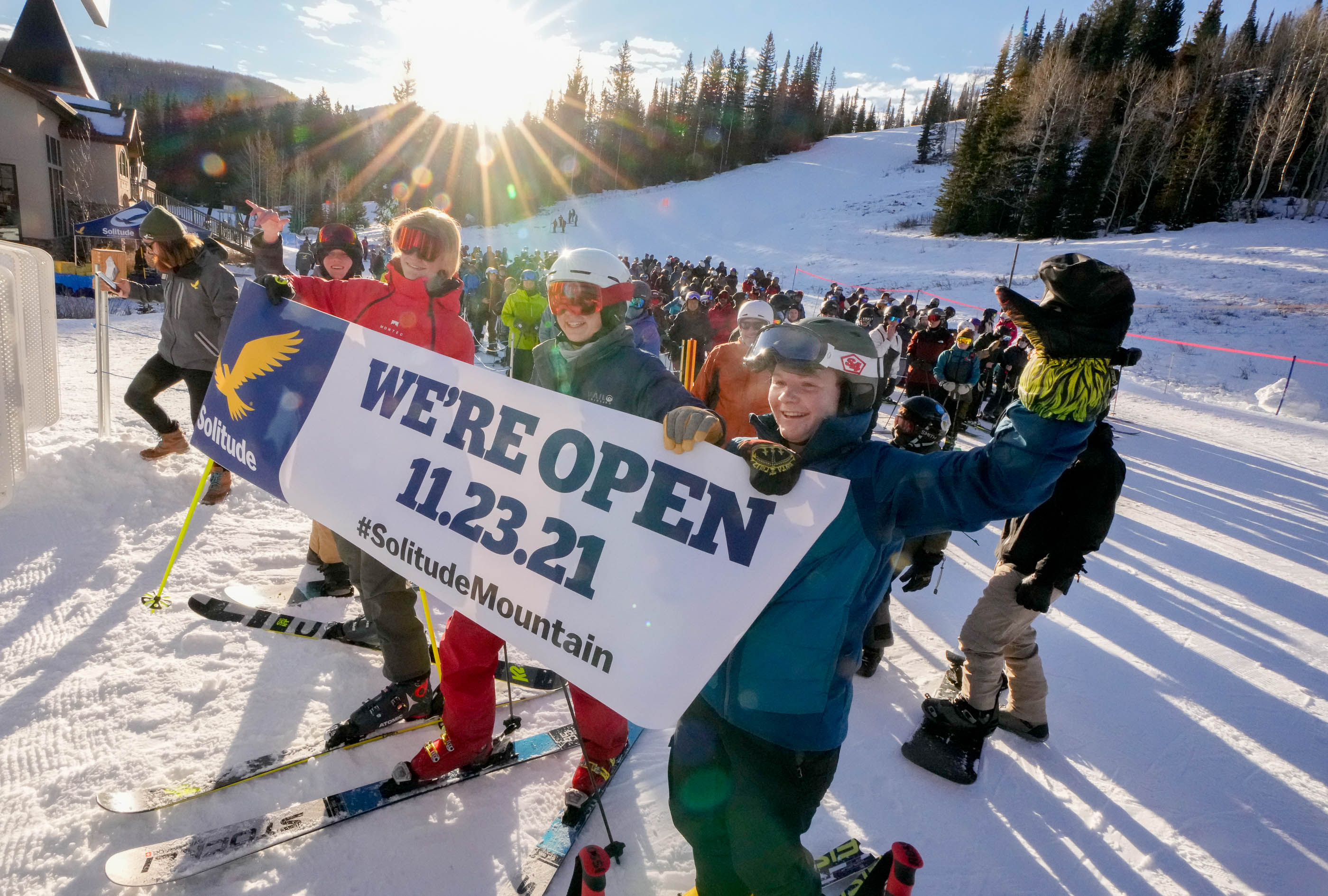
The opening and closing dates of ski resorts can fluctuate based on a variety of factors, including weather patterns, snow accumulation, and operational decisions. Therefore, the most reliable way to determine which ski resorts are currently open is to consult their official websites. Most resorts provide real-time updates on snow conditions, lift operations, and trail status. Additionally, numerous ski and snowboarding publications and websites offer comprehensive season-opening forecasts and condition reports. Planning your ski trip with up-to-date information will ensure a seamless and enjoyable experience on the slopes, allowing you to make the most of winter’s exhilarating offerings.
LifeOutOfTheBox is a participant in the Amazon Services LLC Associates Program, an affiliate advertising program designed to provide a means for sites to earn advertising fees by advertising and linking to Amazon.com. Amazon, the Amazon logo, AmazonSupply, and the AmazonSupply logo are trademarks of Amazon.com, Inc. or its affiliates. As an Amazon Associate we earn affiliate commissions from qualifying purchases.