
California, a state synonymous with sunshine, entertainment, and innovation, also holds a complex and evolving landscape when it comes to sports betting. While the allure of placing a wager on the Golden State Warriors or the Los Angeles Dodgers is strong, understanding the legal framework is crucial for both residents and visitors. This guide delves into the current status of sportsbooks in California, navigating the intricate legal pathways and potential future developments.
The Current Legal Landscape: A Restricted Market
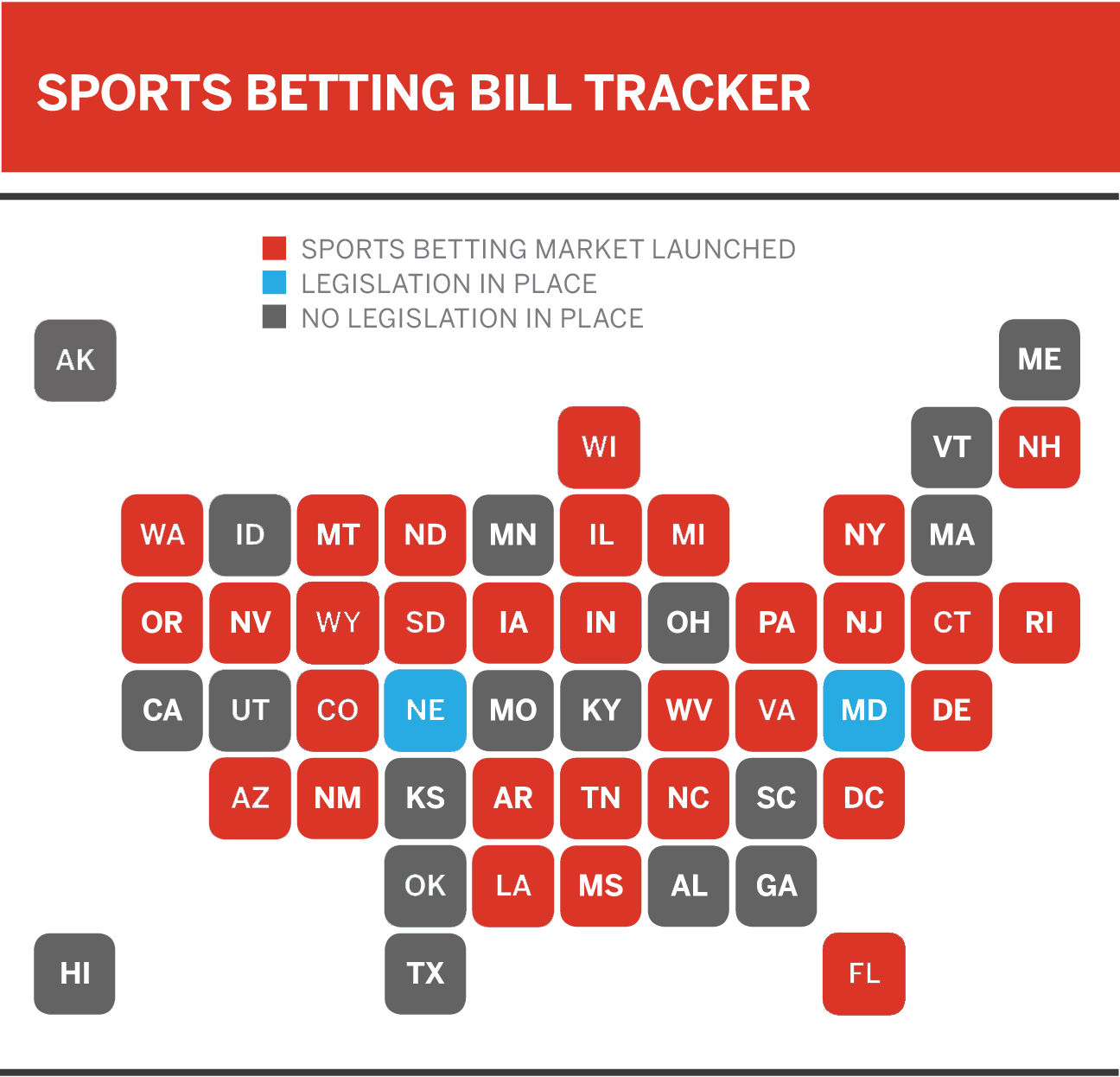
As of the current writing, California does not offer widespread legal, regulated sports betting in the way many other U.S. states do. This means you won’t find traditional brick-and-mortar sportsbooks operating within the state’s casinos or professional sports stadiums, nor are there state-licensed online sports betting platforms available for general public use.

Tribal Gaming and the Roadblocks
The primary entities involved in the push for sports betting legalization in California have been the state’s numerous Native American tribes. These sovereign nations operate a significant number of tribal casinos across the state, including popular destinations like Pechanga Resort Casino in Temecula and San Manuel Casino in Highland.
The tribes have argued that sports betting is a natural extension of their existing gaming operations. However, proposals to allow sports betting have faced considerable challenges, primarily stemming from:
- Rivalry with Card Rooms: California has a distinct legal framework for gambling that separates tribal casinos from card rooms. Card rooms, which are not permitted to offer traditional casino games like blackjack or craps, have historically opposed any expansion of tribal gaming that could draw customers away. Sports betting, in their view, could fall into this category.
- Broader Gambling Interests: Various stakeholders, including professional sports leagues and potentially other gambling operators, have also sought to have their interests represented in any legislative framework. This has led to a complex web of competing agendas.
- Voter Initiatives and Ballot Measures: The path to legalizing sports betting in California has largely been through voter initiatives. These are expensive to fund and require a significant number of signatures to even get on the ballot. In recent years, several ambitious initiatives have been put forth, but they have either failed to gather enough signatures or have been unsuccessful at the polls.
The Role of Online Platforms
While no state-licensed online sportsbooks are legal in California, it is important to acknowledge that offshore online sports betting sites do exist and are accessible to residents. However, using these platforms carries inherent risks. They are not regulated by California authorities, meaning players have limited recourse in case of disputes, payout issues, or security breaches. Furthermore, their legality within California is a gray area, and individuals engaging with them do so at their own peril, without the consumer protections afforded by regulated markets.
Past and Present Ballot Measures: A Tumultuous Journey
The quest for legal sports betting in California has been marked by a series of high-profile ballot measures, each representing a significant effort by various factions to shape the future of gambling in the state.
Proposition 26 (2022): Tribal-Focused Retail Betting
In November 2022, California voters considered Proposition 26. This measure was primarily backed by a coalition of Native American tribes. Its core proposal was to allow in-person sports betting at tribal casinos and licensed horse racing tracks.
Key features of Proposition 26 included:
- Retail Sports Betting: The focus was on allowing wagers to be placed at physical locations.
- Expansion of Tribal Gaming: It sought to grant tribes the authority to offer sports betting and certain other card games at their gaming facilities.
- Revenue Allocation: A portion of the generated revenue was intended to fund public programs, including problem gambling initiatives and tribal government operations.
Despite significant financial backing from the tribes, Proposition 26 ultimately failed to pass. Analysts attributed its defeat to several factors, including opposition from card rooms and concerns about the potential for increased gambling access and its societal impacts.
Proposition 27 (2022): Online and Mobile Betting
Running concurrently with Proposition 26 in the November 2022 election was Proposition 27. This measure was spearheaded by a coalition of large, out-of-state online sports betting operators, often referred to as “sportsbook giants.”
Proposition 27 proposed:
- Online and Mobile Sports Betting: Its primary aim was to legalize and regulate online and mobile sports betting across the state.
- Partnerships with Tribes: To gain tribal support, the measure included provisions for tribes to partner with the out-of-state operators to offer online betting. A portion of the revenue generated would also be shared with tribes that did not participate in the online betting market.
- Significant Tax Revenue: Proponents argued that Proposition 27 would generate substantial tax revenue for the state, which could be used to fund various public services, including homelessness initiatives.
However, Proposition 27 faced even stronger opposition than Proposition 26. It was fiercely opposed by the majority of California’s Native American tribes, who viewed it as an attempt by out-of-state corporations to dominate the market and undermine tribal sovereignty. The measure also drew criticism for its potential to expand gambling access significantly. Ultimately, Proposition 27 also failed to achieve voter approval.
What This Means for Travelers and Residents
The current legal status of sportsbooks in California means that individuals looking to place sports bets have limited options within the state’s regulated framework.
Options for Tourists and Locals
- Visit Neighboring States: For those seeking a fully legal and regulated sports betting experience, traveling to neighboring states that have already legalized sports betting is the most straightforward option. States like Nevada (with its iconic casinos in Las Vegas and Reno), Arizona, and Oregon offer well-established sports betting markets, both online and in person.
- Horse Racing: While not sports betting in the traditional sense, pari-mutuel wagering on horse racing is legal and available at various tracks and off-track betting facilities across California. These include renowned venues like Santa Anita Park and Del Mar Thoroughbred Club.
- Tribal Casinos (Limited Offerings): As of now, the majority of tribal casinos in California do not offer sports betting. While some have expressed interest and been involved in legislative efforts, the passage of such measures has been elusive. It’s always advisable to check with individual tribal casinos directly if you are interested in their specific gaming offerings.
The Future of Sports Betting in California
The repeated attempts to legalize sports betting in California, despite past failures, indicate a persistent interest from various stakeholders. The financial allure of a regulated sports betting market in such a populous state is undeniable.
Several factors suggest that the debate and legislative efforts will continue:
- Economic Potential: The projected tax revenues from a legalized sports betting market are substantial, making it an attractive prospect for state lawmakers looking to fund public services.
- Tribal Interest: Native American tribes are likely to continue advocating for their right to offer sports betting as a means to enhance their economic development and gaming operations.
- Industry Evolution: As more states successfully implement regulated sports betting, the pressure on California to join the trend will likely increase.
- Potential for New Initiatives: It is highly probable that new ballot measures or legislative proposals will emerge in future election cycles, potentially with revised approaches to address the concerns that led to the failure of previous initiatives.
Travelers planning a trip to California and interested in sports betting should stay informed about any legislative changes. While the Golden State is a premier destination for entertainment and recreation, the realm of sports wagering remains a work in progress. Understanding the current limitations allows for informed planning, whether that involves exploring other legal avenues or anticipating future developments. The journey to a fully regulated sports betting market in California is ongoing, and its resolution will undoubtedly reshape the state’s already vibrant tourism and entertainment landscape.
LifeOutOfTheBox is a participant in the Amazon Services LLC Associates Program, an affiliate advertising program designed to provide a means for sites to earn advertising fees by advertising and linking to Amazon.com. Amazon, the Amazon logo, AmazonSupply, and the AmazonSupply logo are trademarks of Amazon.com, Inc. or its affiliates. As an Amazon Associate we earn affiliate commissions from qualifying purchases.