
California, a land renowned for its breathtaking natural beauty, from the towering sequoias of the Sierra Nevada to the sun-drenched beaches of its Pacific coast, has also become synonymous with a devastating natural phenomenon: wildfires. These infernos, which periodically scorch vast swathes of the state, are not singular events but rather complex interactions of environmental conditions, human activity, and historical land management practices. Understanding “what started” these fires requires a deep dive into the state’s unique ecology, evolving climate, and human footprint on its iconic landscapes.
The Evolving Landscape of Fire in California
For millennia, fire has been an intrinsic part of California’s natural cycles. Many of its native plant species are pyrogenic, meaning they require fire for germination and regeneration. However, the nature and intensity of fires have dramatically shifted, transforming from natural ecological processes to formidable threats to natural landmarks and human settlements alike.
Historical Context: A Natural Cycle Interrupted
Historically, indigenous populations, particularly tribes like the Karuk and the Yurok, practiced cultural burning for thousands of years. These intentional, low-intensity fires cleared underbrush, promoted diverse plant growth, and prevented the build-up of excessive fuel. This practice maintained a healthy, fire-resilient landscape. With European colonization and the subsequent aggressive fire suppression policies implemented over the last century, this natural balance was disrupted. The misguided belief that all fires were destructive led to the suppression of even beneficial blazes. This approach, while initially seemingly successful, inadvertently allowed vast quantities of dead vegetation and dense undergrowth—fuels—to accumulate, setting the stage for the catastrophic megafires we witness today. Areas like Yosemite National Park and sections of the Redwood National Park, once regularly thinned by natural or managed fires, now face unprecedented fuel loads, making them vulnerable.
The Role of Climate Change
While human land management practices laid the groundwork, climate change acts as a powerful accelerant. California’s Mediterranean climate naturally features hot, dry summers, but global warming has amplified these conditions. Rising temperatures lead to earlier snowmelt, longer dry seasons, and increased evaporation from soils and vegetation, turning forests and grasslands into tinderboxes. Furthermore, prolonged droughts, such as the one that gripped the state for much of the 2010s, weaken trees, making them susceptible to insect infestations (like bark beetles), which further contributes to vast expanses of dead, dry fuel. Extreme weather events, including powerful winds like the Santa Ana and Diablo winds, exacerbate fire spread, driving flames at incredible speeds across landscapes, often overwhelming initial containment efforts. These climactic shifts are altering the very character of iconic natural landmarks, threatening the survival of ancient groves and unique ecosystems.
Proximate Causes: Sparks and Ignition Sources
While environmental conditions provide the perfect stage, a spark is always needed to ignite the fire. These ignition sources fall into two broad categories: human-caused and natural.
Human Activity: Accidental and Intentional
The vast majority of wildfires in California are human-caused. This encompasses a wide range of activities, both accidental and, in rare but devastating cases, intentional. Careless discarding of cigarettes, unattended campfires, sparks from grinding or welding equipment, malfunctioning vehicle catalytic converters, agricultural burning gone awry, and even celebratory fireworks have all been documented ignition sources. The rapid expansion of urban and suburban areas into the wildland-urban interface (WUI), especially in scenic foothills and forest-adjacent regions, increases the points of contact between human activity and flammable landscapes. Even small sparks from recreational activities or everyday chores can quickly escalate into massive blazes under dry, windy conditions. Intentional arson, though less frequent, can also lead to widespread destruction, often targeting remote areas of natural beauty.
Utility Infrastructure and Equipment Failure
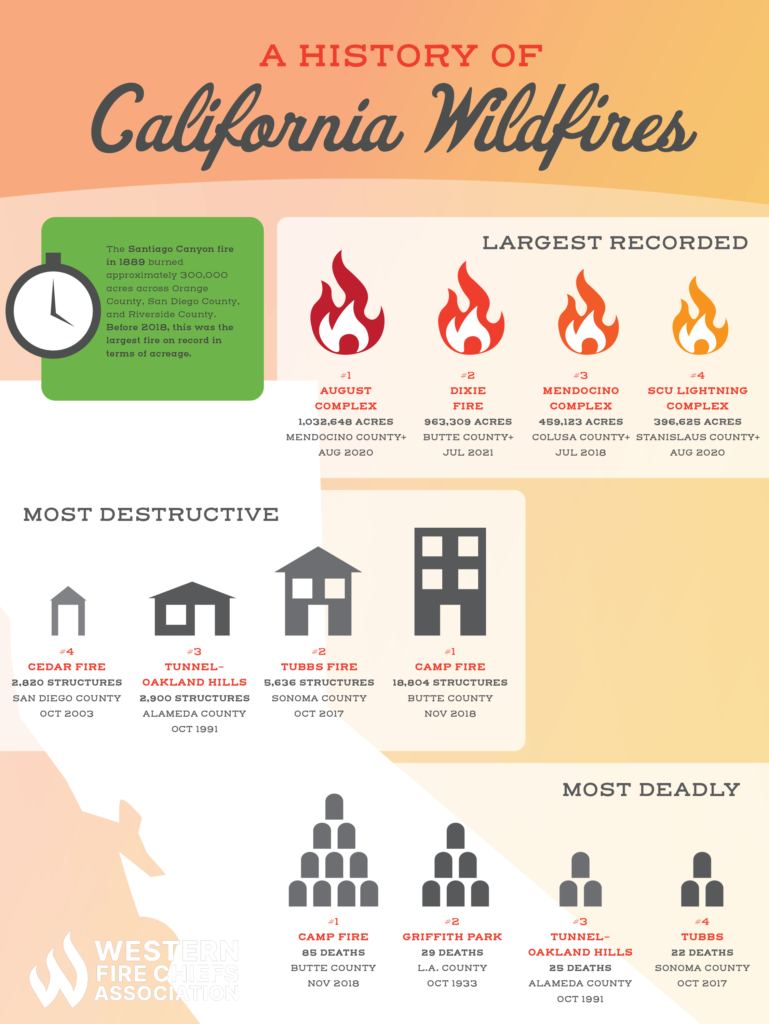
A significant and increasingly recognized cause of major California wildfires stems from utility infrastructure, specifically power lines. Aging equipment, inadequate maintenance, or extreme weather conditions (like high winds causing lines to sway and arc, or trees falling onto power lines) can generate sparks capable of igniting dry vegetation below. Several of the most destructive fires in recent memory, including the Camp Fire that devastated the town of Paradise in 2018, were attributed to electrical transmission lines. The challenge lies in managing an extensive, often remote grid of power infrastructure that traverses diverse and highly flammable landscapes, posing a constant risk to surrounding natural landmarks and communities. Utilities like Pacific Gas and Electric (PG&E) have faced immense scrutiny and billions in liabilities due to their role in ignitions.
Natural Ignitions: Lightning Strikes

While less common than human-caused fires, lightning strikes are a natural and unavoidable source of ignition, especially in California’s forested mountain ranges like the Sierra Nevada. Dry lightning storms, where thunder and lightning occur without significant rainfall, are particularly dangerous. A single storm can produce dozens or even hundreds of lightning strikes, each with the potential to start a fire. These natural ignitions often occur in remote, inaccessible areas, making early detection and containment challenging. When combined with excessive fuel loads and drought conditions, a series of lightning strikes can rapidly develop into large, complex fires, threatening pristine wilderness areas and national parks such as Kings Canyon National Park and Sequoia National Park.
Fuel Dynamics and Vegetation Management
The availability and condition of fuel are critical factors determining a fire’s intensity and spread. California’s diverse ecosystems, from chaparral to dense conifer forests, each present unique fuel challenges.
The Accumulation of Dead and Dry Biomass
Decades of fire suppression have led to an unnatural accumulation of ladder fuels—smaller plants and low-hanging branches that allow fire to climb from the forest floor into the tree canopy—and overall biomass. This creates a dense, continuous fuel bed that, when ignited, burns with extreme intensity. Instead of low-severity fires that clear undergrowth and benefit healthy ecosystems, these conditions lead to high-severity crown fires that kill mature trees and devastate soil health, hindering post-fire recovery. The dense growth also makes it harder for firefighters to access and contain blazes, prolonging their destructive path through valuable natural areas.
Forest Health and Disease
Compounding the fuel accumulation issue is declining forest health. Chronic drought stress, combined with increased temperatures, makes trees more susceptible to pest infestations like bark beetles. These beetles bore into trees, disrupting their water and nutrient transport systems, eventually killing them. Millions of acres of California’s forests, particularly in the Sierra Nevada, are now filled with standing dead trees, creating immense volumes of highly flammable fuel. This presents a massive challenge for land managers seeking to restore the health and resilience of these vital natural landmarks.
Impact on California’s Natural Landmarks and Ecosystems
Wildfires have a profound and often devastating impact on California’s iconic natural landmarks and their delicate ecosystems.
Iconic Parks and Forests Under Threat
From the ancient groves of Giant Sequoias in Sequoia National Park and Kings Canyon National Park to the diverse landscapes of Lake Tahoe and Big Sur, wildfires endanger irreplaceable natural heritage. While some species, like the Giant Sequoias, are adapted to survive low-intensity fires, the increasingly frequent and severe megafires can overwhelm their defenses, leading to unprecedented tree mortality. The loss of old-growth forests, unique plant and animal species, and the degradation of pristine wilderness areas fundamentally alter the character of these revered natural landmarks, impacting biodiversity and ecological services like water filtration and carbon sequestration.
Post-Fire Landscape: Erosion and Recovery
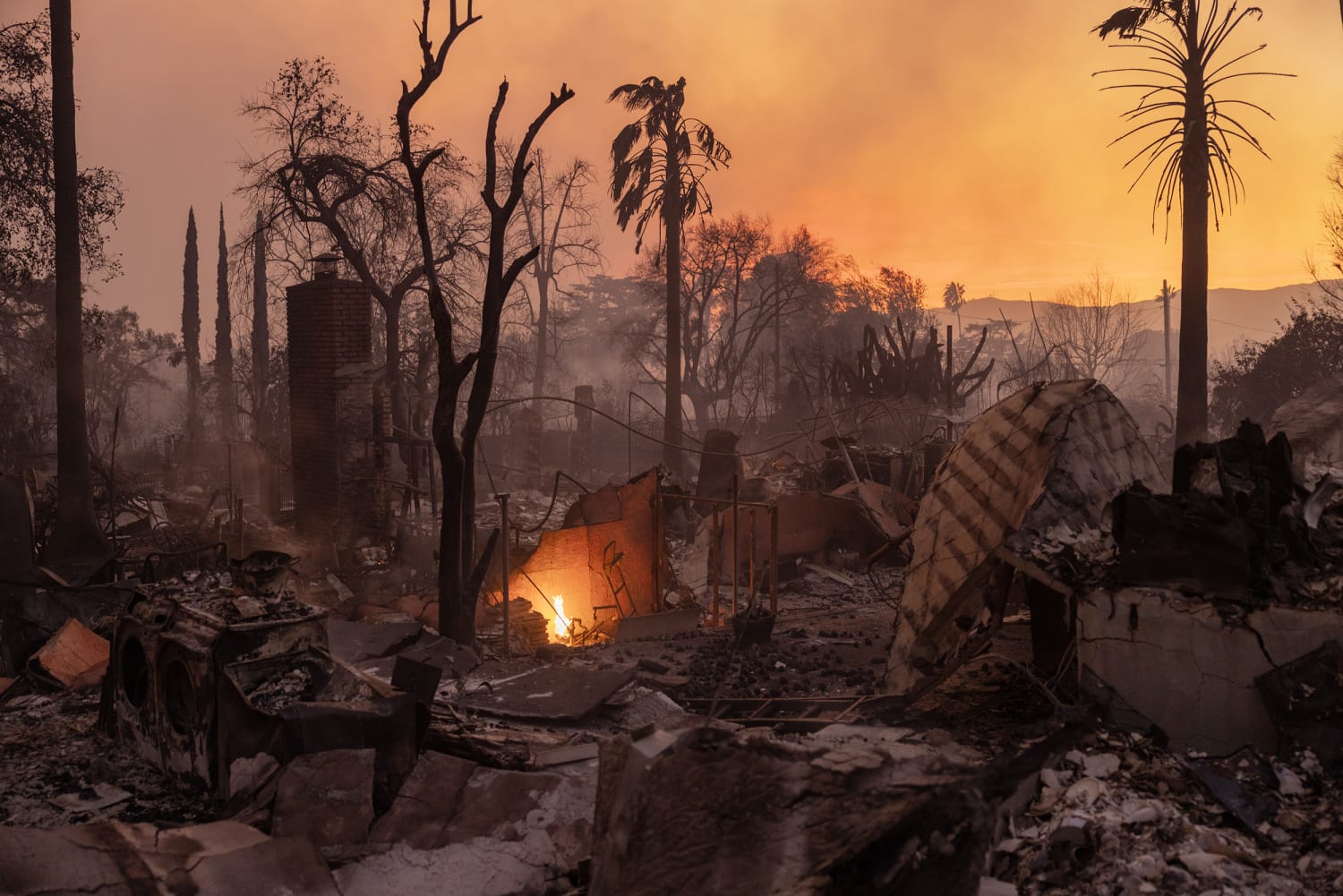
The destruction doesn’t end when the flames are extinguished. Burned landscapes are highly vulnerable to post-fire hazards. With vegetation cover removed, heavy rains can lead to severe soil erosion, mudslides, and debris flows, especially in steep terrain. These events can further damage infrastructure, pollute waterways, and dramatically reshape the land, turning vibrant hillsides into barren, unstable slopes. The long-term recovery of ecosystems is a slow and uncertain process, often requiring decades or even centuries for full regeneration, and some areas may never fully recover their original ecological composition. This transformation of the natural landscape underscores the long-lasting impact of intense wildfires.
Mitigating Future Risks and Protecting California’s Heritage
Addressing the complex origins of California’s wildfires requires a multi-faceted approach. This includes aggressive but strategic fuel management through prescribed burns and mechanical thinning, especially around critical natural landmarks and communities. Investing in resilient utility infrastructure, enforcing stricter building codes in the WUI, and public education campaigns to prevent human-caused ignitions are also crucial. Furthermore, adapting to a changing climate through forest restoration, sustainable water management, and supporting scientific research into fire behavior and ecological resilience are essential steps to protect California’s irreplaceable natural heritage for future generations. The journey to understand what started these fires is intrinsically linked to understanding how we can prevent their worst impacts and live more harmoniously with a fire-prone landscape.
LifeOutOfTheBox is a participant in the Amazon Services LLC Associates Program, an affiliate advertising program designed to provide a means for sites to earn advertising fees by advertising and linking to Amazon.com. Amazon, the Amazon logo, AmazonSupply, and the AmazonSupply logo are trademarks of Amazon.com, Inc. or its affiliates. As an Amazon Associate we earn affiliate commissions from qualifying purchases.