
The landscape of Hawaii has always been a tapestry of volcanic power and lush, tropical abundance. For centuries, the islands have stood as a testament to the resilience of nature and the richness of Polynesian culture. However, the catastrophic events of August 2023 forever changed the architectural and natural profile of the Pacific Ocean archipelago. To understand what started the fires in Hawaii, one must look beyond a single spark and examine a complex intersection of environmental history, changing land use, and extreme meteorological conditions that converged upon the island of Maui.
The Environmental Transformation of the Hawaiian Landscape
The origins of the fire are deeply rooted in the ecological shifts that have occurred across the Hawaiian Islands over the last century. Historically, the leeward sides of the islands, including West Maui, were managed through traditional indigenous agricultural practices. However, with the rise of the plantation era, massive swaths of land were converted for sugar cane and pineapple cultivation.
The Rise of Invasive Grasses
As the plantation industry declined toward the end of the 20th century, thousands of acres of formerly irrigated farmland were left fallow. In the absence of active management, these areas were quickly overtaken by non-native, invasive grass species, such as Guinea grass and buffelgrass. These species are particularly well-adapted to the fire-prone cycles of the United States West and the Pacific. These “fire-enhanced” grasses grow rapidly during the rainy season and dry out into a highly flammable fuel bed during periods of drought. By the time the fires began, approximately one-quarter of the land area in Hawaii was covered by these invasive species, creating a landscape that was essentially a tinderbox waiting for an ignition source.
Prolonged Drought and Climate Shifts
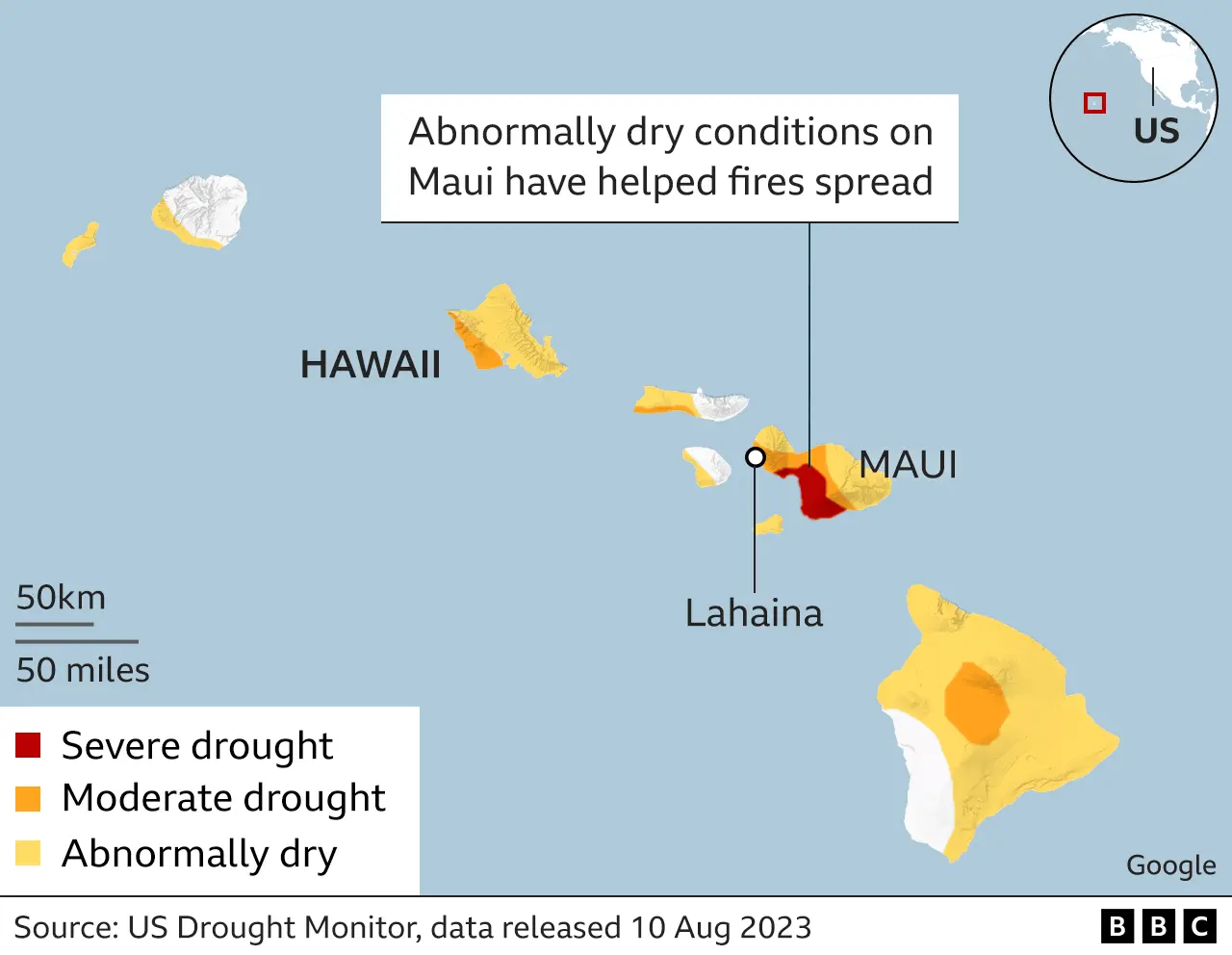
Leading up to the disaster, Maui had been experiencing a significant period of drought. The National Drought Mitigation Center had classified parts of the island, including the regions surrounding Lahaina and Kula, as being under severe drought conditions. This lack of moisture meant that the vegetation, already predisposed to burning, had reached a critical state of desiccation. In the arid environment of Upcountry Maui, the combination of low humidity and high temperatures set the stage for a fire that could move with unprecedented speed.
The Meteorological “Perfect Storm”
While the fuel was present on the ground, the velocity and intensity of the fires were driven by a unique atmospheric phenomenon. The fires in Hawaii were not merely the result of a local brush fire; they were propelled by a massive pressure gradient across the central Pacific.
The Influence of Hurricane Dora
South of the islands, Hurricane Dora, a powerful Category 4 storm, was moving westward. Although the storm was hundreds of miles away and never made landfall, its presence was felt through a significant pressure differential. To the north of Hawaii, a strong high-pressure system remained stationary. This created a funneling effect, where air rushed from the high-pressure area toward the low-pressure system of the hurricane.
Downslope Winds and the Bernoulli Effect
As these winds moved over the West Maui Mountains, they underwent a process known as adiabatic heating. As the air descended the slopes toward the coastal plains where Lahaina is situated, it compressed and heated up, further drying out the air and the fuel. The terrain acted as a nozzle, accelerating the winds to speeds exceeding 60 to 80 miles per hour. These “downslope winds” are a known hazard in mountainous island regions, but the intensity provided by the proximity of Hurricane Dora turned a common weather pattern into a catastrophic driver of flame.
The Loss of Lahaina: A Landmark of Cultural Heritage
When the fire reached the historic boundaries of Lahaina, it did not just destroy homes; it consumed some of the most significant landmarks in the Kingdom of Hawaii. Lahaina was once the royal capital and a pivotal whaling port, and its streets were a living museum of Hawaiian history.
The Architectural Legacy of Front Street
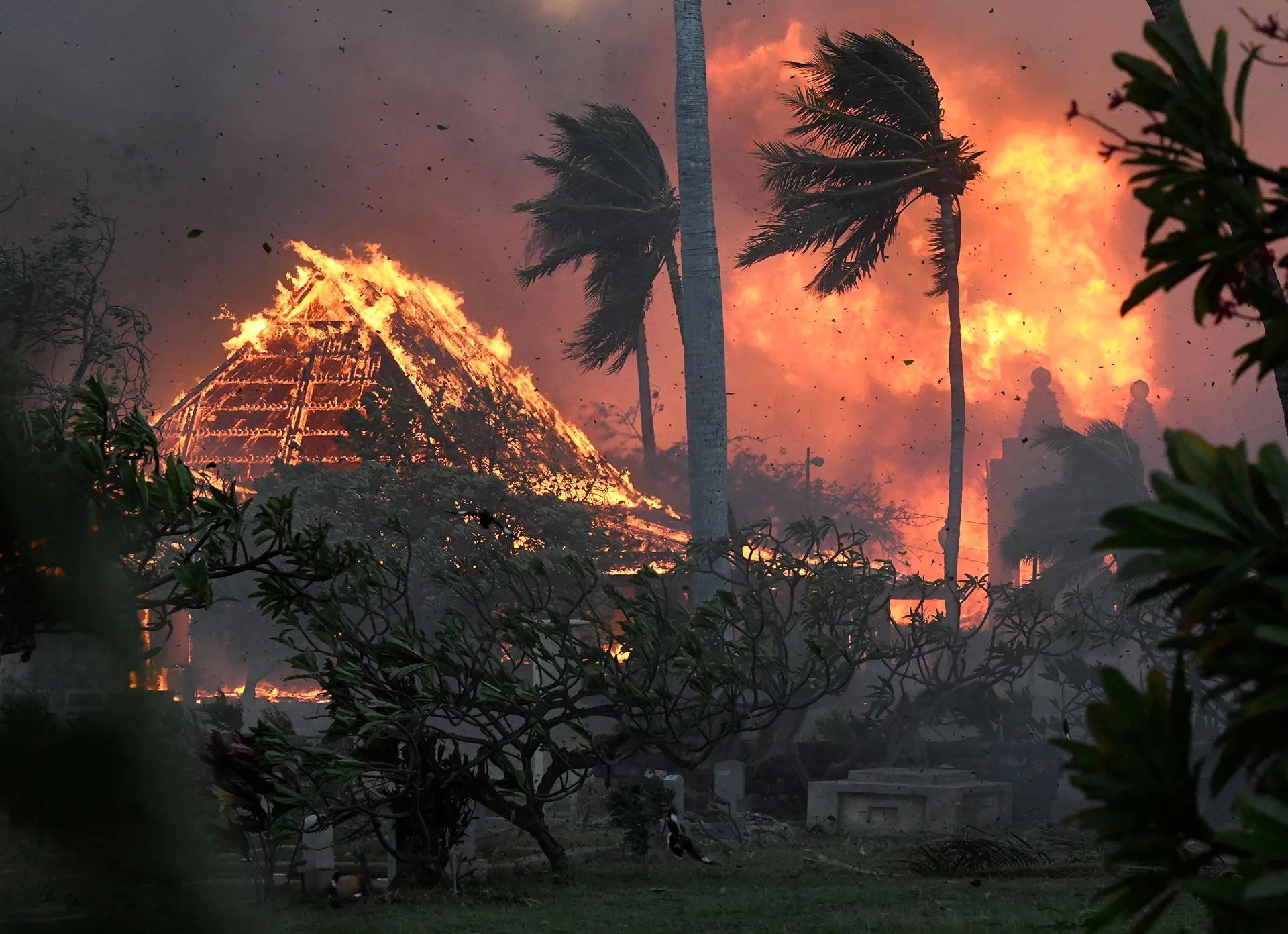
Front Street was the primary artery of the town’s historical district, lined with buildings that dated back to the 19th century. The architecture reflected a blend of missionary influence, plantation-style construction, and indigenous aesthetics. The Pioneer Inn, a classic example of harbor-side architecture built in 1901, was a cornerstone of the community. Its wooden structure and wrap-around verandas were iconic images of Maui tourism and history. Unfortunately, the wooden nature of these historic landmarks made them particularly vulnerable to the wind-driven embers.
The Resilience of the Banyan Tree
Perhaps the most famous natural landmark in the town is the Banyan Tree. Planted in 1873 to commemorate the 50th anniversary of the first Protestant mission in Lahaina, the tree grew to cover nearly an entire acre in the town square. It served as a community gathering place for generations. While the fire scorched the tree and destroyed the surrounding structures, including the Old Lahaina Courthouse, the Banyan Tree became a symbol of hope. Arborists and local volunteers worked tirelessly to hydrate the soil and treat the bark, and months later, new green leaves began to sprout, signaling the slow rebirth of the town’s spirit.
Sacred Sites and Museums
The fire also claimed sites of immense spiritual and educational value. Waiola Church, which celebrated its 200th anniversary just before the fire, was the site of the first Christian service on Maui and the burial ground for early Hawaiian royalty. Nearby, the Baldwin Home Museum, the oldest standing house on the island, saw its historic interiors and artifacts lost to the heat. Other sites, such as the Wo Hing Museum, which told the story of the Chinese immigrant community in Hawaii, and the Maria Lanakila Catholic Church, stood as silent witnesses to the devastation, with the latter miraculously remaining largely intact amidst the surrounding ruin.
The Human and Natural Interplay
To answer what started the fires in Hawaii, one must also consider the infrastructure and the human element. In a modern context, landmarks are not just old buildings; they are the electrical grids, the roads, and the emergency systems that support a population.
Infrastructure and Ignition
While an official cause of the initial spark is often subject to lengthy investigation, focus has frequently centered on the electrical infrastructure. On a day with such extreme winds, downed power lines in the dry grass areas of Upcountry Maui were reported early in the morning. These sparks, caught in the hurricane-force gusts, allowed the fire to leap across highways and firebreaks that would normally contain a blaze. The speed of the fire was such that it outpaced the ability of emergency services to issue warnings, a tragic reality that has led to a major re-evaluation of how Honolulu and other regional centers manage disaster communications.
The Role of Topography
The topography of Maui played a significant role in the fire’s path. The steep ravines and valleys of the West Maui Mountains, including areas near Puu Kukui, acted as chimneys, drawing the heat and flames upward and then pushing them down toward the coast. This “chimney effect” is common in mountainous regions like Oahu or Kauai, but on Maui, the alignment of the valleys with the wind direction created a firestorm that was virtually unstoppable until it reached the sea.
Moving Forward: Preserving Hawaii’s Natural and Historic Beauty
The fires in Hawaii have sparked a global conversation about the preservation of landmarks in an era of changing climates. The tragedy has highlighted the need for a return to more sustainable land management practices that mirror the ancient Hawaiian concept of “Malama ‘Aina”—to care for and nurture the land.
Restoring the Landmarks
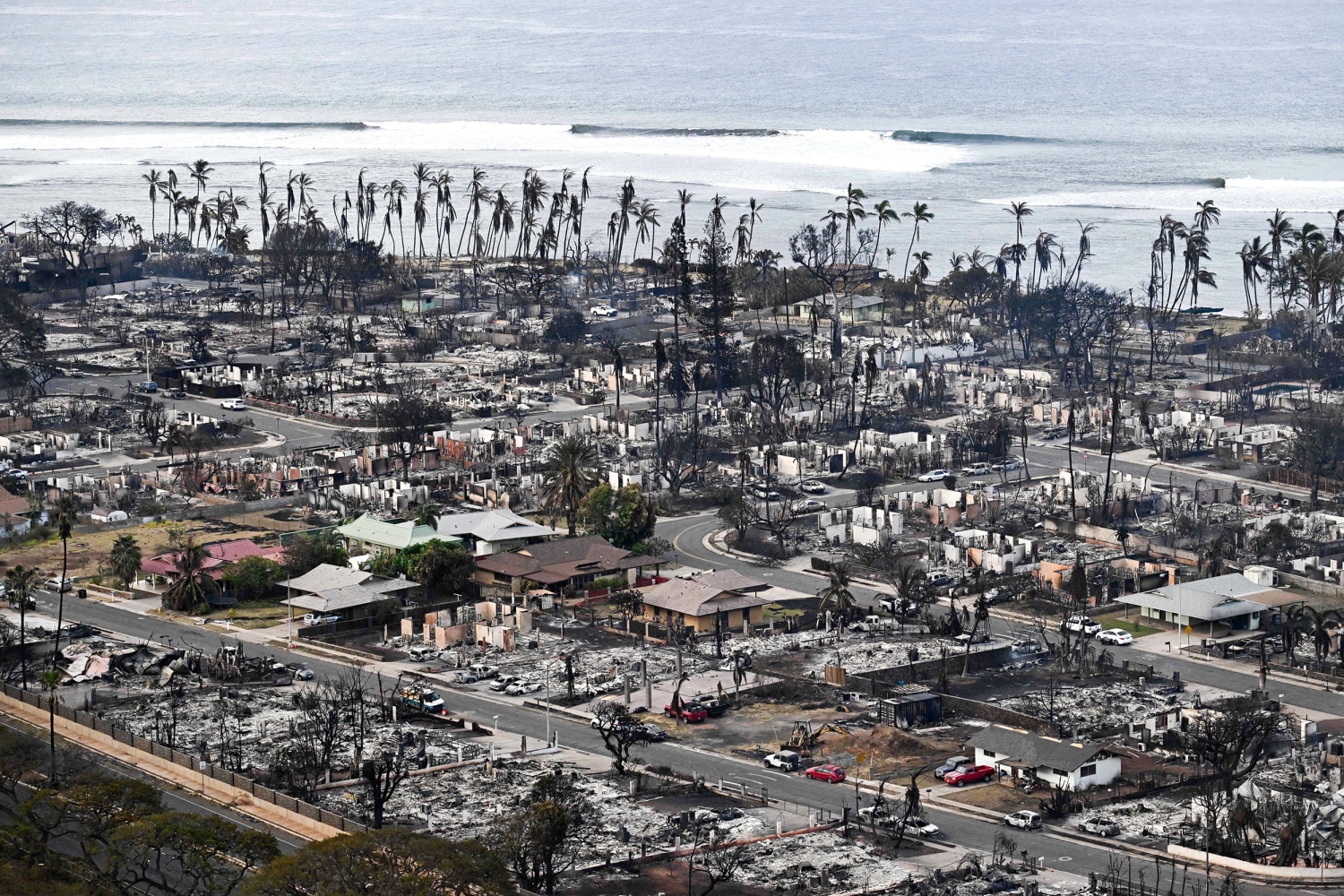
Efforts are currently underway to decide the future of the Lahaina historic district. There is a strong movement among locals to ensure that the rebuilding process respects the historical significance of the area while incorporating modern fire-resistant materials and indigenous landscaping. The goal is to recreate the beauty of Front Street in a way that honors its past while protecting its future.
Responsible Tourism and Nature
For those who visit the Big Island, Maui, or any other part of the state, the fires serve as a reminder of the fragility of these famous places. Tourism in Kahului and Kihei has continued, but with a newfound emphasis on awareness and respect for the recovery process. Visitors are encouraged to support local businesses and to learn about the history of the landmarks they visit, ensuring that the stories of Lahaina and its people are never forgotten.
The tragedy of the Hawaii fires was not the result of a single factor but a convergence of history, ecology, and meteorology. By understanding what started the fires, we can better appreciate the importance of protecting the natural and architectural landmarks that make the Hawaiian Islands a unique treasure of the United States and the world. The resilience of the land and its people remains the ultimate landmark, standing tall like the Banyan Tree as a symbol of endurance and renewal.
LifeOutOfTheBox is a participant in the Amazon Services LLC Associates Program, an affiliate advertising program designed to provide a means for sites to earn advertising fees by advertising and linking to Amazon.com. Amazon, the Amazon logo, AmazonSupply, and the AmazonSupply logo are trademarks of Amazon.com, Inc. or its affiliates. As an Amazon Associate we earn affiliate commissions from qualifying purchases.