
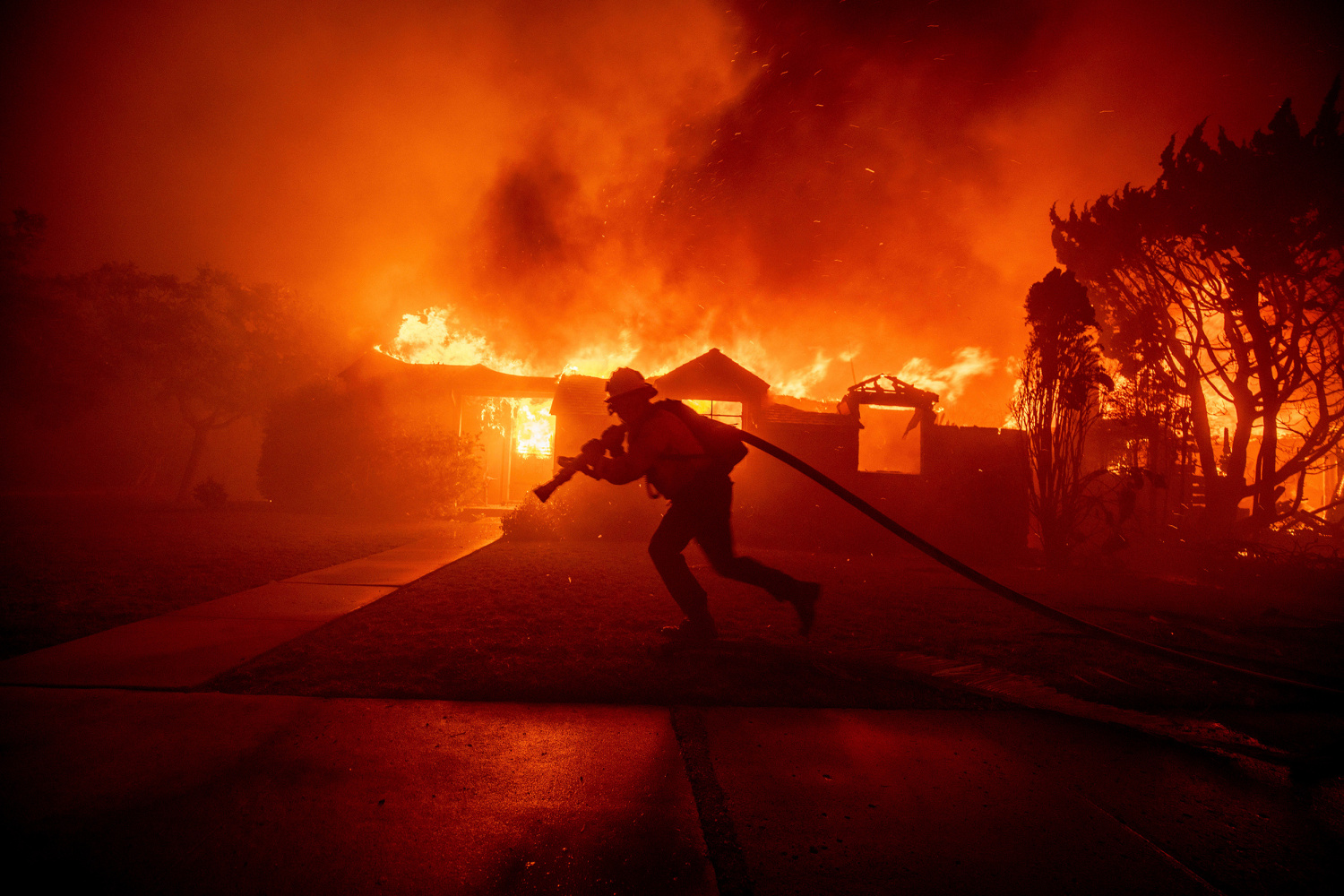
Los Angeles and the broader expanse of Southern California are renowned worldwide for their sun-drenched beaches, iconic landmarks, vibrant culture, and unparalleled lifestyle. Yet, beneath this glamorous veneer lies a persistent challenge: the annual threat of wildfires. These blazes, often dramatic and devastating, regularly capture global headlines, leaving residents and visitors alike questioning their origins. What ignites these infernos that sweep through the hills, canyons, and even urban fringes of one of the world’s most desirable destinations? The answer, as complex as the region’s diverse landscape, typically involves a perilous confluence of natural conditions and, frequently, human activity. For anyone planning a trip, considering a long-term stay, or simply captivated by the allure of California, understanding these factors is crucial not only for safety but also for appreciating the resilience of its communities and the ongoing efforts to protect its natural beauty and celebrated attractions.

The Incendiary Mix: Understanding Wildfire Triggers in Southern California
The propensity of Southern California for wildfires is not a random occurrence but a deeply rooted aspect of its unique Mediterranean climate and geography. While fire is a natural, albeit destructive, component of many ecosystems, the intensity and frequency seen in this region are amplified by specific environmental factors and, increasingly, by human impact.
Natural Conditions: Drought, Winds, and Vegetation
At the heart of Southern California’s wildfire problem are three primary natural contributors: prolonged drought, the infamous Santa Ana winds, and abundant, highly flammable vegetation. The region typically experiences long, dry summers and autumns, which can stretch for months, leaving the landscape parched. This desiccation is often exacerbated by multi-year drought cycles, turning chaparral, brush, and trees into tinder.
The arrival of the Santa Ana winds in the fall and early winter is a particularly ominous development. These strong, hot, dry winds originate from inland deserts and rush down through mountain passes to the coast. As they descend, they warm up and lose moisture, effectively super-drying the already arid vegetation. More critically, they act as a potent accelerant, spreading embers at incredible speeds, transforming small brush fires into fast-moving infernos that can quickly overwhelm containment efforts. The combination of dense chaparral — a shrubland community characterized by drought-tolerant, often oil-rich plants — extreme dryness, and high winds creates an explosive environment where a single spark can lead to widespread devastation. This natural predisposition means that even without human intervention, the landscape is primed for fire.
The Human Element: Unintentional Sparks and Infrastructure Vulnerabilities
While nature sets the stage, human activity is overwhelmingly the primary ignition source for most wildfires in Southern California. From discarded cigarettes and unattended campfires to arson, the ways humans inadvertently or intentionally start fires are numerous. However, a particularly prominent and recurring cause involves utility infrastructure, specifically power lines. Decades of expanding infrastructure, often through densely vegetated areas, coupled with aging equipment and the intense pressures exerted by the Santa Ana winds, have led to tragic consequences.
When powerful winds cause power lines to sway and clash, or when a tree branch falls onto electrical equipment, sparks can fly. In a tinder-dry environment, these sparks can almost instantly ignite the surrounding vegetation. Investigations following numerous major fires have frequently pointed to downed power lines or faulty utility equipment as the likely origin. This issue highlights a complex challenge for utility companies, which must balance the need to deliver reliable power with the imperative of fire prevention in an increasingly volatile climate. These human-related ignitions underscore the critical need for constant vigilance, improved infrastructure, and public awareness campaigns to minimize risk in a region where outdoor activities and urban sprawl meet wildland areas.
Case Studies in Catastrophe: Major Los Angeles Wildfires and Their Origins
Over recent years, Los Angeles and its surrounding areas have been scarred by several significant wildfires. Examining these specific incidents provides a clearer understanding of how the combination of natural and human factors can lead to devastating outcomes, impacting everything from local communities to global tourism.
The Getty Fire (2019): A Branch and a City’s Near Miss
In October 2019, the Getty Fire erupted in the hills near the Getty Center, threatening some of Los Angeles’ most affluent neighborhoods and iconic institutions. Investigations quickly honed in on a single, seemingly innocuous event: a tree branch breaking off and falling onto power lines. This simple act, amplified by dry conditions and moderate winds, sparked a blaze that would necessitate mandatory evacuations for over 10,000 homes and close a significant stretch of the I-405 freeway, a vital artery for daily commuters and travelers.
The fire’s proximity to major landmarks sent shivers down the spines of cultural heritage enthusiasts and tourists alike. The renowned Getty Center, with its priceless art collection, was directly threatened but ultimately spared due to its robust fire-resistant design and defensible space. However, the immediate impact on tourism and daily life was undeniable. Other major attractions like the Griffith Observatory, offering panoramic views of the city, and the sprawling UCLA campus were forced to close temporarily, disrupting academic schedules and planned tourist visits. Hotels in nearby areas saw a mix of cancellations and new bookings from evacuees, highlighting the unpredictable nature of accommodation demands during a crisis. While relatively contained compared to other blazes, the Getty Fire served as a stark reminder of how quickly an ordinary occurrence can escalate into a major threat, impacting travel plans, disrupting local tourism, and testing the preparedness of a global metropolis.

The Woolsey Fire (2018): Devastation Across Coastal Communities
Less than a year prior, in November 2018, the Woolsey Fire proved to be a far more destructive event, scorching vast swaths of Ventura County and Los Angeles County. The fire’s origins were again linked to utility equipment, with an investigation implicating Southern California Edison infrastructure as the likely source. Fueled by extreme Santa Ana winds, the blaze moved with terrifying speed, overwhelming firefighters and forcing the evacuation of an unprecedented 295,000 people.
The impact on some of Southern California’s most picturesque and popular communities was catastrophic. Affluent enclaves like Malibu, Calabasas, Thousand Oaks, and Agoura Hills bore the brunt of the devastation. Over 100,000 acres were incinerated, and a staggering 1,643 structures, including many homes, were destroyed, tragically claiming the lives of three civilians. For the travel and tourism industry, the consequences were profound. Numerous hotels and luxury resorts along the scenic Malibu coastline were either damaged or completely destroyed, leading to widespread booking cancellations and significant financial losses. Famous landmarks and natural attractions, which draw millions of visitors annually, became inaccessible or were severely impacted. The historic Paramount Ranch, a popular filming location and cultural site, was largely consumed by the flames. Natural wonders like Malibu Creek State Park, Zuma Beach, Point Dume State Preserve, and Leo Carrillo State Park suffered extensive damage, effectively closing down key tourist experiences for months, if not years, during their recovery. The Woolsey Fire starkly illustrated how quickly a wildfire can erase both personal residences and cherished tourist destinations, profoundly affecting the local economy and the visitor experience.
The Thomas Fire (2017): A Record-Setting Blaze
The preceding year, December 2017, saw the ignition of the Thomas Fire, which at the time became the largest wildfire in California state history. Again, the cause was suspected to be related to power lines. This massive inferno primarily impacted Ventura County and Santa Barbara County, areas beloved for their picturesque towns, vineyards, and coastal resorts.
The fire ultimately consumed over 281,000 acres and destroyed 1,063 structures, leading to the tragic deaths of two civilians and one firefighter. While not directly within the immediate Los Angeles basin, its scale and proximity had significant ripple effects on the broader Southern California travel landscape. Air quality across large parts of the region deteriorated severely due to heavy smoke, making outdoor activities unpleasant or even hazardous. This directly impacted the appeal of destinations even far from the fire lines. Hotels and resorts, particularly in areas like Santa Barbara and Ventura, faced numerous cancellations and a sharp decline in tourism during the fire and its immediate aftermath. Many visitors reconsidered their travel plans to California, fearing disruptions and health risks. The Thomas Fire highlighted how massive wildfires, regardless of their precise location, can cast a long shadow over an entire region’s tourism industry, affecting everything from flight bookings to local restaurant patronage.
Beyond the Blaze: Long-Term Impacts and Future Preparedness for Travelers
While the immediate devastation of wildfires is heartbreaking, the story of Southern California is also one of remarkable resilience and ongoing efforts to mitigate future risks. For travelers, understanding these long-term aspects is key to both respecting the local challenges and confidently planning future visits.
Resilience and Recovery: Rebuilding Communities and Reopening Destinations
Following each major wildfire, the spirit of Southern California communities shines through in their dedicated recovery efforts. Residents, local businesses, and government agencies work tirelessly to rebuild homes, restore infrastructure, and regenerate damaged natural spaces. This process can take years, but the commitment to bringing life back to affected areas is unwavering.
Many landmarks and attractions that faced closures or damage eventually reopen, often with renewed vigor. Malibu Creek State Park, for instance, has undergone significant restoration, allowing visitors to once again enjoy its trails and natural beauty. This rebuilding phase not only restores physical structures but also rejuvenates the local tourism economy. As hotels are rebuilt and upgraded, and attractions resume operations, they signal a return to normalcy and an open invitation for travelers to return and support these resilient communities. The enduring appeal of Los Angeles and Southern California as a premier travel destination remains, largely due to this inherent capacity for recovery and adaptation.
Proactive Measures and Travel Considerations
Learning from past disasters, Southern California is continually enhancing its proactive measures to combat wildfires. These include aggressive vegetation management programs, creating defensible space around communities, and implementing early warning systems. Utility companies like Southern California Edison are investing heavily in infrastructure upgrades, such as hardening power lines, relocating some underground, and implementing Public Safety Power Shutoffs during extreme wind events to prevent ignitions. Public awareness campaigns also play a crucial role, educating residents and visitors about fire prevention and emergency preparedness.
For travelers planning a trip to Southern California, especially during the traditional fire season (typically late summer through fall and early winter), staying informed is paramount. Before and during your visit, consider the following:
- Check Travel Advisories: Monitor official sources for any fire-related advisories or warnings in your intended destinations.
- Verify Accommodation Status: Confirm with your hotel or accommodation provider regarding their operational status and any potential impacts from nearby fires or air quality concerns.
- Confirm Attraction Openings: Always check the websites or social media channels of national parks, state parks, museums, and other outdoor attractions to ensure they are open and accessible.
- Understand Air Quality: Be aware that smoke from distant fires can affect air quality, even in areas far from the blaze. Apps and local news provide real-time air quality data.
- Emergency Preparedness: Familiarize yourself with local emergency procedures, including evacuation routes, particularly if staying in a brush-heavy area.
By understanding the dual nature of wildfire causes – a potent blend of natural conditions and human factors – and appreciating the ongoing efforts towards prevention and recovery, travelers can confidently plan their Southern California adventures. While the threat of wildfires is a reality, the region’s dedication to safety, coupled with the inherent allure of its destinations, ensures that the magic of Los Angeles and its stunning surroundings continues to captivate visitors from across the globe.
LifeOutOfTheBox is a participant in the Amazon Services LLC Associates Program, an affiliate advertising program designed to provide a means for sites to earn advertising fees by advertising and linking to Amazon.com. Amazon, the Amazon logo, AmazonSupply, and the AmazonSupply logo are trademarks of Amazon.com, Inc. or its affiliates. As an Amazon Associate we earn affiliate commissions from qualifying purchases.