
The question of which state reigns supreme in terms of sheer size between California and Texas is a common point of curiosity, often sparking lively debates among travelers, residents, and anyone with an interest in the vast American landscape. While both states are undeniably massive and offer a wealth of diverse experiences, when it comes to geographical footprint, the answer is definitive. This exploration delves into their respective sizes, providing context for what these expansive territories mean for travel, exploration, and the unique characteristics that define each.
Unpacking the Geographical Giants
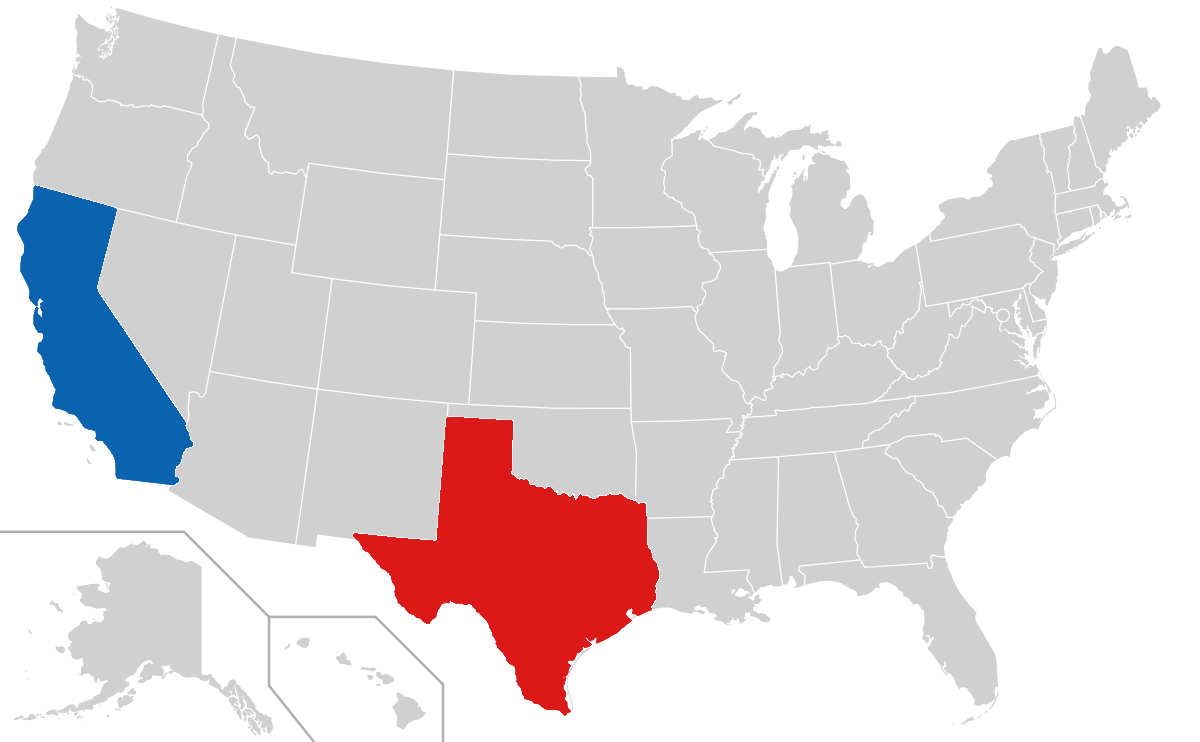
To definitively answer the question of size, we must look at the official land area figures for both California and Texas. These numbers are typically measured in square miles or square kilometers and represent the total area within their respective borders, encompassing both land and inland waters.
California’s Expansive Reach
California, the Golden State, is renowned for its stunning coastline, towering mountains, and diverse climates. Its geographical extent contributes significantly to this variety, offering everything from the arid deserts of the Mojave Desert to the lush forests of the Redwood National and State Parks.
- Total Area: California covers approximately 163,695 square miles (423,970 square kilometers). This places it as the third-largest state in the contiguous United States. Its length stretches over 770 miles from north to south, contributing to its significant area.
- Land vs. Water: A substantial portion of California’s total area is land. While it boasts a long Pacific coastline, the inland water bodies, such as Lake Tahoe and the Sacramento-San Joaquin River Delta, constitute a smaller percentage compared to its landmass.
Texas’s Immense Territory
Texas, the Lone Star State, is synonymous with wide-open spaces, rich history, and a powerful independent spirit. Its sheer size is a defining characteristic, influencing everything from its climate and geography to its cultural identity.
- Total Area: Texas boasts a total area of approximately 268,596 square miles (695,662 square kilometers). This makes it the second-largest state in the United States, surpassed only by Alaska. The vastness of Texas is often described in terms of its diverse regions, from the piney woods of East Texas to the rugged landscapes of the Big Bend country.
- Land vs. Water: Similar to California, the majority of Texas’s area is land. However, it also contains significant inland water bodies, including numerous reservoirs and natural lakes, which contribute to its overall size.
The Verdict: Texas is Bigger
Based on these figures, it is clear that Texas is significantly bigger than California. The difference in land area is substantial, meaning that Texas encompasses a much larger geographical territory. This distinction has profound implications for understanding the scale of these two iconic states.
Implications for Travel and Exploration
The difference in size between California and Texas is not merely an abstract geographical fact; it has tangible effects on the travel experience and the sheer scope of exploration available in each state.
Navigating California’s Diverse Landscapes
California’s considerable size, though smaller than Texas, still allows for an incredible diversity of experiences. The state’s varied terrain and climate zones mean that traveling from one end to the other can feel like traversing multiple countries.
- Coastal Wonders: The iconic Pacific Coast Highway offers breathtaking views and access to charming beach towns like Santa Cruz and San Diego. Driving this route can take days to fully appreciate.
- Mountain Adventures: The Sierra Nevada mountains provide world-class skiing, hiking, and access to natural wonders like Yosemite National Park. Traveling to these high-altitude regions from the coast involves significant driving.
- Desert Expanse: The southern deserts, including Joshua Tree National Park and the Anza-Borrego Desert State Park, offer a starkly different, yet equally captivating, landscape that requires considerable time to explore.
- Urban Hubs: Major metropolitan areas like Los Angeles and San Francisco are vast in themselves, with their own sprawling suburbs and distinct attractions. Reaching attractions within these cities, let alone traveling between them, can be a time-consuming endeavor.
The sheer distance between major points of interest in California means that planning trips requires careful consideration of travel time. A road trip intending to experience the redwoods in the north and the deserts in the south would necessitate a significant itinerary, potentially spanning weeks.
Experiencing the Grandeur of Texas
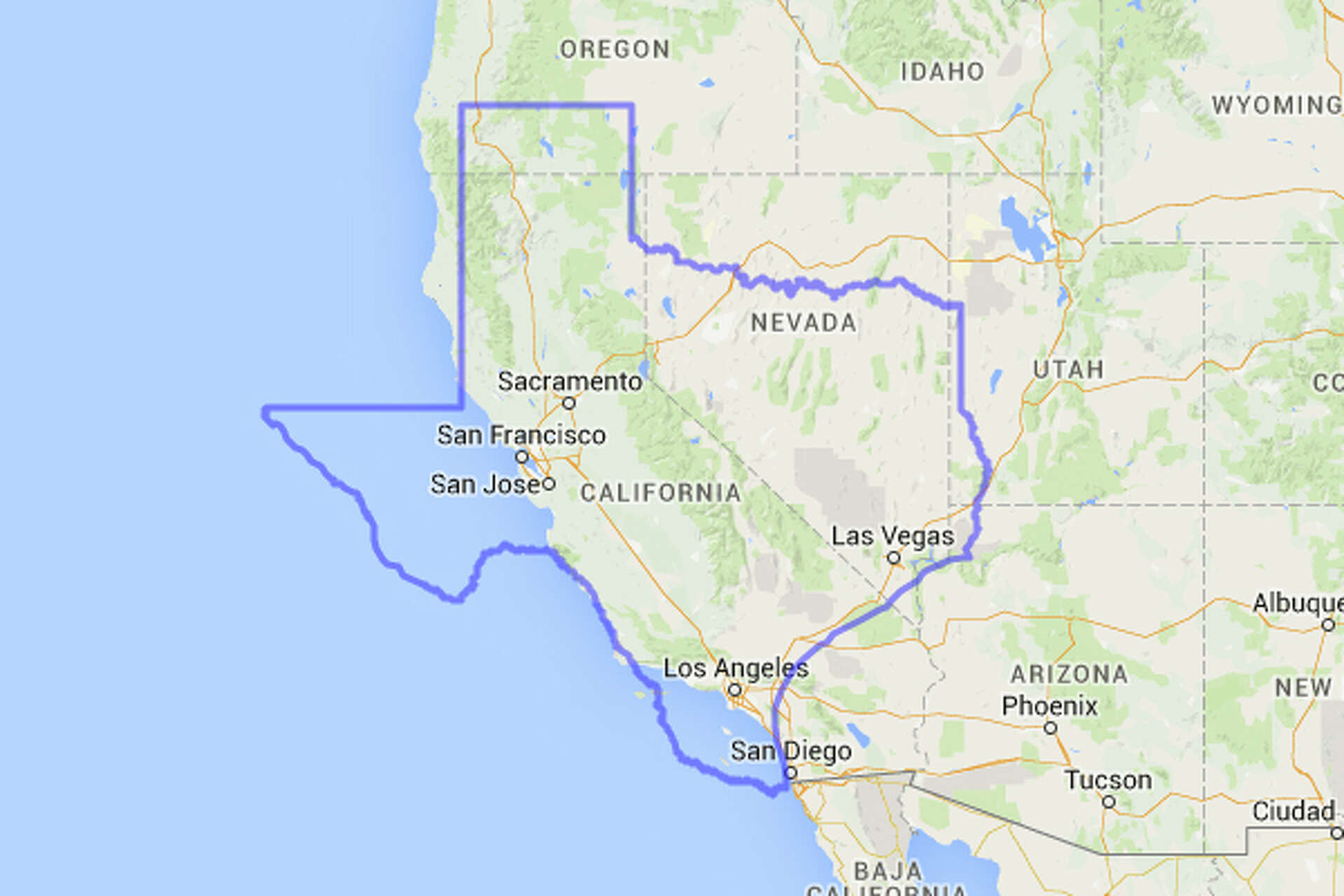
Texas, with its larger landmass, presents an even grander scale of travel and exploration. The vastness of the state means that “driving across Texas” is a journey in itself, often comparable to traveling between countries in other parts of the world.
- East Texas Piney Woods: The eastern part of the state is characterized by dense forests and a humid subtropical climate, offering a stark contrast to the arid West. Exploring this region, perhaps visiting Tyler or the Big Thicket National Preserve, is a distinct experience.
- Central Texas Hill Country: This region, known for its rolling hills, wineries, and charming towns like Fredericksburg, offers a different pace and landscape. The drive through the Hill Country can be scenic and leisurely, but covering significant distances within it still takes time.
- The Gulf Coast: From the beaches of Galveston to the bustling port city of Houston, the Texas coast offers a unique set of attractions and a distinct climate.
- West Texas and Big Bend: The western reaches of Texas are defined by the Chihuahuan Desert and the majestic Big Bend National Park. This area is incredibly remote, and reaching Big Bend from major population centers like Dallas or San Antonio is a multi-day journey. The sheer scale of the park itself requires days to explore its vast canyons and mountain ranges.
- The Panhandle Plains: In the northern part of the state, the Panhandle offers a flat, expansive landscape, evoking images of classic Western vistas.
The vast distances between major cities in Texas mean that flying between them is often a practical necessity for those with limited time. For example, flying from El Paso in the west to Houston in the east is a flight that takes nearly two hours, not including airport time. This highlights the immense scale that travelers must contend with.
Size and Cultural Identity
The geographical scale of California and Texas has also played a role in shaping their unique cultural identities and the way their residents perceive their state.
California’s Diverse Tapestry
California’s size contributes to its incredible cultural diversity. The state is a melting pot of influences, from the tech-centric innovation of Silicon Valley to the laid-back surf culture of its coast, and the agricultural heartland of its Central Valley.
- Regional Identities: Different regions within California often foster distinct identities. The “Bay Area” culture is different from “Southern California” culture, which in turn differs from the more rural Northern California. This fragmentation is a natural consequence of its size and varied geography.
- Innovation and Influence: The sheer economic and cultural power of California projects globally, influencing trends in entertainment, technology, and lifestyle. This influence is amplified by its considerable land area, which supports diverse industries and a large, dynamic population.
Texas’s Larger-Than-Life Persona
Texas’s immense size has fostered a profound sense of state pride and a distinct cultural identity that is often described as “larger than life.”
- Independent Spirit: The vastness of Texas has historically contributed to a strong sense of independence and self-reliance among its people. The sheer distance from other states and its historical development as an independent republic have cemented this identity.
- Regional Pride: Similar to California, Texas has strong regional identities. The cowboy culture of West Texas, the Tex-Mex heritage of the South, and the burgeoning metropolises of North Texas all contribute to a complex cultural mosaic.
- Economic Powerhouse: The vast natural resources and extensive land area have made Texas an economic powerhouse, particularly in the energy sector. This economic strength further fuels its distinct persona on the national and international stage.
Planning Your Journey: Size Matters
When planning a trip that involves either California or Texas, understanding their relative sizes is crucial for effective itinerary planning.
California: A Diverse Palette
For California, consider focusing on specific regions to avoid excessive travel time.
- Coastal Explorer: Dedicate time to explore the coastline, perhaps from San Francisco down to San Diego, with stops at national parks and charming towns.
- Mountain and Desert Adventure: Combine a trip to the Sierra Nevadas with an exploration of Joshua Tree or Death Valley National Park.
- Southern California Focus: Immerse yourself in the diverse offerings of Southern California, from theme parks in Anaheim to the beaches and cultural attractions of Los Angeles.
Texas: Embracing the Grand Scale
For Texas, embrace its vastness and plan accordingly.
- Big City to Big Bend: If you aim to see both major urban centers like Austin or Dallas and the remote beauty of Big Bend, factor in significant travel time, likely involving flights or multiple days of driving.
- Regional Deep Dive: Choose a specific region of Texas to explore in depth, such as the Hill Country, East Texas, or the Gulf Coast. This allows for a more relaxed and immersive experience.
- Cross-State Road Trip: For the ambitious traveler, a cross-state road trip can be an epic adventure, offering a true sense of the state’s immense scale and varied landscapes.
In conclusion, while both California and Texas are vast and captivating destinations, Texas holds the title for being the larger of the two. This difference in size directly influences the scope of travel, the diversity of landscapes, and the distinct cultural narratives that make these American giants so compelling to explore.
LifeOutOfTheBox is a participant in the Amazon Services LLC Associates Program, an affiliate advertising program designed to provide a means for sites to earn advertising fees by advertising and linking to Amazon.com. Amazon, the Amazon logo, AmazonSupply, and the AmazonSupply logo are trademarks of Amazon.com, Inc. or its affiliates. As an Amazon Associate we earn affiliate commissions from qualifying purchases.